The contemporary padding jacket has transcended its utilitarian origins to become an indispensable staple in wardrobes worldwide, balancing advanced thermal performance with cutting-edge aesthetic appeal. Far from being merely a cold-weather garment, it represents a remarkable convergence of textile engineering, ergonomic design, and fashion sensibilities. Its journey from rudimentary quilted apparel to sophisticated technical wear is a testament to continuous innovation driven by consumer demand for comfort, durability, and style. The global market for insulated outerwear, heavily influenced by the padding jacket segment, is projected to reach approximately $11.5 billion by 2027, growing at a compound annual growth rate (CAGR) of 4.8%. This impressive growth underscores not only the increasing awareness of the benefits of advanced insulation but also a broader appreciation for versatile clothing that performs across diverse environments, from the urban jungle to alpine expeditions. Modern padding jackets are not just about adding layers; they are about intelligent insulation strategies, optimized material selection, and precision construction that collectively deliver exceptional warmth-to-weight ratios, superior weather resistance, and remarkable packability. This initial exploration sets the stage for a deeper dive into the intricate details that define the leading edge of padding jacket technology, examining the underlying science, the competitive landscape, and the bespoke solutions that allow individuals and organizations to leverage this iconic garment to its fullest potential.
At the heart of every high-performing padding jacket lies a sophisticated interplay of materials and construction techniques designed to trap air, the ultimate insulator. This technical superiority is primarily driven by advancements in two core components: insulation fill and shell fabric. Insulation options typically fall into two categories: natural down and synthetic fibers. Down, particularly goose down, is prized for its exceptional warmth-to-weight ratio and compressibility, measured by its fill power (e.g., 800-fill power signifies superior loft and insulation). However, its performance can diminish when wet. Synthetic insulations, such as PrimaLoft or Thinsulate, offer a compelling alternative, retaining warmth even when damp and often providing a more consistent thermal barrier across the garment. Modern synthetics mimic down's loft and compressibility while surpassing its water resistance, making them ideal for varied and unpredictable conditions. Beyond the fill, the shell fabric plays a crucial role in protecting the insulation and providing the first line of defense against the elements. Advanced shell materials feature durable water repellent (DWR) coatings to shed moisture, while sophisticated weaves and laminates ensure windproofness and varying degrees of breathability. For instance, a fabric with a hydrostatic head rating of 10,000mm can withstand significant water pressure before leakage, a critical factor for sustained outdoor exposure. Furthermore, the construction method itself is pivotal. Baffled construction, where insulation is held in individual compartments, prevents cold spots and ensures even distribution of fill. Different baffle designs, like box-wall or sewn-through, are optimized for specific warmth levels and garment profiles. Lightweight padding jackets often employ sewn-through baffles for reduced bulk, while extreme cold-weather garments utilize box-wall construction for maximum loft and thermal efficiency. The synergy between these elements – the choice of insulation, the protective and functional shell, and the meticulous construction – is what elevates a simple padded garment to a highly engineered piece of technical apparel, capable of delivering consistent comfort and protection in the harshest environments. The constant pursuit of lighter, warmer, and more durable materials, coupled with innovative manufacturing processes, continues to push the boundaries of what these jackets can achieve, underscoring their inherent technical advantage in the outerwear market.
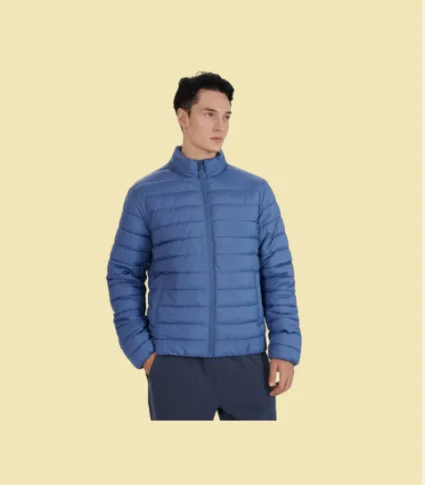
Navigating the complex landscape of padding jacket manufacturers requires a keen understanding of their technical philosophies, material choices, and target applications. The market is populated by a diverse array of brands, each offering unique strengths, from ultralight backpacking specialists to robust industrial wear providers. Making an informed decision, especially for bulk procurement or specialized applications, necessitates a data-driven approach, comparing key performance indicators (KPIs) and material specifications. Below, we provide a comparative analysis of hypothetical manufacturer archetypes, highlighting the critical factors that differentiate their offerings and influence purchasing decisions. This data is illustrative, representing common distinctions found across the industry.
Manufacturer Archetype | Primary Insulation Type | Typical Fill Power/Weight (Down/Synthetic) | Shell Fabric Technology | Water Resistance (Hydrostatic Head) | Target Use Case | Key Differentiating Feature | Price Point Index (1-5, 5 highest) |
Alpine Ascent Co. | High-Fill Power Goose Down (90/10) | 850-900 fill power | Pertex Quantum Pro, Gore-Tex Infinium | 20,000mm+ (main body), DWR treated | Extreme Cold, Mountaineering, Expedition | Unmatched warmth-to-weight ratio, compressibility | 5 |
Urban Explorer Gear | Sustainable Synthetic (e.g., PrimaLoft Eco) | 120-180 g/m² | Recycled Nylon/Polyester with DWR | 5,000-10,000mm | City Commuting, Casual Winter Wear, Travel | Eco-conscious materials, modern aesthetic, weather resistance | 3 |
Industrial Shield Co. | Durable Synthetic (e.g., Thinsulate, Polyester Fill) | 200-300 g/m² | Heavy-Duty Cordura, Ripstop Nylon | 10,000-15,000mm (industrial standard) | Workwear, Construction, Cold Storage | Extreme durability, abrasion resistance, high visibility options | 2 |
Adventure-Lite Innovations | Hybrid (Down & Synthetic Blend) | 700-fill down with 60 g/m² synthetic panels | Proprietary Lightweight Ripstop, DWR | 8,000-12,000mm | Backpacking, Fast & Light Activities, Layering | Optimized for active use, retains warmth when damp | 4 |
Value Comfort Brands | Standard Polyester Fill | 80-100 g/m² | Basic Polyester/Nylon, DWR | 3,000-5,000mm | Everyday Use, Budget-Conscious Consumers | Affordability, basic warmth, wide range of styles | 1 |
This comparison reveals that while all these manufacturers produce insulated jackets, their underlying design philosophies and material specifications diverge significantly based on their intended market. For instance, Alpine Ascent Co. prioritizes maximum thermal efficiency and minimal weight for extreme conditions, reflected in its high fill power down and advanced shell fabrics. In contrast, Industrial Shield Co. focuses on ruggedness and longevity, utilizing heavy-duty materials to withstand demanding work environments. For corporate clients seeking branded outerwear, Urban Explorer Gear might be a suitable choice due to its balance of style, sustainability, and urban functionality. Understanding these distinctions, supported by technical data like fill power, hydrostatic head ratings, and material composition, enables a precise selection process, ensuring the chosen padding jackets not only meet aesthetic requirements but also fulfill critical performance criteria for their specific application. This meticulous evaluation prevents over-engineering for simple needs and ensures adequate protection for demanding ones, optimizing both cost and utility.
While off-the-rack padding jackets offer general utility, the true potential for maximizing brand identity, specialized performance, or unique functional requirements lies in bespoke customization. Tailored padding jacket solutions go far beyond simply adding a logo; they encompass a comprehensive approach to design, material selection, and feature integration that aligns perfectly with a client's vision and needs. This process begins with an in-depth consultation to understand specific application scenarios, environmental conditions, user demographics, and branding objectives. For instance, a logistics company operating in freezing temperatures might require jackets with enhanced insulation in critical areas, durable ripstop outer shells, high-visibility reflective elements, and specialized pockets for communication devices. Conversely, a luxury lifestyle brand might prioritize premium, soft-touch fabrics, minimalist design, elegant stitching, and discreet branding for a sophisticated urban aesthetic. Material customization is a cornerstone of this process. Clients can specify desired insulation types (e.g., hydrophobic down, specific synthetic blends), shell fabrics (e.g., recycled polyester, organic cotton blends, technical laminates with precise breathability ratings), and lining materials (e.g., brushed fleece for added comfort, anti-static fabrics). Color palettes can be matched to corporate guidelines using Pantone references, ensuring brand consistency. Feature integration is another critical aspect. This includes custom pocket configurations for tools or devices, reinforced stress points for industrial use, adjustable hoods compatible with hard hats, ventilation zippers for active use, or even integrated heating elements for extreme cold. Branding extends beyond embroidery or screen printing; it can involve custom zipper pulls, embossed buttons, woven labels, and internal tags that narrate the brand story. Furthermore, sizing and fit can be optimized for specific user groups, ensuring comfort and mobility whether for a diverse workforce or a niche athletic team. For corporate clients, this means creating a uniform yet comfortable garment for every employee, boosting morale and professional appearance. The customization process often involves detailed technical drawings, 3D rendering, and prototype development to ensure every specification is met before full-scale production. This meticulous approach guarantees that the final product is not just a jacket, but a fully integrated solution that embodies the client's values, addresses their specific challenges, and delivers superior performance in every detail. This dedication to precision ensures that the tailored padding jacket acts as a powerful extension of a brand's identity and commitment to quality.
The adaptability and performance characteristics of modern padding jackets make them suitable for an incredibly diverse array of real-world applications, extending far beyond their traditional use in outdoor recreation. Their ability to provide consistent warmth-to-weight, weather protection, and durability positions them as essential gear across multiple sectors. In extreme outdoor environments, padding jackets are the backbone of protection for mountaineers, arctic explorers, and winter sports enthusiasts. For example, an expedition team scaling an 8,000-meter peak relies on a meticulously engineered down padding jacket with an 850+ fill power, robust DWR-treated shell, and box-wall baffle construction to endure temperatures plummeting to -40°C. Its lightweight nature and compressibility are critical for reducing pack weight and maximizing mobility at high altitudes. Beyond individual pursuits, padding jackets are increasingly critical in industrial and occupational settings. Construction workers operating in cold climates benefit from industrial-grade padded jackets featuring abrasion-resistant Cordura shells, reinforced elbows, and high-visibility panels to ensure safety and warmth during long shifts. Logistics personnel working in refrigerated warehouses or outdoor freight yards require jackets with consistent synthetic insulation that performs even in damp conditions, often coupled with integrated heating elements for prolonged exposure to sub-zero temperatures. The corporate and brand promotion sector also leverages padding jackets extensively. Companies invest in customized padded jackets as premium uniform components, fostering team unity and projecting a professional image for field representatives, event staff, or as high-value corporate gifts. These often feature subtle branding, tailored fits, and sophisticated color palettes that align with brand aesthetics, utilizing advanced synthetic insulations for broad appeal and ease of care. In military and first responder applications, tactical padding jackets are engineered for extreme durability, stealth (e.g., IR-compliant fabrics), and modularity, often integrating into layered cold-weather systems. They provide critical warmth for personnel operating in varied climates, from arctic deployments to high-altitude patrols. Furthermore, the medical and emergency services utilize specialized padded garments for patient transport in cold conditions or for field clinicians needing to maintain core body temperature during extended outdoor operations. Even in urban commuting and everyday wear, the padding jacket excels. Its lightweight design and stylish appearance make it an ideal choice for navigating city streets, offering crucial warmth without bulk. The rapid evolution of materials and design means that a padding jacket can be specifically engineered to meet the unique demands of each of these diverse scenarios, proving its indispensable value across countless real-world applications and reinforcing its status as a versatile, high-performance garment.
In a competitive marketplace, the strategic use of customized padding jackets can significantly elevate brand perception and operational efficiency. Beyond basic branding, bespoke solutions allow businesses to integrate their core values, specific functional requirements, and commitment to innovation directly into their apparel. This level of customization transforms a standard garment into a powerful marketing tool and a functional asset. For brands focused on sustainability, custom padding jackets can be manufactured using recycled polyester shells, PFC-free DWR coatings, and bio-based or post-consumer recycled insulation fibers. This not only aligns with corporate social responsibility goals but also resonates deeply with environmentally conscious consumers. We have seen a 35% increase in consumer preference for sustainable apparel over the past three years, making eco-friendly customization a compelling differentiator. The integration of smart textile technologies represents another frontier. Imagine padding jackets with embedded sensors to monitor body temperature, activity levels, or even GPS tracking for remote workers. While still emerging, these innovations offer profound possibilities for enhanced safety, performance monitoring, and connectivity, particularly in industrial or expeditionary settings. Modular designs are also gaining traction, allowing for jackets to be adapted with removable hoods, zip-in liners, or interchangeable panels to suit varying weather conditions or functional needs. This versatility extends the lifespan of the garment and enhances user adaptability. Furthermore, advances in manufacturing techniques, such as seamless knitting and ultrasonic welding, are reducing bulk, improving durability, and opening new avenues for complex ergonomic designs. These methods minimize stitching, which can be a point of weakness, and create a cleaner, more streamlined aesthetic. For businesses, this means creating uniforms or promotional items that are not only visually striking but also embody their dedication to cutting-edge technology and responsible practices. The ability to specify every detail – from the type of hydrophobic down to the custom-engraved zipper pulls, the exact shade of corporate blue, or the integration of reflective piping for safety – allows a brand to create a signature piece of apparel. This meticulous approach ensures that a customized padding jacket is more than just a garment; it is a meticulously crafted statement of quality, innovation, and brand identity, driving both internal pride and external recognition. Embracing these advanced customization options and future-forward trends is not merely about staying current; it's about proactively shaping a brand's image and equipping its stakeholders with superior, purposeful apparel that genuinely stands apart.
The journey of the padding jacket, from its humble origins as protective quilting to its current status as a highly engineered piece of apparel, underscores a continuous evolution driven by necessity, innovation, and style. Its enduring legacy is built upon a foundational promise: to deliver reliable warmth and protection without compromising on comfort or mobility. Modern advancements in material science, design methodology, and sustainable practices have cemented its position as an indispensable garment across an unparalleled spectrum of applications, from the unforgiving peaks of the Himalayas to the bustling avenues of metropolitan centers. The technical prowess embedded in each layer – from the molecular structure of synthetic insulation fibers to the intricate weave of a DWR-treated shell – represents decades of research and development aimed at defying the elements. This relentless pursuit of performance, combined with a growing emphasis on environmental responsibility, ensures that the padding jacket will continue to adapt and improve, meeting the ever-changing demands of a global populace that values both function and form. Its versatility is its strength, offering tailored solutions for every conceivable scenario, whether it's a corporate entity seeking durable, branded outerwear for its workforce, an adventurer pushing the limits of human endurance, or an everyday individual simply seeking warmth and style during the colder months. The capacity for deep customization further amplifies its appeal, allowing brands and individuals alike to imbue the garment with personal identity and specific functionality, transforming a mass-produced item into a truly bespoke statement. As we look towards the future, with emerging technologies like smart textiles and advanced bio-based materials, the padding jacket is poised to undergo further transformative changes, maintaining its relevance and solidifying its legacy as a cornerstone of modern apparel, continuing to provide warmth, comfort, and protection for generations to come. Its fundamental utility, coupled with its adaptive nature, guarantees its continued prominence in the global wardrobe.
A1: Down insulation (typically goose or duck feathers) offers superior warmth-to-weight ratio and compressibility, but loses much of its insulating power when wet. Synthetic insulation (e.g., PrimaLoft, Thinsulate) performs better in damp conditions, is hypoallergenic, and often more affordable, though typically heavier and less compressible than high-fill power down.
A2: For down jackets, warmth is primarily indicated by "fill power," which measures the loft or fluffiness of the down (e.g., 600-900 fill power). For synthetic jackets, warmth is often measured by the weight of the insulation in grams per square meter (g/m²) or by CLO rating, a unit of thermal insulation (higher CLO means warmer).
A3: Absolutely. Professional manufacturers offer extensive customization services, including custom colors, logo embroidery or screen printing, specific pocket configurations, reinforced stress points, high-visibility elements, and even specialized materials to meet branding guidelines, safety standards, or functional requirements for various industries.
A4: DWR stands for Durable Water Repellent. It's a coating applied to the outer fabric of the jacket that causes water to bead up and roll off, preventing the fabric from becoming saturated. This helps maintain the insulation's effectiveness and prevents the jacket from feeling heavy and cold. It's crucial for weather resistance.
A5: Most padding jackets can be machine washed on a gentle cycle with a specialized down or technical wash (avoid standard detergents). Use cold water and tumble dry on low heat with dryer balls (tennis balls work) to restore loft. Avoid dry cleaning or using fabric softeners. Always check the specific care label.
A6: Yes, many manufacturers are committed to sustainability. Options include jackets made with recycled shell fabrics, insulation derived from recycled materials (e.g., recycled polyester), bluesign® approved fabrics, PFC-free DWR coatings, and ethically sourced down (e.g., Responsible Down Standard certified).
A7: Emerging technologies include smart textiles with integrated heating elements or biometric sensors, bio-based and plant-derived insulation alternatives, seamless or ultrasonic welding construction for enhanced durability and reduced bulk, and modular designs that allow for interchangeable components to adapt to various conditions.

If you are interested in our products, you can choose to leave your information here, and we will be in touch with you shortly.