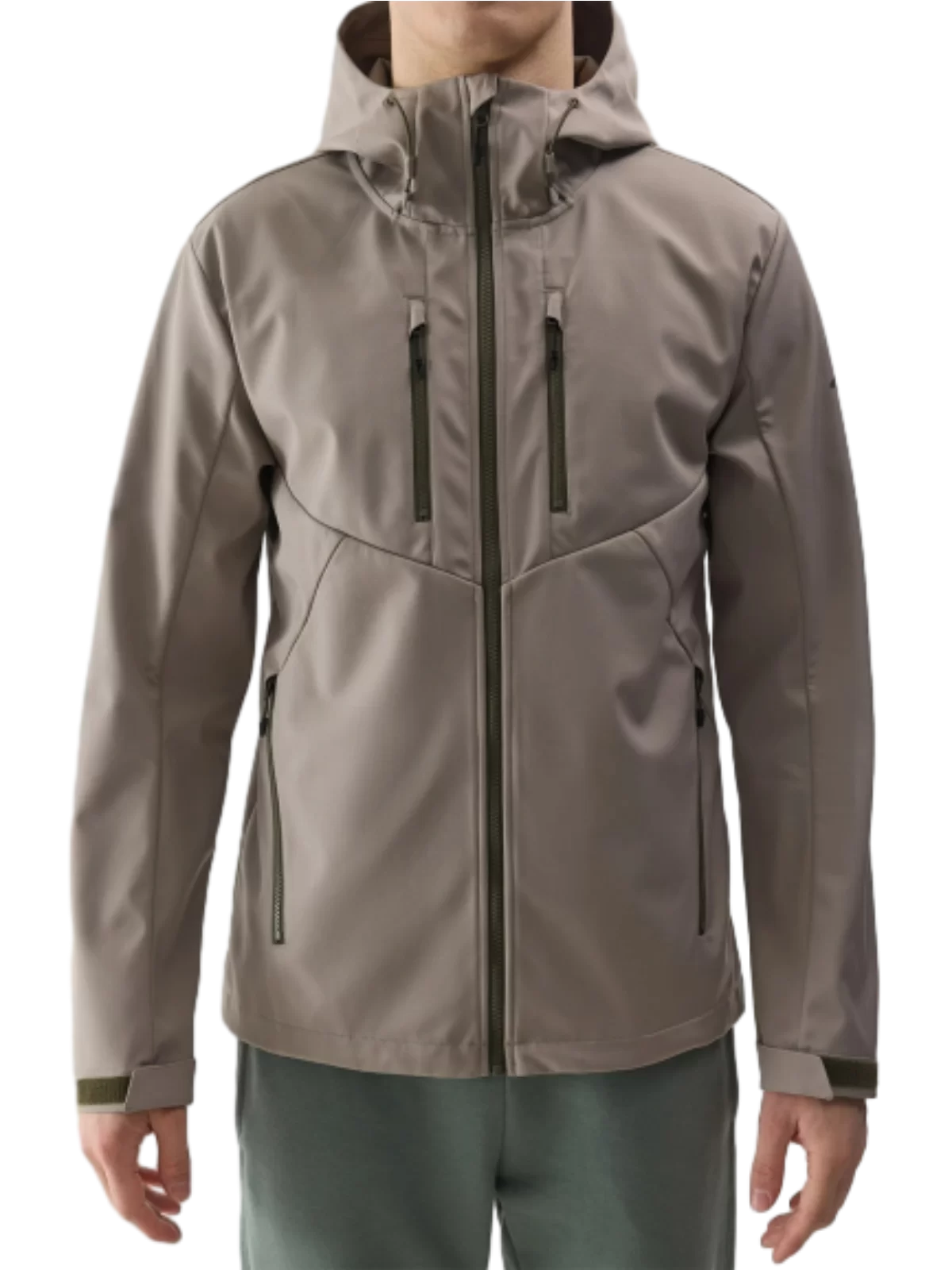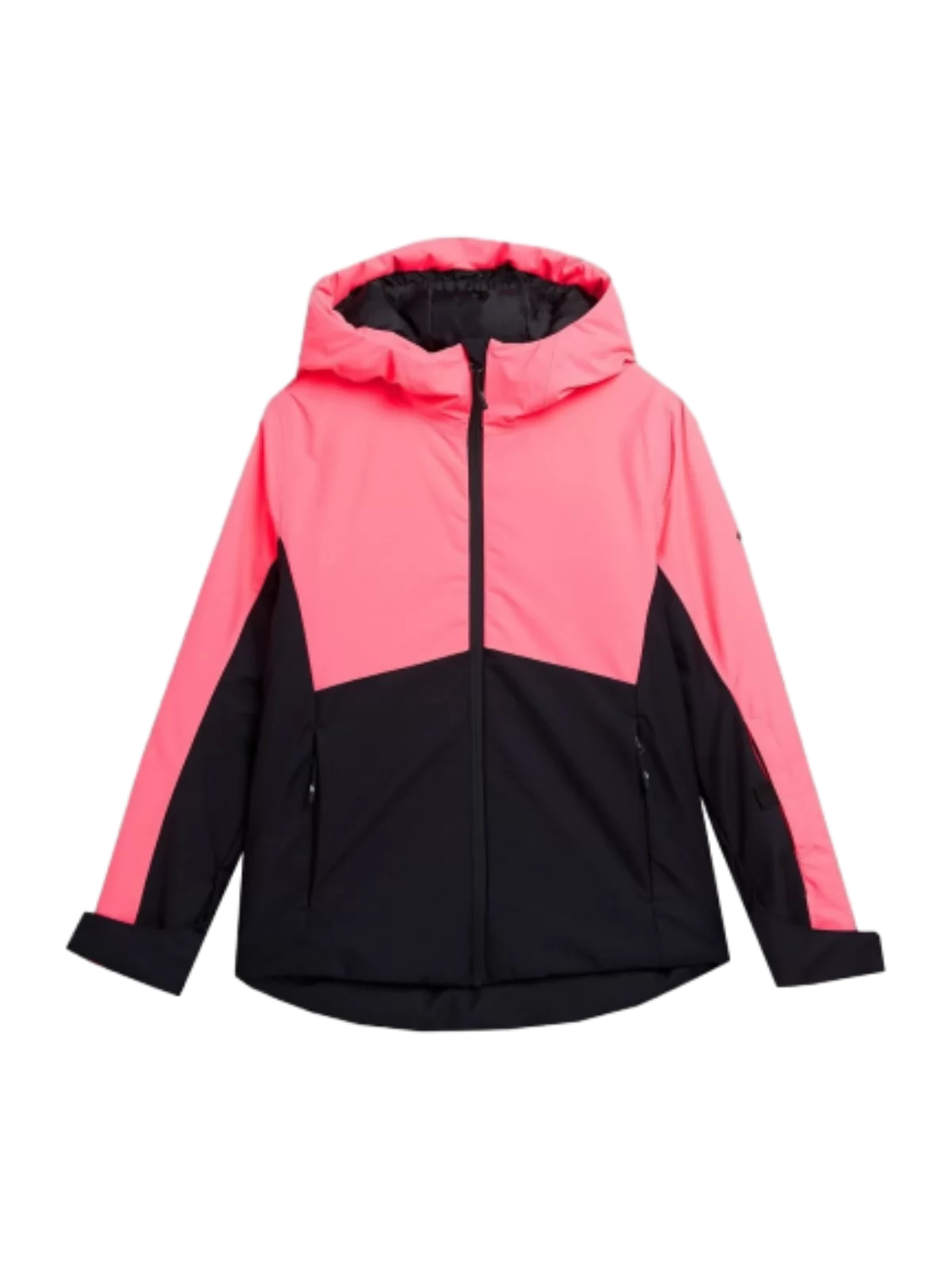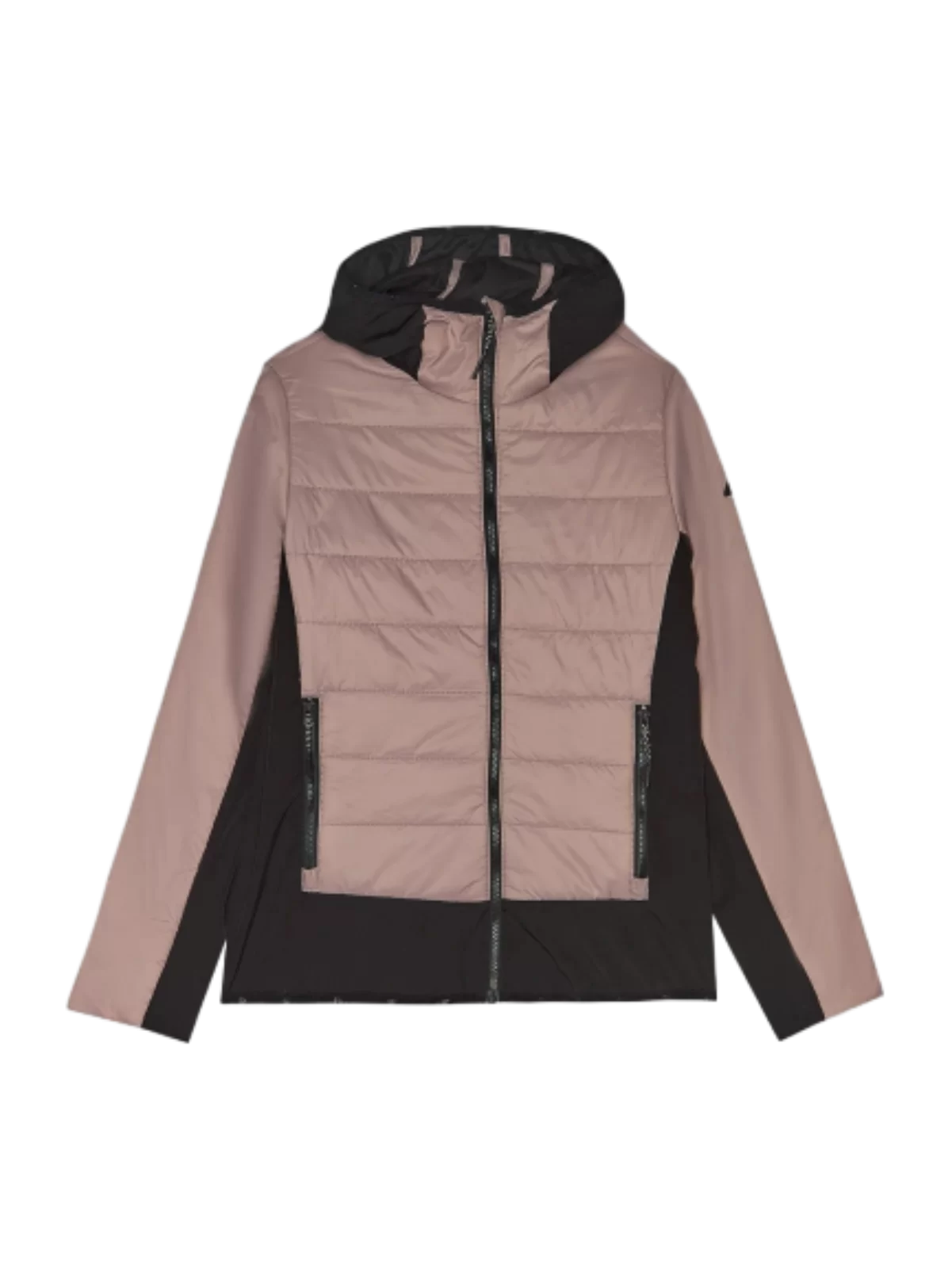
At first glance, a race softshell jacket might just seem like the latest in sporty outerwear—a slick garment designed to keep runners or cyclists comfy during training or competition. But if you stop and think for a moment, you realize it’s a clever solution to a universal problem: how to stay warm, dry, and agile without being weighed down by bulky gear? That's a challenge sports enthusiasts everywhere face—from the Rockies to the Alps, and even in urban marathons in Asia or Europe.
Understanding race softshell jackets means appreciating how modern materials, clever design, and evolving technology come together to meet not only athletic but also environmental and humanitarian needs. From reducing textile waste by creating long-lasting gear to aiding disaster relief teams who rely on durable clothing in tough outdoor conditions, the race softshell jacket matters—perhaps more than it appears.
The outdoor apparel industry—valued at over $14 billion globally according to recent industry reports—is more than just fashion; it plays a vital role in supporting active lifestyles across all continents. Race softshell jackets, in particular, serve as a pivot point between performance and protection, offering users breathable yet weather-resistant clothing that adapts to ever-changing climates and mountainous terrain.
Yet, the challenges are real. Climate variability can turn a routine run into a soggy ordeal. Plus, environmental organizations and humanitarian groups increasingly seek functional gear for volunteers braving harsh weather in relief efforts. That’s where the adaptability and lightweight nature of race softshell jackets come in, addressing the double challenge of comfort and resilience.
Simply put, a race softshell jacket is a specially engineered outer layer designed for athletic events—think road races, mountain biking competitions, or trail running—that balances windproofing, water resistance, and breathability.
Unlike traditional hardshell jackets that rely on impermeable membranes, softshells use tightly woven textiles combined with high-tech coatings to block wind and repel moisture, while letting heat and sweat escape. This makes them excellent for high-intensity sports where overheating can be just as problematic as getting wet.
In a broader sense, the technology and materials behind these jackets connect deeply with modern textile manufacturing, environmental stewardship, and growing demands for garments that perform under pressure—whether athletic or humanitarian.
Durability is non-negotiable in race softshell jackets. They withstand abrasion from backpacks, rough terrain, and repeated washing without losing effectiveness. Advanced fabrics like nylon blends with mechanical stretch help keep structural integrity intact.
The breathability factor prevents sweat buildup, which can cause chilling once activity slows. Fabrics with microporous membranes or knit structures promote airflow and moisture wicking—a double win.
Water-resistant coatings combined with windproof weaves make these jackets reliable shields against unpredictable weather. While not fully waterproof, they keep light rain and winds at bay.
Softshell jackets are designed with close-fitting but flexible cuts to minimize drag and maximize freedom of movement. Ergonomic cuts and minimal bulk make all the difference on race day.
Manufacturers are increasingly focusing on eco-friendly fibers, recycled yarns, and water-saving dyeing techniques. It feels like the industry is slowly waking up to its environmental impact.
| Specification | Typical Range / Feature |
|---|---|
| Material | Nylon/Polyester blend with DWR coating |
| Weight | 250-400 g (8.8–14 oz) |
| Water Resistance | Light rain resistant (not waterproof) |
| Windproof Rating | High – 7000+ Pa |
| Breathability (MVTR) | 5000+ g/m²/24h |
| Fit | Athletic, ergonomic |
| Sustainability | Recycled fibers / eco dyeing options |
| Brand | Price Range | Sustainability Focus | Fit & Comfort | Technology Highlights |
|---|---|---|---|---|
| Brand A | $120-$180 | Recycled polyester, eco dyeing | Ergonomic, stretch fabric | HydroShield DWR, windproof membrane |
| Brand B | $150-$220 | Partial recycled fibers | Slim fit, adjustable cuffs | AirFlow tech, windproof fabric |
| Brand C | $100-$160 | Minimal eco focus yet | Roomy fit, lightweight | DWR coating, wind resistant |
Race softshell jackets shine brightest where conditions can flip in a heartbeat. Outdoor runners in mountainous regions like the Swiss Alps or Colorado Rockies count on them to shrug off morning winds and sudden showers during training or races.
In Asia’s urban marathon circuits, where humidity and temperature fluctuate fast, these jackets help athletes adapt without overheating or feeling clammy.
Oddly, humanitarian aid workers also adopt these jackets on field missions in unstable weather zones. Lightweight, packable, and durable—the race softshell jacket becomes a quiet lifeline when reliability really counts.
Of course, the obvious advantages are weather protection and comfort. But beyond that, race softshell jackets offer long-term value.
Looking ahead, innovations in fabrics incorporating biomimicry and nanotechnology promise materials that self-clean, regulate body temperature dynamically, and have even greater weather resistance without added weight.
Plus, sustainability is moving beyond just recycled content. Circular design models where jackets can be fully recycled or repurposed will become normal. Digital fitting technologies, like 3D scans, will ensure perfect athletic fits, customizing protection like never before.
Despite all this, there are limitations. Softshell jackets can struggle in heavy downpours since they aren’t fully waterproof. Balancing breathability with weather protection is a classic tradeoff.
Manufacturers are experimenting with layered composites and coatings that adapt to conditions, as well as fabrics that maintain stretch and durability after dozens of washes.
While designed to resist light rain and wind, most race softshell jackets aren’t fully waterproof. For heavy rain, pairing with a lightweight hardshell or choosing a hybrid jacket is advisable.
Look for ergonomic or athletic cuts that hug your body without restricting movement. Some brands offer adjustable cuffs and hems to tailor fit and prevent drafts.
Generally, yes! Their breathability and moderate insulation make them great for spring, autumn, and mild winter conditions, especially during activities with continuous movement.
With proper care, these jackets can last several years. Signs to replace include loss of water resistance, fabric pilling, or damage to membranes/coatings.
Yes. Many brands now incorporate recycled materials and use environmentally safe dyes. Look for certifications like bluesign® or GRS (Global Recycled Standard) when choosing.
After all, it’s not just a jacket. It’s the intersection of technology, sustainability, and real-world usability. A race softshell jacket offers athletes and professionals both protection and freedom — a combination that’s hard to beat.
Want to explore the best options tailored to your needs? Visit our website for top picks, latest models, and expert advice. Whether you’re training for your first 5K or gearing up for a mountain expedition, the right race softshell jacket makes all the difference.
In a world of unpredictable weather and active lifestyles, investing in a quality race softshell jacket isn’t just smart—it’s essential.


If you are interested in our products, you can choose to leave your information here, and we will be in touch with you shortly.