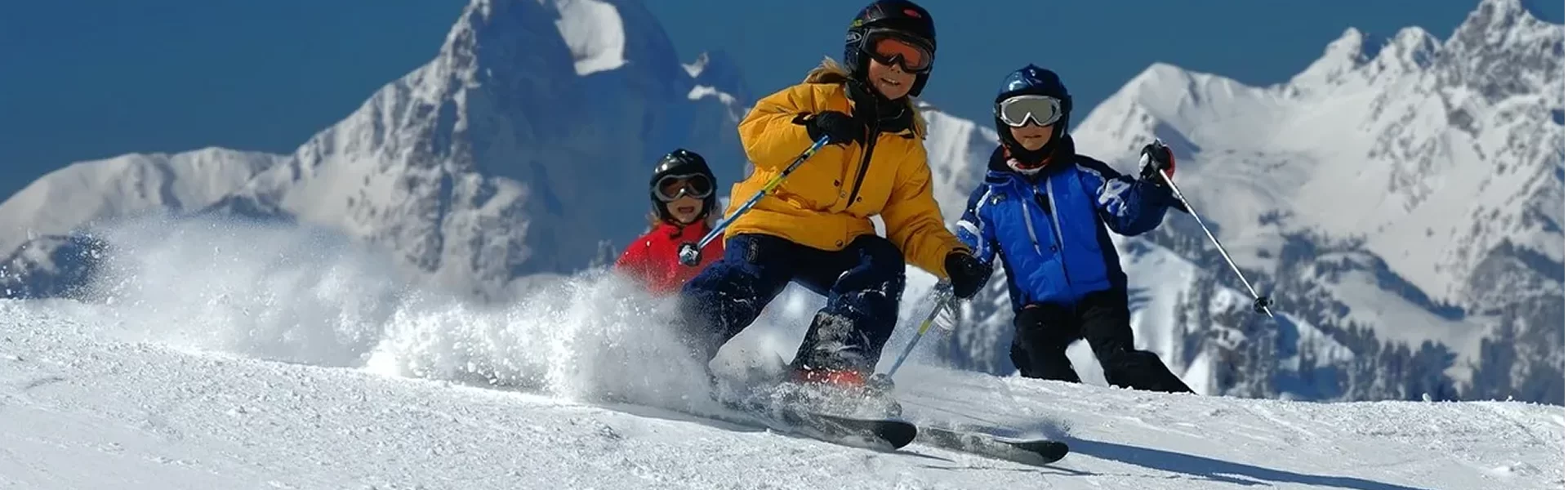
When you think of a “softshell jacket junior,” you probably picture an active kid scooting down a hill or darting through a wet, chilly park. But this item has way more depth than just playground flair. Globally, as climate patterns shift and a new generation grows up with outdoor adventures embedded in their lives, the demand for functional, durable junior softshell jackets is booming. The balance of comfort, weather resistance, and flexibility sits at the heart of why parents, schools, and youth programs prioritize it.
Outdoor clothing for children is more than a trivial expense—it’s a fundamental part of health and safety worldwide. With climate variability increasing extreme weather events (UN climate reports), protecting children from cold winds, rain, and unpredictable temperatures has become essential. Outdoor education programs worldwide report rising enrollment as they encourage kids to connect with nature, and comfortable gear that won’t break down or trap heat is critical. According to a 2022 ISO report on textile performance standards, junior softshell jackets need to meet stricter durability and breathability criteria than ever before, which raises the bar for manufacturers.
That’s a lot packed into a humble jacket, right? The challenge is clear: how to craft outerwear lightweight and breathable enough for active kids, but tough enough to withstand wear, all while adapting to varying climates?
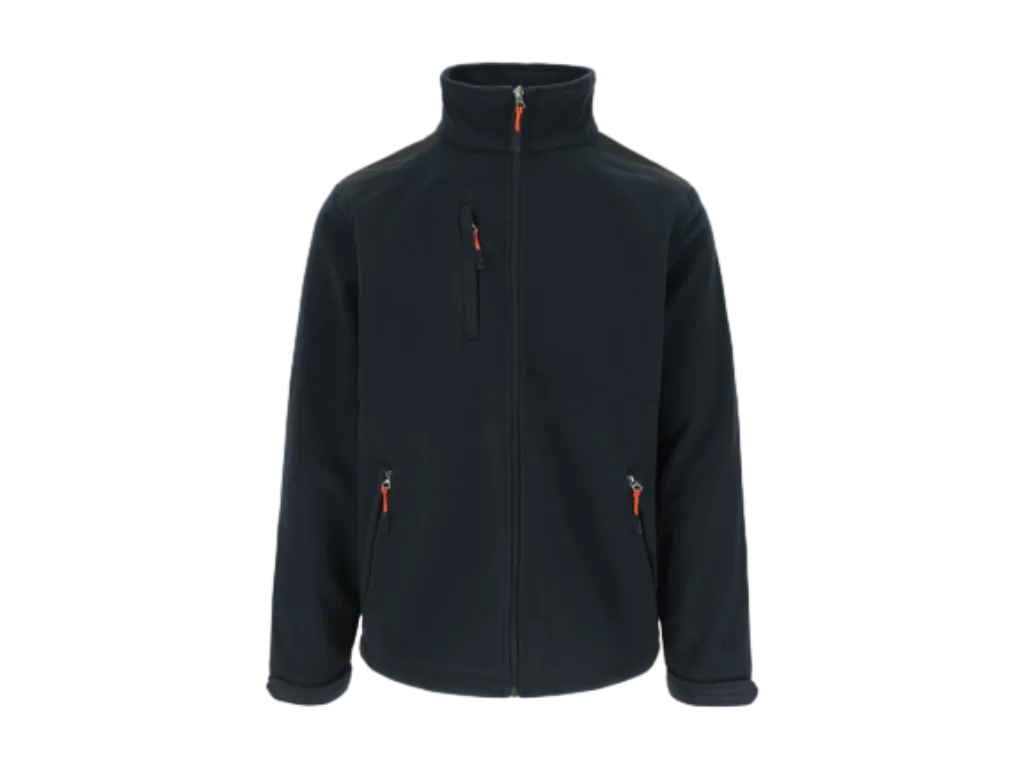
Put simply, a softshell jacket junior is a lightweight outer layer designed primarily for children, creating a balance between protection from wind and rain and allowing freedom of movement. Unlike heavier winter coats or rigid hardshells, softshells typically combine a stretchy outer fabric with a warmer inner lining like fleece. They're made to be breathable and water-resistant rather than fully waterproof, ideal for midseason or active use.
The connection to modern needs is clear: it’s clothing designed for real kids—not mannequins—who need gear tough enough for rough housing and variable weather. It’s also a nod toward sustainability, since better quality means longer use and less waste.
Many juniors can be... well, less than gentle with their clothes. Reinforced stitching and abrasion-resistant fabrics are standards. Fabrics often use polyester or nylon blends with tight weaves that resist snagging but still breathe. Many brands add DWR (durable water repellent) coatings for water resistance which can be refreshed over the jacket’s lifetime.
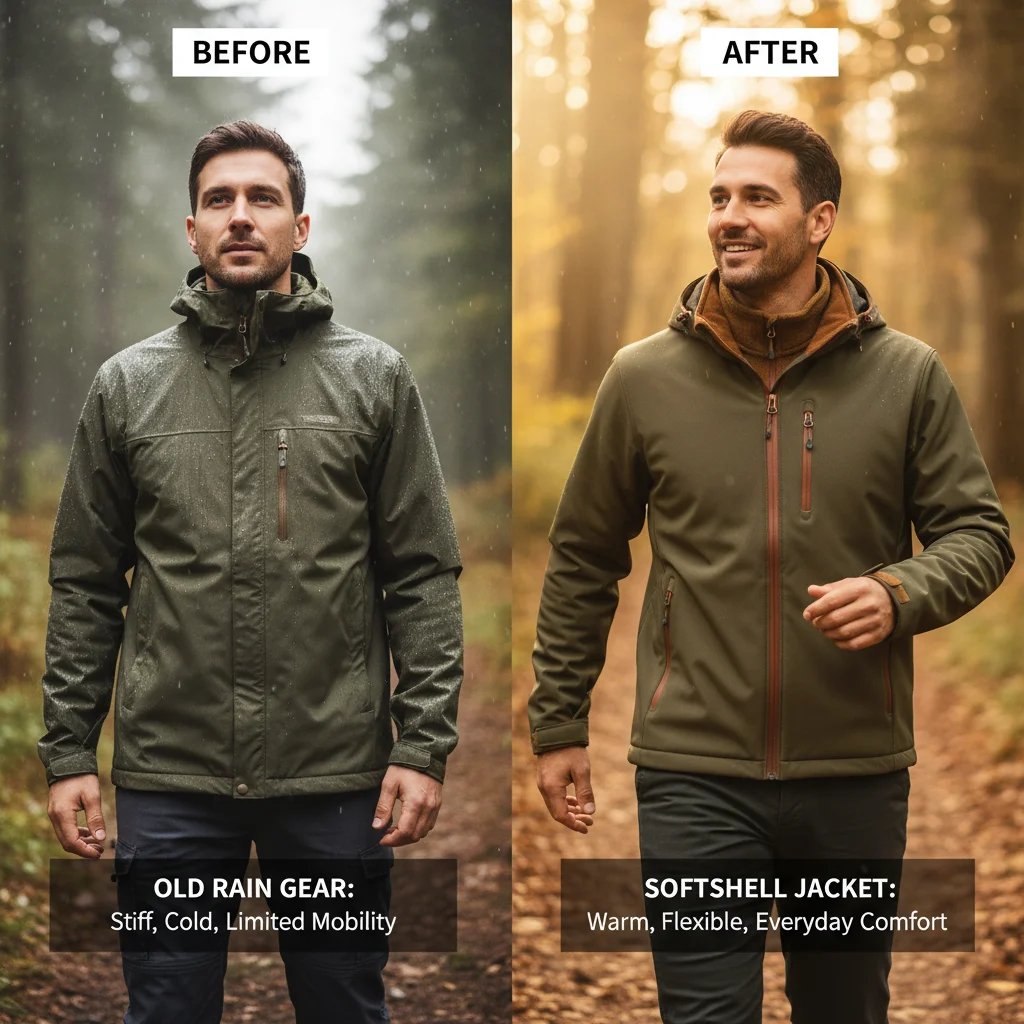
This is where softshells shine compared to hardshells. They let moisture and body heat escape, keeping kids dry from the inside and out. The key is balancing warmth without overheating, essential whether on a chilly hike or biking to school.
Softshells usually aren’t designed for heavy rainstorms but repel light rain and block the wind. Think of it as "weather defensive" rather than "weather proofed." Helmets, hats, or a rain jacket can complement for more extreme weather. Most come with adjustable hoods and elastic or velcro cuffs to keep the breeze out.
Designers focus on movement freedom. Stretch fabrics, articulated elbows, and adjustable hems ensure they grow with the child (or at least last a season). Comfort and ease of putting on or taking off counts big time.
Recycled materials, reduced chemical treatments, and transparency in production increasingly factor into premium juniors’ outdoor collections. It’s a nod to conscious parents thinking about their tiny carbon footprints.
| Feature | Description |
|---|---|
| Material | Polyester / Nylon blend with stretch |
| Water Resistance | Durable water repellent (DWR) coating, typically 2000 – 8000 mm water column |
| Breathability | 5000 – 10,000 g/m²/24h moisture vapor transfer rate |
| Lining | Soft fleece or brushed tricot |
| Weight | 300 – 500 grams depending on size |
| Sizes | Typically 4-14 years, adjustable hems and cuffs |
Mini takeaway: The junior softshell jacket integrates protection, breathability, and movement flexibility, wrapped in durable, weather-resistant materials tailored for active kids.
| Brand | Sustainability | Price Range (USD) | Water Resistance | Additional Features |
|---|---|---|---|---|
| Acme Kids | Recycled polyester, PFC-free DWR | $50–$70 | Highly water-resistant | Reflective trims, adjustable hood |
| Summit Tykes | Mixed materials, standard DWR | $40–$65 | Moderate water resistance | Stretch panels, stash pocket |
| Outdoor Buddy | Organic cotton blends | $60–$80 | Water repellent but not waterproof | Fleece lining, detachable hood |
Softshell jackets tailored for juniors are especially popular in regions where outdoor activities are part of daily life or education. Scandinavian countries, with their intense outdoor schooling programs—even in winter—demand layers that are breathable, windproof, and easy to maintain. Similarly, parts of Canada and the northern US rely on these jackets as ideal spring/autumn wear for kids in climates shifting unpredictably year to year (Canadian government climate data).
In humanitarian and post-disaster scenarios too, organizations often distribute softshell jackets to children for warmth and protection during transitional housing stays. Their light yet protective nature makes them more practical than bulky parkas in relief shelters.
Even urban youth programs, promoting after-school activities, appreciate the balance of style and function that these jackets provide, bridging the gaps between casual streetwear and outdoor gear.
When I see a kid happily climbing a tree in a softshell, it reminds me that real innovation is about subtle balance—protection without bulk, warmth without sweat.
Looking forward, expect more smart textiles in softshells—think moisture-sensing fabrics that adjust insulation or built-in UV protection layers for sunny days. Brands invest heavily in sustainable fashion initiatives, using recycled ocean plastics and bio-based water repellent finishes. Digitally integrated size-fitting tools and customization also will let parents order perfectly tailored jackets for their growing kids, reducing returns and waste.
Despite advances, softshell jacket juniors sometimes struggle in truly wet or snowy conditions. Parents often combine them with rain jackets or snowsuits. Finding the sweet spot between cost and sustainability is also a challenge—the best recycled materials aren’t always the cheapest, so it’s about balancing budgets and eco-conscience.
Luckily, modular design (removable liners, zip-in hoods) and careful fabric treatment tech are helping vendors meet these needs with less compromise.
A softshell jacket junior offers greater breathability, flexibility, and moderate weather resistance, making it ideal for active children who need warmth without overheating. Unlike rigid raincoats, softshells allow moisture from sweat to escape, preventing discomfort during play.
Washing with mild detergent and avoiding fabric softeners helps preserve the Durable Water Repellent (DWR) finish. Occasional reapplication of eco-friendly waterproof sprays keeps the jacket performing well season after season.
Generally, junior softshell jackets provide ideal protection in mild to cool conditions. For harsh winter weather, layering with insulated garments or choosing a specialized winter coat may be necessary.
Yes, many vendors offer embroidery or printing options, making softshell jackets popular among schools and youth sports teams who want durable, weather-ready uniforms.
Reliable options include outdoor-apparels.com offering a range of softshells designed specifically for children with sustainable materials and multiple style options.
Ultimately, a softshell jacket junior is more than just a piece of clothing. It’s an investment in your kid’s comfort, health, and confidence when they step outdoors — whether it’s a backyard adventure or part of a big school field trip in the fall. Durable, adaptable, and increasingly sustainable, it’s a classic case of good design meeting real-world needs.
Curious to explore the latest styles and eco-friendly choices? Visit our website and find the perfect match your junior explorer deserves.
Mini takeaway: Smart, breathable, and sustainably made—the softshell jacket junior keeps pace with kids and our changing planet.
If you are interested in our products, you can choose to leave your information here, and we will be in touch with you shortly.