When you hear “urban softshell jacket,” you might picture something sleek, casual, and perfect for city strolls — but this gear actually means a lot more on a global scale. With climate unpredictability increasing and urban lifestyles demanding versatile outerwear, understanding what makes these jackets special isn’t just fashion trivia; it’s a window into how technology and material science meet everyday needs.
Urban environments worldwide face a unique set of challenges: sudden weather changes, pollution, and the need for functional yet comfortable clothing. According to the United Nations, over 55% of the world’s population now lives in cities (UN DESA, 2022), up from less than 30% in 1950. This exploding urbanization makes adaptable outdoor wear essential. Enter the urban softshell jacket — designed for the unpredictable, balancing protection without bulk. As cities get more congested and climates more erratic, these jackets respond to a real challenge: staying comfortable and dry with style.
Softshell jackets aren’t just about staying warm or dry. They address the discomfort urban commuters feel while cycling or walking through rain-slick streets and smoggy air, offering breathability and minimal weight — something that traditional hard-shell gear doesn’t always balance well.
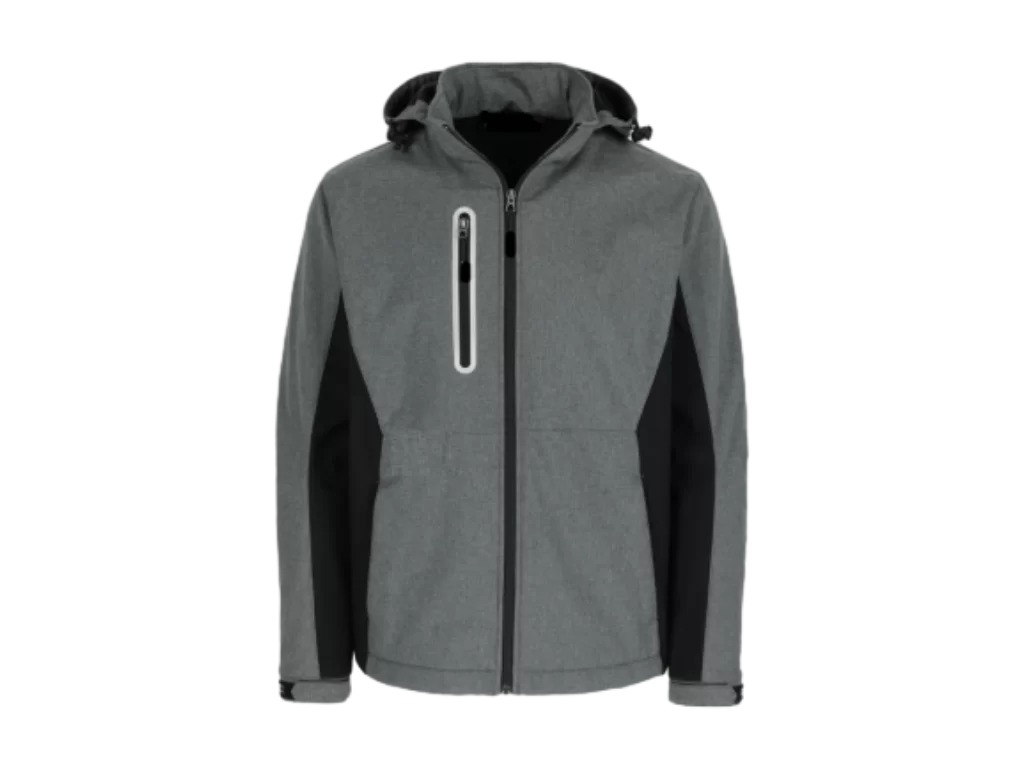
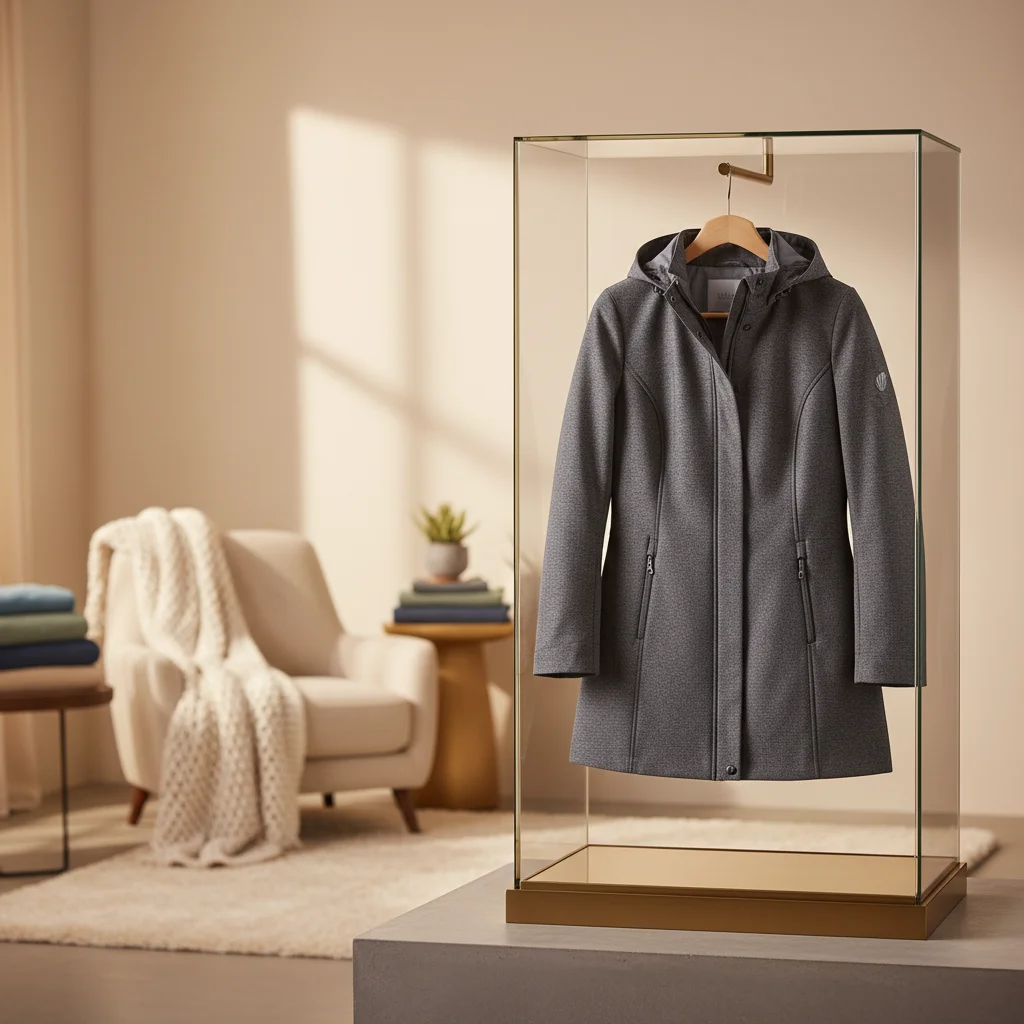
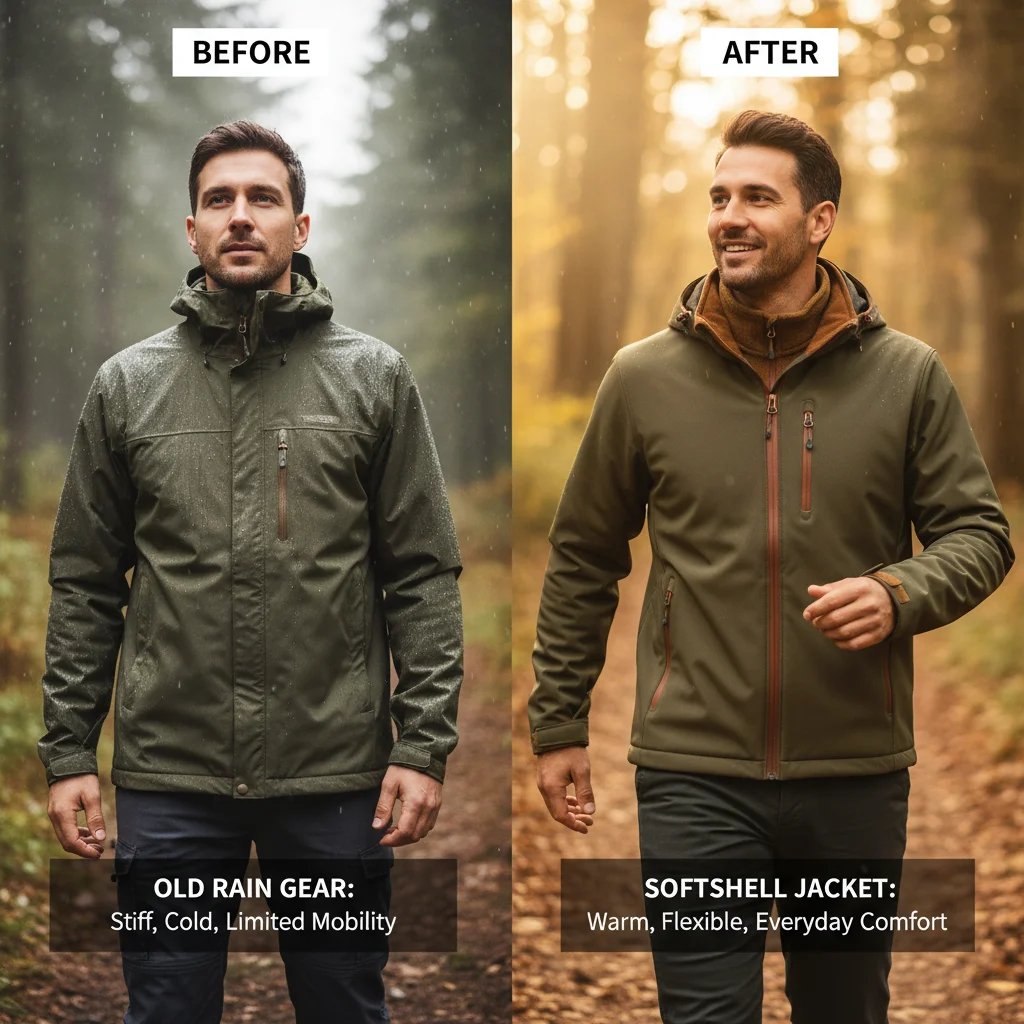
At its core, an urban softshell jacket is a jacket made from a woven, stretchy fabric that combines water resistance with breathability—perfect for active wearers who need freedom of movement and lightweight protection. Unlike heavy raincoats or bulky insulated parkas, softshell jackets offer semi-protection against wind and light rain but excel in comfort and style, often with sleek, minimalist designs suited to contemporary city life.
Think of it as the “Goldilocks” solution for many urbanites — not too heavy, not too light, just right for fluctuating daily conditions. Plus, they incorporate materials and technologies developed for industry and outdoor performance — like polyamide blends with DWR (Durable Water Repellent) coatings — adapted for everyday wear.
These jackets withstand daily wear and tear without quickly losing shape or performance. The dense weave resists abrasion from backpacks, bikes, or just busting through crowded streets — a must for urban explorers and cyclists.
Thanks to DWR coatings and innovative membrane layers, softshells shed light rain effectively, making them ideal for the kind of drizzle city dwellers face—enough to stay dry without overheating.
Unlike rubberized raincoats that trap sweat, these jackets allow perspiration to escape, reducing clamminess during bike rides or brisk walks. That balance is key since over 50% of urban trips are shorter than three kilometers (ISO Urban Mobility Report, 2023) but paced enough to work up a sweat.
Manufacturers mix comfort with sleekness by employing stretch fabrics and ergonomic seams. It’s a nod to how urban wearers increasingly demand pieces that feel at home in offices and on sidewalks alike.
Being easy to fold and stow means having protection on hand without lugging around cumbersome coats — no small feat for city commuters juggling bags, gadgets, and groceries.
Look from the foggy streets of London to the rainy alleys of Tokyo and the brisk pathways of New York, and you’ll find urban softshell jackets gaining fans. Even in emerging megacities like Jakarta or Lagos, these jackets help people deal with humid weather and unexpected showers without sweat or soggy clothes.
Industries benefiting from these jackets go beyond casual wear: delivery services, urban forestry staff, and even emergency responders in mild climate zones often use softshell jackets due to their flexible protection. In humanitarian scenarios, too, their adaptability means aid workers can stay agile when rapid response in changing urban environments is vital.
For example, a courier service in Berlin recently switched its entire fleet to branded, water-resistant softshell jackets, noting reduced sick days and improved staff morale — proof that practicality pays off.
| Specification | Typical Range / Feature |
|---|---|
| Material | Polyamide-Spandex Blend (90-95% Polyamide, 5-10% Elastane) |
| Water Resistance | DWR Coating, Resistant up to 5,000 mm water column |
| Breathability | 5,000–10,000 g/m²/24h |
| Weight | 350–450 grams depending on size |
| Temperature Range | 5°C to 15°C (Layer-dependent) |
| Special Features | Wind-resistant, Stretch panels, Adjustable hood |
| Brand | Price Range (USD) | Water Resistance | Style Focus | Sustainability Efforts |
|---|---|---|---|---|
| Brand A | $120-$180 | Up to 8,000 mm | Urban minimalism | Recycled fibers used |
| Brand B | $150-$220 | 5,000 mm | Sport-casual | Fair labor certification |
| Brand C | $90-$140 | 3,500 mm | Trendy, colorful | Limited eco fabrics |
Choosing an urban softshell jacket isn’t just about a neat silhouette on a chilly morning — it’s about a reliable partner for unpredictable urban life. Long-term, these jackets prove cost-effective: reducing the need for multiple layers or the constant replacement of cheap rainwear. Many users mention the emotional comfort of feeling prepared but comfortable, which is surprisingly important when rushing through a busy metropolis.
From a sustainability point of view, many brands now source recycled materials, keeping waste out of landfills and climate impact low. That feeling of wearing something that respects the environment adds an intangible value that can sway many buyers.
Innovation keeps knocking. There’s ongoing research into nanotechnology coatings that could make jackets even more water-repellent without sacrificing breathability. Smart textiles capable of monitoring body temperature or adapting insulation dynamically might soon become standard fare. Also, the push for circular economy models means we’ll see “take-back” programs for old jackets, reducing waste and encouraging reuse.
Digital transformation is also on the horizon: imagine a smart urban softshell jacket that connects with your phone to track weather changes, or even unlocks your bike lock. It feels futuristic, but pilot projects are already in place.
No product is perfect. Sometimes softshells don’t cut it in heavy rain or extreme cold — which means layering or alternative gear is still necessary. Breathability can be a tradeoff with water resistance, requiring ongoing material research. Plus, price points can be prohibitive for some consumers.
The solution here often lies in education — knowing when and how to use your jacket — plus brands pushing innovation on hybrid materials or variable insulation. Also, expanding affordable options without compromising quality will be key as more people seek sustainable urban wear.
In a nutshell, the urban softshell jacket is more than just an item of clothing—it’s a convergence of science, style, and practical need in our fast-paced city lives. It does what heavier outdoor gear can’t: provides light protection, breathability, and adaptability, all while fitting seamlessly into everyday wear. Whether you’re commuting, running errands, or cycling through unpredictable weather, this jacket answers the call.
Interested in exploring the latest designs and tech? Visit our urban softshell jacket collection to find your perfect fit for the city streets ahead.
If you are interested in our products, you can choose to leave your information here, and we will be in touch with you shortly.