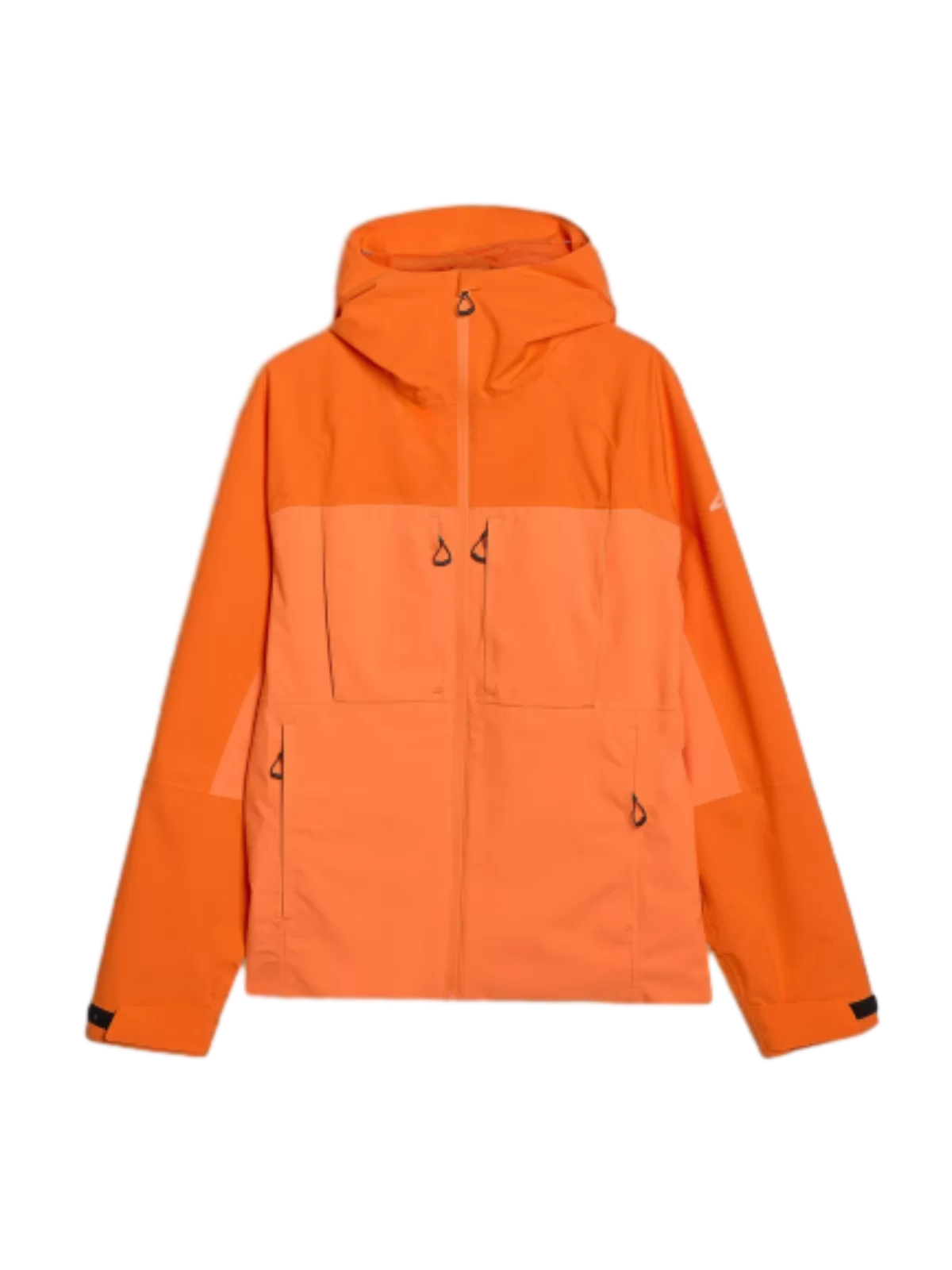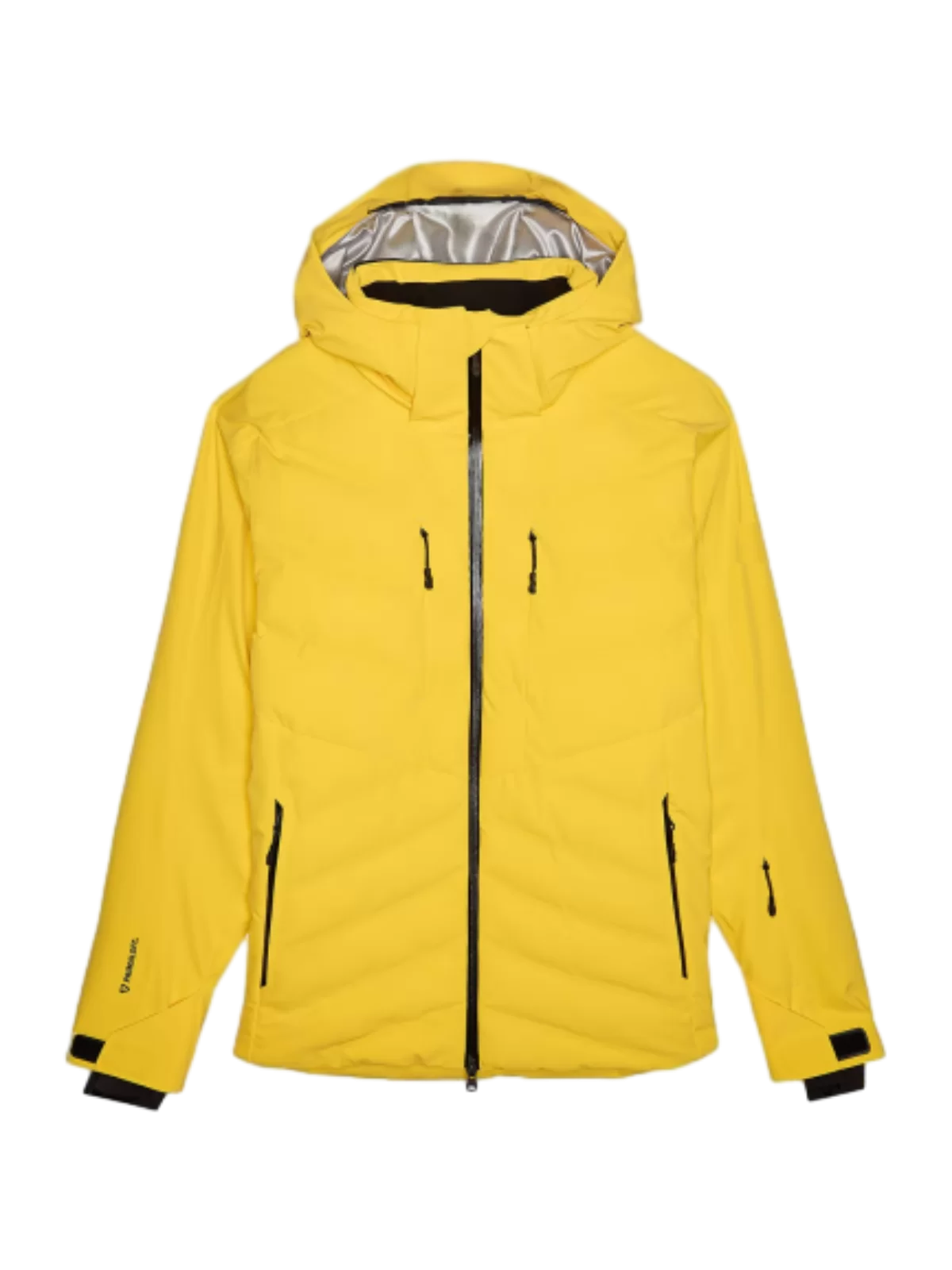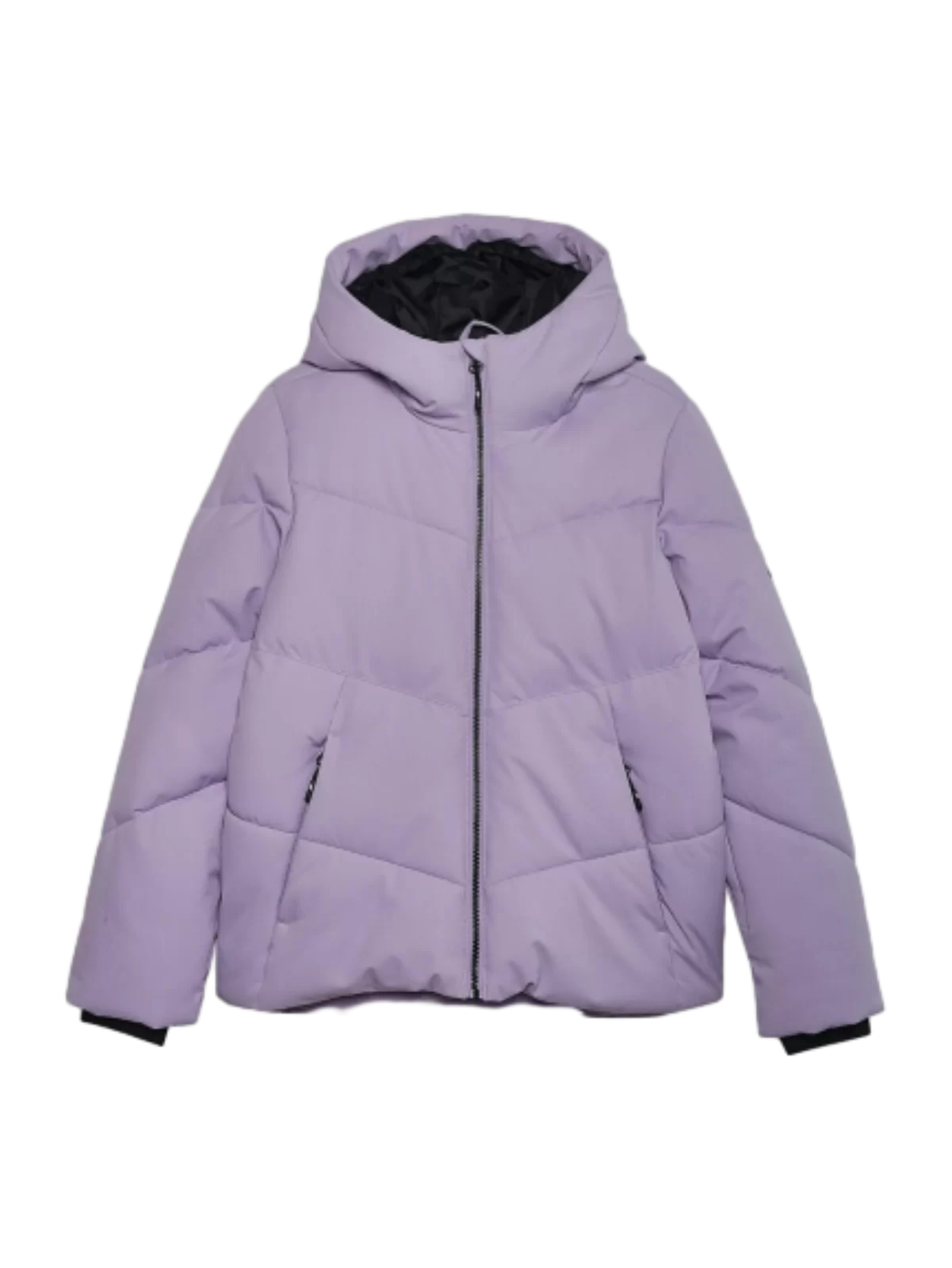
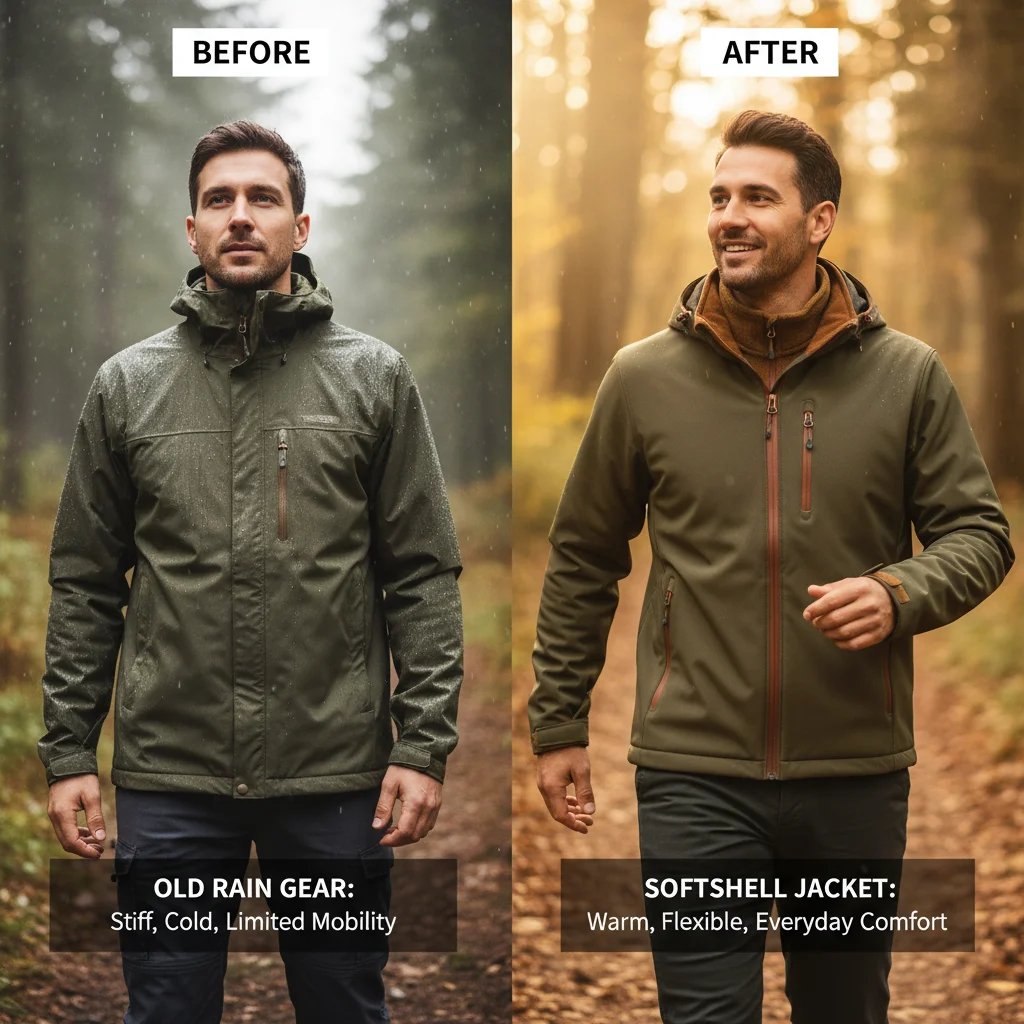
Softshell jackets have become almost synonymous with outdoor versatility, offering an ideal balance between protection and comfort. Behind these popular garments is an often overlooked but crucial industry player: the softshell jacket supplier. Globally, as lifestyles and work environments shift toward more active and unpredictable settings, the role of reliable suppliers grows increasingly important. Knowing what a softshell jacket supplier does, and why choosing one wisely matters, can affect everything from product quality to sustainability. It’s not just fashion—it’s functionality meeting global demand.
Did you know that the outdoor apparel market is projected to exceed $22 billion worldwide by 2027, according to industry forecasts? (1) That’s no small number. Softshell jackets are part of this surge, favored for their adaptability—from urban commuters caught in erratic weather, to professionals in remote industries requiring durable gear.
Yet, there’s a challenge that nearly every company faces: finding trustworthy softshell jacket supplier partners who can deliver consistent quality, innovate with fabric technology, and keep up with sustainability expectations. This problem isn't just financial—it ripples into social impact and environmental footprint.
Simply put, a softshell jacket supplier is the company or entity responsible for manufacturing, sourcing, and delivering softshell jackets to retailers, brands, or direct customers. These suppliers can range from fabric mills producing high-performance textiles to factories assembling finished garments. Their role intertwines with innovation, logistics, and quality control—crucial for meeting the modern industry’s expectations.
On a broader level, softshell jacket suppliers contribute significantly to humanitarian efforts—enabling NGOs and aid agencies to equip staff and affected populations with protective clothing that balances warmth, breathability, and water resistance. This practical aspect adds a layer of social value to their work.
Softshell jackets need to withstand real-world rigors—abrasion, wind, occasional moisture. A reputable supplier prioritizes robust fabrics like polyester blends with elastane for stretch, paired with durable water repellent (DWR) finishes. Many engineers say the test fabrics undergo includes ISO 105-B02 for colorfastness and ISO 13934-1 for tensile strength, according to textile standards (2).
Whether you’re a small brand or a large retailer, the ability of a supplier to handle your order volume without compromising quality is crucial. A flexible supplier might offer small-batch runs as well as mass production—plus the ability to adapt quickly to design tweaks.
Finding the sweet spot between cost and quality requires transparent pricing. Often, suppliers with deep industry ties can offer better raw material costs, yet you want to avoid corners cut on key construction elements like seam sealing or zippers (YKK is a popular & reliable brand among suppliers).
With growing environmental regulations and consumer consciousness, many suppliers now shift towards eco-friendly fabrics—like recycled polyester—and reduce chemical usage. Certifications such as Bluesign or OEKO-TEX are increasingly table stakes for suppliers wanting to stay relevant.
From integrating removable liners to offering advanced breathability membranes, the best suppliers stay ahead by collaborating on new materials or tailoring designs to client needs. This adaptability means a supplier is more a partner than just a vendor.
Softshell jackets find homes everywhere. Let’s look at where suppliers are making real-world impacts:
Regions with harsh climates or uneven access to reliable apparel depend especially on trusted suppliers to maintain supply chains under pressure.
Choosing the right softshell jacket supplier isn’t just a checkbox exercise; it’s an investment with cascading benefits:
Emotionally, workers feel more valued with gear that “works” without hampering movement or comfort. Innovation here sometimes feels less like tech and more like common-sense elevation of everyday needs.
Looking ahead, a few trends are shaping supplier priorities:
Emerging government policies tightening chemical usage also push suppliers to innovate in chemicals and finishes.
Not everything is smooth sailing. Some common hurdles:
Solutions often come from diversification—sourcing from multiple regions, investing in local manufacturing hubs, and collaborative R&D with brands eager to push standards.
Q1: What should I look for when choosing a softshell jacket supplier?
A1: Focus on their material quality, certifications (e.g., OEKO-TEX), manufacturing capacity, and sustainability credentials. Also, ask for references or previous client examples to judge reliability.
Q2: Can softshell jacket suppliers customize designs for my brand?
A2: Yes, many suppliers offer customization options—from fabric selection to logo placement. Confirm the minimum order quantities and lead times beforehand.
Q3: How important are sustainability certifications in supplier selection?
A3: Very important. Certifications like Bluesign or GRS (Global Recycled Standard) signal an environmentally responsible manufacturing process, increasingly expected by consumers.
Q4: How do suppliers ensure jacket durability?
A4: By using tested and certified materials, reinforced stitching, quality-controlled assembly, and applying durable water repellent finishes. Always ask to see test reports.
| Feature | Details |
|---|---|
| Material | Polyester/Elastane Blend with DWR coating |
| Weight | 400-500g (varies by size) |
| Water Resistance | Durable Water Repellent (DWR) finish, Not fully waterproof |
| Breathability | Highly breathable fabric for moisture wicking |
| Color Options | Varies, typically 5-10 standard colors with customization available |
| Supplier | Lead Time | Sustainability Certifications | Minimum Order Qty | Custom Options |
|---|---|---|---|---|
| MT Outdoor Gear | 6-8 weeks | Bluesign, OEKO-TEX | 500 units | Yes, embroidery & fabric prints |
| Atlas Textiles | 4-6 weeks | GRS, Bluesign | 1000 units | Limited custom fabric options |
| EcoWear Suppliers | 8-10 weeks | 100% Recycled Materials Certification | 300 units | Full customization available |
The world of softshell jacket suppliers is more layered than one might initially suspect. It's a blend of high-tech textiles, global logistics, sustainability, and a touch of human need—helping people stay comfortable in unpredictable conditions. Good supplier partnerships aren't just about business; they’re about trust, innovation, and a commitment to quality that ripples out to workers, adventurers, and even disaster relief heroes.
If you’re looking to source smart, durable, and ethical softshell jackets, make sure to connect with trusted softshell jacket suppliers who can support your vision and values.

If you are interested in our products, you can choose to leave your information here, and we will be in touch with you shortly.