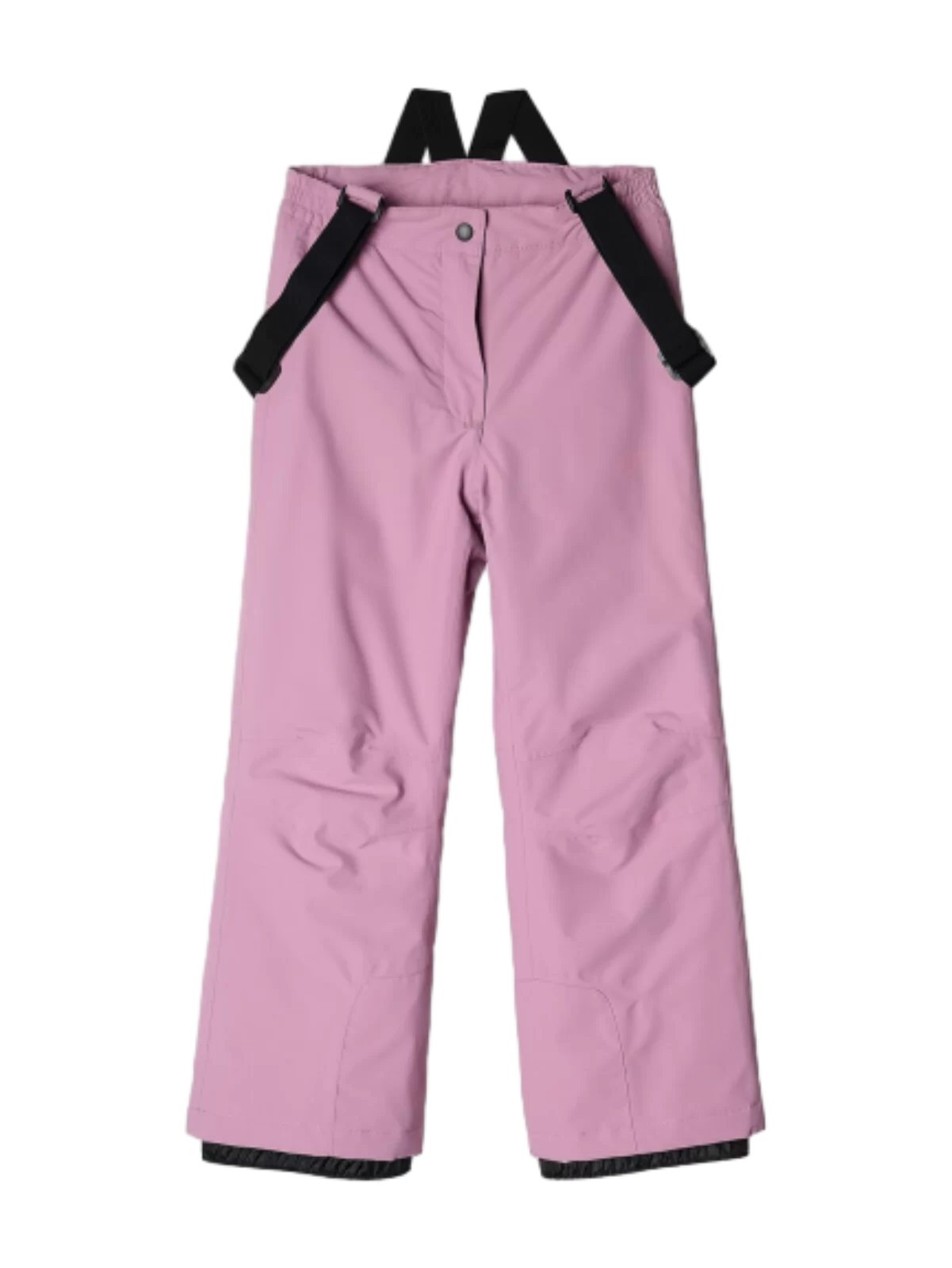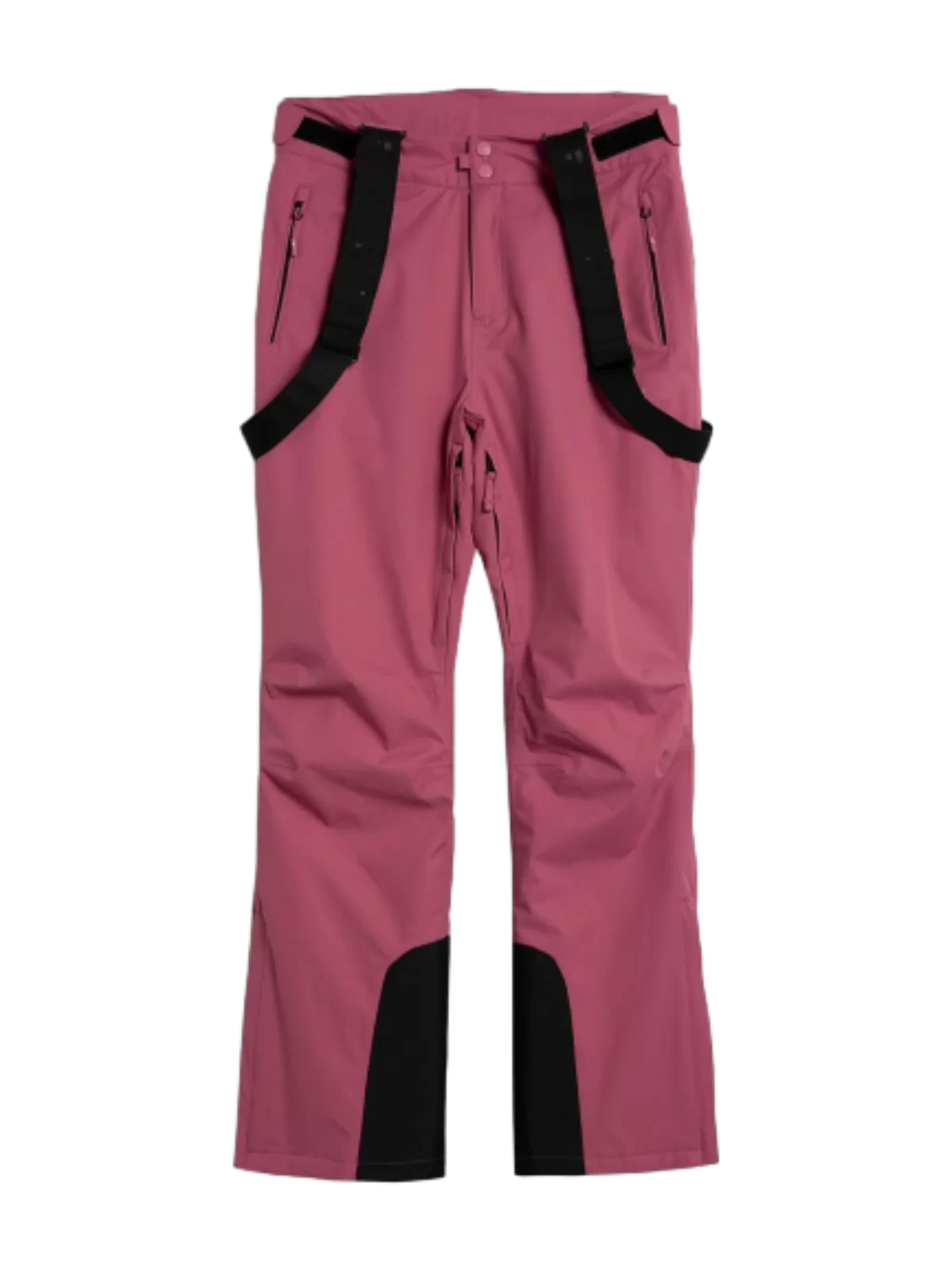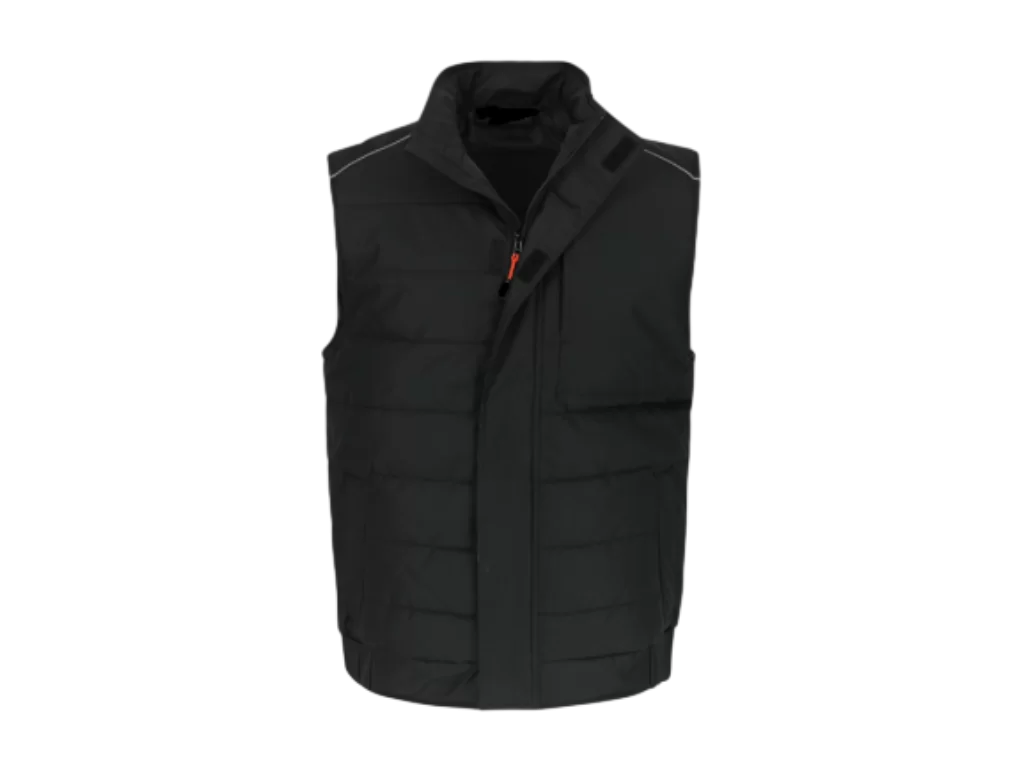
If you've ever found yourself caught in a sudden downpour during a hike or wrestling with layering options on a chilly, windy day, you’ve probably wondered which type of jacket you needed — the softshell or the hardshell? The softshell jacket vs hardshell debate isn't just about fashion or fleeting trends. It’s a global conversation rooted in the evolving demands of outdoor performance, sustainability, and even humanitarian work. As outdoor activities surge worldwide — think: 145 million annual hiking participants in the US alone (Outdoor Industry Association, 2023) — understanding these jacket types helps consumers, professionals, and organizations make smarter, more durable choices.
Globally, the outdoor apparel market has grown to be worth more than $20 billion, driven largely by climate awareness, recreation, and even occupational needs in harsh environments. It might surprise some that the right shell can affect not only comfort but safety and resource use too.
Climate extremes are escalating, and ISO standards push for better protection wear. The UN Environment Programme emphasizes sustainable materials in apparel, a niche where softshell and hardshell jackets play a pivotal role. In fact, waterproof garment demand grew about 6% annually worldwide from 2018 to 2023, largely due to more frequent storms and outdoor workforce needs.
With affordable fast fashion clogging landfills, the choice between softshell and hardshell jackets also links directly to sustainability and longevity. But here’s the challenge: they serve different purposes, so picking the right one means balancing protection, breathability, weight, and even cost. Worth digging into.
At heart, both jackets are engineered to keep you comfortable and protected, but their designs and functions diverge.
In modern industries — whether outdoor professions, emergency response teams, or NGOs operating in harsh environments — this distinction can mean the difference between a damp, cold day and sustained protection.
Hardshell jackets generally use tough outer layers designed to resist abrasion and tearing. Softshells, while durable for everyday wear, may wear out faster under heavy use or rough environments.
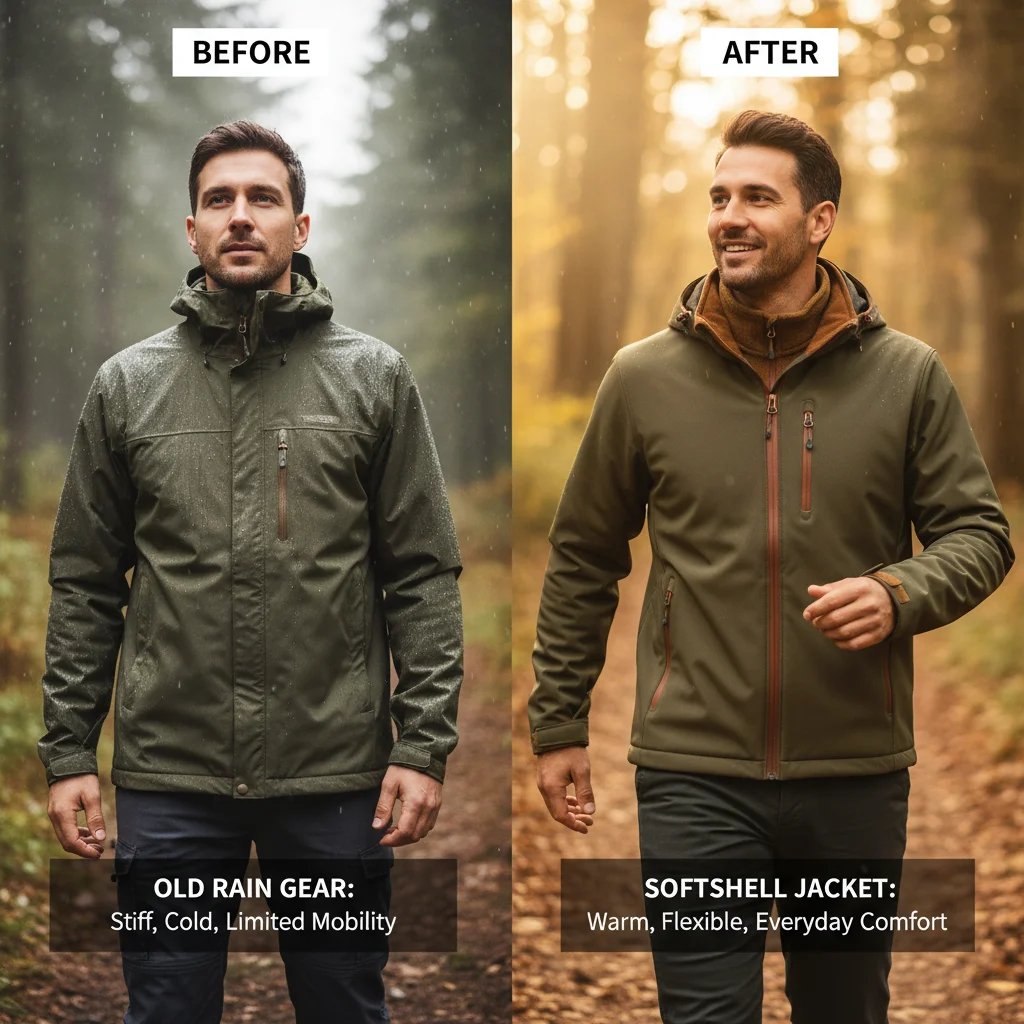
Softshells outshine hardshells in breathability, making them excellent for high-exertion activities. Hardshells tend to trap more heat unless specifically designed with venting systems.
Here’s where hardshells shine — their waterproof membranes handle heavy rain and snow with relative ease. Softshells repel light moisture but won’t keep you dry in pouring rain for long.
Softshells are generally lighter and pack down smaller, great for multi-layer systems. Hardshells, with their membranes and coatings, often add bulk.
Softshell jackets typically cost less than hardshells due to simpler construction and materials, which can matter when outfitting teams or buying multiple units.
| Feature | Softshell Jacket | Hardshell Jacket |
|---|---|---|
| Water Resistance | Light to moderate (DWR coating) | Fully waterproof (membranes like Gore-Tex) |
| Breathability | High - excellent air permeability | Moderate - often requires vents |
| Flexibility | High - stretchy fabric | Low - stiffer materials |
| Weight | Light to medium | Medium to heavy |
| Durability | Good for general use | Excellent for harsh conditions |
| Typical Uses | Mild to moderate weather, active sports | Heavy rain, alpine, rescue operations |
In real terms, the softshell jacket vs hardshell choice varies widely across regions and sectors:
For example, in the Norwegian mountains, rescue teams switch between jackets depending on the season—hardshells in the brutal winter storms, softshells in shoulder seasons where mobility is key. Meanwhile, in sub-Saharan Africa, softshells are often favored for their breathability but are supplemented with hardshells in rainy months.
Mini takeaway: The decision isn't ‘better or worse’ but about 'fit for purpose’—knowing your environment and activity is key.
These jackets offer more than just weather protection. Consider these value points:
I’m fascinated by next-gen hybrid fabrics combining the flexibility of softshells with near waterproof protection. Innovations include graphene-infused membranes, bio-based materials, and “smart” textiles adjusting breathability dynamically.
Policy-wise, ISO is pushing standards around fair labor and sustainability certifications. Digital transformation means better sizing and customization through 3D scanning, reducing waste.
Automation in manufacturing might help bring prices down while improving quality. Oddly enough, sometimes the most high-tech jacket you can wear looks surprisingly simple.
No shell is perfect. Softshells falter in heavy rain; hardshells can leave you sweating. Layering systems are often the workaround, but that can get complicated.
Another snag: Environmental impact from water-repellent chemicals (like PFAS) used in treatment. Thankfully, brands are pivoting to eco-friendly alternatives.
Experts suggest training consumers on proper care to extend jacket life and improve performance. It’s a mix of technology and user knowledge.
| Brand | Softshell Focus | Hardshell Options | Sustainability Initiatives | Price Range (USD) |
|---|---|---|---|---|
| Arc’teryx | Premium softshell jackets with high breathability | Industry-leading hardshells with Gore-Tex | Bluesign® approved materials; recycling program | $250 - $700 |
| Patagonia | Softshells with recycled fabrics and fair trade | Hardshells often PFC-free; environmental focus | Recycled and organic fibers; Worn Wear program | $200 - $600 |
| The North Face | Range of softshells, often geared toward casual wear | Robust hardshell lineup with DryVent technology | Sustainable product lines expanding annually | $150 - $500 |
Softshells offer some water resistance but are not designed for prolonged wet conditions. For heavy rain, a hardshell jacket with a waterproof membrane is advisable to stay dry and comfortable.
Yes, hardshells tend to be less stretchy, so they can feel restrictive during high-exertion activities. Softshells are generally preferred for their flexibility, though newer hardshell designs try to improve mobility.
Many outdoor enthusiasts and professionals recommend owning both. It allows you to adapt to varying weather and activity demands while maximizing comfort and protection.
Follow manufacturer instructions: wash gently, avoid fabric softeners, regularly reapply waterproof treatments on hardshells, and store in a dry place. Proper care can add years of reliable use.
Increasingly so. Brands are innovating with recycled fabrics and PFC-free waterproof coatings, though the adoption varies widely—check product info if sustainability is a priority.
Comparing softshell jacket vs hardshell boils down to your environment, activity level, and even your values. Whether you prize breathability and flexibility or waterproof protection and durability, knowing the core differences means you won’t be caught unprepared next time the weather turns. That’s the kind of insight that makes outdoor adventures safer and more enjoyable — in any corner of the globe.
For more details on styles, latest technologies, or sustainable options, hop over to our full guide at Outdoor Apparels. Your next jacket is waiting.
Mini reflection: I’ve seen countless conversations over this topic in mountaineering circles and field aid teams alike. Sometimes the best shell is the one you didn’t forget to pack…


If you are interested in our products, you can choose to leave your information here, and we will be in touch with you shortly.