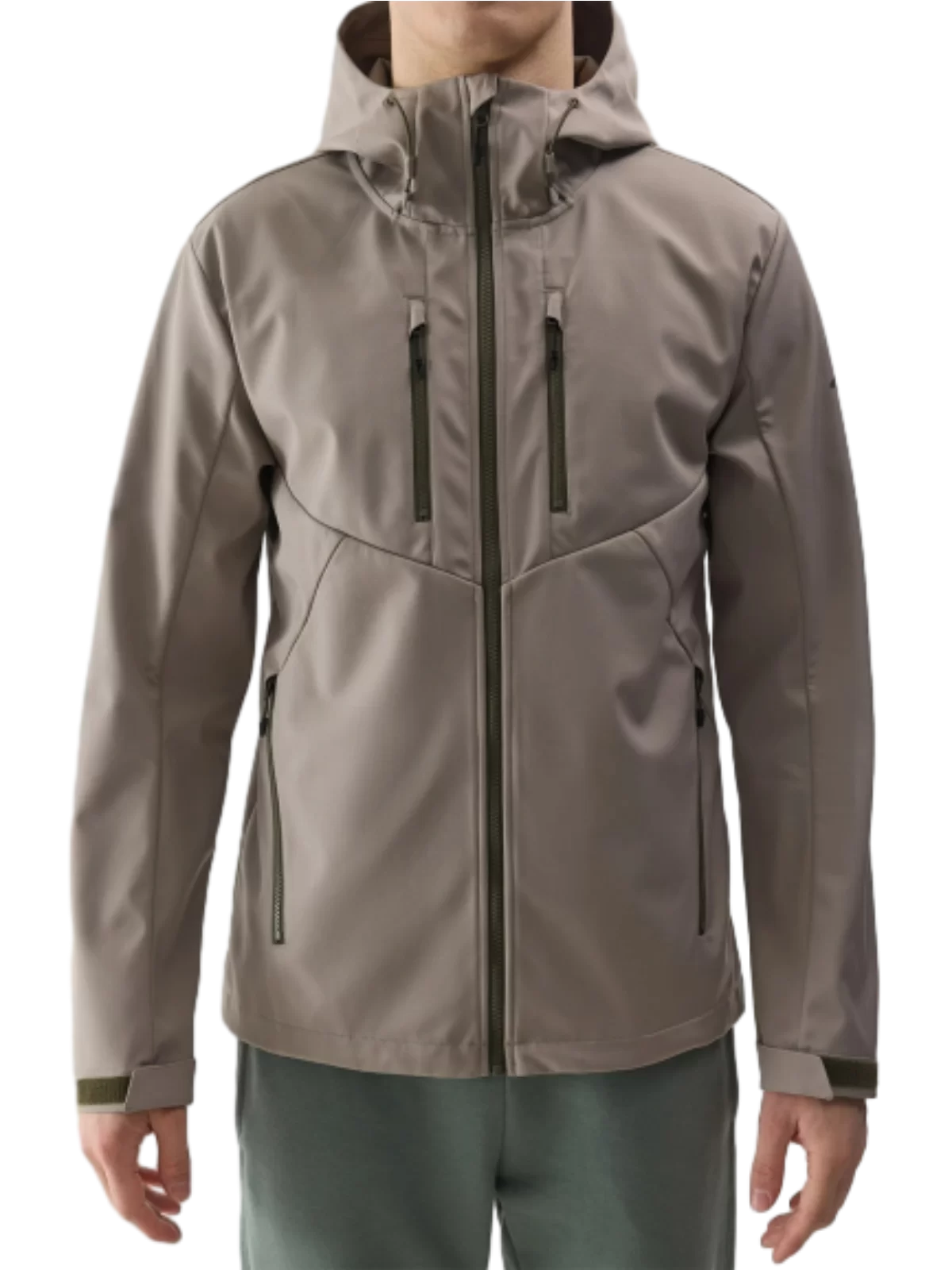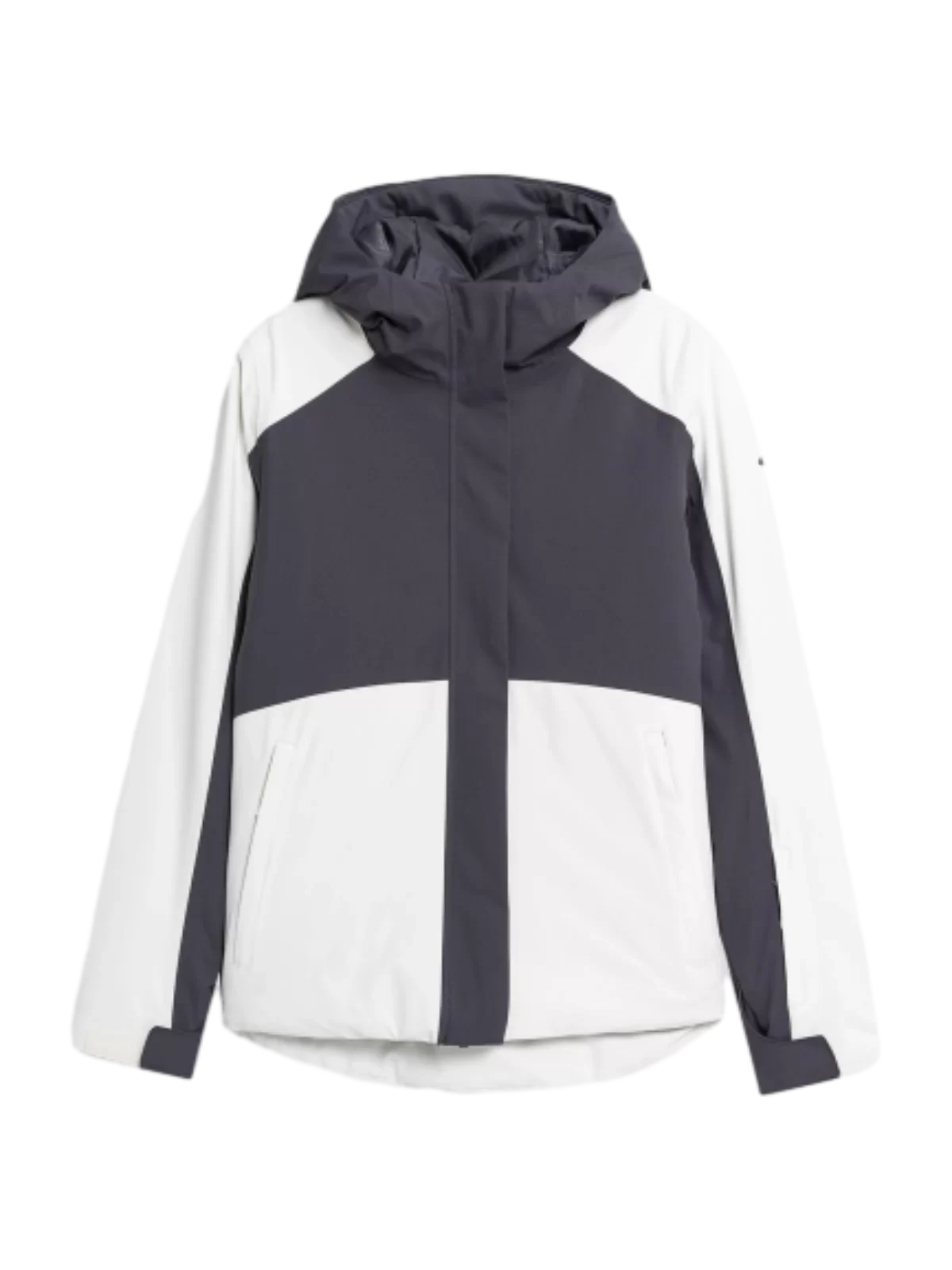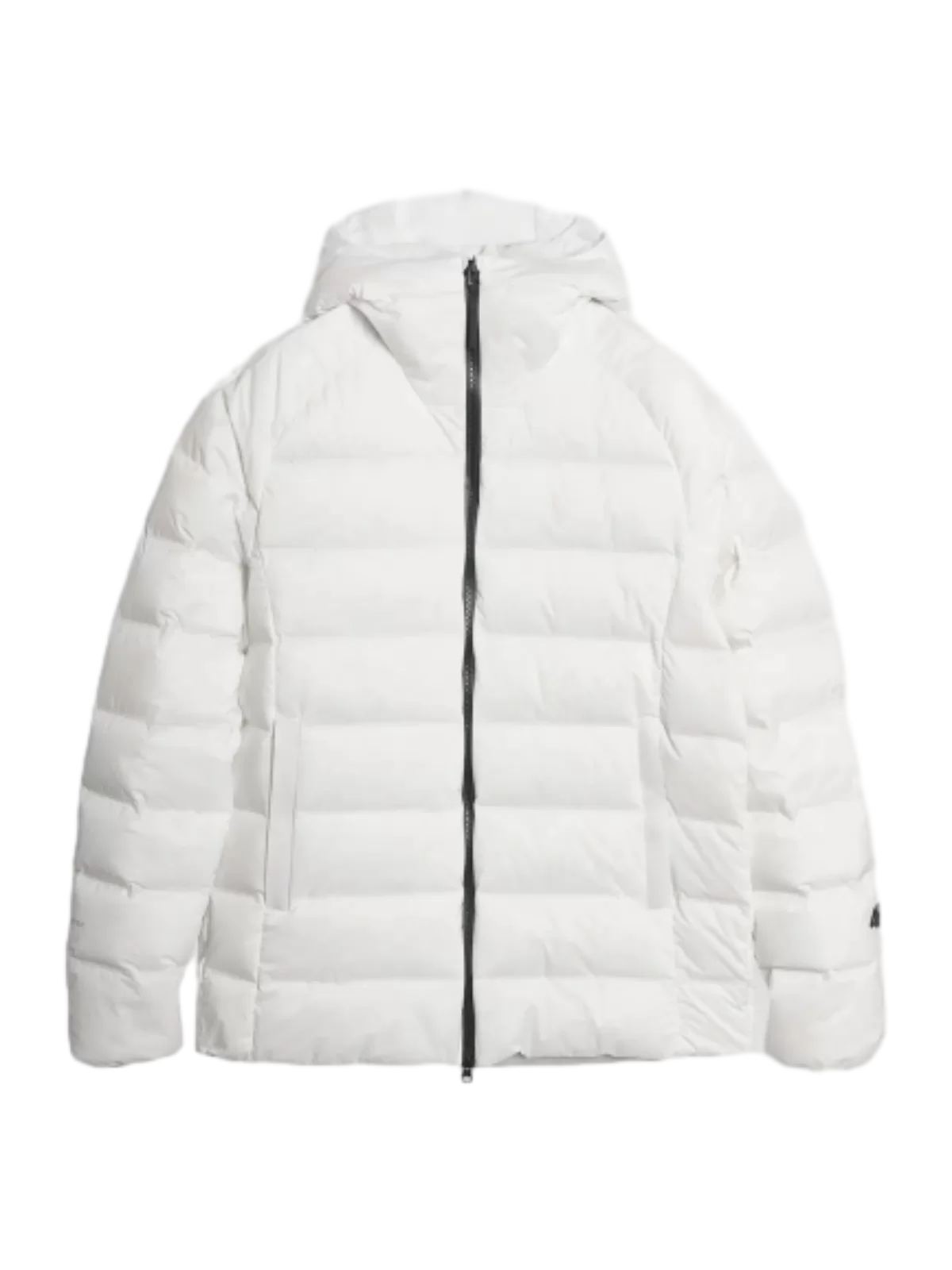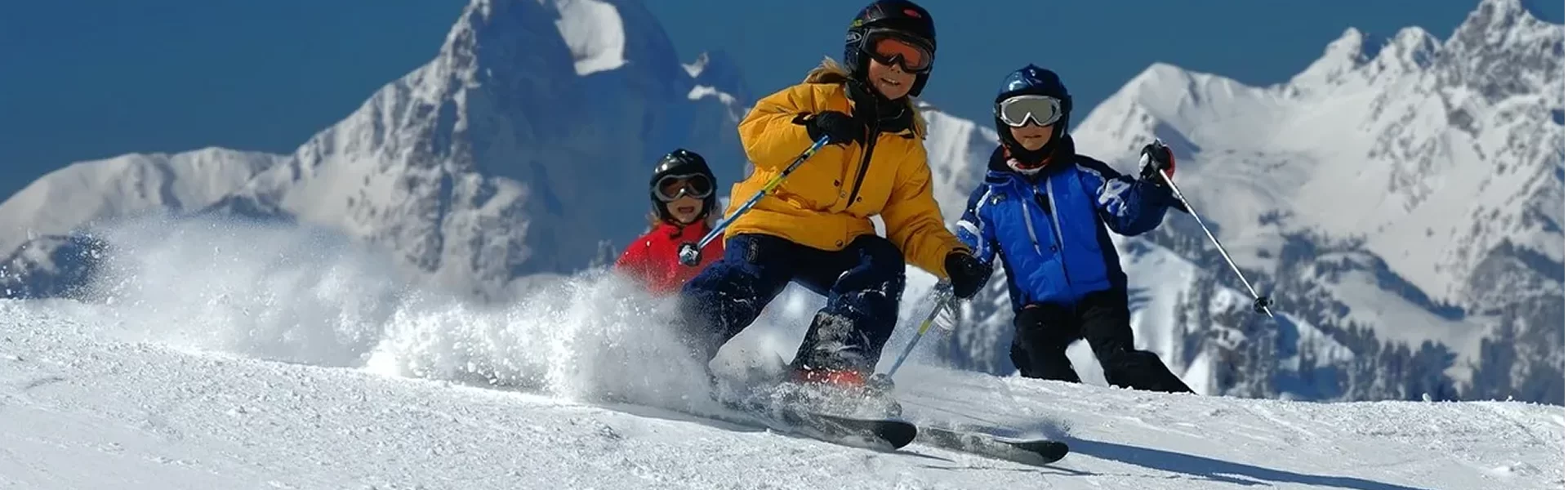
Snowboarding isn’t just a sport—it’s a lifestyle, an expression of adventure—and the right gear can make or break the experience. The softshell snowboard jacket has emerged as a must-have for riders seeking a mix of comfort, protection, and style against harsh mountain conditions. Beyond the slopes, this garment reflects innovations in fabric technology and outdoor apparel that impact global markets and outdoor enthusiasts worldwide.
Understanding the evolution and value of softshell jackets offers more than a shopping tip—it sheds light on how technical clothing adapts to climate challenges, changing recreational demands, and sustainability imperatives.
In 2023, over 200 million people worldwide participated in winter sports, with snowboarding continuing steady growth especially in North America, Europe, and parts of Asia (source).
Climate variability has made traditional “hard shell” jackets less appealing to many, since riders want breathable but protective layers adaptable to changing conditions. Also, increasing awareness of sustainable apparel production has driven demand for technically advanced, durable garments that last longer and perform efficiently—softshell jackets epitomize this trend.
In harsh weather zones, from the Rockies to the Alps to Japan’s mountains, a quality snowboard jacket is a vital piece of kit. The key challenge it addresses: balancing warmth, water resistance, windproofing, and breathability while maintaining freedom of movement.
At its core, a softshell snowboard jacket is a layered garment made from woven fabrics that combine stretch, durability, and moderate weather protection.
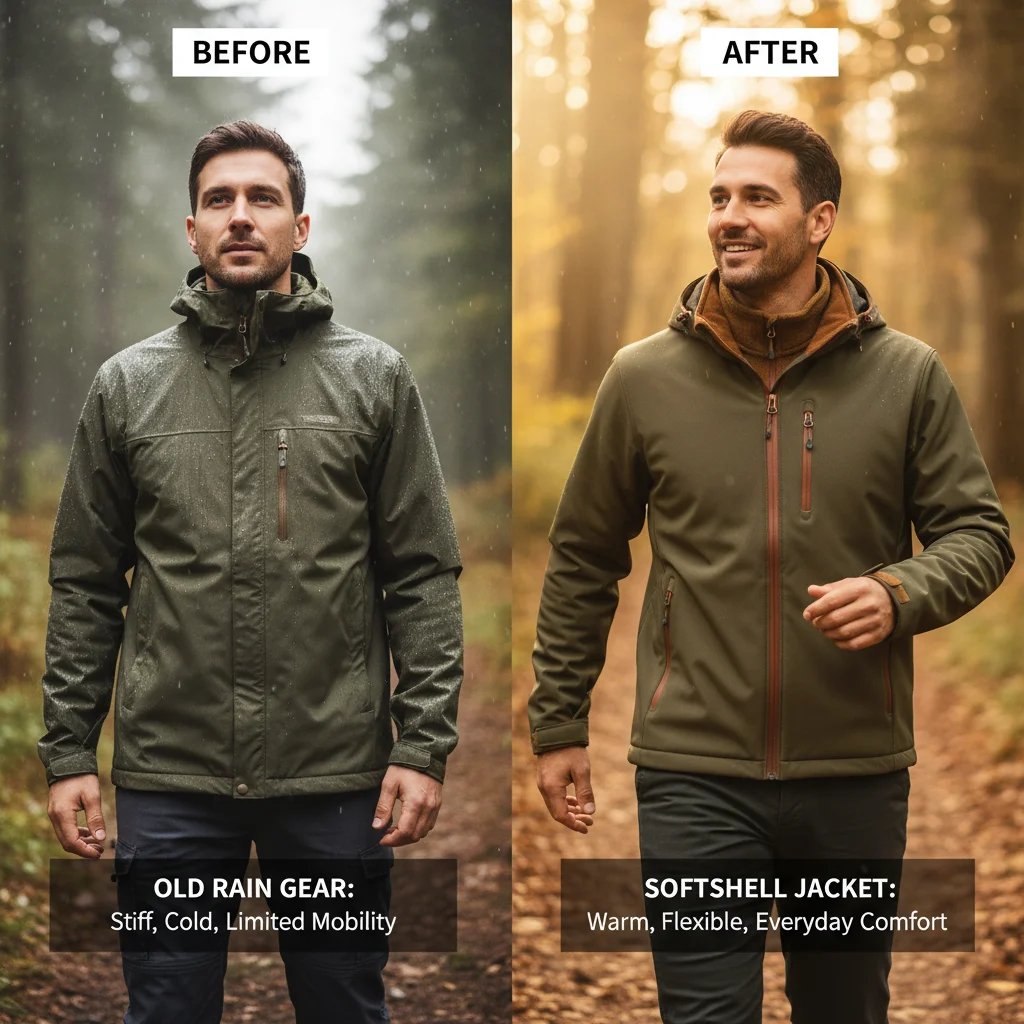
Unlike traditional “hard shell” jackets that rely on a waterproof membrane (like Gore-Tex) sealed with taped seams, softshells use highly water-resistant outer layers combined with a fleece or synthetic inner lining to create warmth and breathability.
This hybrid concept supports dynamic movement and comfort, making it perfect not only for snowboarders but for anyone active outdoors in cold or damp conditions.
For humanitarian and outdoor industries, such jackets represent adaptable clothing solutions for harsh environments—whether in rescue missions, mountain research, or eco-tourism.
Softshell snowboard jackets embody an intersection of comfort, moderate protection, and adaptability—all crucial for today’s active and environmentally conscious users.
Softshell fabrics typically block wind well and resist light to moderate rain or snow. Water repellency is enhanced with Durable Water Repellent (DWR) coatings. While not fully waterproof like hardshells, they excel in comfort and versatility during variable weather.
Snowboarders move more than you’d guess, generating sweat that needs to escape. The breathable softshell fabrics wick moisture away, preventing the clammy feeling that ruins your ride—and your day.
Thanks to woven stretch materials, a softshell snowboard jacket offers excellent range of motion—critical for tricks, jumps, and long chairlift rides. The fit tends to be athletic, balancing snugness with flexibility.
Most softshell jackets incorporate fleece or brushed linings for cozy warmth. While not designed for extreme cold alone, they function perfectly as mid-layers or standalone jackets in milder conditions.
Trails can be rough, and falls happen. Softshells often reinforce high-wear zones (elbows, forearms) and feature ripstop weaves, enhancing longevity without bulk.
More producers now integrate recycled fibers and eco-friendly water repellent finishes, reflecting consumer demand for greener options.
The magic of the softshell snowboard jacket arises from balancing protective features and breathability, paired with durability and eco-awareness.
Mountain towns in the U.S. (Colorado, Utah), Canada (Whistler), and European Alps are the obvious hubs, where snowboarders and skiers rely on these jackets daily.
Less obvious uses include:
The jackets’ combination of comfort and functionality supports a wide spectrum of active lifestyles and professional needs.
Softshell snowboard jackets are not just for athletes; their engineering suits diverse global users exposed to cool, shifting weather.
| Feature | Specification |
|---|---|
| Material | Polyester/Nylon with 4-way stretch |
| Water Resistance | DWR coated, approx. 5,000 mm hydrostatic head |
| Breathability | 10,000 g/m²/24h (MVTR rating) |
| Insulation | Fleece inner lining, midweight |
| Weight | Approx. 550 grams (size M) |
| Reinforcements | Ripstop panels on shoulders and elbows |
| Sustainability | 50% recycled polyester fabric, PFC-free finish |
| Brand | Water Resistance | Breathability | Sustainability Features | Price (USD) |
|---|---|---|---|---|
| Alpenglow Gear | 5,000 mm | 12,000 g/m²/24h | 40% recycled materials, PFC-free DWR | $230 |
| Summit Wear | 7,000 mm | 9,000 g/m²/24h | Recycled nylon shell, eco-certified dyes | $280 |
| Nordic Trails | 4,000 mm | 10,000 g/m²/24h | PFC-free DWR, local manufacturing | $210 |
Innovation in outdoor apparel seldom stands still. I noticed lately a push toward integrating smart textiles — fabrics that adapt their breathability or insulation based on temperature sensors. Imagine your jacket adjusting automatically on a cold summit or indoor lounge.
Recycling tech is also advancing, with closed-loop polyester productions and natural water-repellent coatings poised to reduce environmental impact more than ever before.
Digital transformation helps brands better map consumer needs and fine-tune designs, while automation streamlines production, reducing waste and leveling costs.
Frankly, softshell jackets don’t quite replace hard shells in storm conditions. They tend to oxidize their DWR coating and need regular care to maintain performance.
Also, midweight insulation may not always suffice for extreme alpine environments, prompting layered dressing.
Manufacturers are addressing these through improved durable coatings, modular designs, and transparent sustainability reporting. The customer now plays a bigger role in care, with easy repair kits and tailored maintenance apps emerging.
A: Softshell jackets are great for light to moderate snow and rain due to their water-resistant coatings but are not fully waterproof like hardshells. For heavy, prolonged snow, layering a waterproof shell over your softshell is recommended.
A: They offer moderate insulation but are generally best paired with additional layers in extreme cold. Their breathability helps prevent overheating during activity, but for very low temps, combine a softshell with thermal underlayers.
A: Regularly clean your jacket with technical washes and reapply a Durable Water Repellent (DWR) spray as needed. Always follow manufacturer care guidelines to preserve fabric breathability.
A: Increasingly, yes. Many brands now use recycled materials, PFC-free water repellents, and sustainable manufacturing processes, but checking individual product certifications is wise.
Over the years, I’ve tried countless outerwear options, but the softshell snowboard jacket stands out for its sweet spot between performance and comfort. It’s a jacket that keeps you moving freely, managing moisture with ease, and offering protection right where you need it — not to mention, many models now embrace greener practices.
Whether you’re carving fresh powder or hiking chilly peaks afterward, investing in a quality softshell pays off long-term.
Ready to upgrade your gear? Check out our curated selection and detailed reviews at softshell snowboard jacket.

If you are interested in our products, you can choose to leave your information here, and we will be in touch with you shortly.