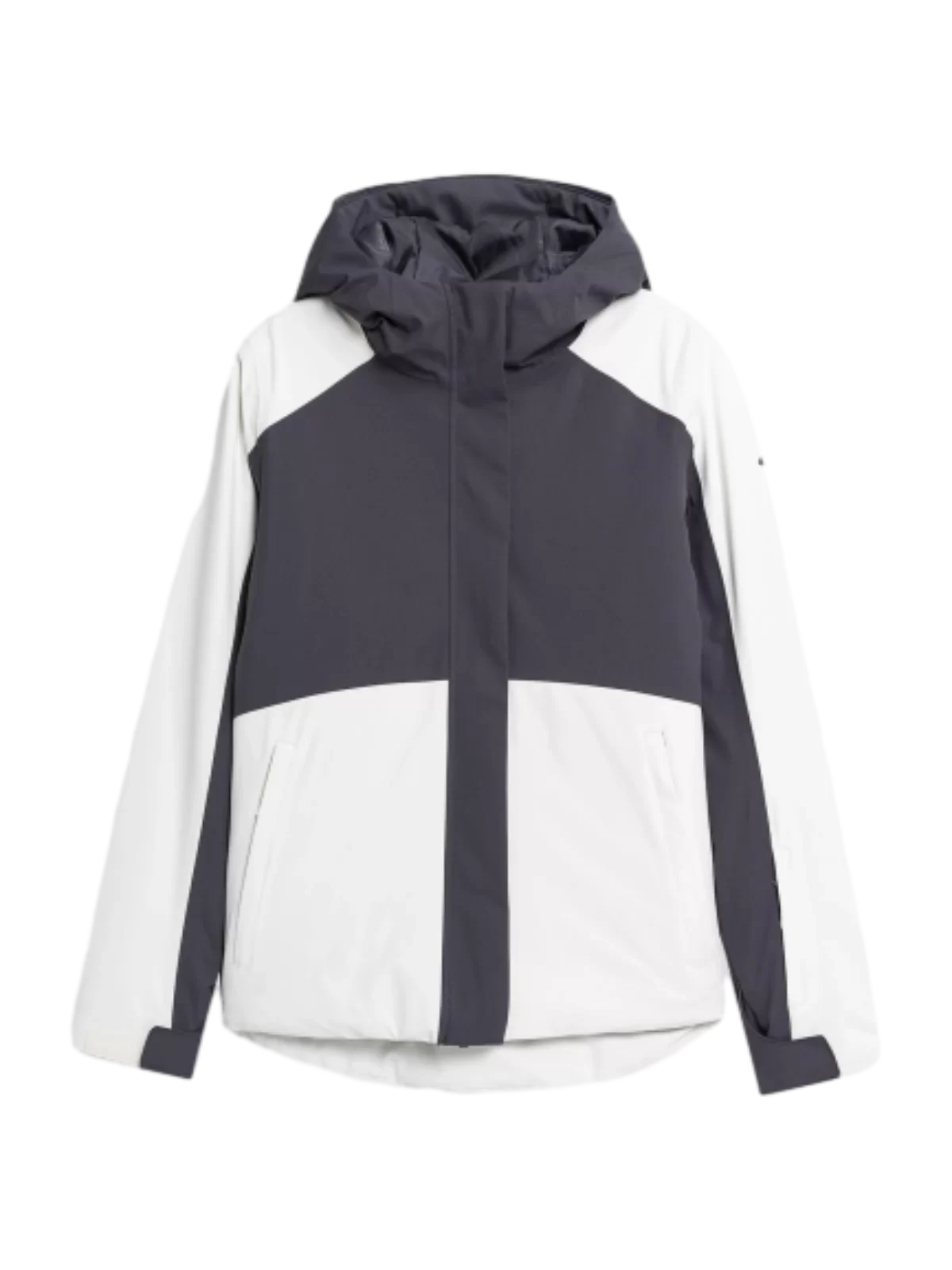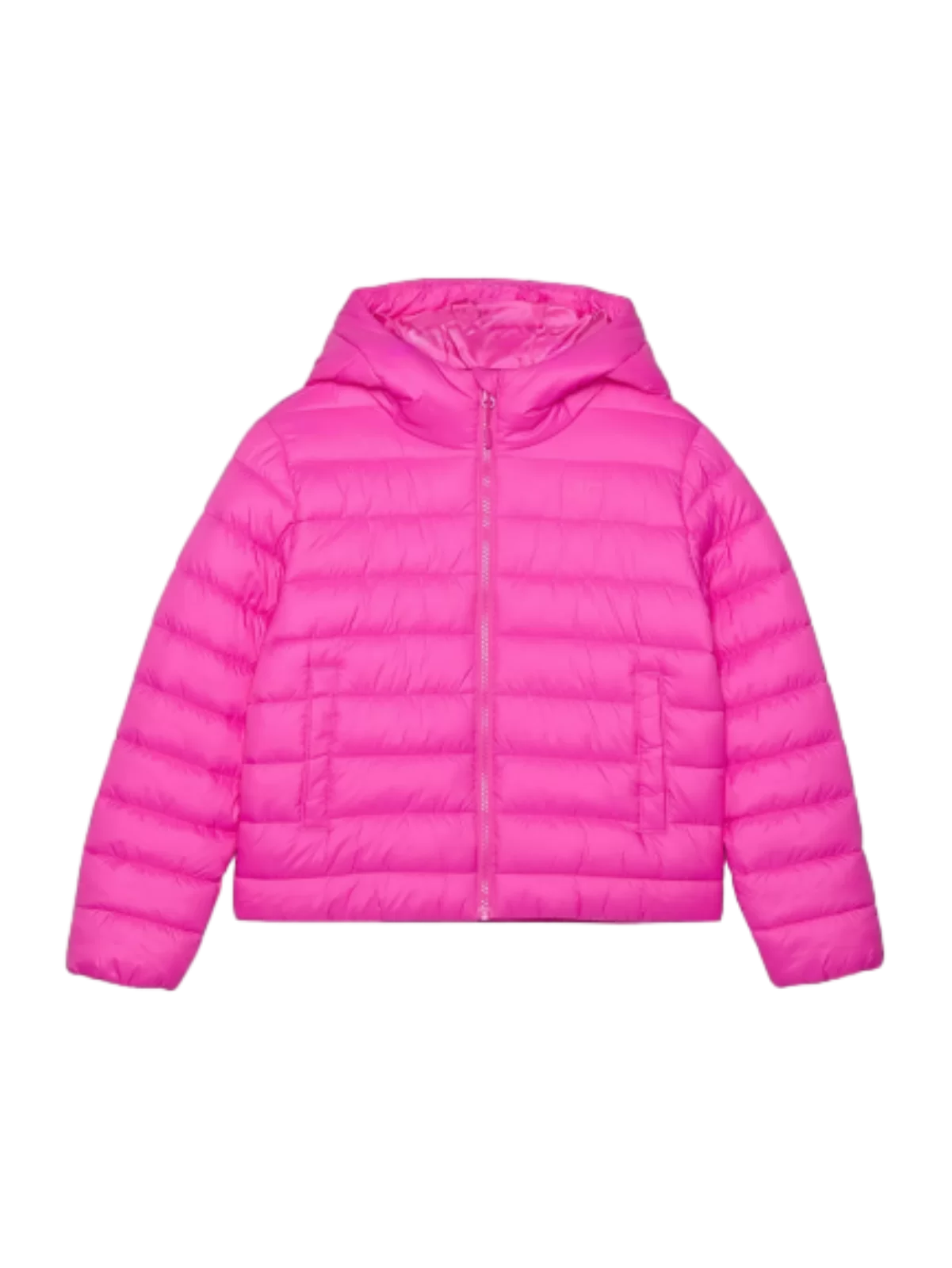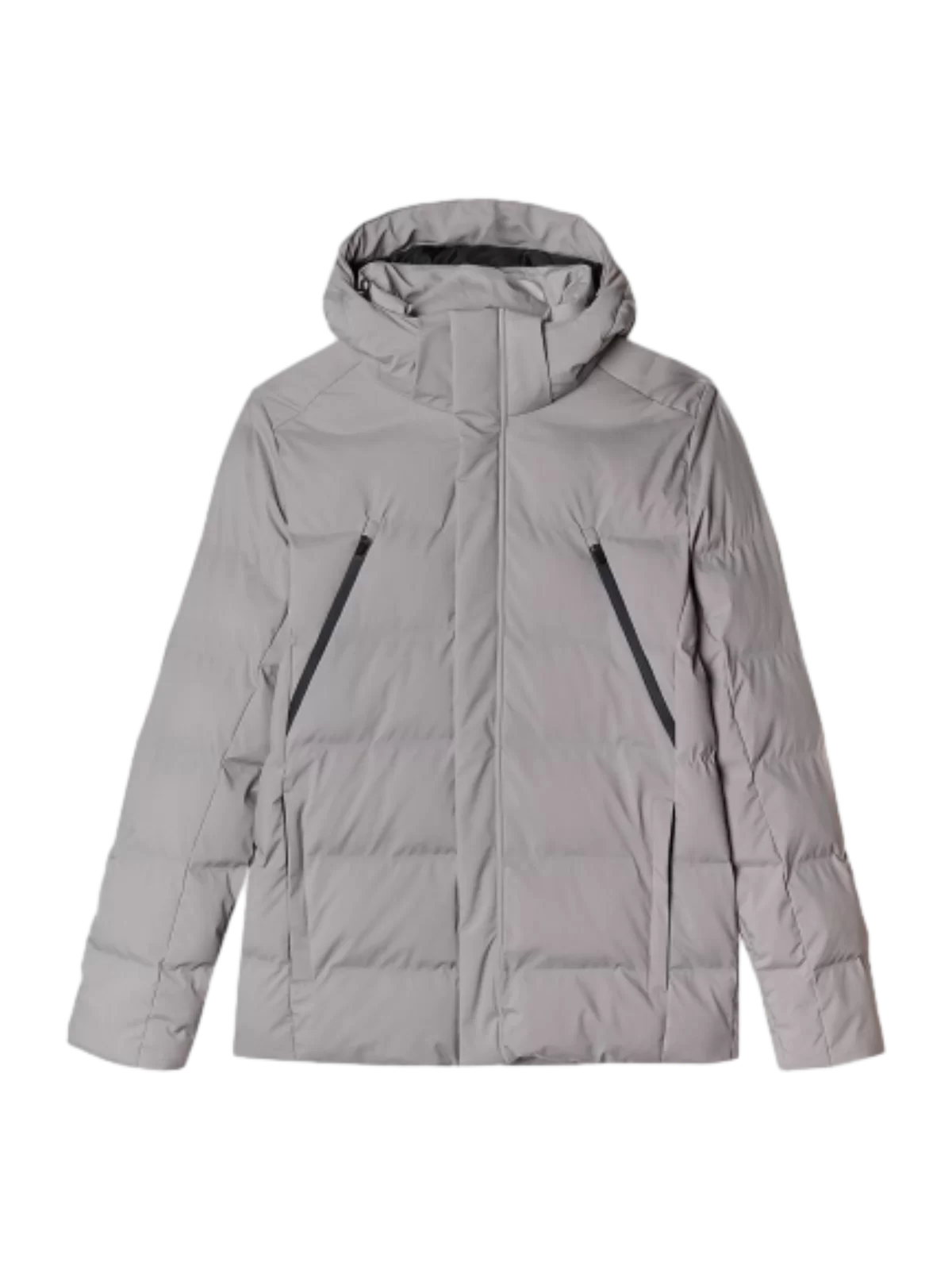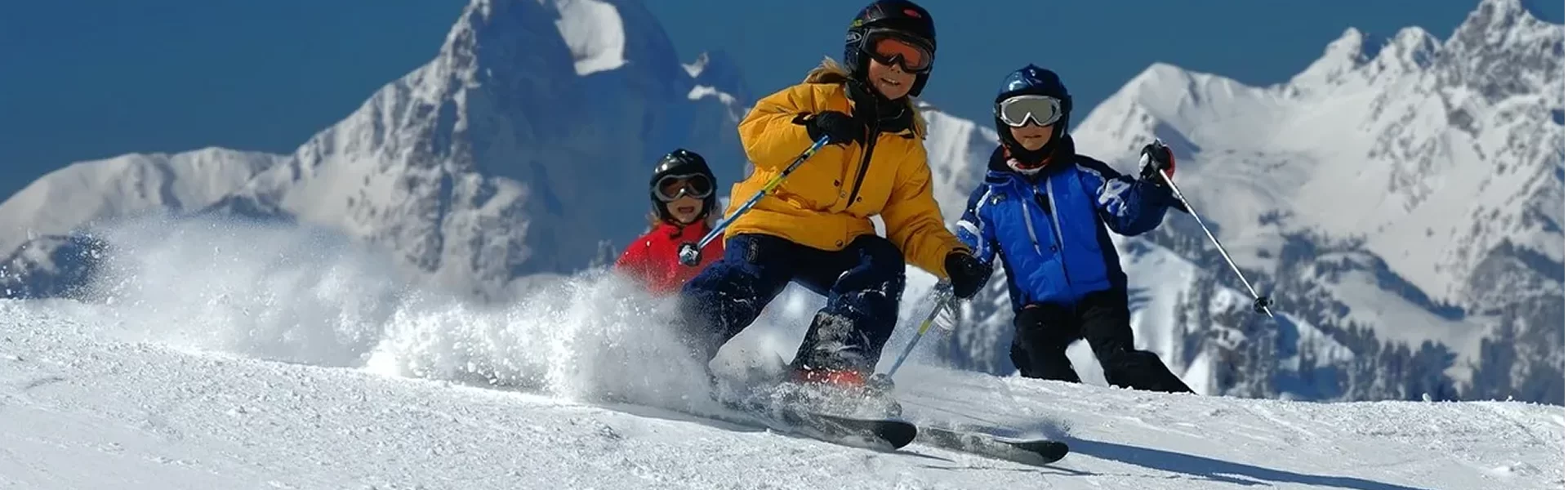
In the outdoor apparel world—whether for professionals scaling icy summits or urban commuters facing unpredictable weather—the waterproof softshell jacket has carved an indispensable niche. This garment merges weather resistance and breathability like no other, fitting perfectly the global demand for apparel that is both high-performance and versatile. As climate patterns shift and more people seek reliable protective gear, understanding these jackets isn’t just about fashion or sport—it’s a practical necessity worldwide.
According to the World Meteorological Organization, severe weather events have increased by 83% globally over the last two decades. That means rain, wind, and cold weather impact more people now than ever before—often with little notice. For industries ranging from humanitarian aid to industrial maintenance and urban commuting, having gear that adapts to rapidly changing conditions is critical. Waterproof softshell jackets fulfill this need better than traditional raincoats or fleece layers, offering protection without sacrificing comfort or mobility.
Moreover, ISO standards for technical clothing emphasize durability and moisture management to improve worker safety and comfort in outdoor environments. Organizations working in disaster relief zones or remote cold regions increasingly rely on such advanced gear, highlighting this jacket’s role beyond leisure.
Simply put, a waterproof softshell jacket is a lightweight, flexible, water-resistant outer garment designed for active wearers who need protection from wet and windy conditions without the bulk of traditional hardshell rain gear.
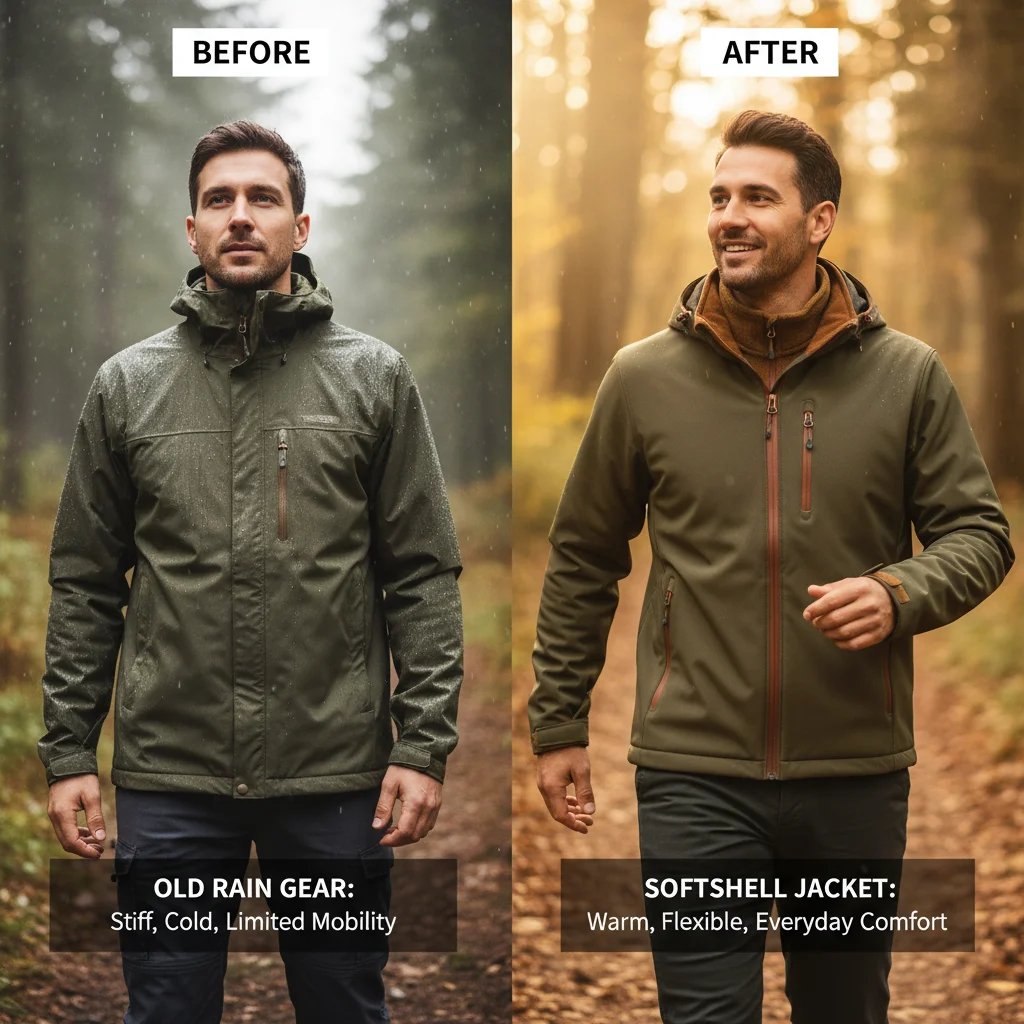
Unlike classic waterproof hardshells, which are often stiff and less breathable, softshells balance a tight-knit, often stretchable fabric with a waterproof membrane or durable water repellent (DWR) coating. This makes them ideal for industries requiring quick movement and moderate weather protection—think paramedics, hikers, and even urban workers.
Interestingly, humanitarian organizations often equip their teams with softshell jackets because they allow for quick response times while offering reliable weather resistance. They’re also favored in outdoor industries for their blend of function, durability, and comfort—a rare trifecta that addresses both physical demand and psychological resilience in challenging environments.
This chemical treatment causes water to bead and roll off the fabric’s surface, preventing saturation and weight gain. Many waterproof softshell jackets today feature eco-friendly DWRs meeting ISO environmental standards.
A thin layer inside the fabric—typically polyurethane or ePTFE (similar to Gore-Tex)—allows sweat vapor to escape while blocking rain and wind. This is key to preventing overheating and maintaining comfort during high-intensity activities.
The flexibility afforded by nylon and polyester blends lets wearers move freely—important for mountain rescue teams or anyone who hates feeling restricted.
Some jackets include pit zips, mesh linings, or adjustable openings to increase airflow, especially during strenuous use.
Ergonomic cuts and adjustable features like cuffs and hems help seal out elements while ensuring layers underneath fit comfortably.
Put these elements together, and you get a versatile jacket that’s protective yet breathable—the kind of piece that feels like a second skin outdoors.
The use cases for waterproof softshell jackets cover a broad spectrum, from harsh environmental conditions to everyday urban life:
For example, in the rugged terrains of Patagonia, expedition teams prefer softshells with advanced waterproofing to cope with unpredictable climate swings—proving how functional design adapts globally.
There’s a certain peace of mind in knowing your jacket won’t buckle under pressure—literally and figuratively. The benefits are both practical and emotional:
| Feature | Specification | Benefit |
|---|---|---|
| Fabric | 3-layer polyester stretch weave | Flexible, durable, good resistance to abrasion |
| Waterproof Rating | 10,000 mm water column | Keeps moisture out in heavy rain |
| Breathability | 8,000 g/m²/24h | Prevents sweat buildup |
| Weight | 450 grams (medium size) | Lightweight for active use |
| Closure | Front YKK zipper with wind flap | Extra wind barrier, durable and smooth action |
| Environmental Features | PFC-free DWR finish | Reduced chemical impact on ecosystems |
| Brand | Price Range | Waterproof Rating | Sustainability | Special Features |
|---|---|---|---|---|
| Alpha Outdoor | $150–$200 | 10,000 mm | PFC-free DWR; recycled fabric | Micro-venting zones |
| Boreal Gear | $180–$240 | 15,000 mm | Bio-based treatments | Convertible collar system |
| SummitPro | $130–$190 | 10,000 mm | Recycled polyester shell | Extended back hem for better coverage |
| TerraShield | $200–$260 | 20,000 mm | Fair Trade certified | Windproof mesh panels |
The next frontier isn’t just about making things wetter-proof. It’s pushing toward smarter, greener, and more adaptive garments. For example:
Despite their versatility, waterproof softshell jackets aren’t perfect. Some common challenges include:
Many manufacturers now include care guides to prolong DWR life, recommend layering, and offer trade-in programs to offset cost—practical moves that show this industry’s maturity.
Ultimately, the waterproof softshell jacket isn’t just a piece of clothing. It’s a smart investment in comfort, safety, and adaptability. In a world where weather and working conditions are increasingly unpredictable, it’s refreshing to have gear that understands your real needs—breathable, protective, and close to your skin.
If you’re interested in exploring options, don’t hesitate to check out waterproof softshell jacket collections designed for professionals and enthusiasts alike.

If you are interested in our products, you can choose to leave your information here, and we will be in touch with you shortly.