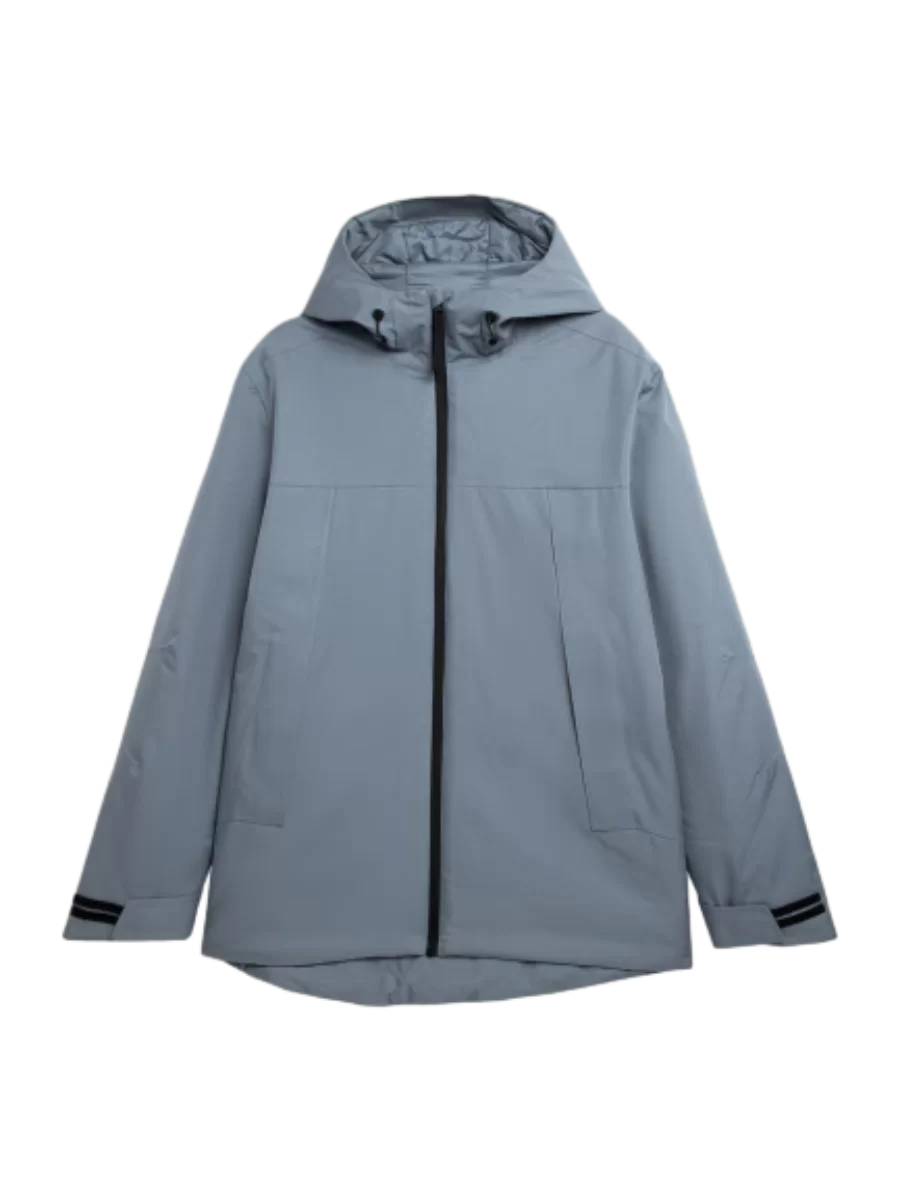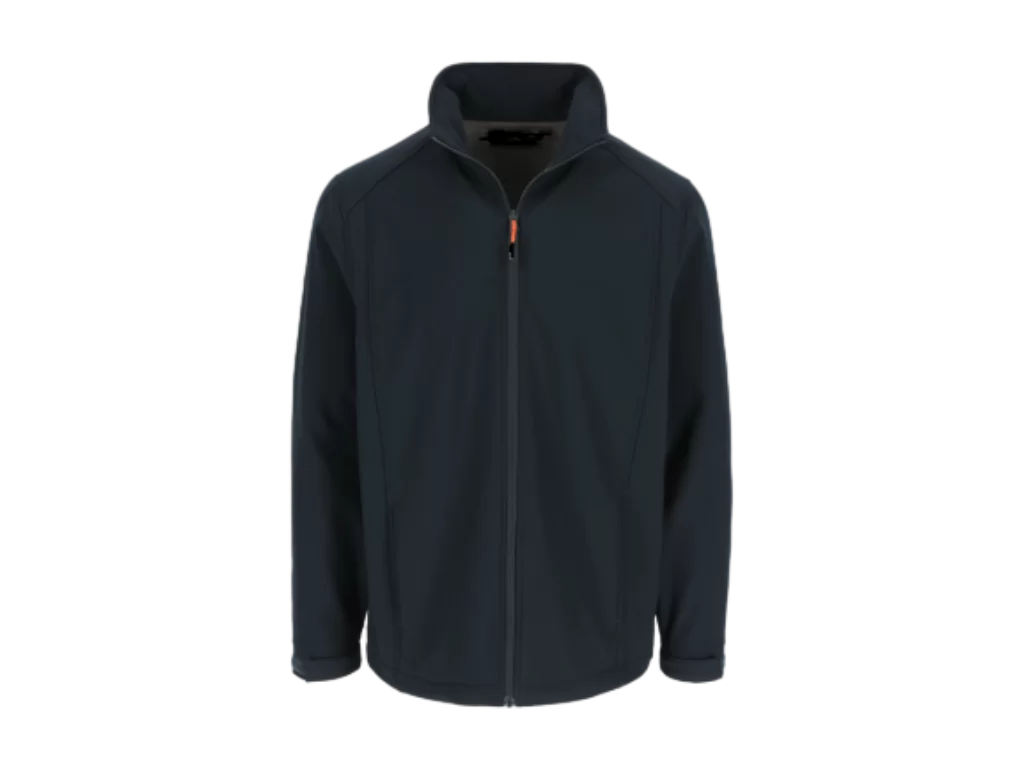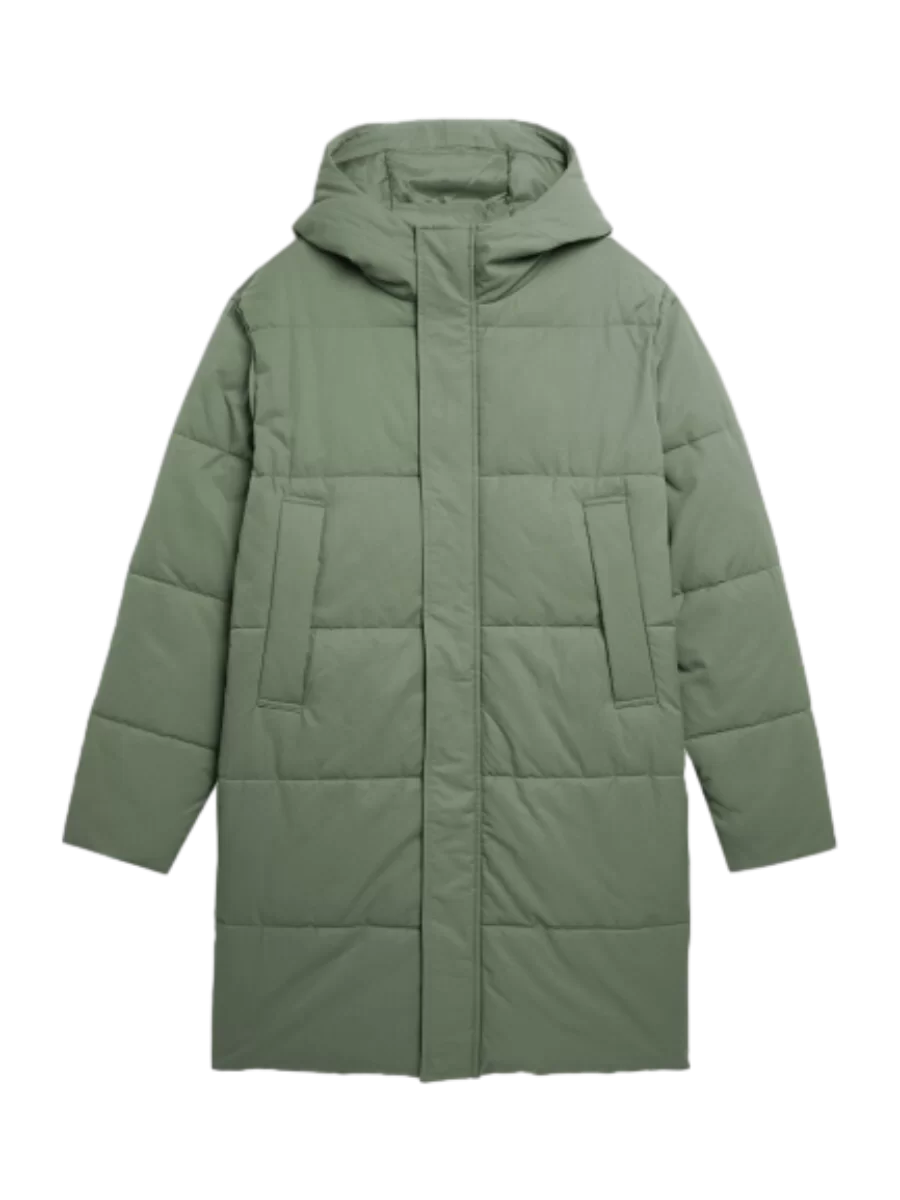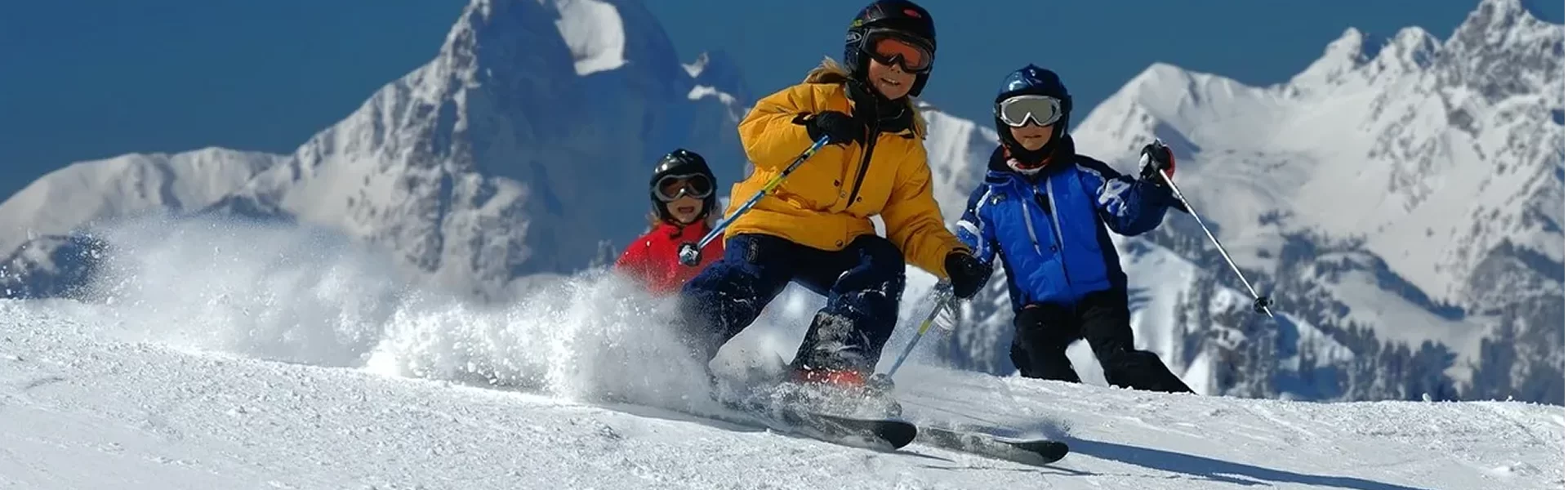
In a world where outdoor pursuits, professional gear, and sustainable fashion often collide, the breathable softshell jacket stands out as a versatile champion. Whether it's for rugged mountain trails, urban commuting, or demanding industrial environments, this type of outerwear bridges the gap between comfort, protection, and durability. But why does it matter so much on a global scale? And what makes it a go-to garment across continents, climates, and cultures?
Understanding the breathable softshell jacket gives us insight into material science progress, international apparel trends, and even environmental considerations. It’s not just clothing — it’s a symbol of modern innovation meeting everyday needs.
According to the World Bank, over 1 billion people live in regions with extreme weather volatility, where reliable outerwear can mean the difference between discomfort and safety. Outdoor industry sales have grown steadily; for instance, global sportswear revenue was approximately $180 billion USD in 2023, with softshell jackets grabbing a significant, growing slice of this market.
But here’s the rub: while traditional hard shells can be waterproof, they often sacrifice breathability, causing users to overheat or sweat. On the other hand, simple fleece can cool well but fails to protect against wind or moisture. This is the challenge the breathable softshell jacket was born to fix — balancing ventilation with weather resistance.
In disaster zones, industrial sites, and cold urban sprawls, this garment matters. It's an unsung hero for relief workers needing mobility and dryness, or for hikers chasing microclimates in unpredictable mountains.
At its core, a breathable softshell jacket is a mid-weight outerwear piece designed to repel light rain and wind while allowing moisture vapor to escape from the inside. Unlike hard shells, softshells use woven fabrics that combine stretch, softness, and durability. They typically mix polyester or nylon with elastane, and employ micro-porous membranes or coatings to maintain breathability.
This tech-savvy balance is key for users who need thermal regulation without a compromising layer. It’s the go-to for climbers, athletes, and workers alike — anyone who must stay dry but not overheated.
This jacket isn't only about fashion or hobby. The humanitarian angle is intriguing — organizations like Médecins Sans Frontières and UN disaster relief teams select breathable softshells for their staff, valuing lightness and adaptable protection in places like Nepal’s mountainous terrain or the fluctuating climates of East Africa. The need for reliable gear is well documented in these pretty extreme logistical conditions.
Arguably the star feature. This is how the fabric allows sweat vapor to release while keeping cold and wet elements out. Technologies like Polartec NeoShell and Gore Windstopper have benchmarks here, promising around 10,000+ grams/m²/24 hours on breathability scales.
Softshells fend off light rain and gusts effectively but aren't typically fully waterproof. For many, this is the sweet spot: protective but not stifling. Plus, they dry significantly faster than heavy rubberized coats.
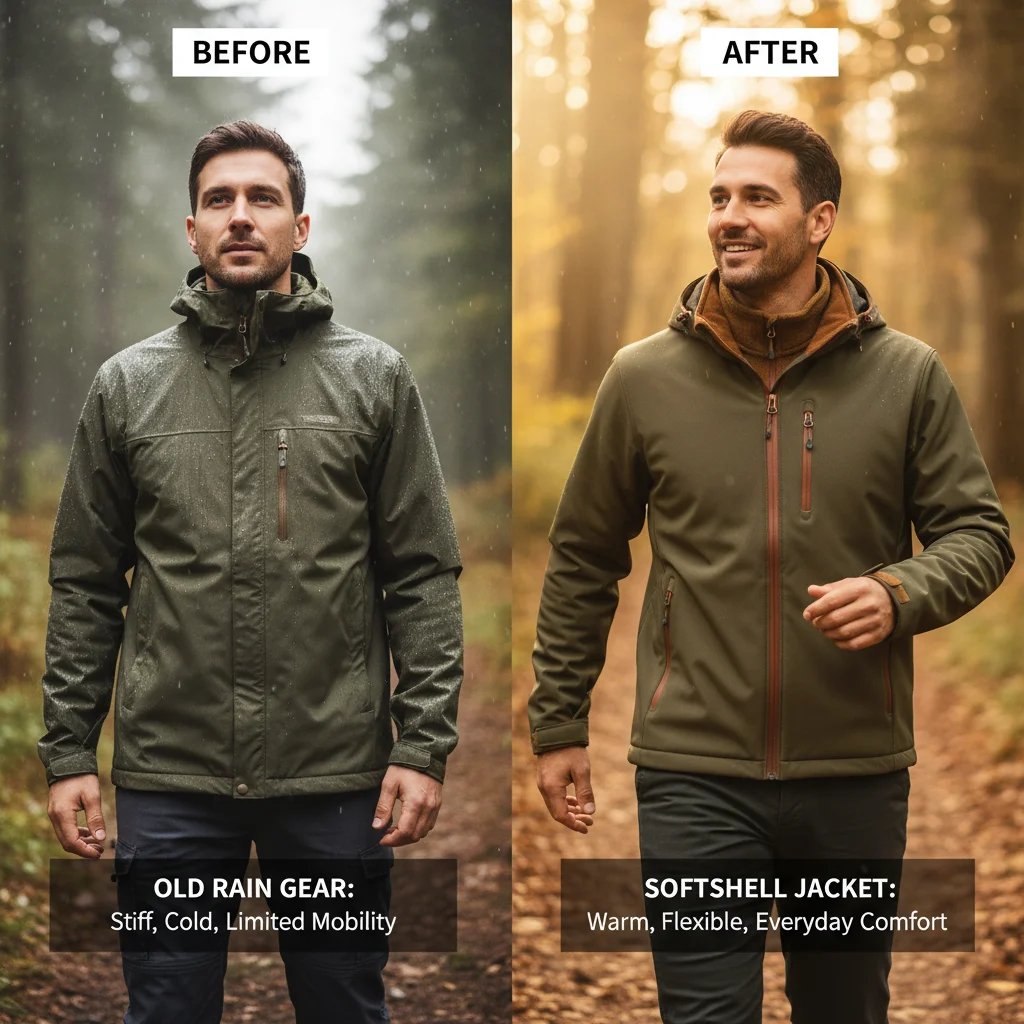
The fabrics involved often incorporate elastane or spandex, giving users freedom of movement — critical for everything from scrambling over rocks to operating machinery. Undeniably nicer than stiff rain jackets.
These jackets resist abrasions and tearing better than standard fleece or synthetic shirts. Some incorporate reinforced panels in high-contact zones, increasing lifespan in tough environments.
Telegraphs convenience: lightweight enough for all-day wear and frequent carry, yet substantial enough to stand up to rough use. These jackets typically weigh between 300g to 600g depending on design and scale.
While softshells provide insulation, most are designed as layering pieces, balancing warmth with ventilation features like pit zips or mesh linings.
The breathable softshell jacket is essentially a balancing act — breathability, weather resistance, flexibility, and durability are the four main pillars. Skimp on one, and performance dips; get them all right, and you have gear that’s unexpectedly versatile.
From Swiss ski patrol teams using breathable softshell jackets for agility during emergency rescues, to UN peacekeepers stationed in varying climates, the garment finds diverse use. In Canada’s oil sands and remote Australian mining sites, workers rely on these jackets’ flexibility for safety and comfort through long shifts. In Europe, ultra-marathon runners often swear by softshells for modulating body temperature in early morning starts.
Outdoor apparel brands constantly push testing protocols in real conditions — for example, Patagonia's Worn Wear program emphasizes the durability and repairability of softshell jackets to extend service life and reduce environmental impact.
| Specification | Typical Range or Feature |
|---|---|
| Breathability (g/m²/24h) | 8,000 - 15,000 |
| Water Resistance (Water Column mm) | 1,000 - 3,000 (DWR treated) |
| Material Composition | Polyester/Nylon + Elastane Blend |
| Weight | 300g - 600g |
| Typical Price Range | $90 - $350 USD |
Emotionally, there’s peace of mind in wearing a jacket that “breathes.” Oddly enough, it feels like your body can relax, regulate, and perform better — especially when you’re hauling gear or working eight-hour shifts outdoors.
Innovation never sleeps. We’re seeing exciting blends of nanotechnology coatings that repel stains and microbes, and advances in bio-based polymers aimed at reducing polyester dependence. Another trend is smart fabrics embedded with sensors to monitor temperature and moisture, feeding data to the wearer’s smartphone. Imagine a jacket that not only breathes but tells you when to adjust layers!
Plus, the sustainability trend aligns with circular economy goals — more repairable, recyclable softshells. Governments and companies are increasingly embracing standards from ISO and the UN Sustainable Development Goals, pushing the apparel industry to think green.
Of course, no product is perfect. The inherent compromise between breathability and water resistance means softshells are not ideal for heavy rain or extreme cold alone. Some users report that after prolonged exposure to moisture, breathability decreases as DWR coatings wear off.
Experts recommend treating jackets annually with specialized sprays, and layering properly underneath. Hybrid designs, mixing softshell fronts with mesh back panels, also improve airflow. Increasingly, vendors provide warranties and repair services to extend lifespan, an encouraging move in a throwaway culture.
| Vendor | Product Range | Sustainability Efforts | Price (USD) |
|---|---|---|---|
| Patagonia | Extensive softshell line with repair services | Recycled materials, Worn Wear program | $150 - $350 |
| Arc’teryx | Premium hard and softshell hybrids | Focus on long-lasting performance | $250 - $400 |
| The North Face | Broad access at various price points | Recycled fabrics & sustainability goals | $90 - $280 |
Ultimately, the breathable softshell jacket is the epitome of smart apparel engineering — adaptable, comfortable, and protective. Whether you’re outrunning a storm on a mountain ridge or working a long shift outdoors, this jacket blends performance with practicality.
If you want reliable gear that stands the test of time and the pressures of nature, consider exploring our collection of breathable softshell jackets. It’s a small investment that pays dividends in comfort, durability, and peace of mind.
Fabrics, technology, and environmental goals all intersect here — making softshells a symbol of outdoor innovation and responsibility.


If you are interested in our products, you can choose to leave your information here, and we will be in touch with you shortly.