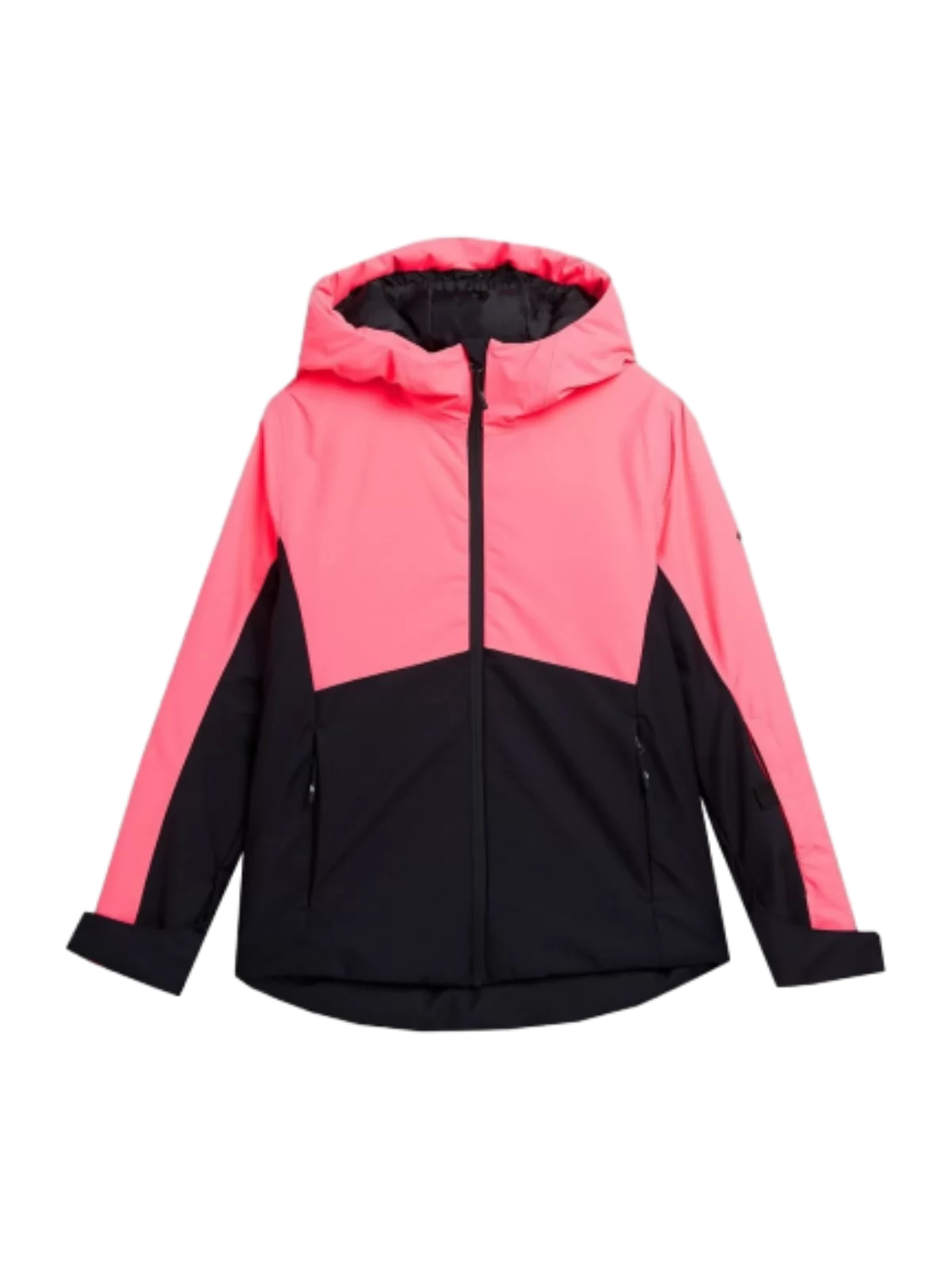
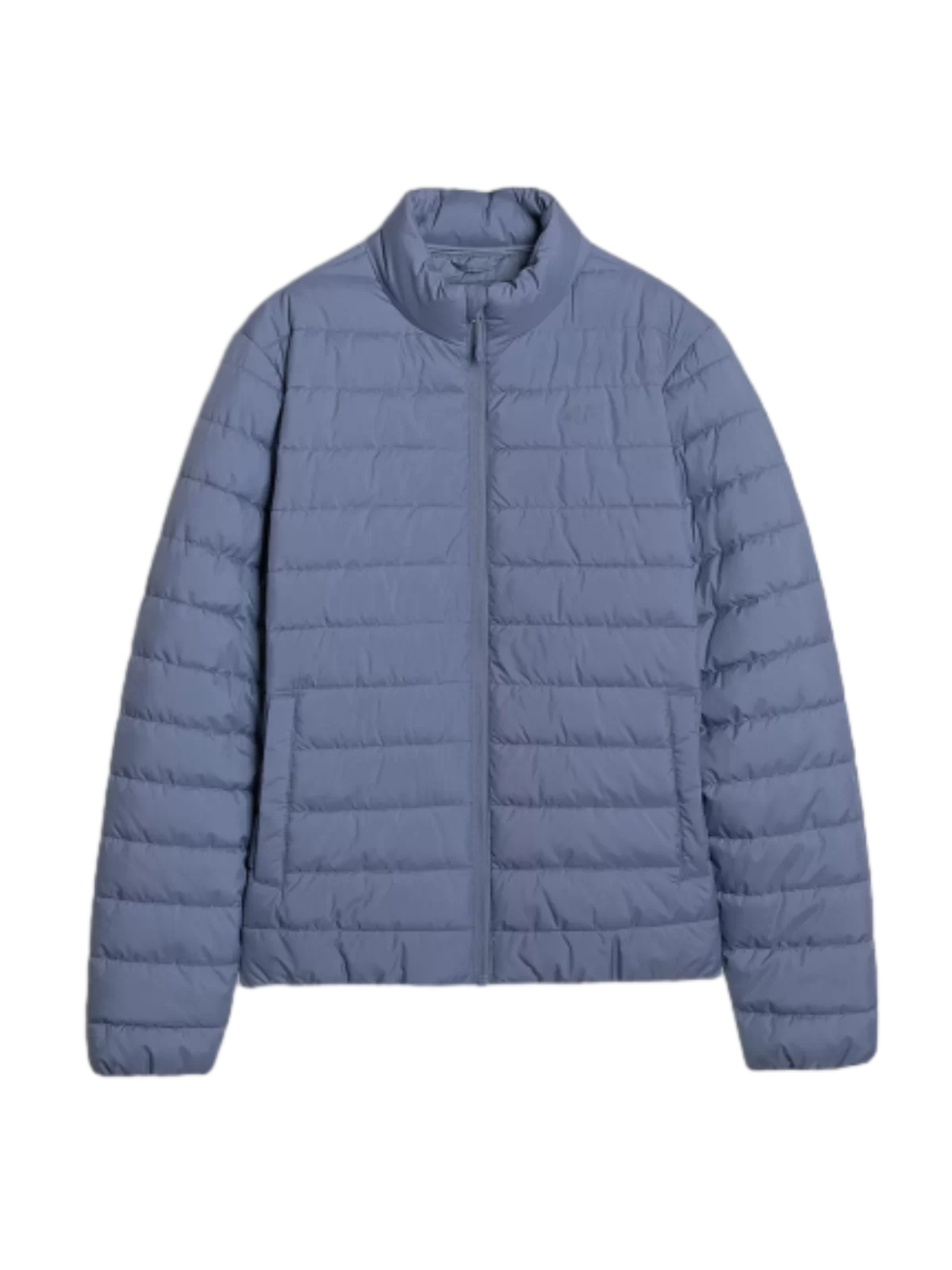
What Is Softshell Windproof Fabric and Why Does It Matter Worldwide?
If you’ve ever been caught in a sudden breeze during a hiking trip or outdoor run, you might have noticed how quickly your warmth can disappear. That’s where
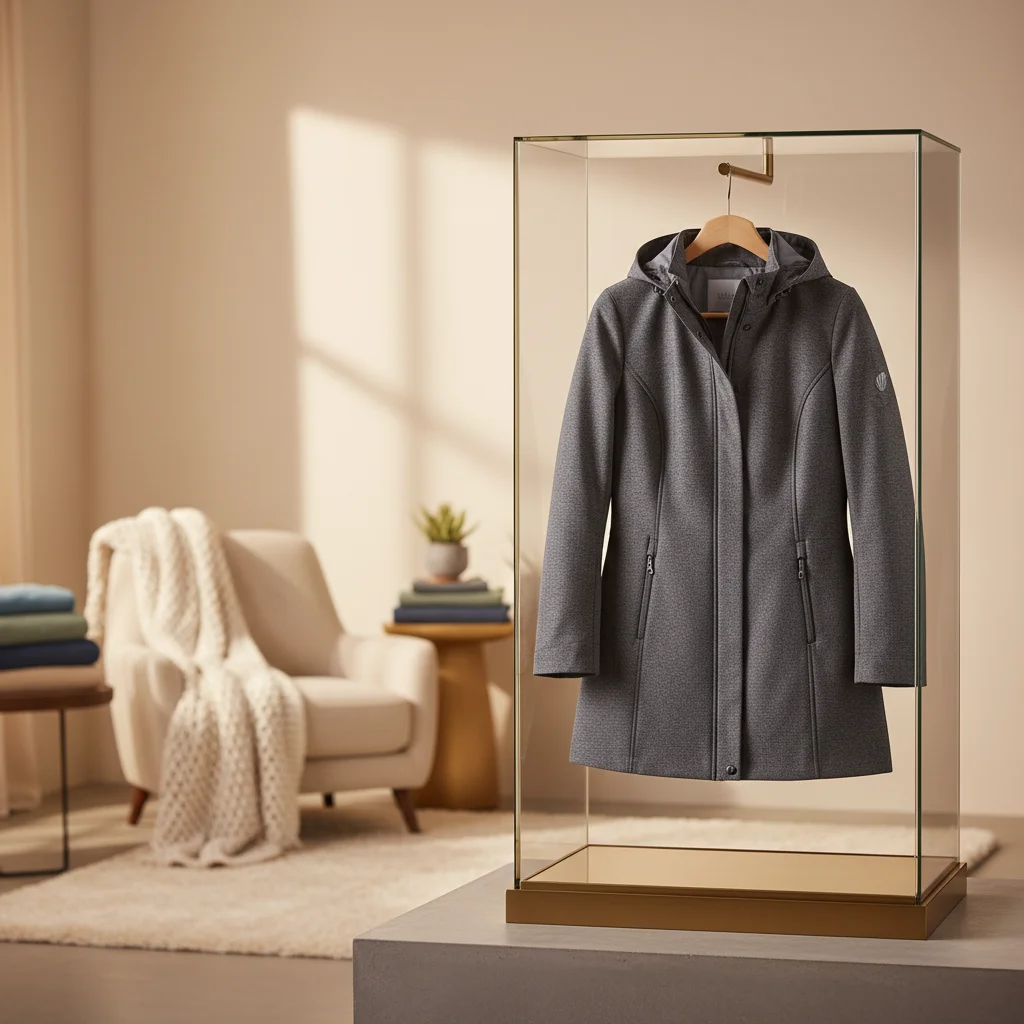
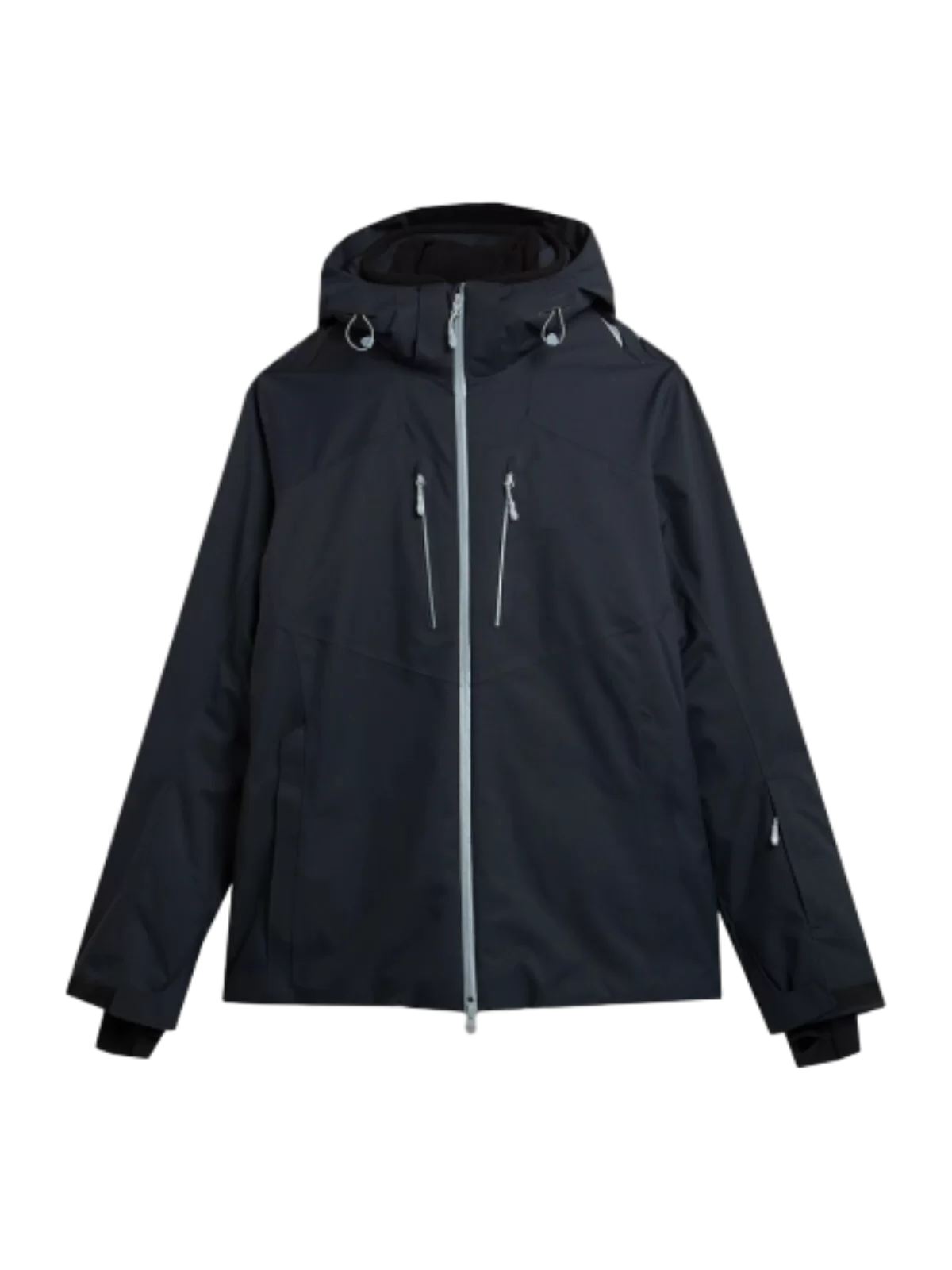
softshell windproof apparel steps in — gear designed to block wind while keeping you comfortable through breathable, flexible fabrics. But beyond weekend warriors, this textile technology touches global industries and humanitarian efforts in ways many might overlook. It’s about protection, sustainability, and versatility all wrapped into one resilient package.
Understanding softshell windproof materials means appreciating a subtle but vital layer of innovation that impacts outdoor enthusiasts, industrial workers, and disaster relief teams alike. So yeah, it’s kind of a big deal — combining comfort and technical performance to meet unpredictable weather head-on.
The Rising Global Importance of Softshell Windproof Materials
Worldwide, climate unpredictability and more extreme weather events (thanks, climate change) are pushing gear and apparel makers to step up their game. According to the
International Organization for Standardization (ISO), performance standards in wind resistance fabric have become increasingly stringent over the last decade. Meanwhile, the 2022 UN Climate Report notes that communities in mountainous or coastal regions are particularly vulnerable to harsh winds and cold snaps, which amplifies demand for reliable windproof outerwear.
But it’s not just about personal comfort. Industries like construction, oil and gas, and transportation operate in windy, often hazardous sites globally — from Arctic outposts to the Australian outback. Their workers need protection that’s packing durability, breathability, and flexibility. Still, the challenge remains: how to keep things lightweight and breathable without compromising windproofing? That’s exactly what softshell windproof fabrics address so well.
Breaking Down Softshell Windproof: What Does It Actually Mean?
Put simply,
softshell windproof fabric is a breathable yet tightly woven textile designed to block wind while allowing moisture vapor to escape. Unlike traditional heavy winter coats, softshell materials usually involve a multi-layer construction combining synthetic fibers like polyester or nylon with windproof membranes or coatings.
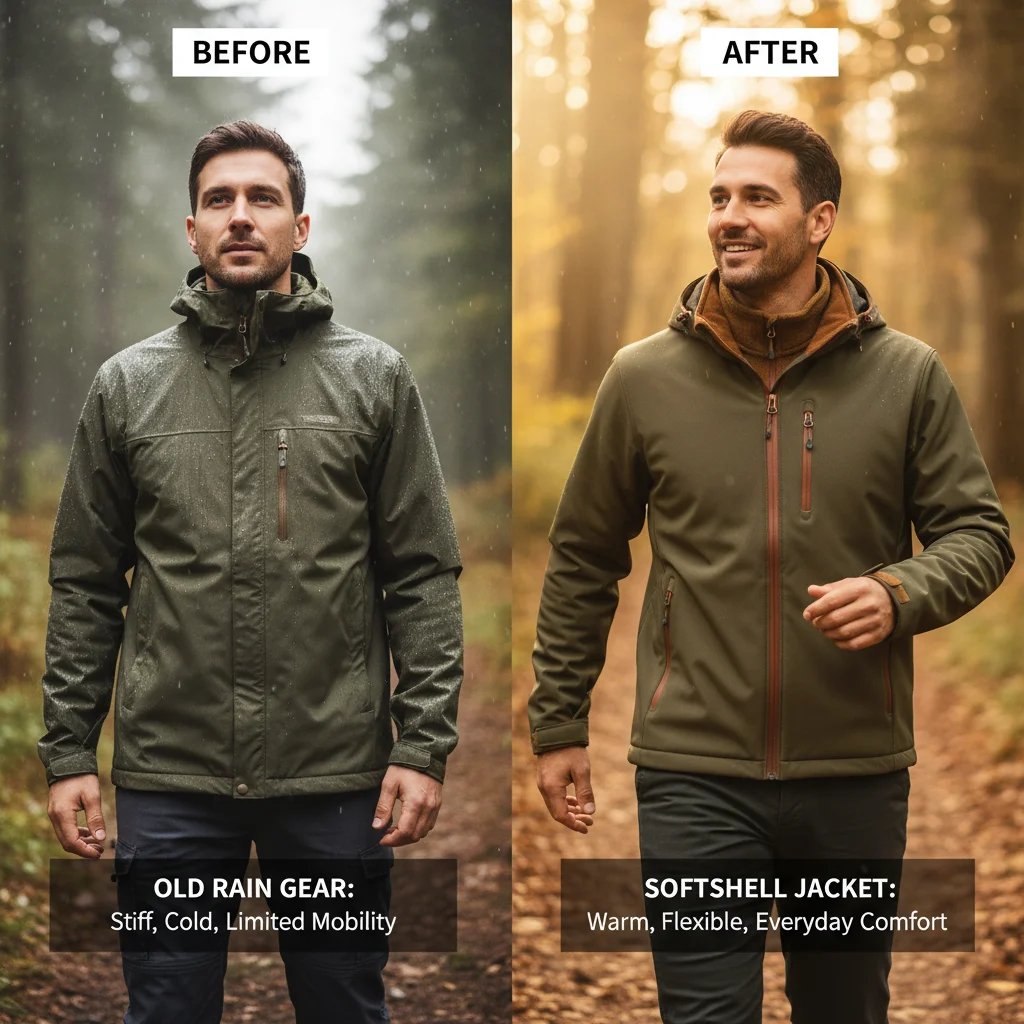
Imagine wearing a flexible second skin that stops the chill but lets your sweat evaporate — making it perfect for active, outdoor lifestyles. But, it’s not only outdoorsy types benefitting. In the humanitarian sector, softshell windproof materials are becoming preferable for temporary shelters and protective gear, offering affordable and adaptable weather protection where it matters most.
Core Components of Softshell Windproof Performance
- Wind Resistance: The tightly knitted fibers and membrane layers act as a barrier to wind chill, which can sap body heat quickly.
- Breathability: Unlike rubbery waterproof shells, the fabrics allow sweat vapor to escape, preventing overheating and damp discomfort.
- Durability: Softshell fabrics are abrasion and tear-resistant, essential for outdoor workers or anyone on rough terrain.
- Flexibility & Comfort: Stretchy yarns and soft finishes make garments that move with you instead of fighting against natural motions.
- Water Resistance: While not fully waterproof, many softshells repel light rain or snow, adding an extra layer of defense.
In real terms, it’s this balance between protection and comfort that makes softshell windproof tech so widely adaptable.
Global Applications: Beyond the Hiking Trail
Softshell windproof fabrics pop up in various sectors worldwide, often quietly doing their job behind the scenes. Here’s a quick glance:
-
Outdoor Recreation: Hiking, climbing, skiing — basically anytime you want to keep cold gusts at bay without sweating buckets.
-
Industrial Workwear: Particularly in windy construction sites, offshore rigs, or maintenance jobs requiring both protection and mobility.
-
Humanitarian Aid & Relief: In post-disaster relief zones, responders use softshell windproof tents and gear for faster deployment and better weather resistance.
-
Military & Law Enforcement: Tactical clothing often incorporates softshell layers to balance stealth, flexibility, and environmental defense.
-
Urban Commuting: Rising demand for functional, stylish, weather-resistant clothes in big cities with unpredictable weather patterns.
For example, in remote Himalayan healthcare outposts, softshell windproof jackets have become indispensable for staff trekking between shelters amid strong winds and snowfall. Similarly, NGOs operating in exposed coastal villages use softshell fabrics for shelters that handle salty sea winds yet remain breathable.
Mini takeaway:
Softshell windproof fabrics aren’t just about athletic wear anymore. Their ability to balance protection and comfort has broadened their global footprint across industries and emergency situations.
Advantages & Long-Term Value of Softshell Windproof Materials
In terms of cost, products made from these fabrics often deliver excellent value for money. They weigh less and last longer than traditional heavy insulated gear, reducing replacement frequency. From a sustainability standpoint, many manufacturers now incorporate recycled fibers or eco-friendly DWR (durable water repellent) coatings, shrinking the environmental footprint.
Socially, this technology bolsters safety and dignity — think of relief workers who can better survive harsh conditions, or everyday people in harsh climates having access to functional, comfortable outerwear. The logical benefits of reliability, ease of maintenance, and improved design aesthetics round out the equation.
Product Specification Table: Typical Softshell Windproof Jacket
| Feature |
Specification |
| Material |
Polyester blend with ePTFE membrane |
| Windproof Rating |
>10,000 Pa |
| Breathability |
>15,000 g/m²/24hr |
| Water Resistance |
DWR finish, repels light rain |
| Weight |
450 g (men's medium) |
| Stretch |
4-way stretch with spandex |
Comparing Leading Vendors of Softshell Windproof Gear
| Vendor |
Price Range |
Material Tech |
Sustainability |
Notable Use Case |
| Arcadia Outdoors |
$120-$300 |
ePTFE membrane + recycled polyester |
Yes, eco-conscious coatings |
Alpine rescue teams |
| Summit Gear Co. |
$150-$400 |
Polyurethane laminate |
Limited eco options |
Military & tactical wear |
| Vento Apparel |
$100-$250 |
Multi-layer bonded softshell |
Using recycled yarns |
Outdoor urban commuters |
Innovations and the Future of Softshell Windproof Fabrics
Looking ahead, the material science behind softshell windproof fabrics is edging toward even more eco-focused and smart textiles. Technologies like graphene coating, bio-based water repellents, and integrated sensors for health monitoring are not just sci-fi — they’re rapidly emerging trends. Digital transformation is enabling brands to use data on weather patterns and user feedback to optimize designs dynamically.
Automation in manufacturing and recycling protocols also help reduce waste, aligning softshell production with circular economy goals. Frankly, it feels like we’re on the cusp of every jacket doing a bit more than just blocking wind.
Challenges and How the Industry Tackles Them
Softshell windproof fabrics aren’t perfect. A common gripe is their moderate water resistance — heavy rains can soak through without an additional waterproof layer. Plus, breathability versus windproofing is always a tightrope walk. Some users report softness wears off after repeated washing or abrasion.
Innovative solutions include hybrid jackets combining softshell zones with hardshell panels, and advanced coatings that maintain DWR even after dozens of wash cycles. Plus, the industry is experimenting with modular designs so you can layer depending on the weather. Patience and user education — ironing out proper care methods — go a long way.
FAQ: Answering Common Questions on Softshell Windproof Fabrics
- 1. How does softshell windproof compare to traditional hardshell jackets?
- Softshells excel in breathability and flexibility, making them ideal for active use in moderate weather, while hardshells offer superior waterproofing but can be less comfortable during exertion.
- 2. Can softshell windproof fabrics be used for rain protection?
- They offer water resistance against light rain or snow but aren’t fully waterproof. For heavy or prolonged rain, an additional waterproof layer is recommended.
- 3. How do you care for softshell windproof garments to maintain their properties?
- Use gentle washing with specialized detergents, avoid fabric softeners, and reapply DWR treatments as needed to retain water repellency and breathability.
- 4. Are there sustainable options for softshell windproof clothing?
- Yes, many brands now incorporate recycled fibers and eco-friendly coatings. Look for certifications or product details indicating sustainable materials.
- 5. How long does typical softshell windproof gear last under heavy use?
- With proper care, high-quality softshell gear can last several years even with frequent outdoor use, thanks to their abrasion resistance and durable construction.
In Conclusion: Why Softshell Windproof Fabric Is a Smart Investment
At the crossroads of comfort, performance, and sustainability, softshell windproof fabrics offer a versatile solution for modern challenges — whether you’re hiking the Rockies or supporting remote communities in harsh climates. Their unique balance between blocking wind while allowing breathability feels like the kind of innovation that quietly reshapes everyday life.
If you’re looking to upgrade your gear or supply chain with the best in windproof softshell technology, don’t hesitate to explore more at
softshell windproof. Because sometimes, the right fabric is the difference between just surviving the elements and genuinely enjoying them.
References & Further Reading
- Wikipedia - Windbreaker
- ISO Standard for Water Resistance and Breathability
- United Nations Climate Change Updates