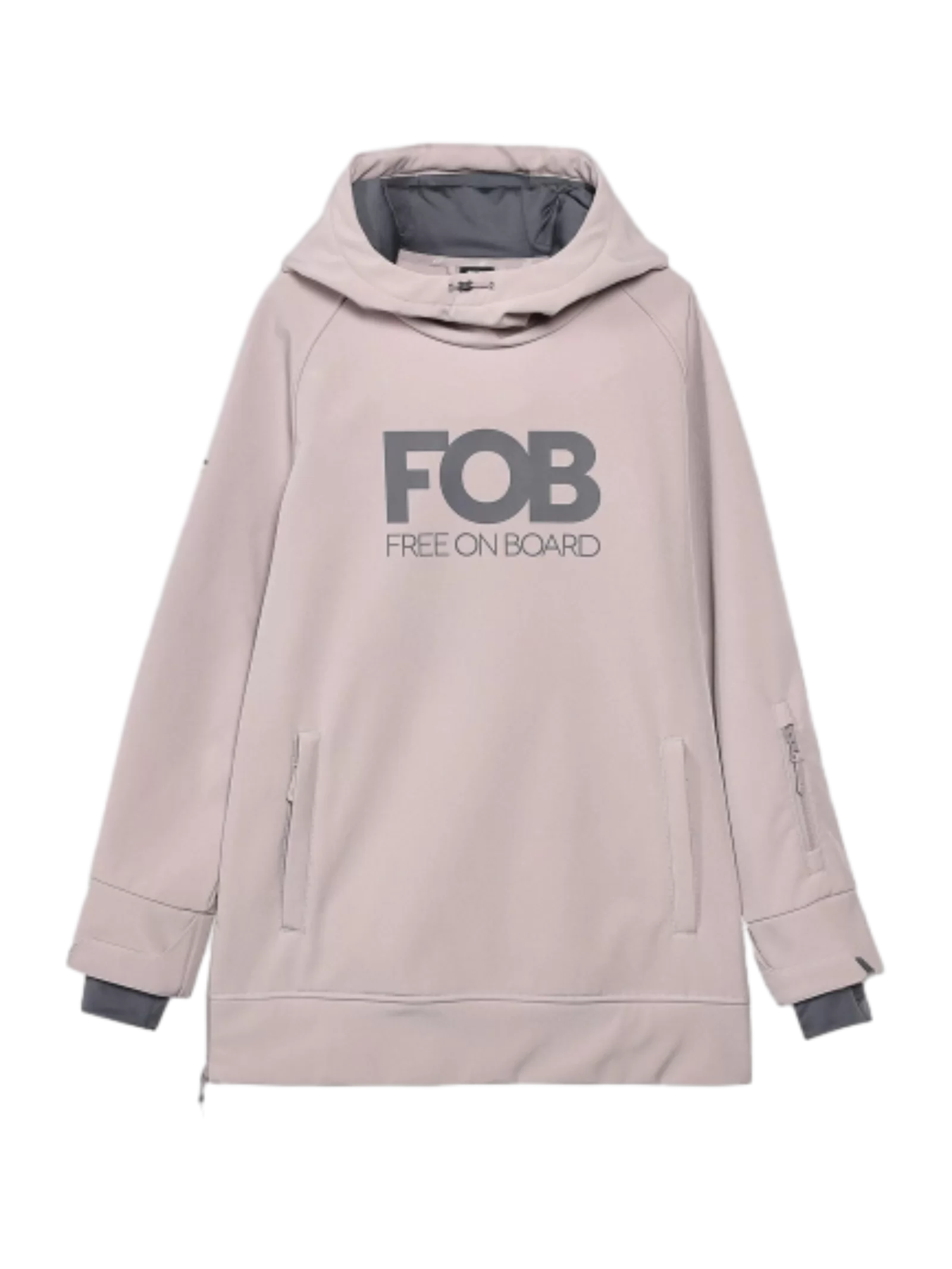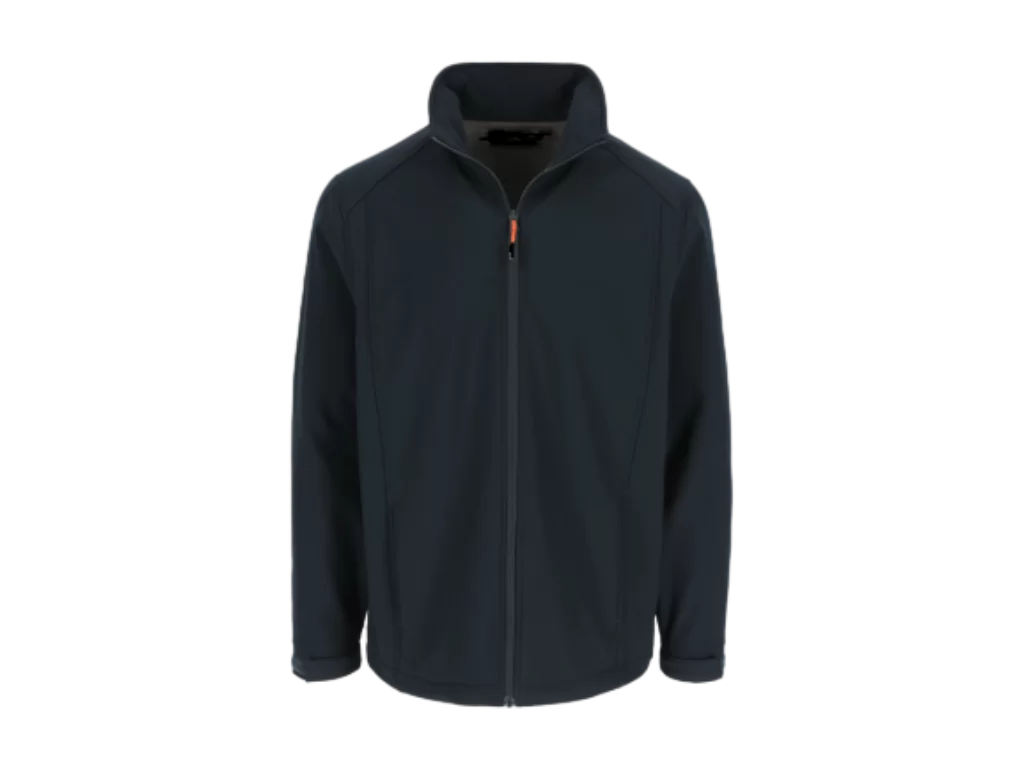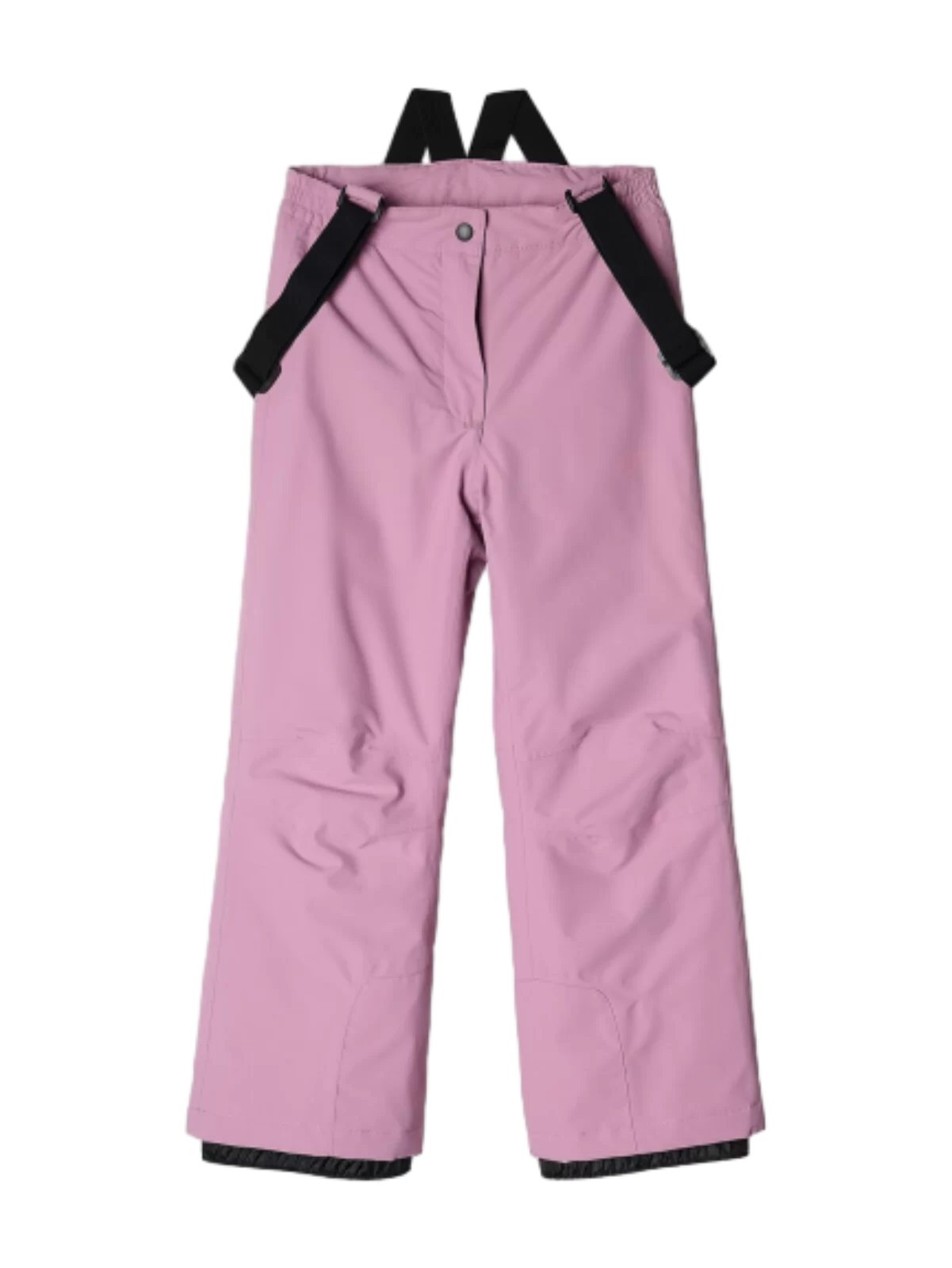
In the wide, sometimes unpredictable world of outdoor apparel, the junior anorak jacket stands out as a practical, stylish, and increasingly essential item for kids. Whether it's for tackling sudden rain showers at school recess or gearing up for family hikes, these lightweight, weather-resistant jackets have found a global foothold. This piece explores why junior anorak jackets matter worldwide, their key attributes, current uses, and how they shape the outdoor apparel industry, particularly for younger adventurers.
Worldwide, outdoor activities for children have surged—in part thanks to health initiatives promoting an active lifestyle defined by the World Health Organization. Consequently, parents and schools increasingly seek gear that protects while encouraging freedom of movement. Junior anorak jackets, with their blend of weather protection and lightweight design, address this niche perfectly.
Oddly enough, while the concept of an anorak has been around for ages, modern junior versions are becoming smarter with technology like breathable membranes and eco-friendly materials. According to the ISO standards on textile performance, such outerwear must balance water resistance with breathability—which can be challenging for smaller sizes made to fit children's active play without overheating.
Mini takeaway: The junior anorak jacket serves both a practical and emotional role in children’s outdoor lives internationally, symbolizing protection and freedom.
A junior anorak jacket is essentially a pullover outer layer, typically hooded, designed for children. It offers water and wind resistance, often fashioned from nylon or polyester, sometimes treated with DWR (Durable Water Repellent) coatings. Think of it as a lightweight shield against weather while keeping kids comfy. Unlike heavier coats, anoraks are compact and easy to store, making them apt for spontaneous weather changes.
These jackets hold special importance in segments like schoolwear, hiking gear, and casual use. They're practical even for humanitarian needs—say, in relief camps where children must stay warm and dry without heavy gear. The junior sizing ensures the fit respects children's activity patterns, encouraging outdoor engagement.
Mini takeaway: A junior anorak jacket is a versatile, child-sized weatherproof pullover that fills a very specific, functional apparel gap.
Given how rough kids can be, durability is a must. Durable fabrics and reinforced seams mean the jacket can survive playground scuffles and outdoor adventures. Many manufacturers opt for ripstop nylon to guard against tears and improve longevity.
Waterproof or water-resistant – that’s the question. Most junior anoraks use DWR-treated shells that repel light to moderate rain. Breathable membranes like microporous films ensure perspiration escapes, reducing clamminess.
Parents love how easily these jackets fold into small parcels, ideal for backpacks or stashing in a car glove box—crucial for sudden downpours during outings.
It’s no secret: Kids need to move freely. Elastic cuffs, adjustable hoods, and a loose enough fit help maintain comfort without sacrificing protection.
More brands now champion recycled materials and PFC-free treatments, adding eco-credentials to junior anorak jackets as families tend toward greener purchasing decisions.
| Feature | Specification |
|---|---|
| Material | 100% recycled ripstop nylon |
| Water Resistance | DWR coating, hydrostatic head 5,000 mm |
| Breathability | 5,000 g/m²/24h |
| Fit | Loose with adjustable hood and elastic cuffs |
| Weight | Approx. 250 grams (size medium) |
In temperate and cold climates—think northern Europe or Pacific Northwest USA—these jackets are daily essentials for school days. They’re common in outdoor education programs, which have grown by over 30% in recent years according to UNESCO data, highlighting demand for reliable kid-sized weatherproof gear.
Oddly enough, even humanitarian organizations like UNICEF distribute similar lightweight jackets during emergency relief in regions like Southeast Asia, where monsoons trigger floods and children need dry, breathable protection.
Adventure camps, scout groups, national park visitor centers, and remote mountain villages also rely on junior anoraks as a flexible protective layer that doesn’t weigh down children or hamper their explorations.
Mini takeaway: From daily schoolwear to extreme relief contexts, the junior anorak jacket’s versatility makes it truly global.
There’s also a certain trust parents place in known brands that meet regulatory safety standards for children’s apparel. The feeling that their child is “well-equipped” for weather variation adds a layer of emotional comfort.
Materials science is promising quite a bit. For example, graphene-infused fabrics might soon offer superior thermal regulation without bulk. Smart textiles embedded with sensors to monitor body temperature or jacket usage could become common.
Environmental concerns push brands toward 100% biodegradable coatings or closed-loop manufacturing aiming for zero-waste production. Digital customization tools allow parents to design personalized anoraks quickly—helpful for schools or teams.
The biggest issue remains balancing water resistance with breathability in child-friendly designs. Too much waterproofing can cause overheating; too little leads to wet clothes and unhappy kids. Some brands counter this with ventilation zippers or mesh linings.
Affordability is another challenge. High-tech materials sometimes escalate prices, but economies of scale and wider adoption are bringing costs down.
| Brand | Price Range | Eco-Friendly Materials | Waterproof Rating | Additional Features |
|---|---|---|---|---|
| Rainproof Kids | $40 - $60 | 50% recycled | 5,000 mm | Adjustable hoods, reflective strips |
| GreenSprout | $60 - $85 | 100% recycled | 7,000 mm | PFC-free DWR, packable pouch |
| Outdoor Edge Jr. | $35 - $55 | 30% recycled | 4,000 mm | Elastic cuffs, mesh lining |
Q1: What makes a junior anorak jacket better than a standard raincoat?
A: Junior anorak jackets usually balance water resistance with breathability better than bulkier raincoats. They’re lightweight, easy to pack, and tailored for children’s sizes, enabling freer movement during play which raincoats sometimes hinder.
Q2: How long does a junior anorak typically last?
A: It depends on usage, but quality anoraks can last 2-3 seasons for growing children. Durable fabrics and reinforced stitching help extend longevity despite rough outdoor activities.
Q3: Are junior anorak jackets environmentally friendly?
A: Many brands now use recycled nylon or polyester and low-impact water repellency treatments. Certifications and labels are good indicators, though some jackets still rely on PFC-based coatings that are less eco-friendly.
Q4: Can I customize an anorak for my child’s school or team?
A: Yes, several manufacturers offer bulk orders with custom colors, logos, or prints. This is popular for outdoor programs, scout troops, and recreational clubs.
To wrap it all up, the junior anorak jacket is more than just a lightweight outer layer—it’s a small but significant piece of gear that supports children’s outdoor adventures worldwide, blending protection, comfort, and increasingly thoughtful sustainability. Parents, educators, and humanitarian organizations alike recognize its value. If you’re looking to equip your young explorer with durable, effective, and stylish weatherwear, checking out selections like those at our trusted outdoor shop is a great first step.
Sometimes, it’s the simplest gear that makes the biggest difference in a child’s experience of the outdoors.
Casual takeaway: Junior anorak jackets prove that good design and functionality need not be complicated – just thoughtfully made for the next generation of explorers.


If you are interested in our products, you can choose to leave your information here, and we will be in touch with you shortly.