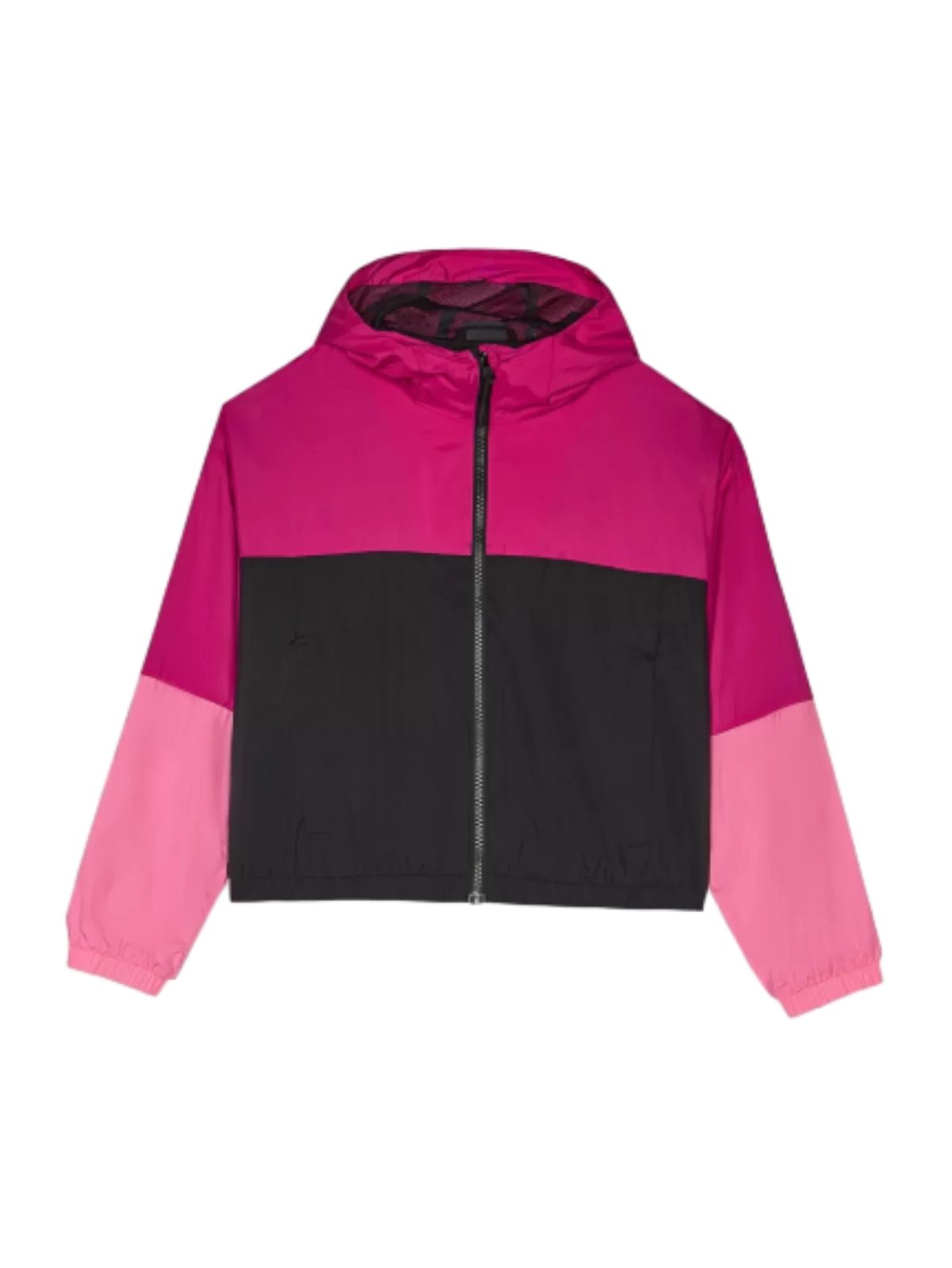
At first glance, a junior reflective jacket might seem like a simple piece of kids’ outerwear—something to toss on before a walk or a bike ride. But zoom out a little, and you start to see how much these jackets matter, not just for individual safety but globally. With road accidents being a leading cause of preventable injuries among children worldwide, enhancing visibility is critical. According to the World Health Organization (WHO), more than 1.3 million people die annually from road traffic crashes—many involving pedestrians, especially children.(1) This makes understanding reflective wear, especially those designed for juniors, a surprisingly important global safety topic.
Visibility on roads, playgrounds, and school zones dramatically reduces accidents. The demand for effective junior reflective jackets has soared worldwide, particularly in urban areas with increasing traffic density. Oddly enough, while traffic safety standards climb steadily for vehicles, pedestrian visibility gets less spotlight. Organizations like ISO and UNECE have pushed reflective standards for commercial use, but junior reflective apparel remains an evolving niche with enormous potential.
Consider this: in many countries, walking or cycling to school is common, but poor light conditions during mornings and evenings lead to tragic accidents. The junior reflective jacket steps in to help fill this safety gap.
Simply put, a junior reflective jacket is a lightweight, specially designed outerwear for children that incorporates high-visibility materials, like retroreflective strips or panels. These jackets bounce back light towards its source—such as car headlights—making the wearer easier to see in low-light or bad weather conditions. Unlike adult reflective gear, these jackets are tailored for comfort, movement, and size to suit younger bodies.
From parents to public authorities, these jackets help prevent accidents and give peace of mind. But they're not just for school streets — think hiking, cycling, or nighttime events where kids need to stand out.
The heart of any reflective jacket is its luminescence. High-grade retroreflective tape, certified to standards like EN ISO 20471, ensures the best return of light signals, increasing visibility by up to 300%. Lower-quality tapes fade quickly; good ones maintain effectiveness through multiple washes.
Kids are endlessly active, so flexibility is crucial. Breathable fabrics such as polyester blends combined with lightweight padding keep jackets from feeling stiff or cumbersome. Adjustable features allow for growth and layering over clothing.
Outdoor wear often means rain, mud, and rough play. Water-resistant coatings (like PU or DWR treatments) and robust stitching extend the jacket’s life, helping it survive the inevitable scrapes.
Some jackets incorporate additional elements such as LED lights, whistle toggles, or bright coloration that enhance child safety across a variety of environments.
Clothes for kids have to endure rough washing cycles, so materials slow to degrade or peel are favored.
| Specification | Details |
|---|---|
| Material | Polyester blend with 3M reflective tape |
| Visibility Standard | EN ISO 20471 Class 2 |
| Water Resistance | DWR Coating, repels light rain and snow |
| Sizes Available | XS to XL (ages 3-12) |
| Weight | Approx. 250g |
| Additional Features | Reflective zipper, detachable hood, adjustable cuffs |
It's a small garment with a big safety footprint—linking directly to global initiatives focused on child wellbeing and injury prevention.
These jackets aren't just about ticking a safety box; they foster trust. Parents feel reassured, and kids gain confidence, knowing they’re visible. Beyond emotional comfort, there's a practical ROI — fewer accidents mean less medical and social costs. Environmentally, durable jackets with sustainable materials reduce demand for replacements, aligning with shifting industry standards toward eco-conscious apparel.
The future is surprisingly techy. For instance, some manufacturers are integrating smart textiles capable of changing reflectivity based on ambient light or movement. There's also a move towards fully recyclable materials to meet increasingly strict regulations, as well as LED integration controlled by smartphone apps. Plus, automation in production is improving affordability and customization options.
One issue? Ensuring that reflective jackets appeal to kids so they actually want to wear them. Adding bright colors, fun designs, and lightweight fabrics helps but balancing cost and technology remains tricky. Additionally, washing can degrade reflectivity; novel coatings and protective layers are being researched to boost lifespan. Experts advise pairing jackets with education campaigns so children understand the importance of visibility.
| Brand | Reflectivity Grade | Price Range (USD) | Eco-Friendly | Unique Feature |
|---|---|---|---|---|
| GlowSafe Kids | EN ISO 20471 Class 2 | $45-$60 | Yes (Recycled PET) | LED integrated strips |
| SafeStride Junior | EN ISO 20471 Class 1 | $30-$45 | Partial organic cotton | Detachable hood |
| ReflectoWear | EN ISO 20471 Class 3 | $55-$70 | No | Extra zipped pockets |
Safety isn’t just a buzzword—it’s a daily need, especially for children navigating busy streets and outdoor adventures. Investing in a durable, comfortable, and high-visibility junior reflective jacket is an investment in peace of mind, injury prevention, and long-term wellbeing. As innovation marches forward—calling in sustainable materials and smart tech—these jackets will only become more essential.
Whether you’re a parent, caregiver, or safety professional, it’s time to prioritize visibility. After all, a little brightness goes a long way. Ready to shop? Visit our trusted store and find the jacket that suits your young explorer best.
Takeaway: Don’t underestimate the power of being seen—especially when it comes to protecting our youngest.


If you are interested in our products, you can choose to leave your information here, and we will be in touch with you shortly.