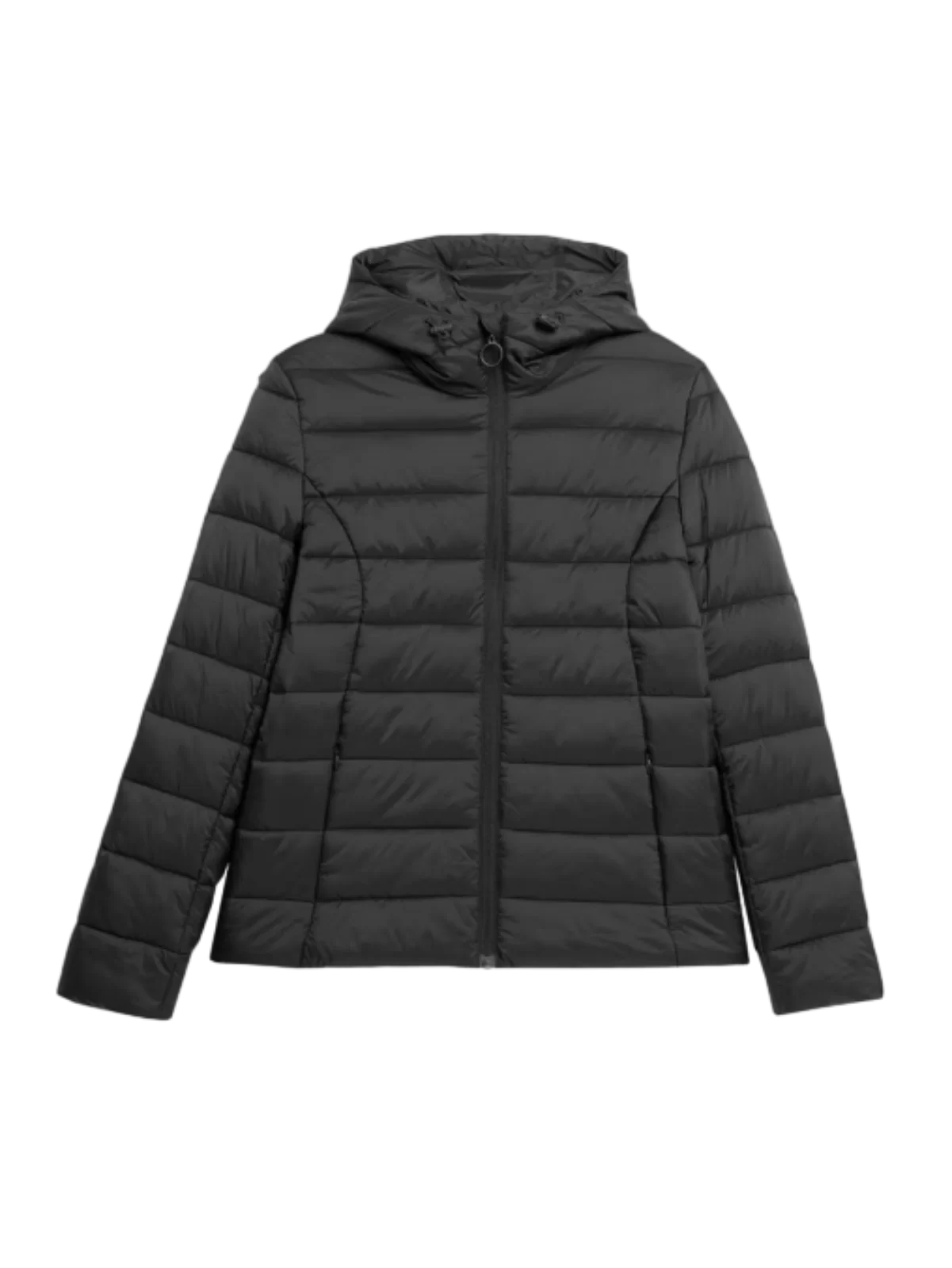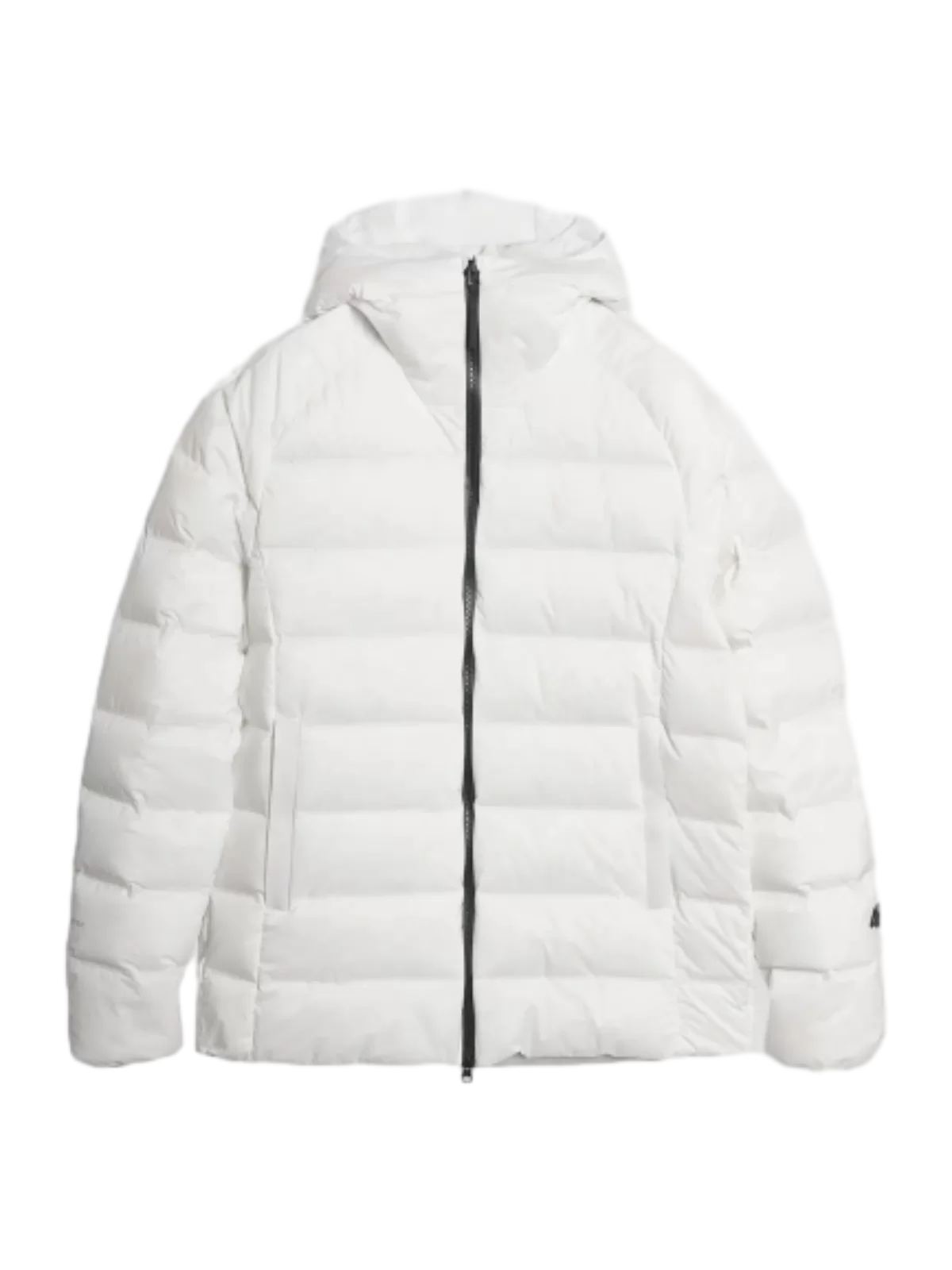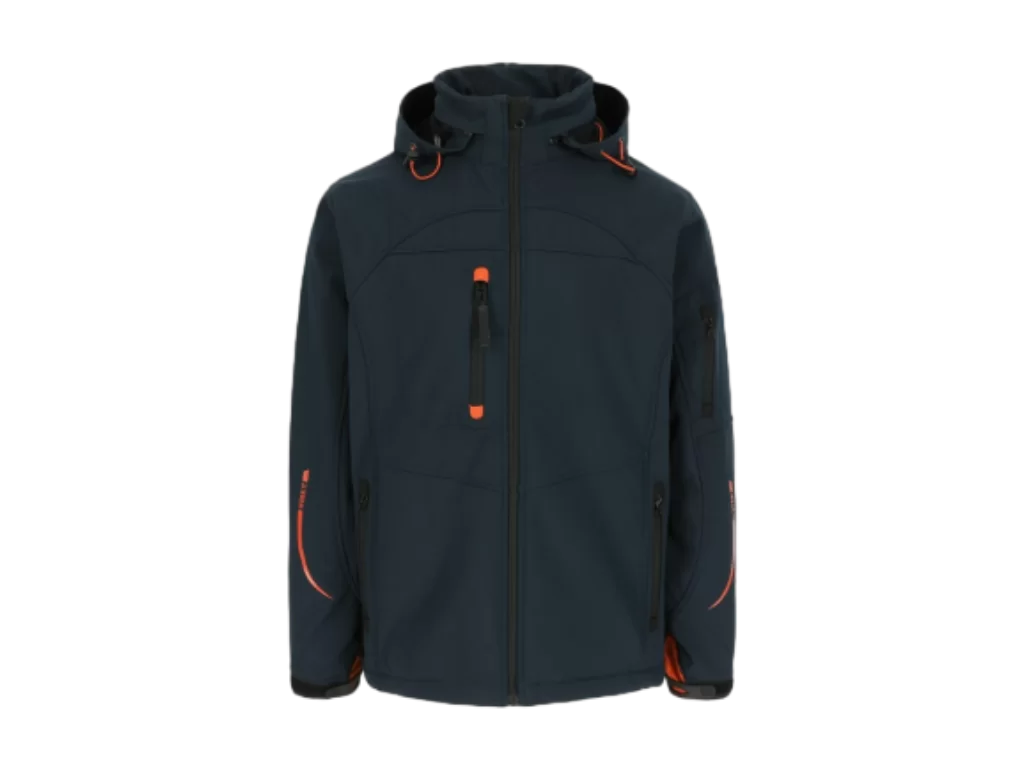
Having spent more than a decade in industries where cold, harsh conditions aren't just uncomfortable but downright hazardous, I've grown to appreciate gear that really stands up to the test. Among all winter wear, the full length men's puffer coat stands out—both for its practical benefits and some surprisingly nuanced design decisions that reflect serious engineering thought.
Now, you might wonder, aren’t all coats pretty much the same? Oddly enough, they're not. A good puffer coat is more than just 'stuffed' fabric. In real terms, the right insulation, fabric choices, and length make a huge difference — whether you're working outside in freezing temps or maneuvering bulky equipment indoors where drafts sneak in.
From my experience walking factory floors or climbing scaffolding on a chilly morning, the extra coverage that a full length coat provides means keeping your core heat insulated a lot better than a shorter jacket. It’s not just about warmth; it’s about preventing the cold from creeping up your back or thighs—those areas that tend to lose heat fast because of body movement.
Many industrial workers I’ve talked to swear by this style. One longtime engineer shared how the longer cut helped him avoid chronic stiffness in his lower back after winter shifts outdoors. It’s anecdotal, sure, but pretty convincing.
When it comes to materials, I often see a split between traditional down-filled insulation and synthetic alternatives. Down is amazing for trapping heat without much weight, but synthetic fills provide better resistance when things get wet — quite crucial if you’re on a job site exposed to snow or rain.
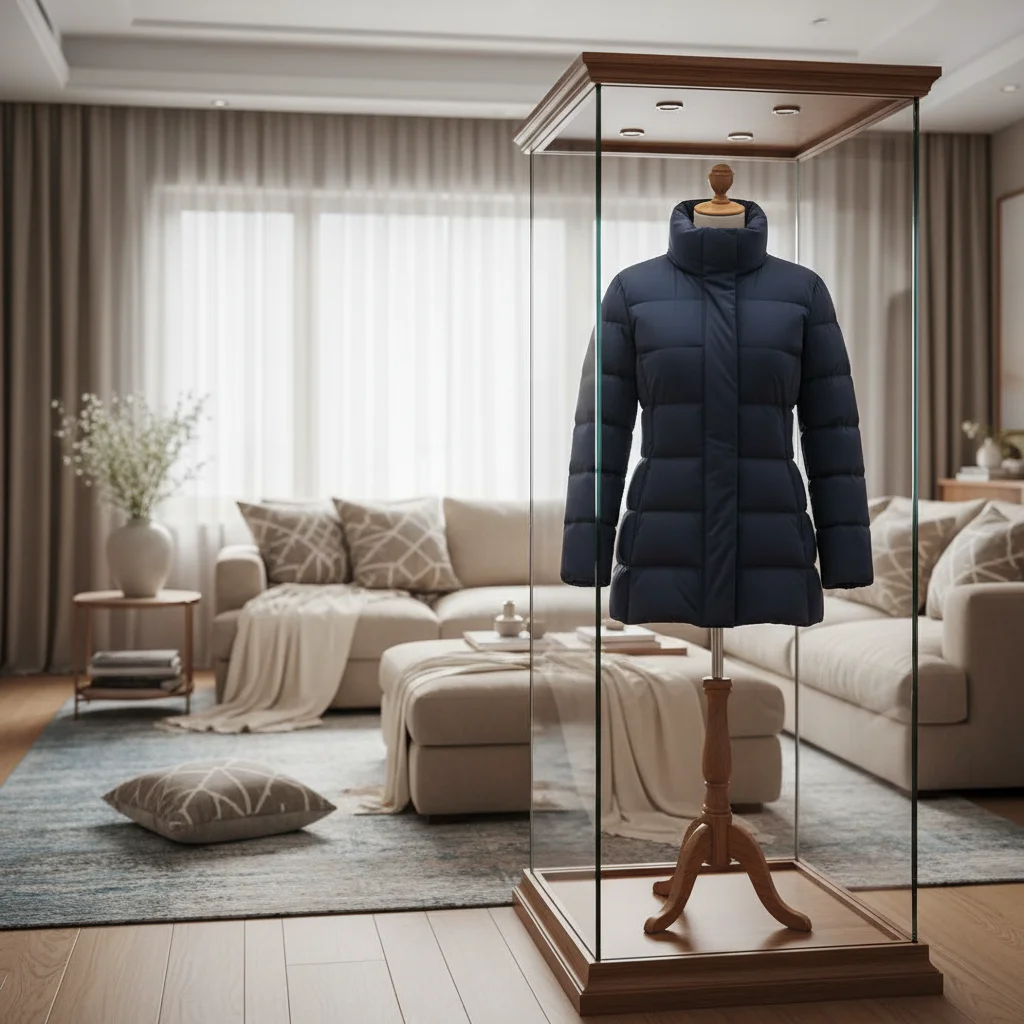
Many coats now utilize water-resistant nylon or polyester shells, sometimes with a DWR (Durable Water Repellent) finish. The baffles — the stitched compartments holding the insulation — are designed carefully to minimize cold spots. Oddly enough, some models use a horizontal pattern while others go vertical; each has pros and cons in terms of flexibility and warmth retention.
| Feature | Specification |
|---|---|
| Length | Mid-thigh to knee |
| Insulation | 700 Fill Power Goose Down / Synthetic option available |
| Shell Material | Water-resistant Nylon with DWR coating |
| Weight | 1.2 - 1.5 kg (varies by size) |
| Features | Adjustable hood, zippered pockets, storm flaps |
| Vendor | Insulation | Water Resistance | Price Range | Warranty |
|---|---|---|---|---|
| Outdoor-Apparels | 700 Fill Power Goose Down | DWR Coated Nylon | $180 - $220 | 2 Years |
| Tundra Gear | Synthetic Insulation | Waterproof Membrane | $150 - $190 | 1 Year |
| ForgeWear | Down Blended with Synthetic | Water Repellent Finish | $210 - $250 | 3 Years |
Frankly, I’ve come to trust Outdoor-Apparels for their reliable blend of warmth, durability, and price. Their coats hold up well under typical industrial stresses and they’ve clearly thought through user needs — like reinforced stitching at stress points, useful pocket layouts, and practical hoods that accommodate helmets.
One incident stands out: during a brutal winter day on-site, a colleague's standard jacket gave out after a few hours, soaked through and useless. By contrast, the full length puffer I had kept me warm and dry until the job wrapped late afternoon. That was a quietly convincing moment to everyone around.
So, if you spend a lot of time battling cold, windy environments — be it on construction sites, outdoor logistics, or even casual winter outings — investing in a quality full length men's puffer coat is kind of a no-brainer. It’s a piece of gear that genuinely feels made for the job.
Not all cold-weather apparel is created equal. And after years in the field, you learn to spot the difference — between gear that’s “good enough” and gear that really works. If you’re looking to upgrade your winter layering game, don’t overlook the full length puffer coat; it’s a staple for a reason.
References:


If you are interested in our products, you can choose to leave your information here, and we will be in touch with you shortly.