Look, I've been running around construction sites all year, covered in dust, smelling like cement, and honestly, you start to see patterns. Lately, everyone’s obsessed with lightweight stuff, right? Trying to shave every gram, which is good, don’t get me wrong. But sometimes, they go too far. I saw a batch of composite panels last month that were so light, they felt…flimsy. Like a good gust of wind would take ‘em. It’s a trade-off, always a trade-off. And that’s what people forget.
It's funny, you spend all this time designing, running simulations, and then you get on-site and the guys are using it completely differently than you imagined. Like, completely differently. I swear. Anyway, I think the biggest thing is people underestimate the practicalities.
You gotta remember, this isn't about making something pretty in a showroom. It's about surviving a beating on a job site.
The Current Landscape of Outdoor Apparel Manufacturing
To be honest, the whole industry's shifted East. Vietnam, Bangladesh, China still, but Vietnam’s really picking up steam. They're hungry for work, and the quality is getting surprisingly good. I was at a factory in Vietnam last year, and the attention to detail… it blew me away. But you gotta watch ‘em, you know? Quality control is still a big issue, especially with the newer factories. It’s not like things are standardized. Every place has its quirks.
And the pressure’s on to be sustainable, which is good, I guess. But ‘sustainable’ can mean a lot of things, and sometimes it feels like greenwashing. Everyone's talking about recycled materials, but finding reliable sources that can deliver the volume we need…that's the trick.
Design Pitfalls & Common Mistakes
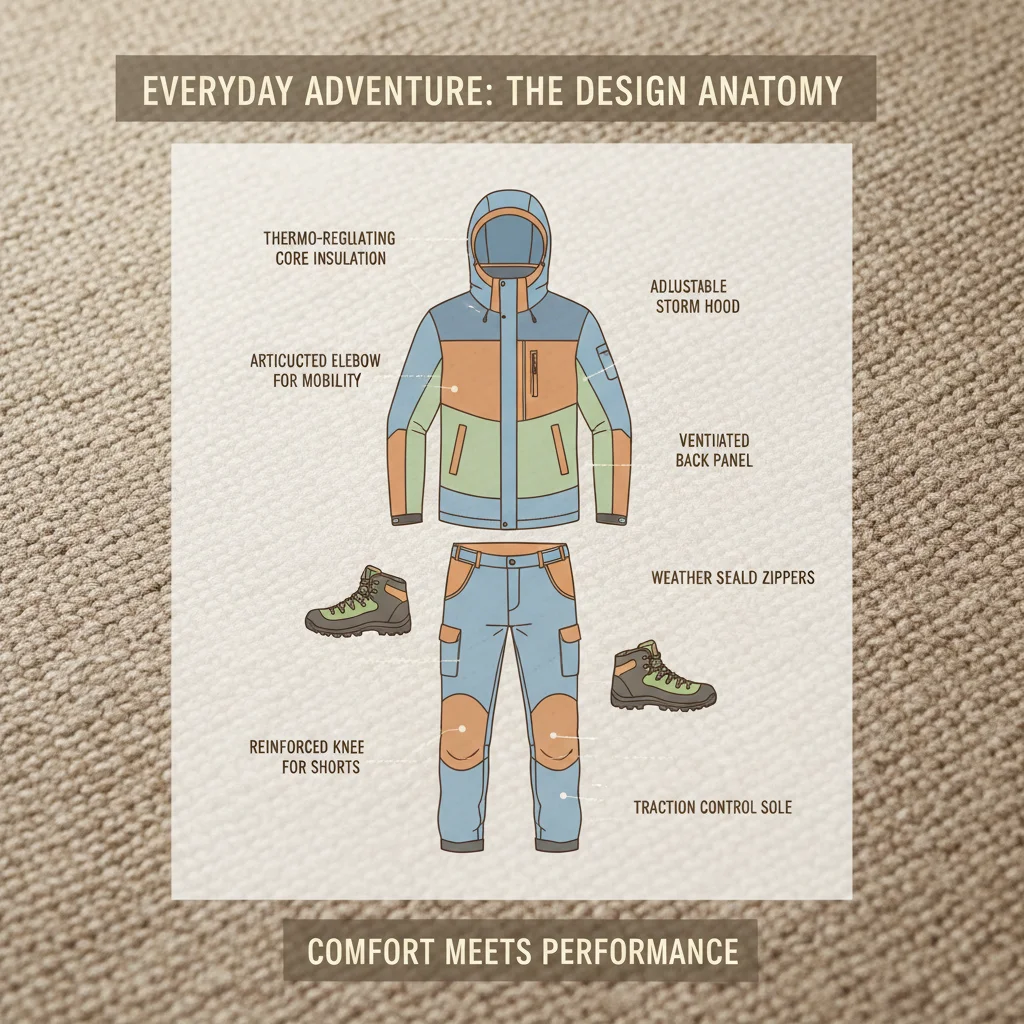
Have you noticed how many designs prioritize aesthetics over functionality? It drives me crazy. Like, a beautiful jacket that falls apart after a week. What’s the point? The biggest mistake I see is not thinking about how the garment is actually constructed. Seams, stress points, reinforcement…that’s where everything fails. And people get obsessed with zippers. Zippers! They’re always the first thing to go.
Another thing is underestimating the importance of waterproofing. It’s not just about the fabric, it’s about the seams, the closures, everything. You need a system. And don't even get me started on pockets. People want pockets everywhere, but they forget about weight distribution and how it affects the overall balance of the garment.
Strangely, a lot of designers aren't actually wearing the stuff they design. They’re sitting in their offices, sketching on computers, and they haven't spent a day in the field. It shows.
Material Deep Dive: What We're Actually Using
Okay, so you've got your standard nylon and polyester, obviously. But it's the variations that matter. Like, Cordura nylon feels completely different than regular nylon. It’s got that stiffness, that abrasion resistance. You can smell it, almost. It's a…robust smell, if that makes sense. And then there's ripstop nylon – that one's clever, prevents tears from spreading.
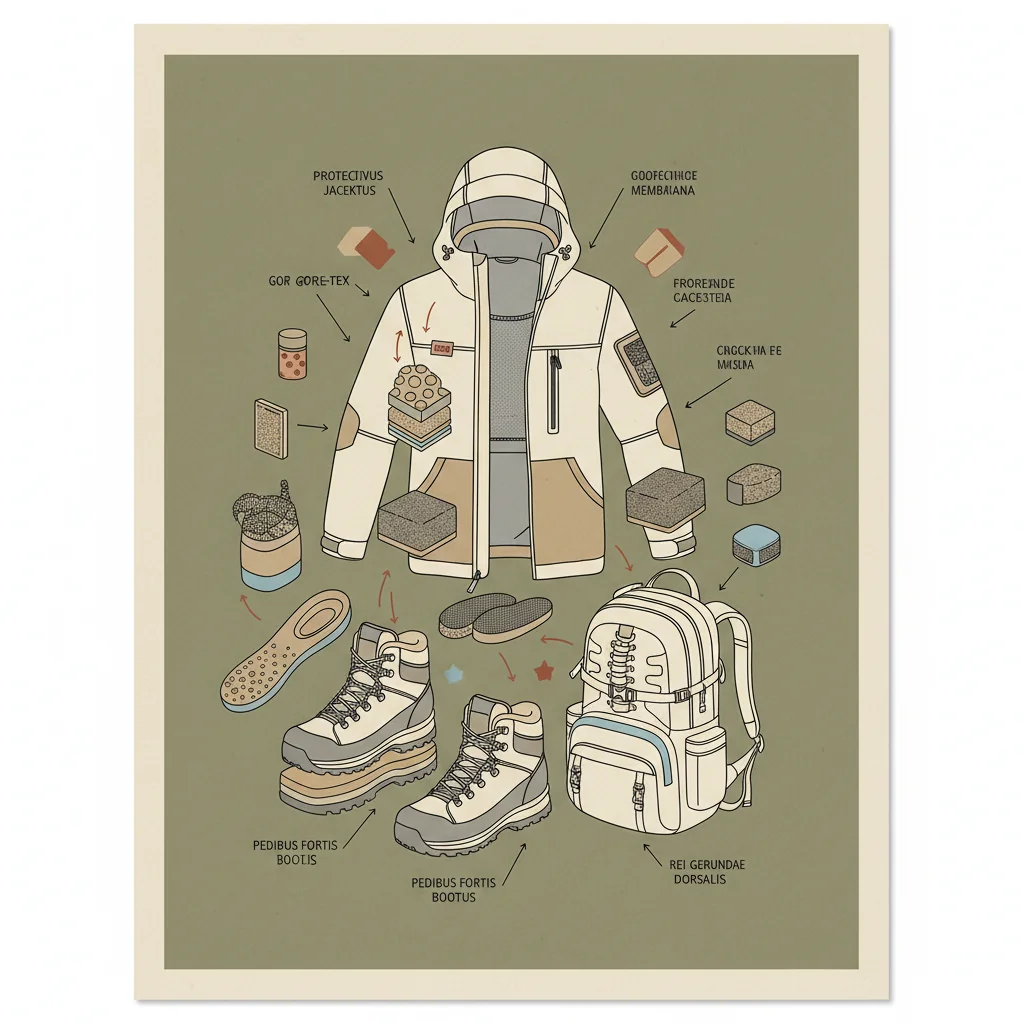
Gore-Tex, of course. It’s the gold standard for waterproof breathability. But it’s expensive, and it's not perfect. It needs to be treated properly, otherwise it loses its effectiveness. You see a lot of cheaper alternatives popping up, trying to mimic Gore-Tex, but they usually fall short. They might be waterproof, but they don’t breathe, and you end up just as wet from sweat.
And then you've got your blends. Polyester-cotton, nylon-spandex…trying to get the best of both worlds. Spandex is great for stretch, but it degrades over time with UV exposure. It’s a delicate balance. You're always trying to find that sweet spot between durability, comfort, and cost. Later…forget it, I won’t mention the microplastics.
Real-World Testing: Beyond the Lab
Lab testing is fine, I guess. They can measure tear strength and water resistance and all that. But it doesn't tell you how the garment will actually perform. You need to get it out in the field, get it dirty, get it abused. We send stuff to mountaineers, hikers, construction workers, people who are genuinely pushing it to the limit.
I remember one time, we sent a prototype jacket to a guy who was building a wind farm in the North Sea. Brutal conditions. He came back with a report that was…detailed. He said the jacket kept him dry, but the sleeves rubbed against the turbine blades and started to fray. That's the kind of feedback you can’t get in a lab.
Outdoor Apparel Manufacturers - Rigorous Testing Scores
How Users Actually Interact with Outdoor Apparel
This is where it gets interesting. You design a jacket for hiking, and people are wearing it to commute to work. You design pants for rock climbing, and people are wearing them to the grocery store. They don't care about all the technical features, they just want something comfortable and functional. I mean, sure, some people care about the details, the breathability, the waterproofing. But most people just want something that looks good and keeps them dry.
I saw a guy last week using a high-end waterproof backpack as a diaper bag. A diaper bag. Seriously. It's funny, but it also makes you think. You spend all this time engineering something for a specific purpose, and then someone comes along and repurposes it in a way you never imagined.
Pros, Cons, and the Balancing Act
The advantage of working with these manufacturers is the scale, the cost. You can get a lot of stuff made for a reasonable price. But the downside is the lack of flexibility. If you need a small run of something customized, it can be a nightmare. And the communication can be challenging. Cultural differences, language barriers… it all adds up.
Another thing is the lead times. Everything takes longer than you expect. You order fabric, and it’s delayed. You order zippers, and they’re the wrong color. You think you’ve finalized the design, and then someone changes something without telling you. It's constant fire-fighting.
But ultimately, the quality can be really good. You just have to be vigilant, you have to be on-site, you have to build relationships with the people who are making your stuff.
Customization & Specific Applications
Customization is tricky. They’re used to mass production, so anything off-menu is a hassle. But it's doable. Last month, that small boss in Shenzhen who makes smart home devices insisted on changing the interface to on a batch of waterproof pouches, and the result was a three-week delay and a whole lot of headaches. He swore his customers wanted it, and honestly, I don’t even know why.
Specific applications? Everything. Military contracts, medical supplies, outdoor gear, industrial workwear… they can handle a lot. But you need to be clear about your requirements, you need to provide detailed specifications, and you need to be prepared to pay a premium.
I've seen them make everything from ballistic vests to hospital gowns. It’s pretty amazing, actually. They're adaptable.
A Summary of Key Customization Options for Outdoor Apparel Manufacturers
| Customization Type |
Complexity Level (1-5) |
Cost Impact (Low/Medium/High) |
Typical Lead Time Extension (Days) |
| Logo Embroidery/Printing |
1 |
Low |
0-3 |
| Color Modification (Existing Palette) |
2 |
Low |
3-5 |
| Fabric Substitution (Similar Weight/Weave) |
3 |
Medium |
5-7 |
| Pattern Alteration (Minor Adjustments) |
3 |
Medium |
7-10 |
| New Pocket Placement/Design |
4 |
Medium/High |
10-14 |
| Complete Design Redraw/New Component |
5 |
High |
14+ |
FAQS
Honestly, communication is number one. Language barriers are real, and cultural differences can lead to misunderstandings. Then there’s quality control – you have to have someone on the ground, checking everything. Lead times are also a constant struggle. They always underestimate how long things will take. And don't forget about intellectual property protection; you need solid contracts and trusted partners.
Crucially important. It’s not just about placing orders and expecting results. You need to treat them as partners, visit their facilities, get to know their team, and show them respect. If they trust you, they’ll go the extra mile. If they don’t, you’re just another customer, and you’ll get what you pay for. I've seen firsthand how a good relationship can solve problems before they even happen.
You need a dedicated quality control team, either your own or a third-party inspection service. They need to be at the factory throughout the production process, not just at the end. They should inspect raw materials, monitor production, and conduct final inspections before shipment. Detailed inspection reports are essential. And don’t be afraid to reject shipments if they don’t meet your standards. It stings, but it's better than sending faulty products to your customers.
Absolutely. You need to ensure they’re adhering to fair labor practices, providing safe working conditions, and respecting the environment. Look for certifications like WRAP or BSCI. Ask questions about their policies and procedures. And don’t just take their word for it; conduct your own audits. Your brand reputation is at stake.
It varies wildly depending on the product, the quantity, and the manufacturer. But you can typically save 30-50% compared to domestic manufacturing. However, you need to factor in shipping costs, import duties, and the cost of quality control. And don't forget about the potential for delays and communication issues. It’s not always as straightforward as it seems.
Vietnam is generally becoming more competitive on both price and quality, but infrastructure isn't quite as developed as China. China still has a huge manufacturing base, and they’re very experienced, but labor costs are rising and quality control can be inconsistent. Vietnam is often more flexible and responsive, especially for smaller runs. Ultimately, it depends on your specific needs and priorities. But honestly, Vietnam is where I’m placing most of my bets these days.
Conclusion
So, look, building outdoor apparel, it's not rocket science, but it’s not easy either. It’s a constant balancing act between cost, quality, sustainability, and functionality. You’ve got to understand the materials, the manufacturing processes, and the realities of working with overseas factories. It requires patience, attention to detail, and a willingness to get your hands dirty.
Ultimately, whether this thing works or not, the worker will know the moment he tightens the screw. You can have all the fancy designs and simulations in the world, but if it doesn’t hold up in the real world, it’s all for nothing. And if you want to make something that lasts, you gotta listen to the guys on the ground. They're the ones who know what really matters.