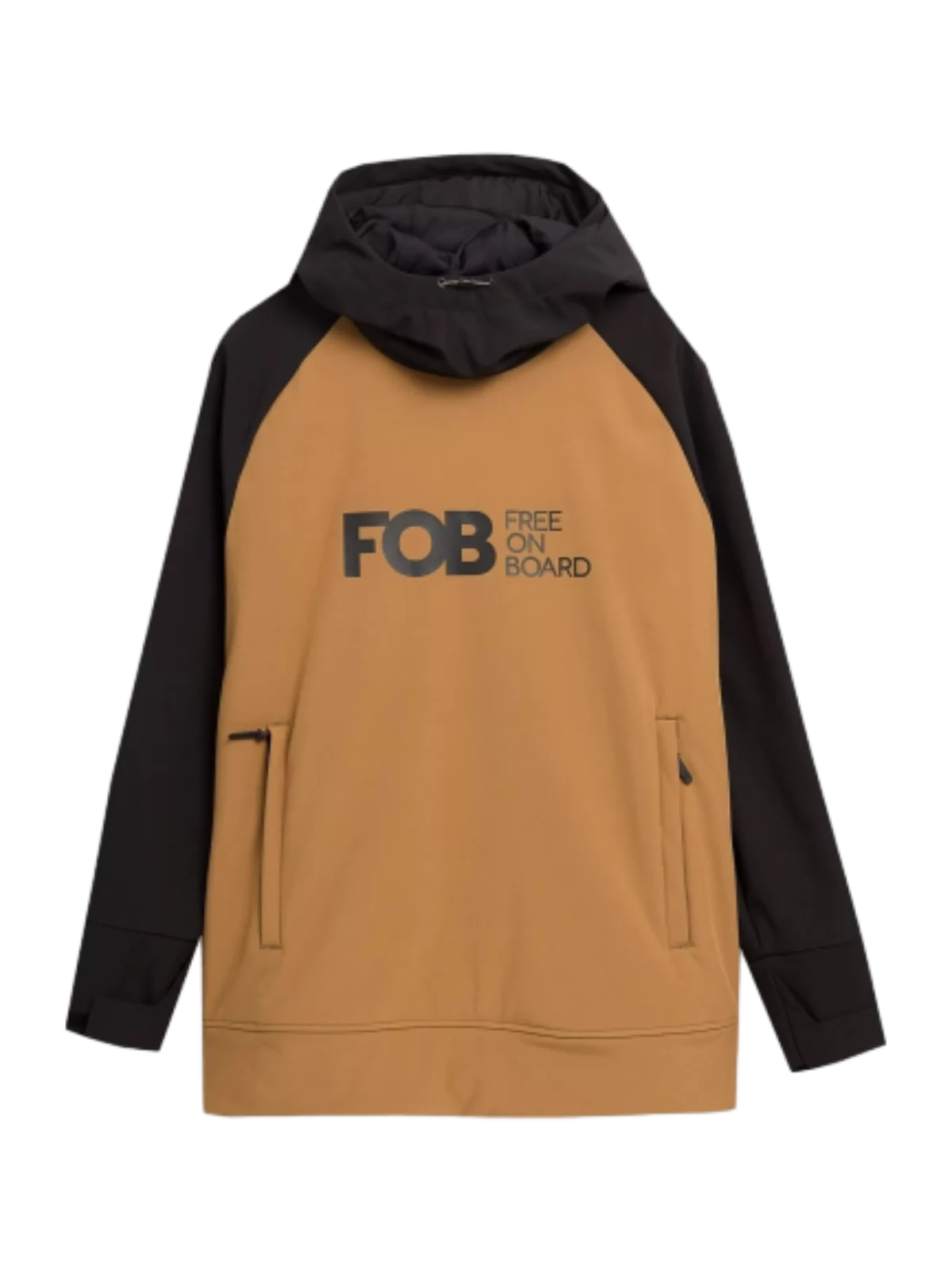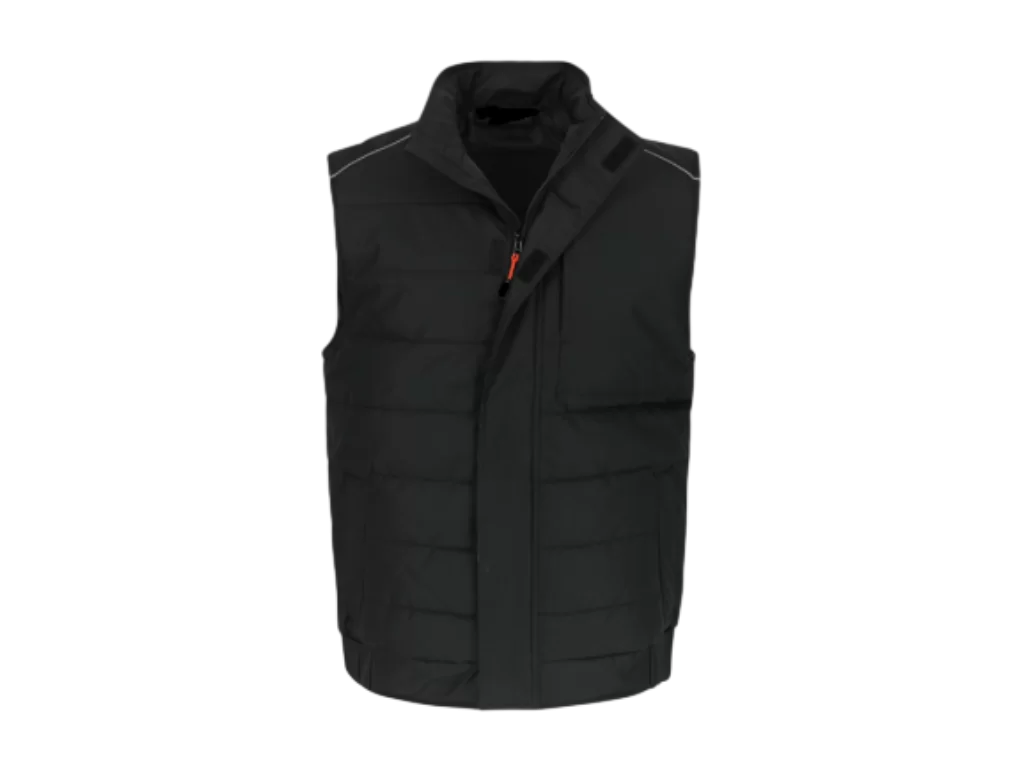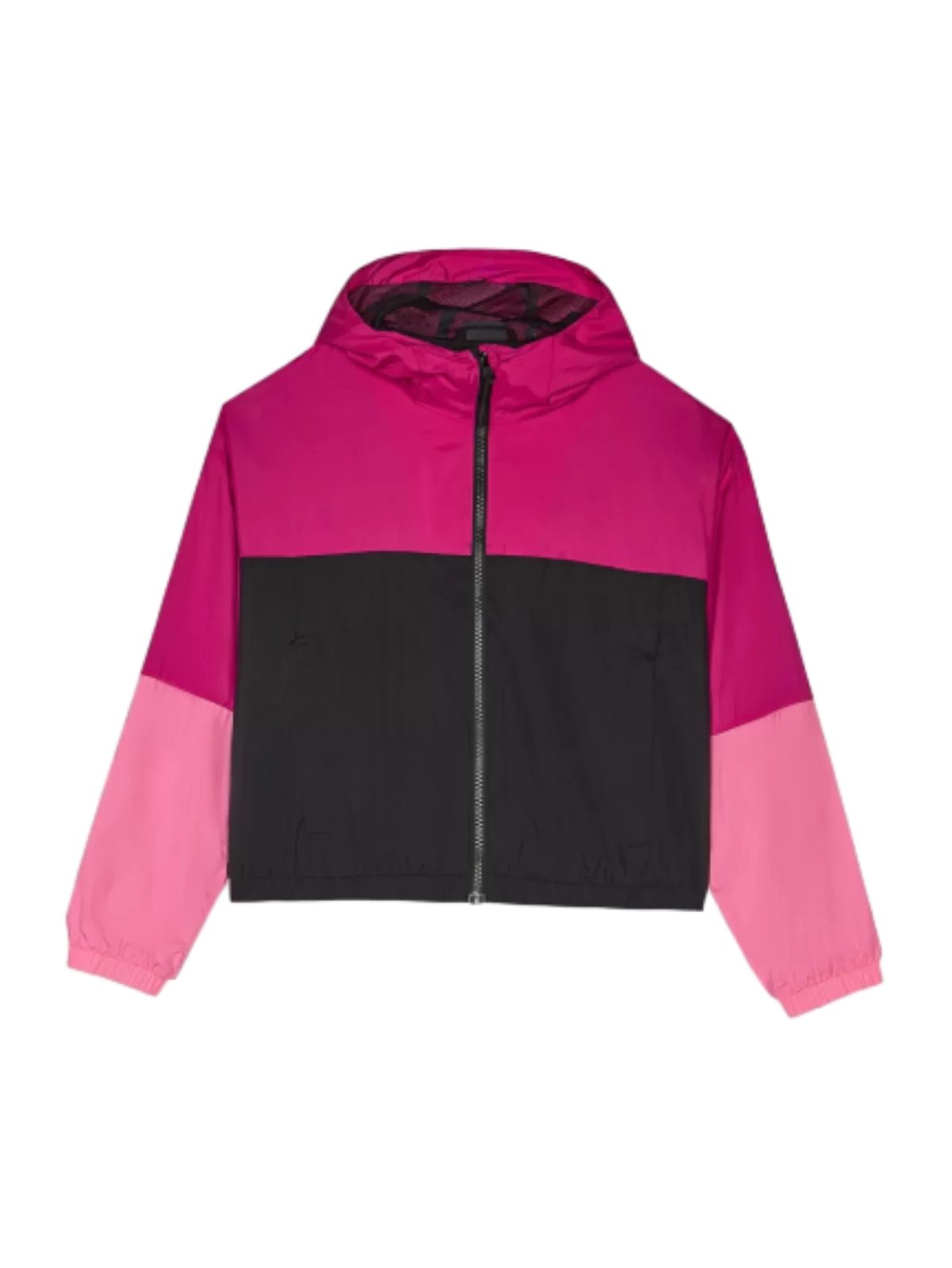
When the temperatures drop, a reliable warm puffer jacket is essential for comfort and protection. Whether you're navigating a bustling city or embarking on a winter adventure, selecting the right jacket can make all the difference. This article will explore the key features to look for, the different types available, and how to choose a puffer jacket that meets your specific needs. We’ll help you stay cozy and stylish all season long.
The heart of any warm puffer jacket lies in its insulation. The two main types are down and synthetic. Down, typically sourced from ducks or geese, is renowned for its exceptional warmth-to-weight ratio. It traps air effectively, creating a highly insulating layer. However, down loses its insulating properties when wet. Synthetic insulation, on the other hand, retains warmth even when damp and is generally more affordable. It's also a great option for those with allergies. Choosing between the two depends on your climate, activity level, and personal preferences. Explore our selection of puffer jackets to find the perfect fill for your needs.
Key Takeaway: Down offers superior warmth for dry conditions, while synthetic insulation is a practical choice for wet climates and those seeking an allergy-friendly option.
Beyond insulation, several other features contribute to a jacket’s warmth and functionality. A well-fitted hood is crucial for protecting your head and neck from the elements. Look for adjustable hoods with drawcords for a snug fit. Water-resistant or waterproof outer shells provide added protection from rain and snow. Consider features like zippered pockets for secure storage, elastic cuffs to seal in warmth, and a longer length for increased coverage. Don’t forget to check the fill power of down jackets – a higher fill power indicates greater warmth for the weight. Browse our extensive collection of warm puffer jackets for a variety of styles and features.
Must-Have Features:
• Adjustable Hood
• Water-Resistant/Waterproof Shell
• Secure Pockets
• Elastic Cuffs
Puffer jackets come in a variety of styles, each suited to different activities and preferences. Classic puffer jackets offer a timeless look and excellent warmth. Packable puffer jackets are lightweight and can be easily compressed for travel. Parkas provide full-length coverage for extreme cold weather. Hybrid puffer jackets combine insulated panels with breathable fabrics for increased versatility. Consider your intended use when choosing a style. Explore the diverse range of warm puffer jackets available at Outdoor Apparels.
A well-fitting puffer jacket is crucial for optimal warmth and comfort. Avoid jackets that are too tight, as they can restrict movement and compress the insulation. A jacket should allow enough room for layering underneath without feeling bulky. Refer to the manufacturer's size chart and consider your body type when selecting a size. Many brands offer different fits – regular, slim, or relaxed – to accommodate various preferences. Check out our detailed size guide on Outdoor Apparels to ensure you find the perfect fit.
Proper care will extend the life of your warm puffer jacket. Always follow the manufacturer’s instructions on the care label. Generally, machine wash on a gentle cycle with cold water and a mild detergent. Avoid using bleach or fabric softeners. Tumble dry on low heat with dryer balls to help restore fluffiness. If washing a down jacket, consider using a down-specific detergent. Store your jacket in a breathable bag to prevent compression and maintain its loft. At Outdoor Apparels, we provide detailed care instructions for all our puffer jackets.
Choosing the right warm puffer jacket is an investment in your comfort and well-being. By considering the insulation type, features, style, and fit, you can find a jacket that will keep you warm and protected all winter long. Explore our wide selection at Outdoor Apparels and discover your perfect warmth companion!
Fill power measures the quality of the down. A higher fill power indicates greater warmth for the weight. Generally, a fill power of 600 and above is considered good quality. For very cold conditions, look for a fill power of 700 or higher. Keep in mind that fill power isn't the only factor; the amount of down in the jacket also contributes to its warmth. More down, even with a lower fill power, can still provide substantial warmth. You can check out our range of puffer jackets with varying fill power at Outdoor Apparels.
Most puffer jackets are water-resistant, meaning they can repel light rain and snow. However, they are not typically fully waterproof unless they feature a waterproof outer shell. A waterproof jacket will have a waterproof membrane, such as Gore-Tex, that prevents water from penetrating the fabric. If you anticipate heavy rain or snow, choose a puffer jacket with a waterproof shell.
Cleaning a down puffer jacket requires special care. Always check the care label for specific instructions. Typically, you'll want to machine wash on a gentle cycle with cold water and a down-specific detergent. Avoid using bleach or fabric softener. Tumble dry on low heat with dryer balls to help restore the down's loft. It's important to ensure the jacket is completely dry to prevent mildew.
Baffles and quilting both serve to contain the insulation in a puffer jacket, but they do so differently. Baffles are constructed as chambers, typically vertical or horizontal, that create separate pockets for the down or synthetic fill. This prevents the insulation from shifting and creating cold spots. Quilted jackets, on the other hand, are stitched through all layers of the fabric, creating a diamond or square pattern. While quilting helps to distribute the insulation, it doesn't prevent shifting as effectively as baffles. Baffled jackets generally offer better warmth and durability.
If you are interested in our products, you can choose to leave your information here, and we will be in touch with you shortly.