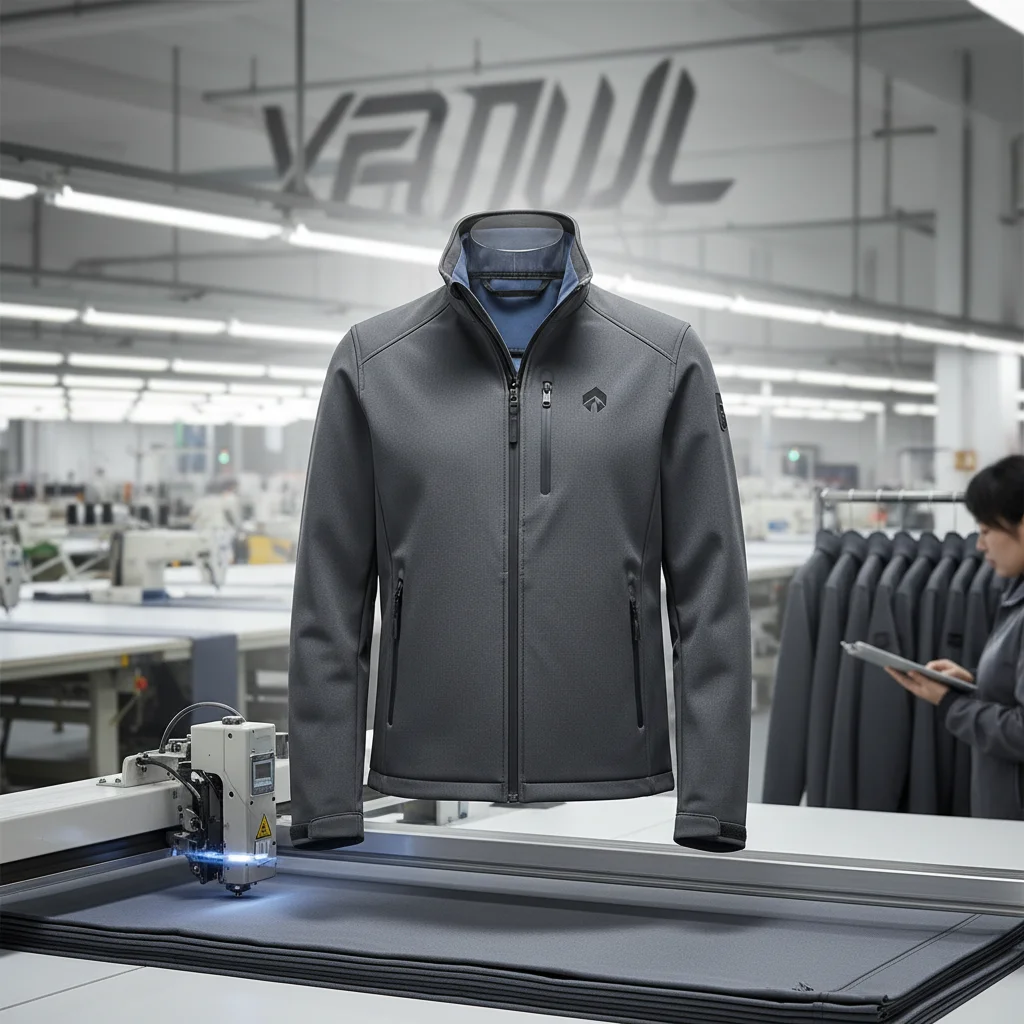
The demand for high quality outdoor clothing is surging globally, driven by increasing participation in outdoor activities, a growing awareness of the importance of protective gear, and the need for durable clothing in challenging environments. This isn’t just about leisure; it’s a critical component for professionals working in fields like search and rescue, construction, and environmental research. Access to reliable, well-made apparel ensures safety, improves performance, and extends the lifespan of essential gear, reducing the overall environmental impact.
The global outdoor apparel market is a multi-billion dollar industry, with projections indicating continued growth. Factors contributing to this include rising disposable incomes in emerging economies, a shift towards health and wellness lifestyles, and innovations in textile technology. However, the industry faces challenges like sustainability concerns surrounding material sourcing and production, and the need to balance performance with affordability. This highlights the crucial role of high quality outdoor clothing providers in addressing these issues.
Understanding the nuances of high quality outdoor clothing – from fabric technology to construction methods – is essential for both consumers and industry professionals. It’s about making informed choices that prioritize longevity, functionality, and responsible manufacturing practices. A well-considered investment in durable, performance-oriented apparel can represent significant long-term value.
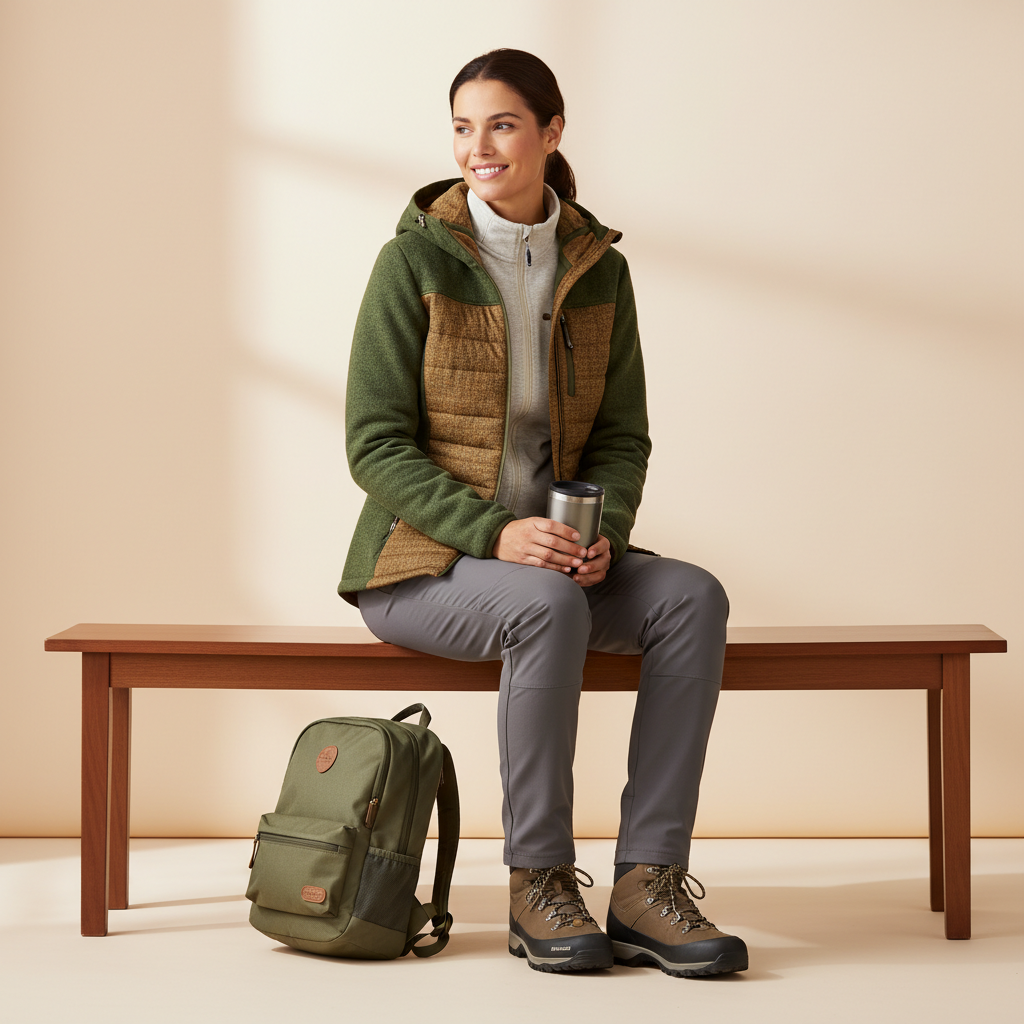
The Importance of High Quality Outdoor Clothing
Investing in high quality outdoor clothing is more than simply purchasing garments; it's an investment in safety, comfort, and performance. Whether tackling a challenging mountain trail, working in harsh weather conditions, or simply enjoying a weekend camping trip, the right apparel can make all the difference. Proper clothing provides essential protection from the elements, regulates body temperature, and allows for freedom of movement.
The benefits extend beyond individual wellbeing. Durable, well-maintained outdoor clothing reduces the need for frequent replacements, minimizing waste and supporting more sustainable consumption patterns. Choosing brands committed to ethical manufacturing practices further contributes to a responsible and conscious approach to outdoor pursuits.
Global Context and Industry Relevance
The global outdoor apparel market is estimated to be worth over $250 billion, with significant growth projected in the coming years. This growth is fueled by a rising global interest in outdoor activities, driven by factors such as increased urbanization and a desire to connect with nature. Key markets include North America, Europe, and Asia-Pacific, each with unique demands and preferences.
The ISO standards for performance apparel (such as ISO 11507 for thermal resistance) play a critical role in ensuring product quality and consumer safety. Furthermore, organizations like the Sustainable Apparel Coalition are working to develop industry-wide standards for sustainability, promoting responsible manufacturing practices and reducing the environmental impact of high quality outdoor clothing production.
However, the industry faces challenges related to supply chain transparency, fair labor practices, and the environmental impact of synthetic materials. Addressing these issues is crucial for building a more sustainable and ethical future for the outdoor apparel sector.
Defining High Quality Outdoor Clothing
High quality outdoor clothing isn't simply about a high price tag; it encompasses a combination of factors including material selection, construction techniques, and overall design. It refers to apparel specifically engineered to withstand the rigors of outdoor environments, providing protection, comfort, and functionality in a variety of conditions.
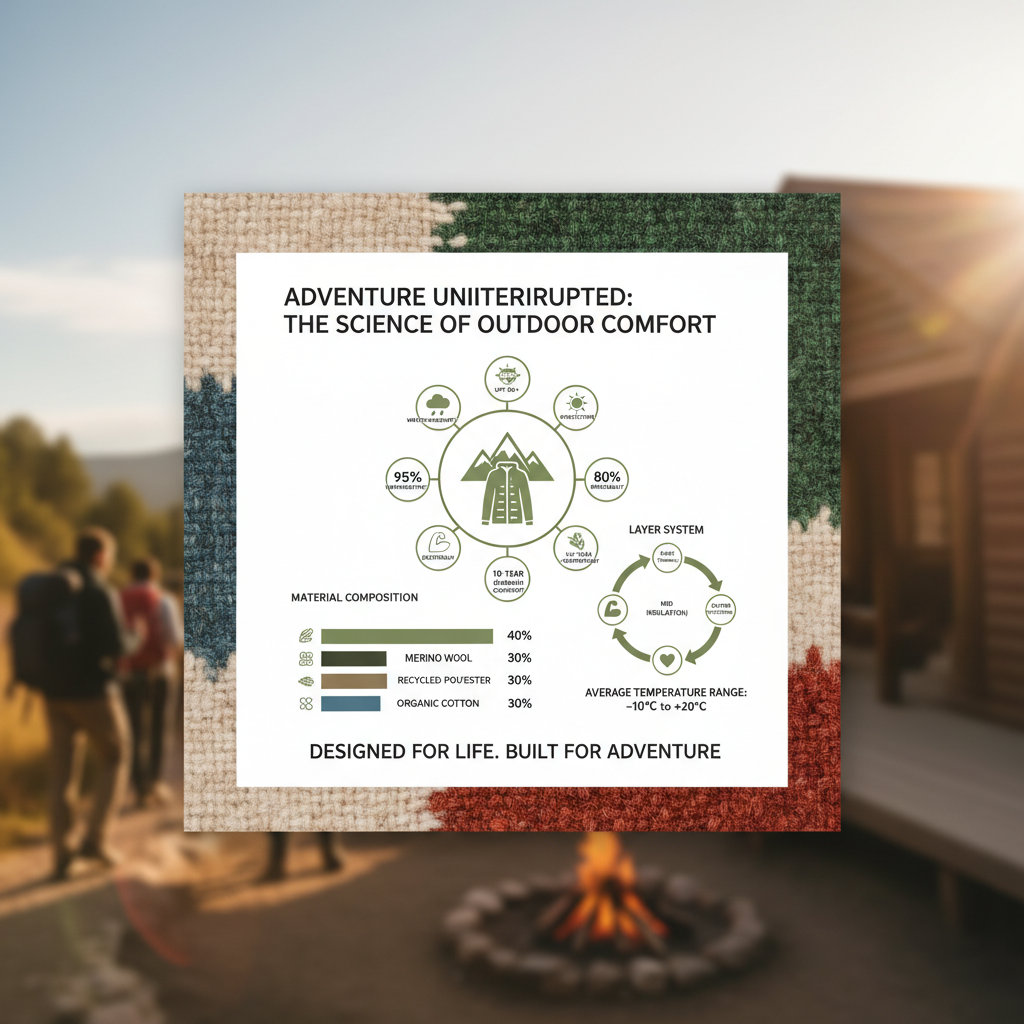
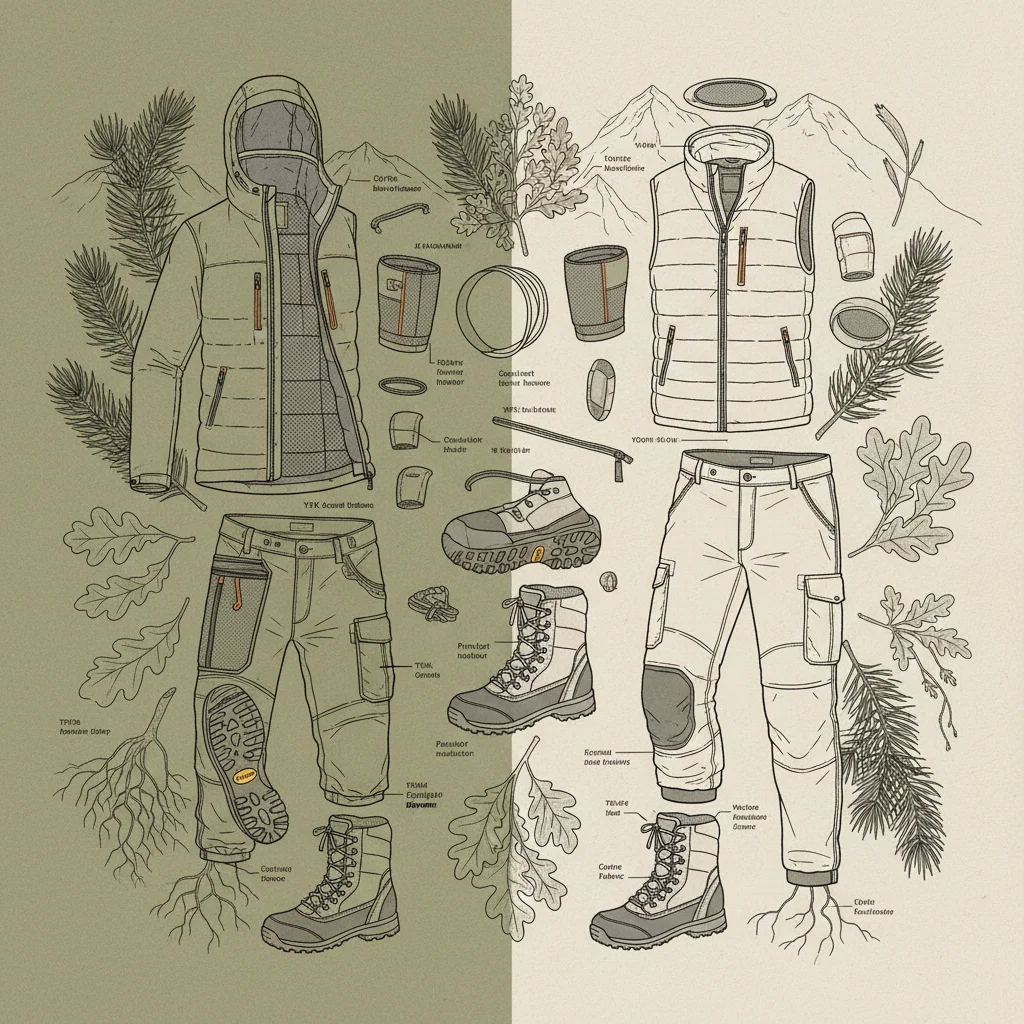
This definition extends beyond basic weather protection. High quality apparel often incorporates features like moisture-wicking fabrics, breathable membranes, reinforced stitching, and strategically placed pockets to enhance performance and convenience. It’s designed to withstand abrasion, UV exposure, and repeated use without compromising its integrity.
The connection to modern industry and humanitarian needs is significant. Professionals relying on outdoor gear – search and rescue teams, construction workers, environmental scientists – require clothing they can depend on in critical situations. Similarly, durable and weather-resistant clothing is essential for providing aid and support in disaster relief operations, ensuring the safety and wellbeing of those affected.
Key Factors in Outdoor Apparel Quality
Several key factors determine the quality of outdoor clothing. First, Durability is paramount, encompassing both the strength of the materials used and the quality of the construction. This means reinforced stitching, abrasion-resistant fabrics, and robust zippers. Second, Weather Resistance—the ability to repel water, wind, and snow—is vital for comfort and protection.
Another crucial aspect is Breathability, which allows moisture vapor to escape, preventing overheating and maintaining comfort during strenuous activity. Fourth, Fit and Ergonomics contribute to freedom of movement and prevent chafing or discomfort. And finally, Material Technology—the use of innovative fabrics with specific properties, like UV protection or antimicrobial treatment—enhances performance and extends the lifespan of the garment.
Performance Ratings of Different high quality outdoor clothing Materials
Applications Across Diverse Sectors
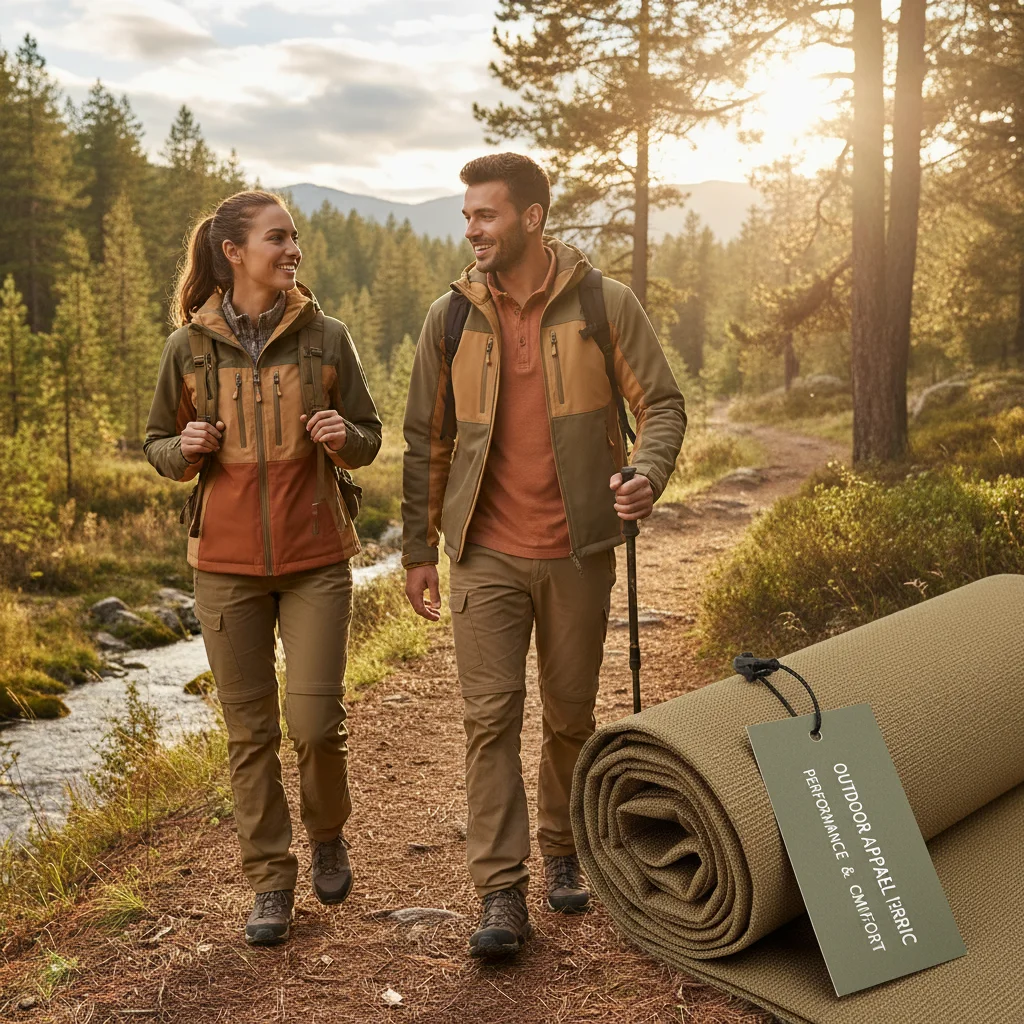
High quality outdoor clothing finds application in a remarkably broad range of sectors. In the outdoor recreation industry, hikers, climbers, and campers rely on specialized apparel for safety and comfort. Professionals in fields like forestry, construction, and agriculture also require durable, weather-resistant clothing for on-the-job protection.
In post-disaster relief operations, quickly deployable and robust clothing is vital for aid workers and affected populations. Similarly, researchers working in remote and challenging environments – from the Arctic to the Amazon – depend on high-performance apparel to withstand extreme conditions. The military and law enforcement also utilize specialized outdoor clothing for tactical operations and personnel protection.
Advantages and Long-Term Value
The advantages of investing in high quality outdoor clothing extend beyond immediate performance. Economically, while the initial cost may be higher, the increased durability translates into fewer replacements over time, resulting in long-term cost savings. Environmentally, durable clothing reduces textile waste and the associated environmental impact of manufacturing.
From a social perspective, reliable and protective clothing enhances safety and wellbeing, fostering confidence and allowing individuals to pursue their passions without compromise. The trust associated with reputable brands committed to ethical manufacturing practices further reinforces the value proposition. Ultimately, high-quality apparel represents an investment in both personal wellbeing and responsible consumption.
Future Trends and Innovations
The future of high quality outdoor clothing is poised for significant innovation. Advancements in sustainable materials – such as recycled fabrics, bio-based polymers, and innovative plant-based alternatives – are gaining momentum, reducing the industry's reliance on fossil fuels. Digital transformation is also playing a key role, with technologies like 3D printing and virtual prototyping enabling customized designs and efficient production processes.
Smart textiles incorporating sensors and data analytics are emerging, offering features like temperature regulation, health monitoring, and enhanced safety. Furthermore, policies promoting circular economy models – encouraging reuse, repair, and recycling – are expected to gain traction, driving sustainability throughout the apparel lifecycle.
Automation in manufacturing processes will further improve efficiency and reduce production costs, making high quality outdoor clothing more accessible to a wider range of consumers.
Challenges and Solutions
Despite advancements, challenges remain in the realm of high quality outdoor clothing. Supply chain complexities and a lack of transparency can hinder efforts to ensure ethical and sustainable sourcing. The high cost of innovative materials and technologies can limit accessibility for some consumers. Furthermore, the environmental impact of microplastic shedding from synthetic fabrics is a growing concern.
Solutions include investing in blockchain technology to track materials and ensure supply chain transparency, promoting collaborative research and development to reduce the cost of sustainable materials, and developing innovative filtration systems to capture microplastics before they enter waterways. Educating consumers about the benefits of investing in durable, ethically produced clothing is also crucial.
Summary of Key Challenges and Potential Solutions
| Challenge |
Impact Area |
Severity (1-10) |
Potential Solution |
| Supply Chain Opacity |
Ethical Sourcing |
8 |
Blockchain Implementation |
| High Material Costs |
Accessibility |
7 |
R&D Investment |
| Microplastic Pollution |
Environmental Impact |
9 |
Filtration Technologies |
| Limited Circularity |
Waste Management |
6 |
Extended Producer Responsibility |
| Greenwashing Concerns |
Consumer Trust |
7 |
Third-Party Certifications |
| Lack of Durability Standards |
Product Lifespan |
5 |
Industry-Wide Quality Benchmarks |
FAQS
The highest quality materials for outdoor clothing typically include Gore-Tex for waterproof breathability, merino wool for its temperature-regulating and odor-resistant properties, and durable nylon or polyester blends with DWR (Durable Water Repellent) finishes. These materials offer a balance of protection, comfort, and longevity. Responsible sourcing and certification (like Bluesign) are also important considerations when evaluating material quality. Investing in garments made from these materials ensures optimal performance and a longer lifespan for your high quality outdoor clothing.
Durability can be assessed by examining several factors. Look for reinforced stitching, particularly in high-stress areas like seams and pockets. Check the fabric denier (a measure of fiber thickness – higher denier generally indicates greater durability). Consider the garment’s construction – taped seams are crucial for waterproofness, while gusseted armpits enhance freedom of movement and reduce wear. Finally, reading reviews from other users can provide valuable insights into the real-world durability of a particular product, ensuring you choose high quality outdoor clothing.
DWR stands for Durable Water Repellent. It's a coating applied to fabrics to make water bead up and roll off, rather than soaking in. While not waterproof on its own, DWR is a crucial component of many waterproof garments, preventing the outer fabric from becoming saturated, which can reduce breathability and overall performance. DWR treatments wear off over time and require reapplication. Choosing high quality outdoor clothing with a robust DWR finish and regular re-treatment is essential for maintaining its protective qualities.
Proper care is essential for maximizing the lifespan of your high quality outdoor clothing. Always follow the manufacturer’s instructions on the care label. Generally, washing garments inside out in cold water with a mild detergent is recommended. Avoid using fabric softeners or bleach, as these can damage the fabrics and coatings. Air drying is preferable, but if using a dryer, use a low heat setting. Regularly re-applying DWR treatment will also help maintain waterproofness.
When purchasing outdoor apparel, consider the environmental impact. Look for brands that use recycled materials, prioritize ethical manufacturing practices, and minimize their carbon footprint. Certifications like Bluesign and Fair Trade can provide assurance of responsible production. Also, consider the garment’s durability – a longer-lasting product reduces the need for frequent replacements, minimizing waste. Choosing high quality outdoor clothing is often a more sustainable choice in the long run.
While price doesn’t always guarantee quality, reputable brands often invest more in research, development, and manufacturing processes, resulting in superior performance and durability. They also typically offer better warranties and customer support. However, it’s important to do your research and compare different brands and products. Consider your specific needs and budget, and prioritize quality and features over brand name alone. Ultimately, investing in high quality outdoor clothing from a trusted brand can provide long-term value and peace of mind.
Conclusion
In conclusion, high quality outdoor clothing is more than just apparel; it's an investment in safety, performance, sustainability, and responsible consumption. From the innovative materials used to the meticulous construction techniques employed, every aspect contributes to a product designed to withstand the rigors of the outdoors and provide lasting value. Understanding the key factors that define quality, and making informed choices based on those factors, is crucial for both individuals and the industry as a whole.
Looking ahead, continued innovation in sustainable materials and manufacturing processes will be essential for minimizing the environmental impact of the outdoor apparel industry. By embracing circular economy models, promoting transparency in the supply chain, and prioritizing durability, we can ensure that high quality outdoor clothing continues to empower outdoor enthusiasts and professionals alike while protecting the planet for future generations.