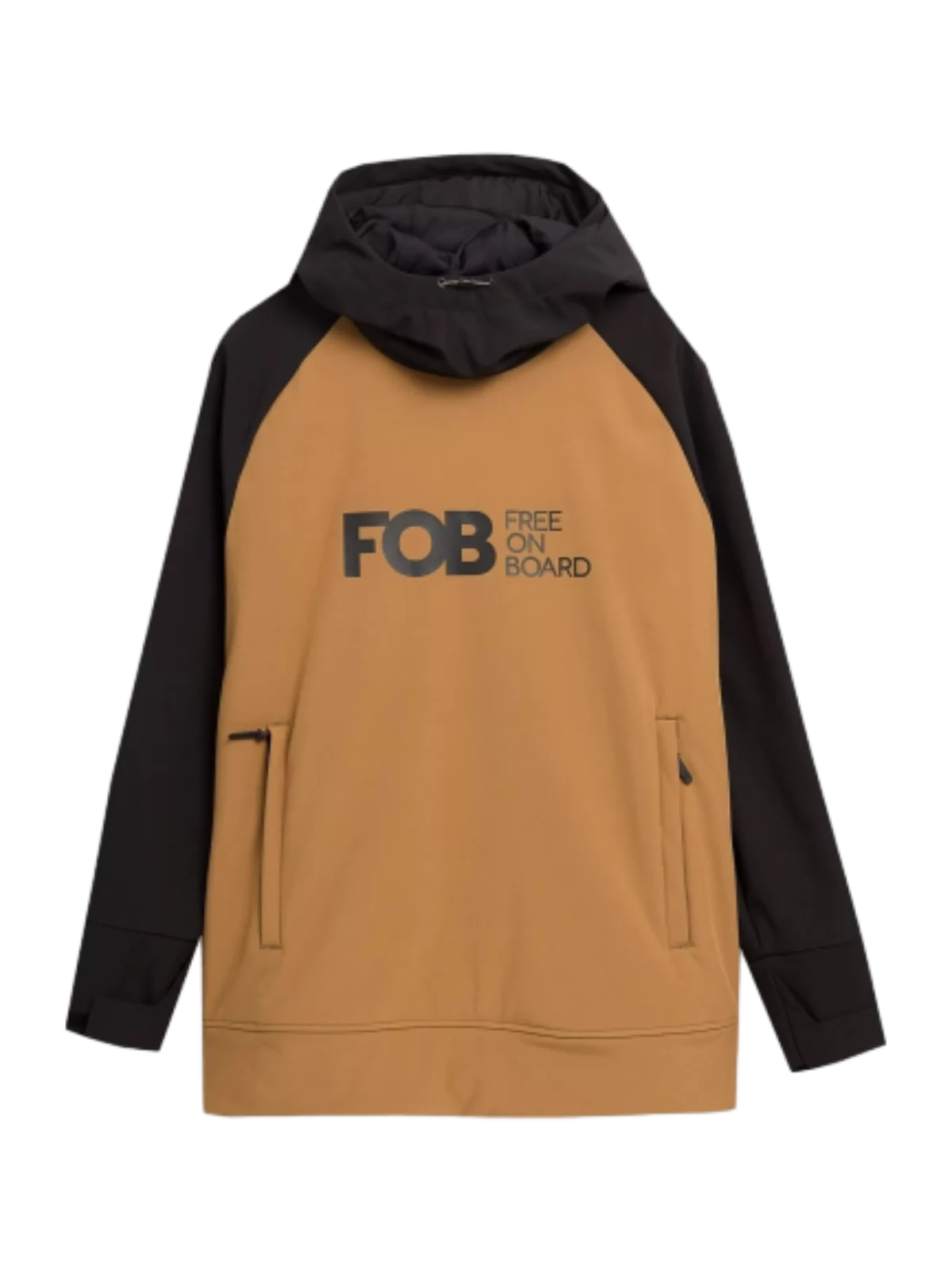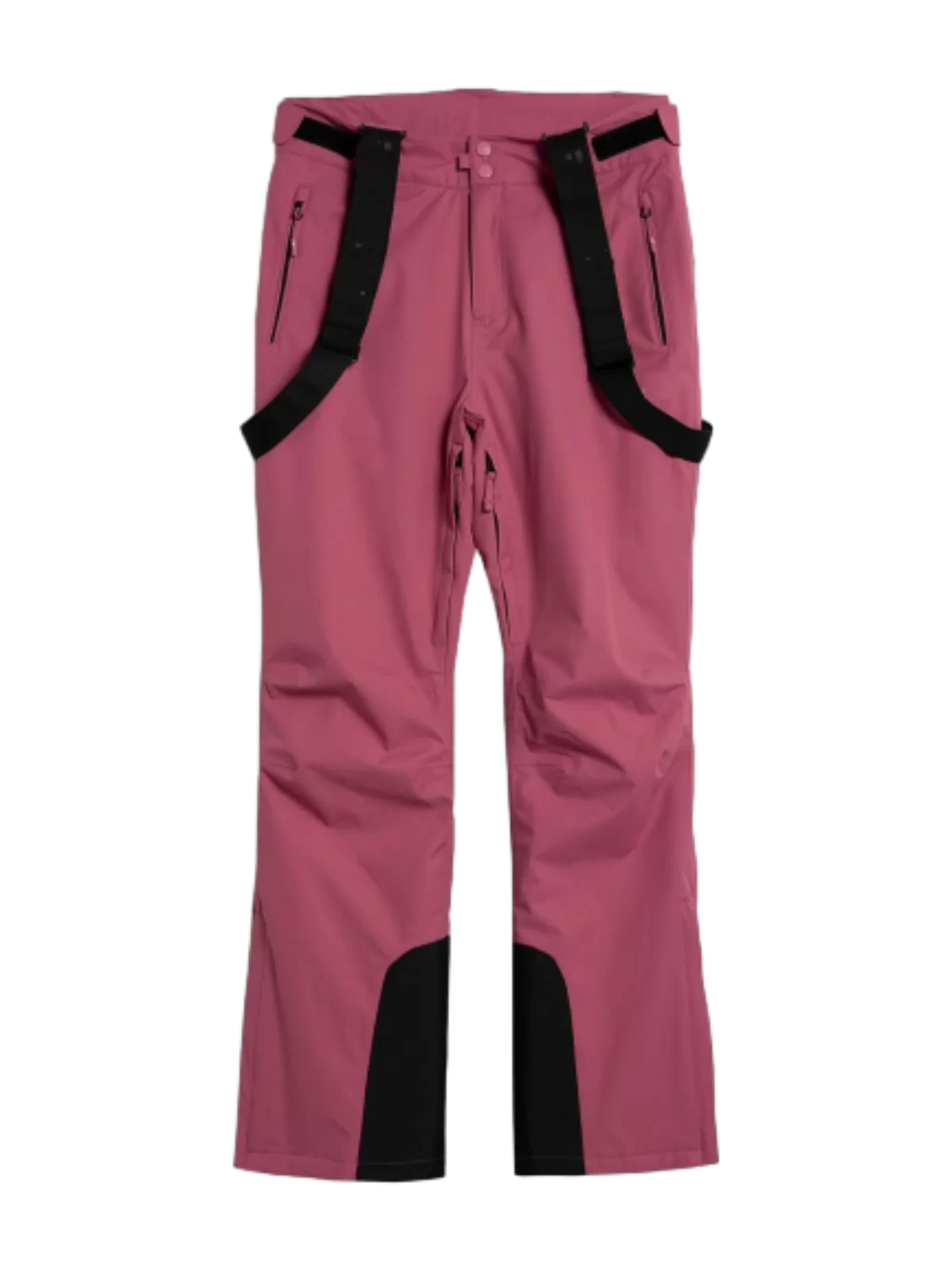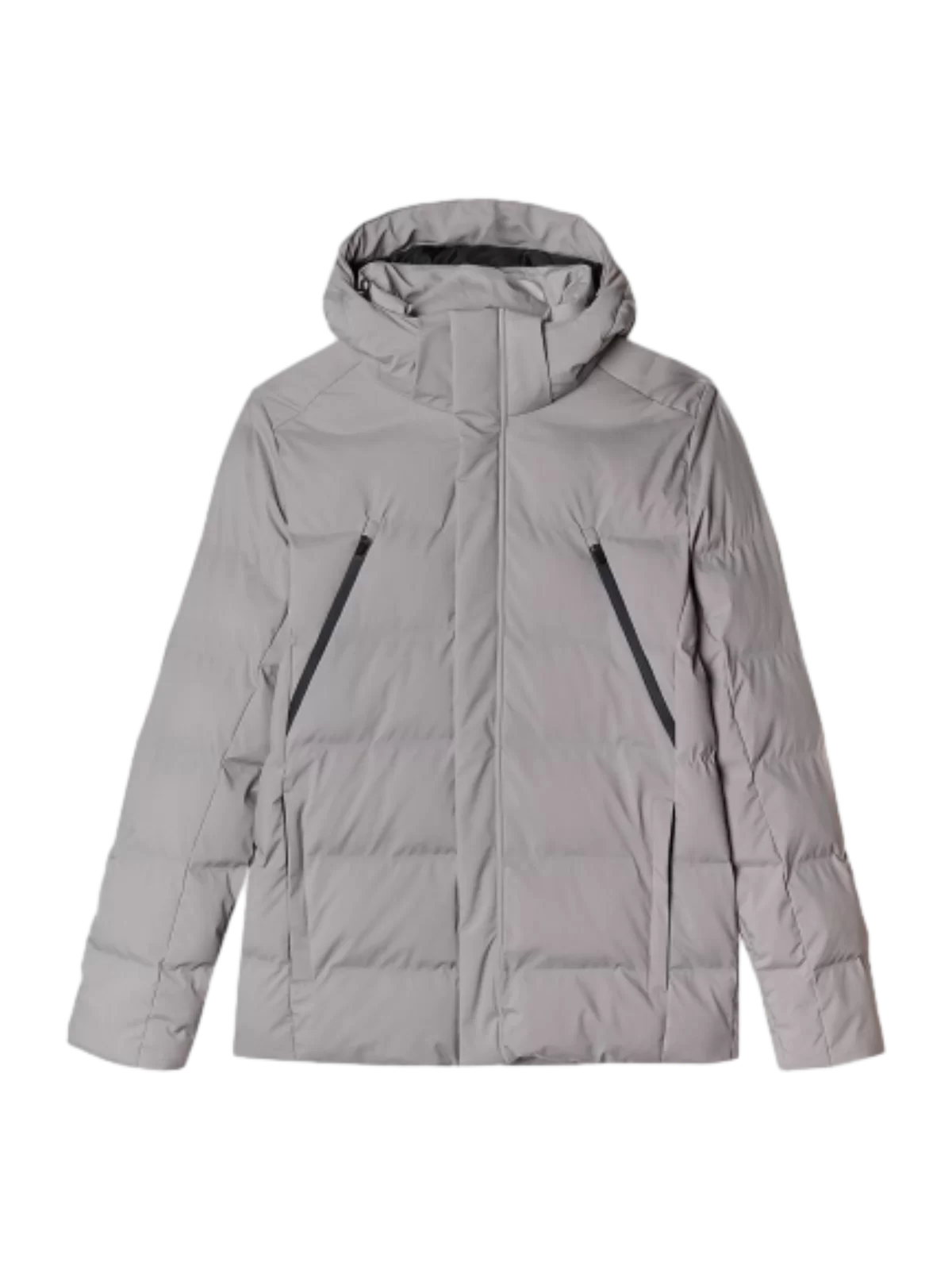
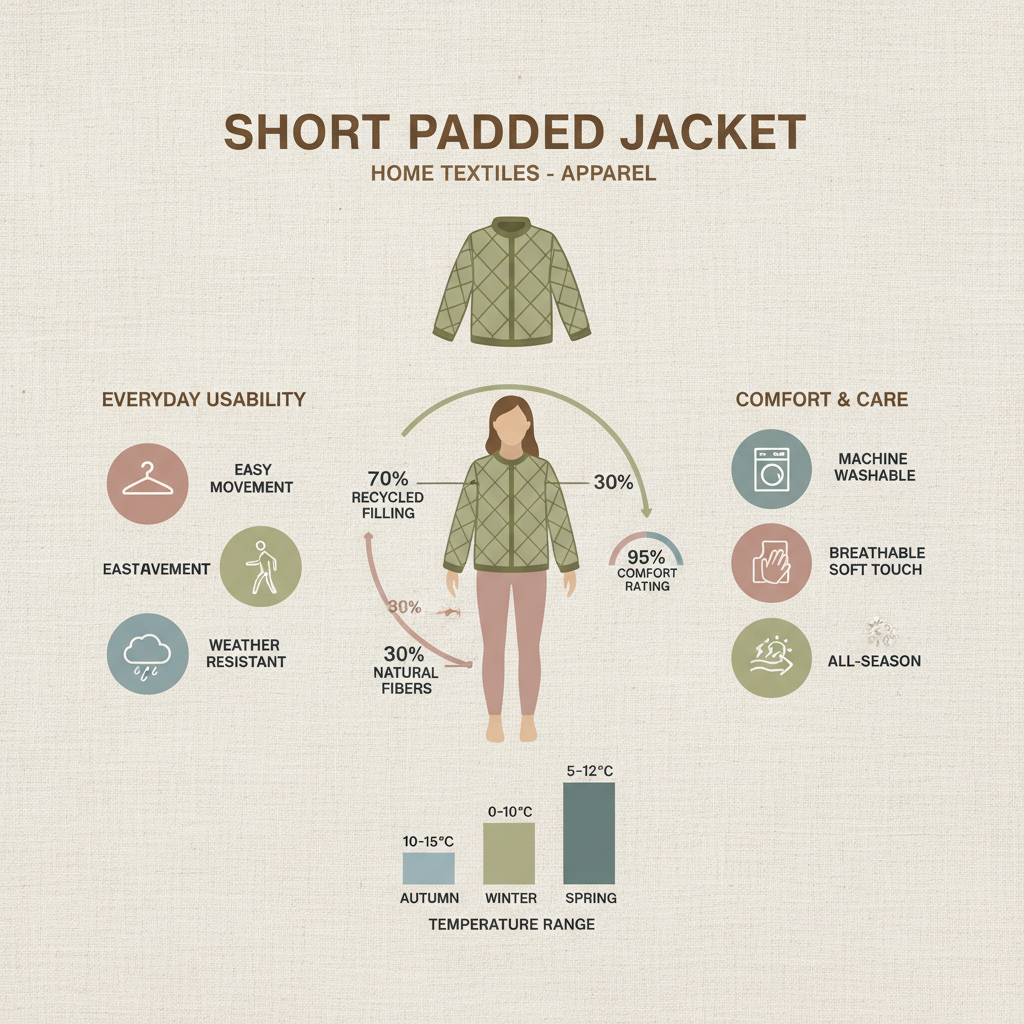
When the temperature drops and the wind picks up, a reliable short padded jacket is essential for staying warm and comfortable. Whether you're hitting the slopes, exploring city streets, or simply running errands, the right jacket can make all the difference. This article will guide you through the key considerations when choosing a short padded jacket, covering everything from insulation types to features, helping you find the perfect fit for your needs. Finding the ideal jacket allows you to embrace the outdoors, no matter the weather.
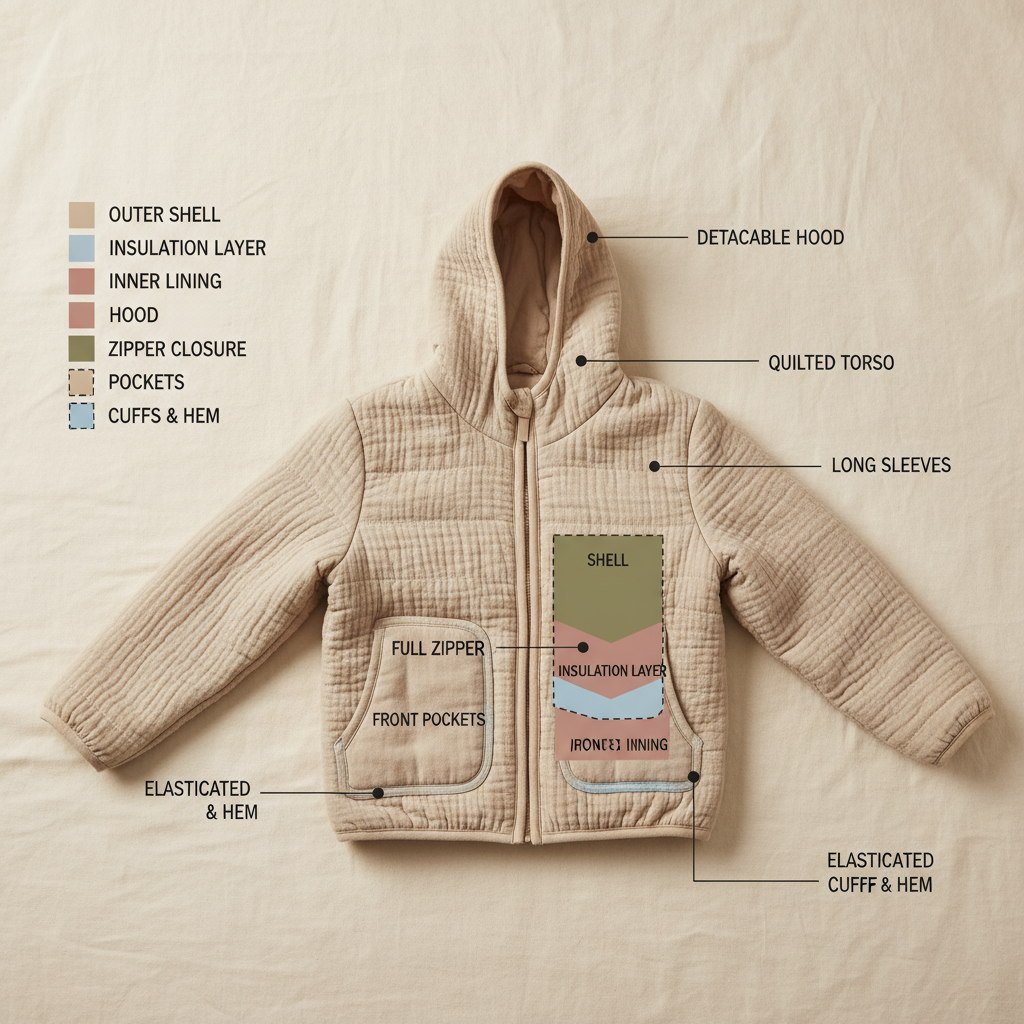
The insulation of a short padded jacket is the most critical factor in determining its warmth. Two primary types of insulation dominate the market: down and synthetic. Down, derived from duck or goose feathers, offers exceptional warmth-to-weight ratio and compressibility. However, it loses its insulating properties when wet. Synthetic insulation, such as polyester fibers, retains warmth even when damp and is generally more affordable. Choosing between down and synthetic depends on your climate and activity level. If you’re frequently exposed to wet conditions, synthetic insulation is the better choice. For dry, cold weather, down offers superior warmth for its weight.
Key Takeaway: Down offers superior warmth-to-weight, while synthetic insulation performs better in wet conditions.
Beyond insulation, several features enhance the functionality of a short padded jacket. Look for a water-resistant or waterproof outer shell to protect against light rain and snow. A hood provides extra warmth and protection for your head and neck. Pockets – both handwarmer pockets and interior pockets – offer convenient storage for essentials. Adjustable cuffs and a hem drawstring help seal in warmth and prevent drafts. Consider the jacket's breathability if you plan on engaging in high-intensity activities.
Essential Features:
• Water-resistant/waterproof outer shell
• Adjustable hood
• Multiple pockets
• Adjustable cuffs and hem
The beauty of a short padded jacket lies in its versatility. It’s easily layered and complements a wide range of outfits. Consider the jacket’s style – bomber, puffer, quilted – and choose one that reflects your personal aesthetic. When it comes to fit, you want enough room to comfortably layer clothing underneath without feeling restricted. A slightly looser fit allows for better movement and breathability. Pay attention to the jacket's length; a shorter length provides greater mobility, while a slightly longer length offers more coverage.
Choosing between down and synthetic insulation can be challenging. Here’s a detailed comparison to help you make an informed decision. The data below is based on average performance across various jacket models.
Proper care will extend the life of your short padded jacket. Always follow the manufacturer’s care instructions. For down jackets, use a down-specific detergent and tumble dry on low with dryer balls to restore loft. For synthetic jackets, machine wash on a gentle cycle and tumble dry on low. Store your jacket in a breathable garment bag to prevent compression and maintain its insulating properties. Avoid harsh chemicals and excessive heat, as these can damage the insulation and outer shell.
Choosing the right short padded jacket involves considering insulation type, features, fit, and care. By understanding your needs and preferences, you can find a jacket that will keep you warm, comfortable, and stylish for years to come. Explore the extensive collection at Outdoor-Apparels.com to discover the perfect jacket for your next adventure.
Fill power measures the fluffiness of down, and higher fill power indicates better insulation. A fill power of 600 is considered good, 700 is very good, and 800+ is excellent. Higher fill power jackets are generally lighter and more compressible for the same level of warmth. However, they also come with a higher price tag. For everyday use, a 600-700 fill power jacket is a great balance of warmth, weight, and cost. Consider your typical activities and climate when choosing the appropriate fill power.
Sizing can vary between brands, so it's essential to consult the manufacturer's size chart. Generally, you should choose a size that allows for comfortable layering underneath. Measure your chest and waist, and compare those measurements to the size chart. If you're between sizes, it's often best to size up for a more comfortable fit. Consider whether you prefer a snug or looser fit, and read customer reviews for insights into the jacket's sizing.
DWR stands for Durable Water Repellent. It's a coating applied to the outer shell of a jacket to make it water-resistant. DWR causes water to bead up and roll off the surface, preventing the fabric from becoming saturated. While DWR isn't waterproof, it provides valuable protection against light rain and snow. Over time, the DWR coating can wear off, so it's important to re-apply it periodically to maintain its effectiveness.
While a short padded jacket can provide significant warmth, its suitability for very cold temperatures depends on the insulation type and the layering system used. For extremely cold conditions (-10°C and below), a longer jacket with a higher fill power (down) or thicker synthetic insulation is generally recommended. Layering with base layers, mid-layers (fleece or sweater), and potentially an additional outer layer can enhance warmth and provide protection from the elements.

If you are interested in our products, you can choose to leave your information here, and we will be in touch with you shortly.