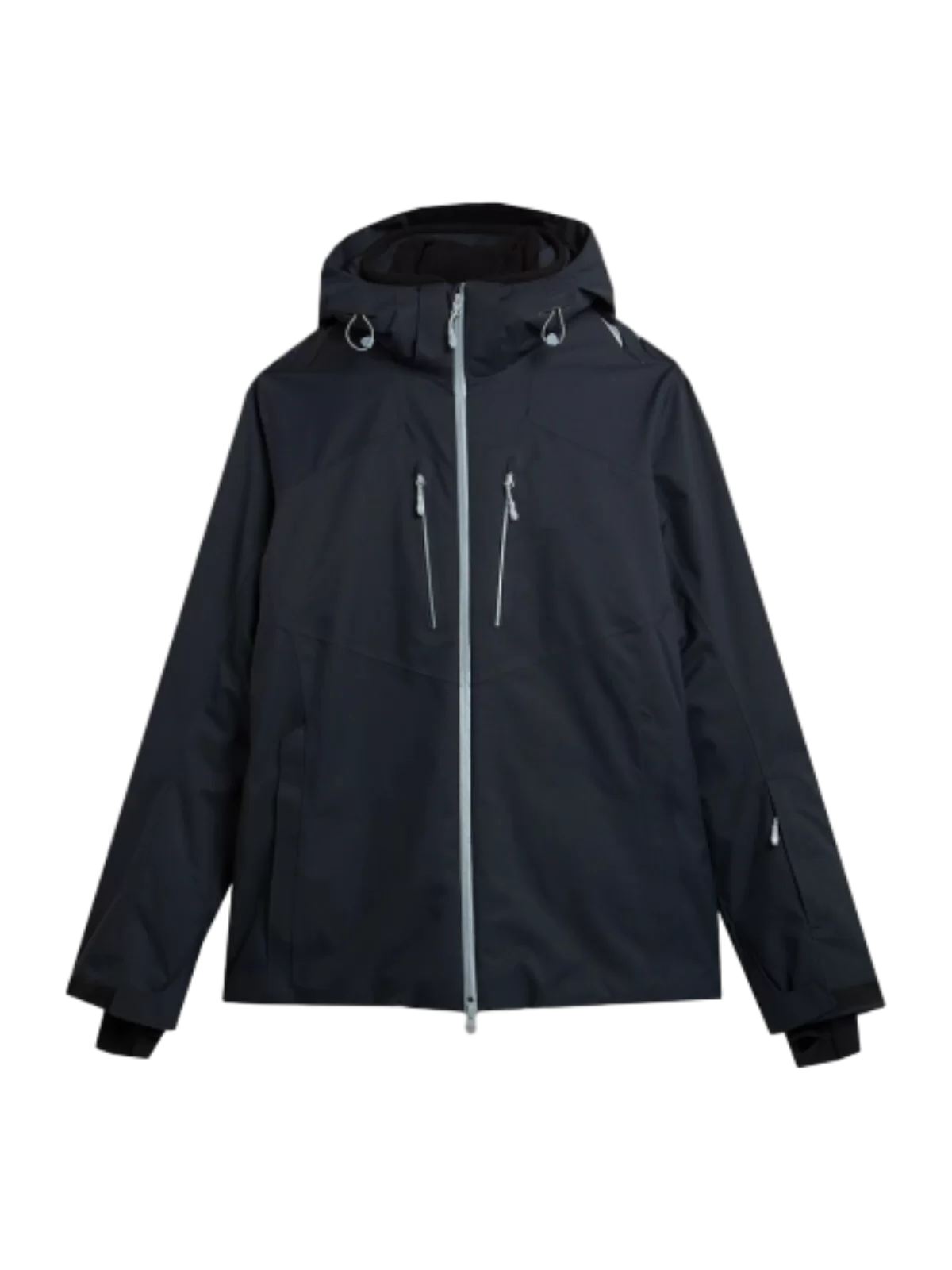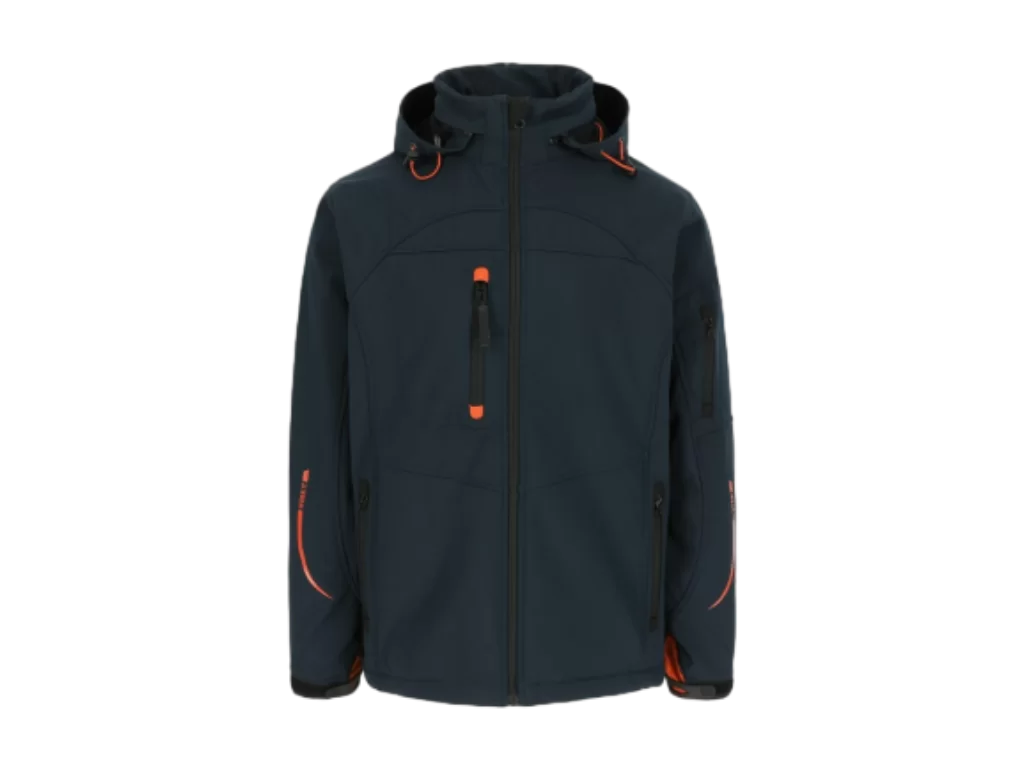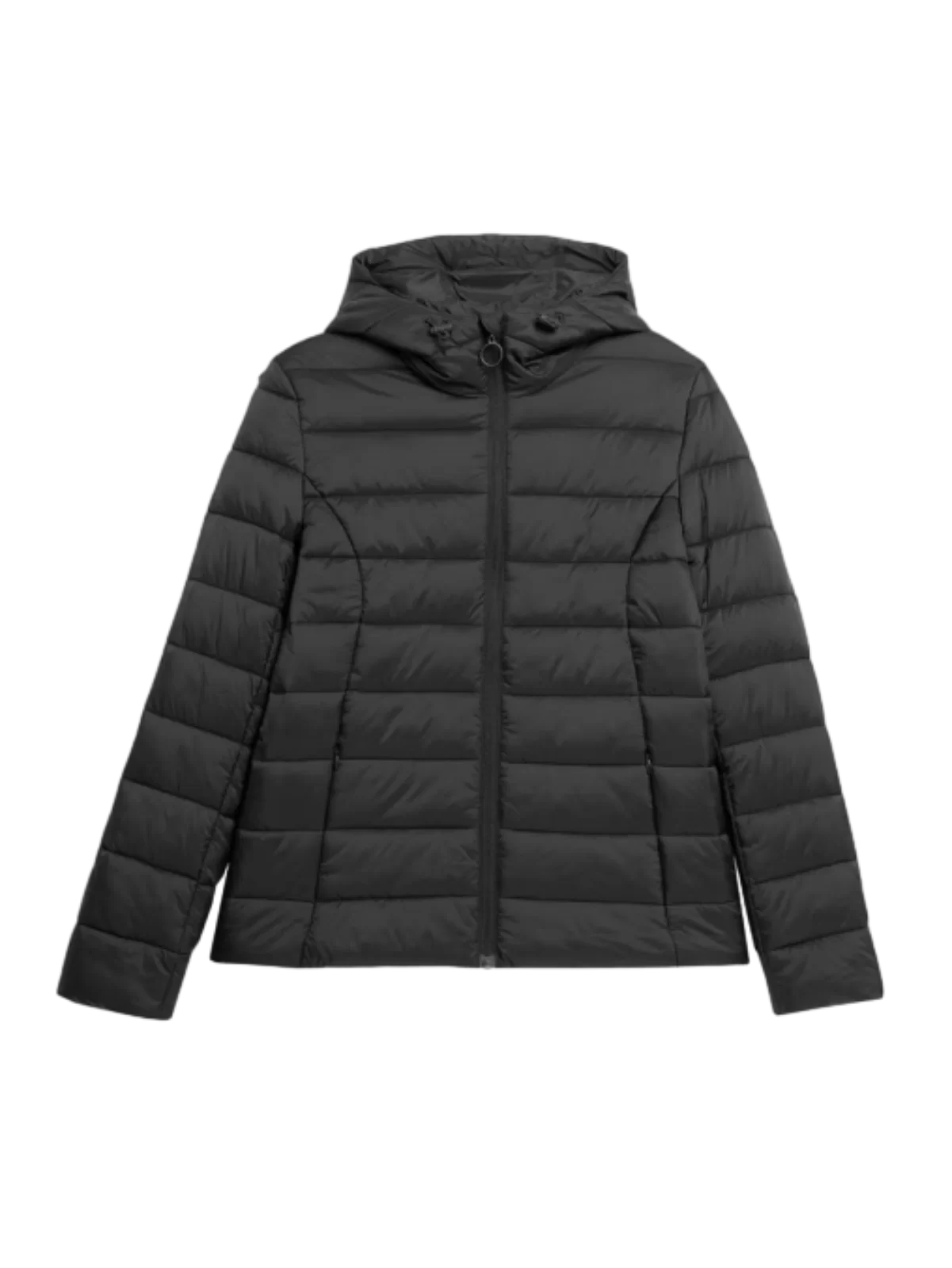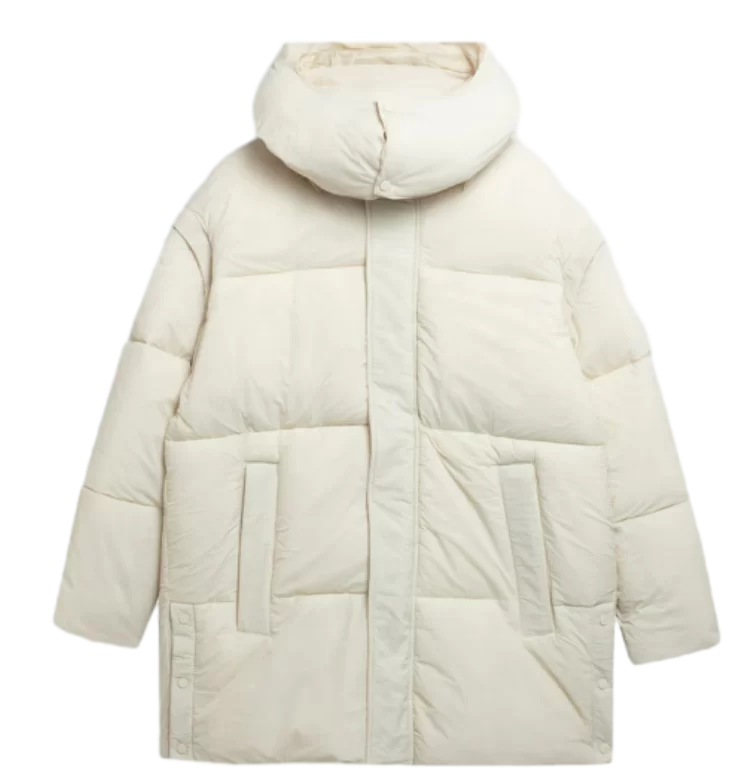

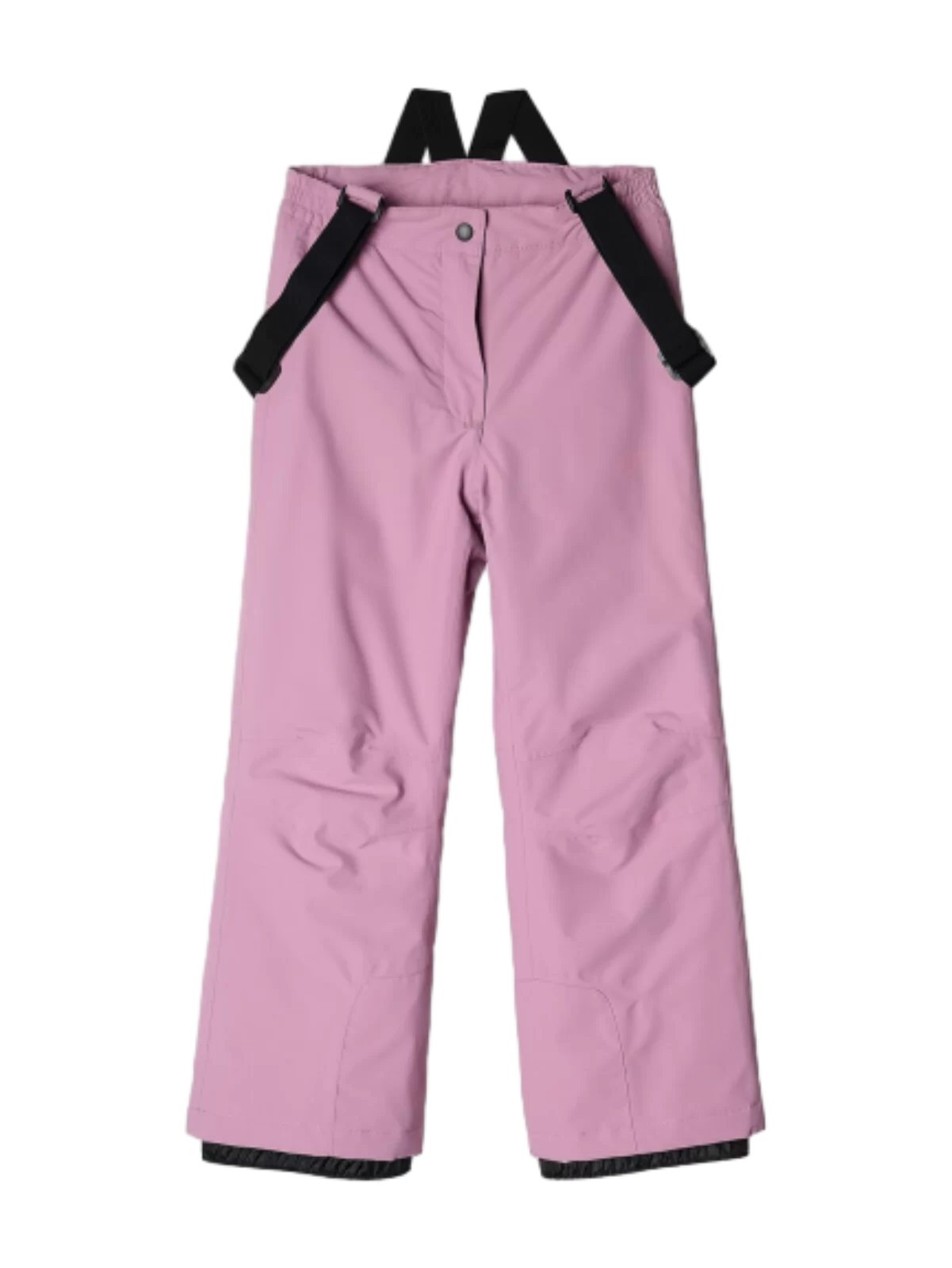
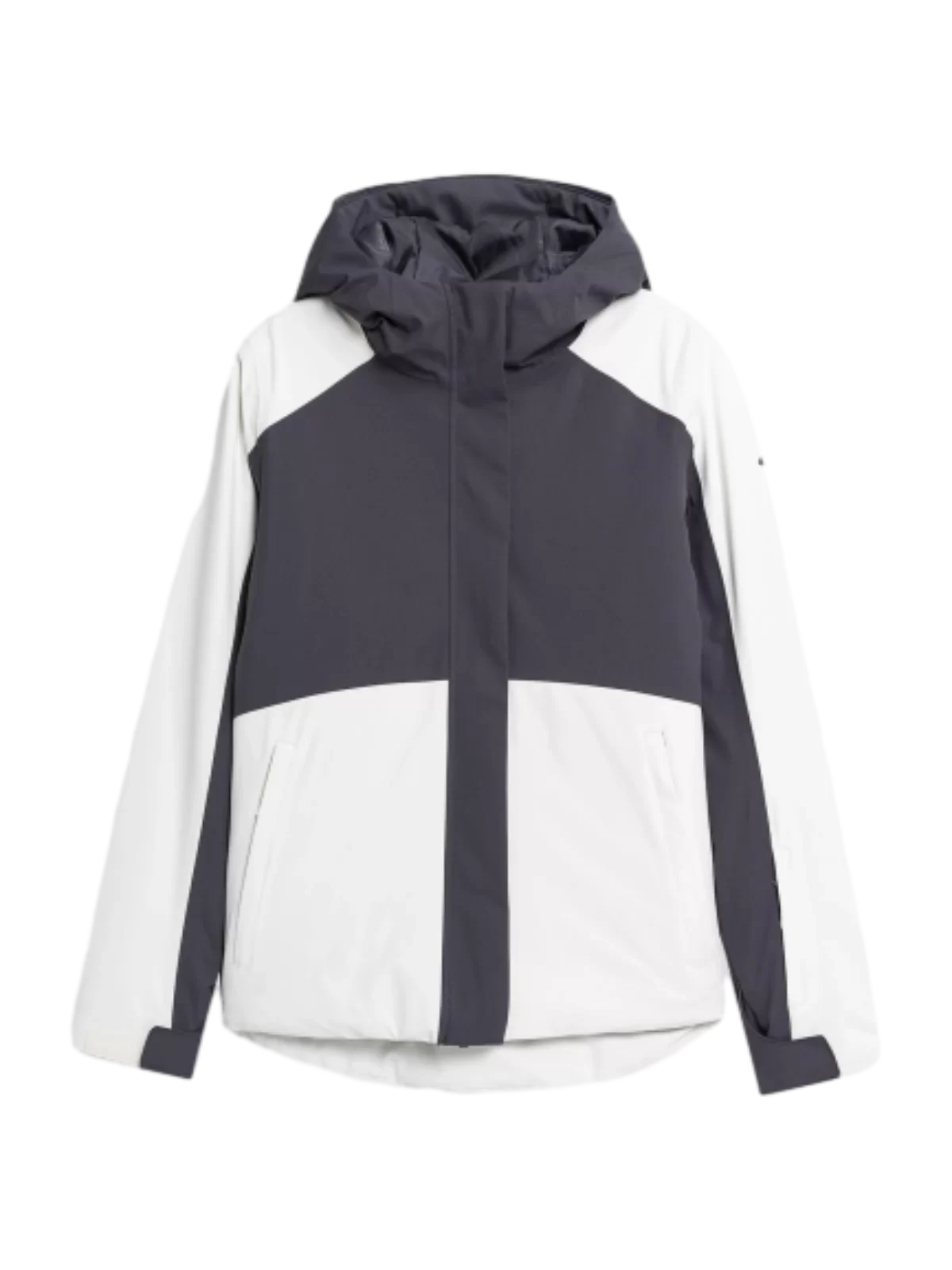
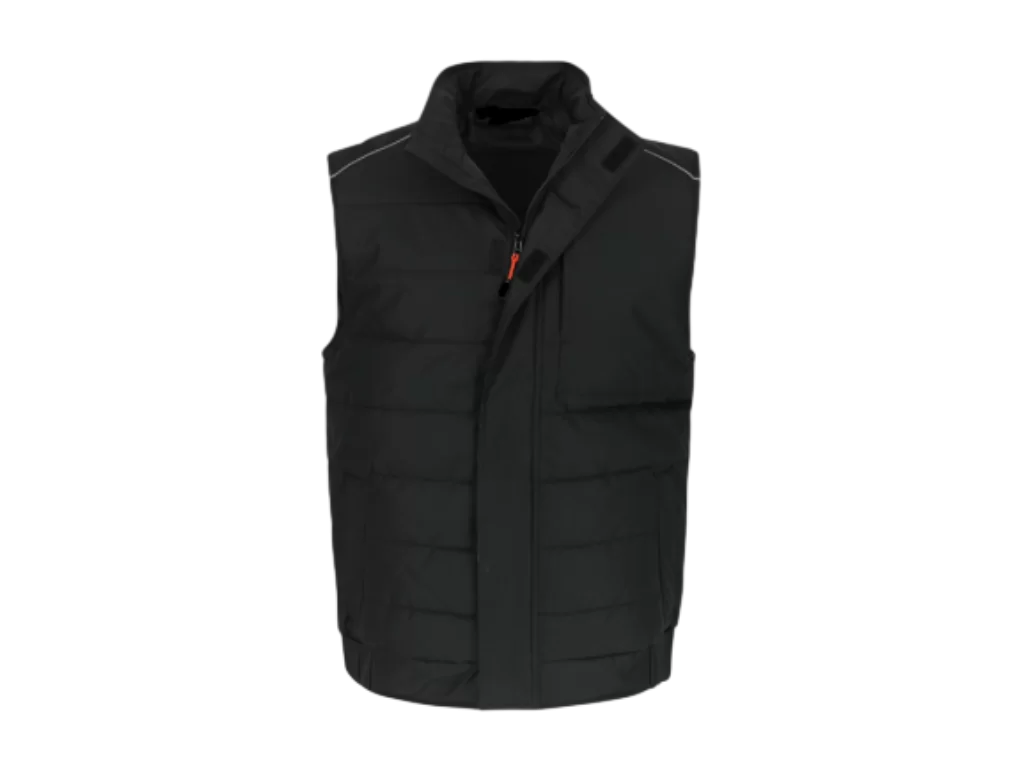
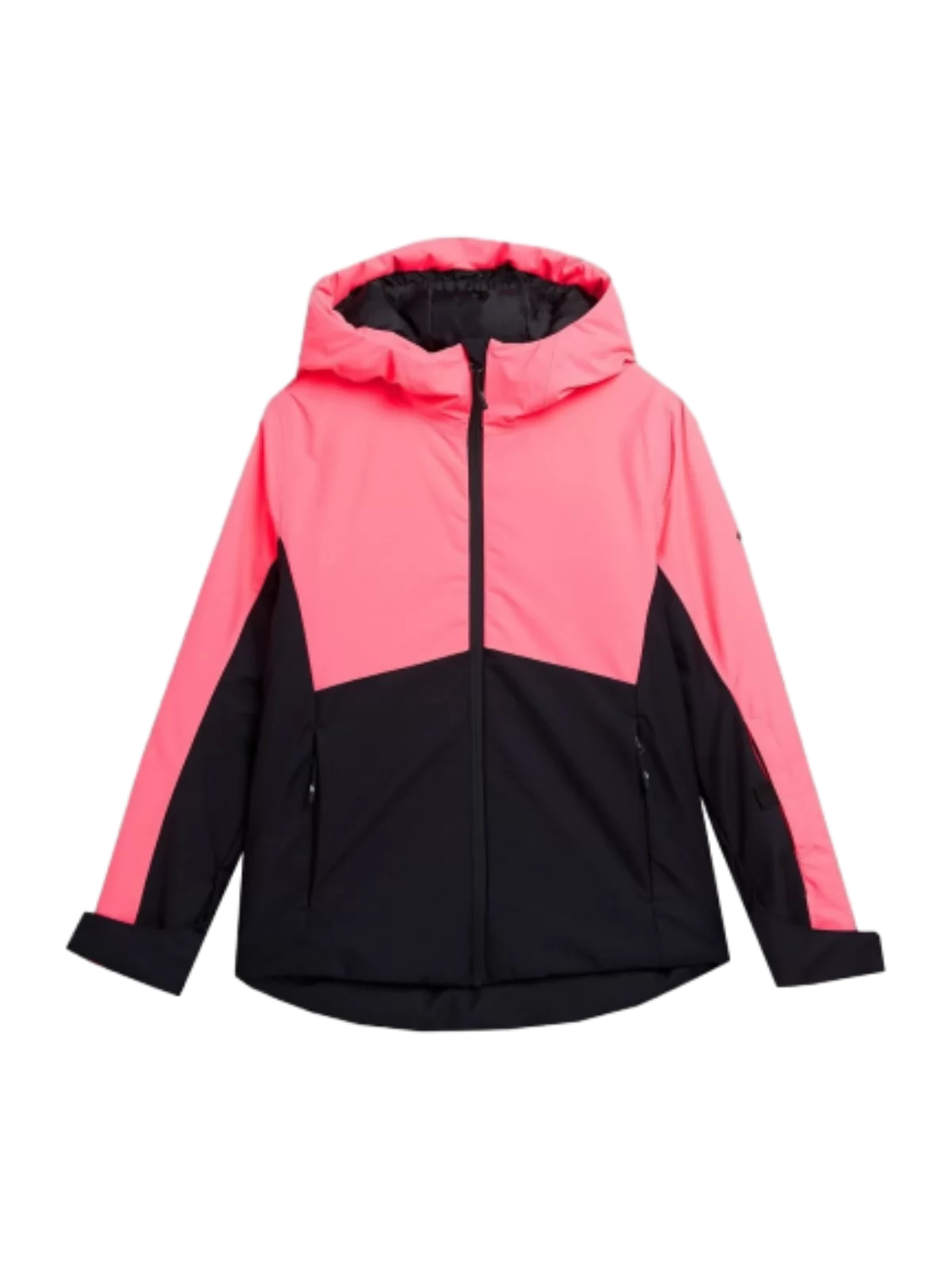
Bolivia's unique geography, ranging from the Amazonian lowlands to the Andean peaks, creates a fragmented demand for apparel. Currently, the local market is heavily reliant on imported quality outdoor wear, as domestic manufacturing has traditionally focused on traditional wools and basic cottons rather than technical woven fabrics.
The rise of eco-tourism in regions like Salar de Uyuni has spiked the demand for garments that can handle extreme UV radiation and rapid temperature drops. However, there is a notable shortage of locally produced, high-performance gear that meets international standards of waterproofness and wind resistance.
Economically, the industry is shifting toward a "hybrid model," where local designers seek global manufacturing partnerships to implement technical coatings and synthetic blends, ensuring that the high quality outdoor clothing provided can withstand the abrasive conditions of the Bolivian mountains.