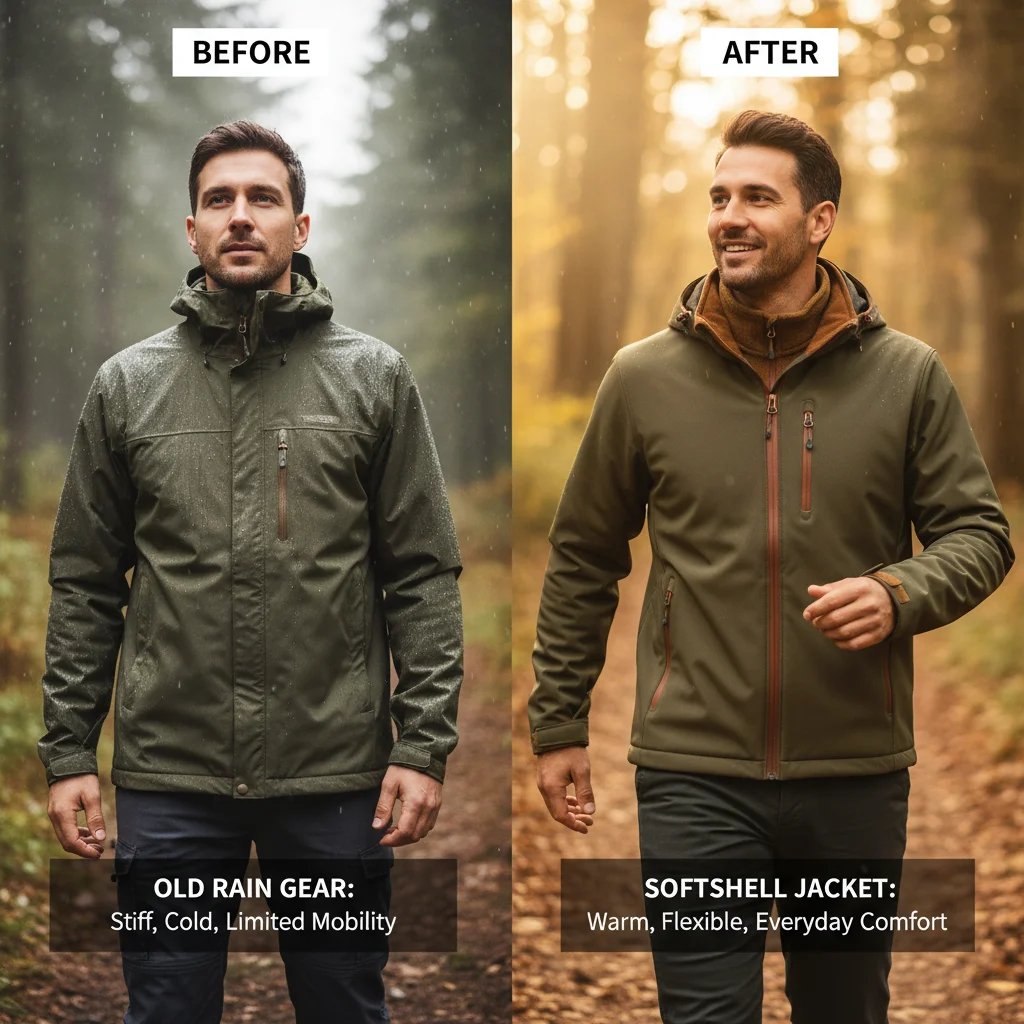
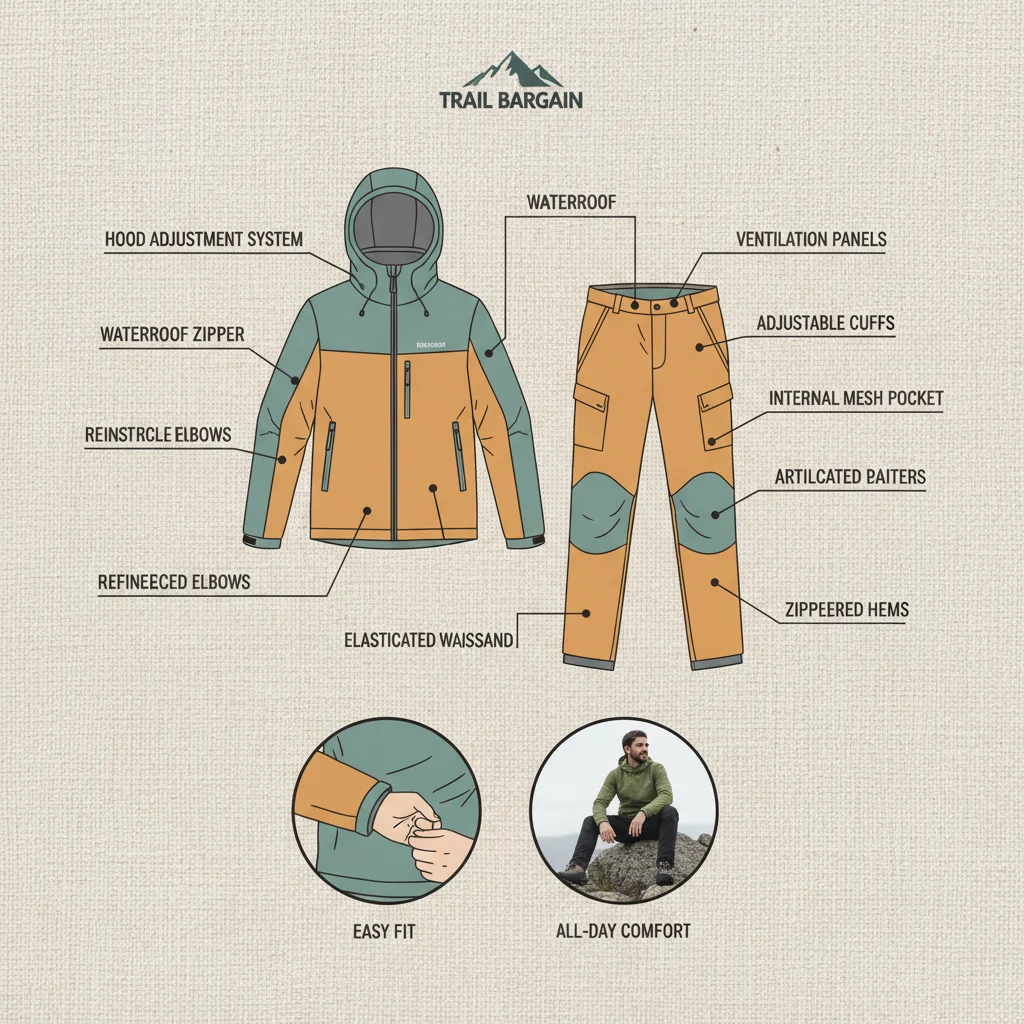
In the demanding world of outdoor apparel, the softshell windbreaker has emerged as a cornerstone of versatile layering. Unlike traditional hardshells that can feel stiff and claustrophobic, the softshell approach combines the breathability of a fleece with the weather-resistant properties of a technical shell. This balance is critical for individuals who move between varying microclimates, ensuring that moisture is wicked away from the body while external winds are kept at bay.
Globally, the shift toward "athleisure" and high-performance outdoor gear has propelled the softshell windbreaker from a niche mountaineering tool to a daily essential for urban commuters and outdoor enthusiasts alike. The ability to provide thermal regulation without the bulk of heavy padding makes it an indispensable asset for those facing unpredictable spring or autumn weather, where a single garment must handle both a chilly breeze and a sudden burst of physical activity.
Understanding the technical nuances of these garments—from the DWR (Durable Water Repellent) coatings to the elasticity of the woven fabrics—allows consumers and procurement managers to make informed decisions. By prioritizing a softshell windbreaker that balances windproofing with vapor permeability, users can maintain a stable core temperature, significantly reducing the risk of hypothermia in extreme conditions or overheating during high-intensity excursions.
Global Market Relevance of Softshell Windbreakers
The global demand for technical outerwear has seen a significant uptick, with the softshell windbreaker playing a pivotal role in the growth of the performance apparel sector. According to industry trends aligned with ISO quality standards for protective clothing, there is an increasing preference for multifunctional garments that reduce the need for heavy layering. This shift is driven by a growing global population engaging in outdoor activities, ranging from trekking in the Alps to urban cycling in Tokyo.
However, the industry faces a persistent challenge: the "breathability-waterproof paradox." Traditional windbreakers often trap sweat inside, leading to dampness and subsequent chilling. The modern softshell windbreaker addresses this by utilizing advanced membrane technologies that allow moisture vapor to escape while blocking liquid water and wind, effectively solving the discomfort associated with high-exertion activities in cold environments.
Defining the Technical Essence of Softshell Gear
At its core, a softshell windbreaker is a hybrid garment constructed from a woven fabric that integrates a stretchy, breathable layer with a water-resistant outer face. Unlike "hardshells" (which are typically fully waterproof but less breathable), softshells focus on flexibility and comfort. They are designed to be the primary outer layer in dry, cold, or windy conditions, providing an adaptable barrier that evolves with the wearer's activity level.
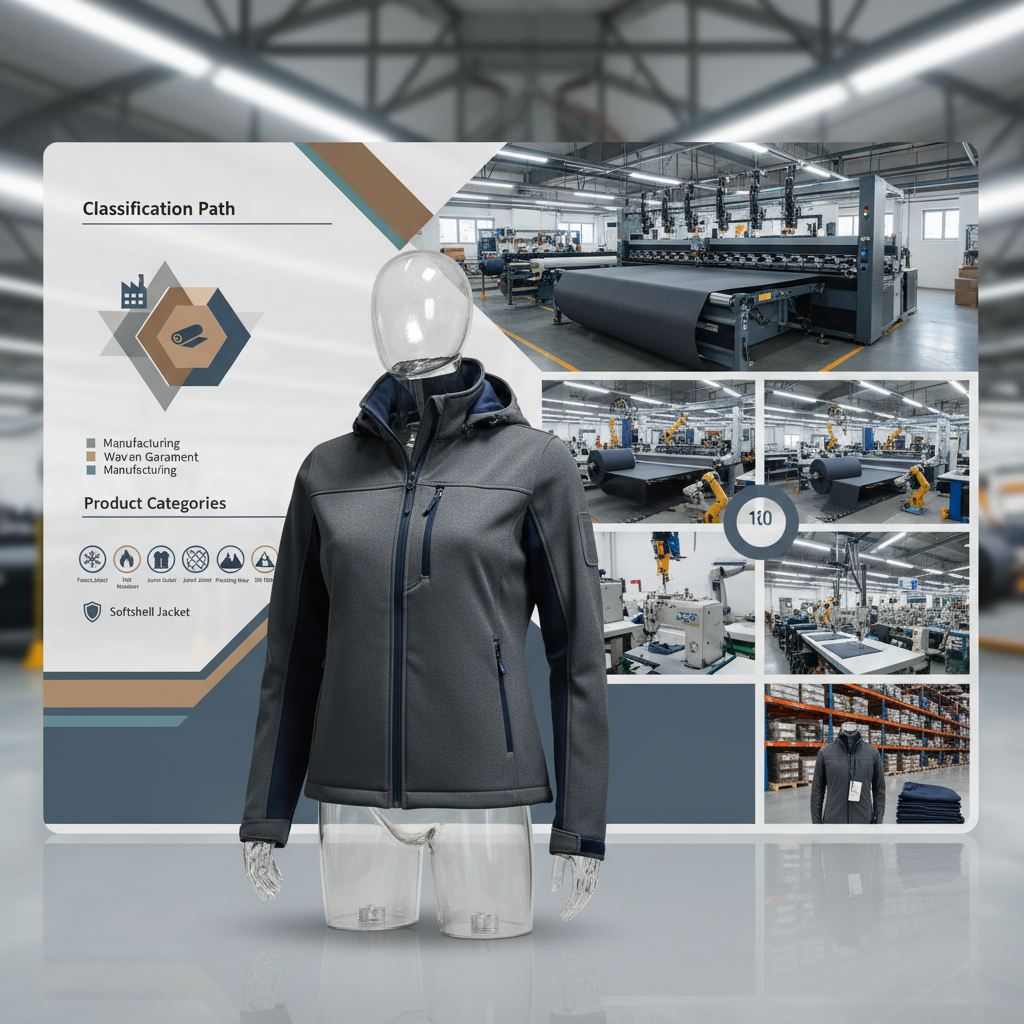
In the context of modern industrial needs, these garments are no longer just for leisure. They have become essential "work-wear" for field engineers, logistics personnel, and emergency responders who require freedom of movement. The integration of four-way stretch fabrics ensures that the garment does not restrict the wearer's range of motion, which is a critical safety requirement in industrial zones where agility can prevent accidents.
From a humanitarian perspective, the lightweight nature of the softshell windbreaker makes it an ideal choice for rapid-deployment kits. In remote regions or post-disaster zones, providing clothing that is lightweight, easy to transport, and capable of providing immediate thermal protection is a priority. The durability of the softshell construction ensures that these garments last longer in harsh environments compared to basic windcheaters.
Core Components of High-Performance Windbreakers
Durability is the first pillar of a premium softshell windbreaker. This is achieved through the use of high-denier nylon or polyester blends that resist abrasions and tears. For users trekking through dense brush or working in construction, a ripstop weave is often integrated into the softshell fabric to ensure that a small snag doesn't lead to a catastrophic failure of the garment.
Breathability and Moisture Management are what truly separate a professional softshell windbreaker from a standard jacket. By utilizing a semi-permeable membrane or a highly engineered weave, the fabric allows warm, moist air to exit the garment while preventing external wind from penetrating. This creates a dynamic equilibrium that keeps the wearer dry and comfortable regardless of the intensity of their movement.
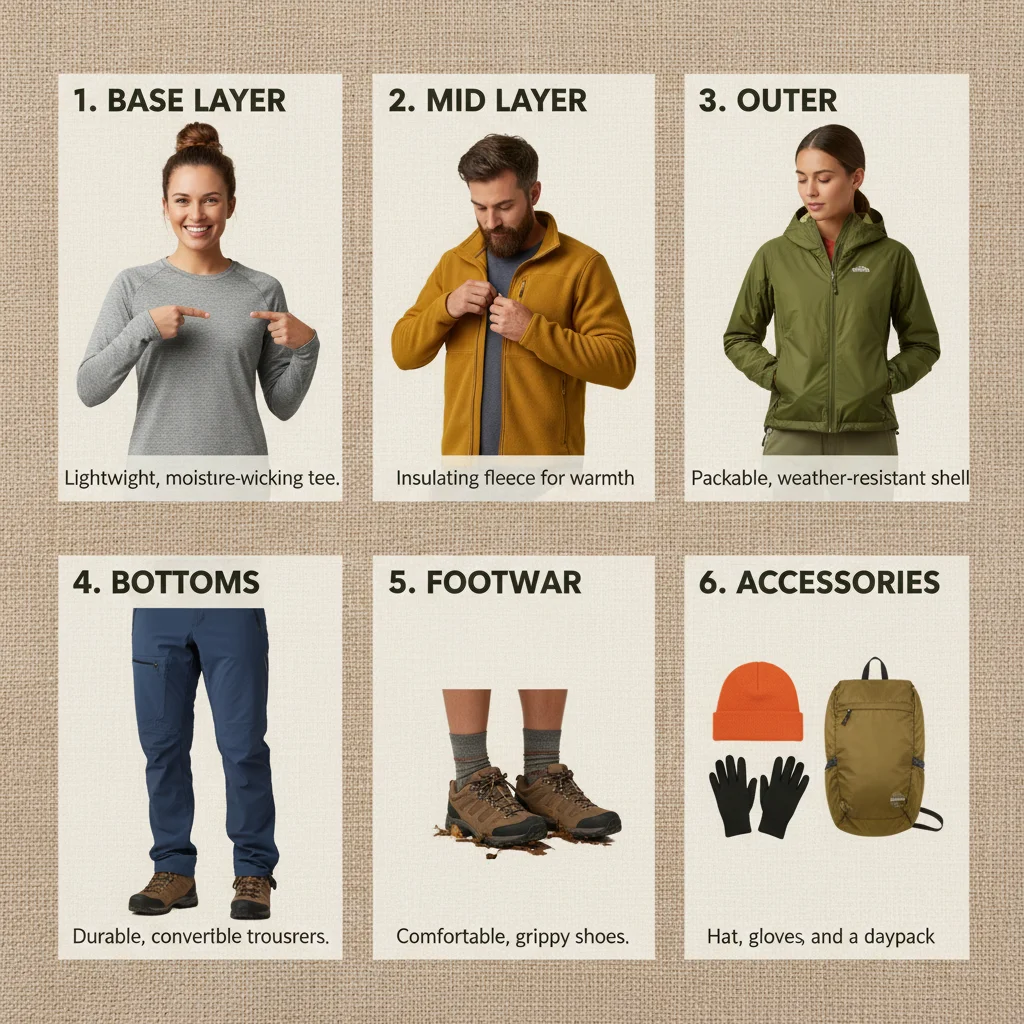
Finally, Versatility and Scalability in design—such as adjustable cuffs, storm hoods, and strategic venting—allow the windbreaker to be adapted to various climates. Whether it's being used as a light shell over a T-shirt in the autumn or as a protective layer over a fleece jacket in the winter, the modular design ensures that the garment remains functional across a wide temperature spectrum.
Practical Applications and Global Use Cases
The application of the softshell windbreaker spans across diverse sectors and geographies. In the Nordic regions of Europe, these jackets are staples for outdoor workers who face constant wind and light precipitation. The ability of the softshell to breathe while blocking the wind makes it superior to traditional heavy coats for those performing active manual labor, as it prevents the wearer from overheating.
In remote industrial zones, such as oil rigs or mining sites in Canada and Australia, the softshell windbreaker serves as a critical layer of protection. These environments require clothing that can withstand chemical splashes (via DWR coatings) and mechanical wear, while still providing the comfort needed for 12-hour shifts. The transition from a "work jacket" to a "technical shell" has increased worker productivity by reducing fatigue caused by improper thermal regulation.
Performance Metrics of Softshell Windbreaker Variations
Long-Term Value and Sustainable Advantages
Investing in a high-quality softshell windbreaker offers significant long-term economic and environmental value. Because these garments are designed for multi-season use, they reduce the need for consumers to purchase multiple specialized jackets. The longevity of the fabric, coupled with the ability to re-apply DWR coatings at home, extends the lifecycle of the product, thereby reducing textile waste in landfills.
Beyond the logic of cost-efficiency, there is an emotional angle of trust and safety. For a climber or a field technician, knowing that their gear will perform consistently in a sudden windstorm provides a psychological sense of security. This reliability builds brand loyalty and trust, as the garment becomes a dependable companion in the face of nature's unpredictability.
Future Trends in Textile Innovation
The future of the softshell windbreaker is being shaped by the digital transformation of textiles. We are seeing the rise of "smart fabrics" that can dynamically adjust their permeability based on the wearer's body temperature. By integrating conductive polymers into the weave, future windbreakers could potentially offer active heating or cooling, further blurring the line between clothing and wearable technology.
Sustainability is another driving force, with a move toward PFC-free water repellents and recycled ocean plastics. The industry is pivoting toward a circular economy, where a softshell windbreaker can be fully disassembled and recycled at the end of its life. This transition is not just about ethics but about complying with increasingly stringent global environmental regulations.
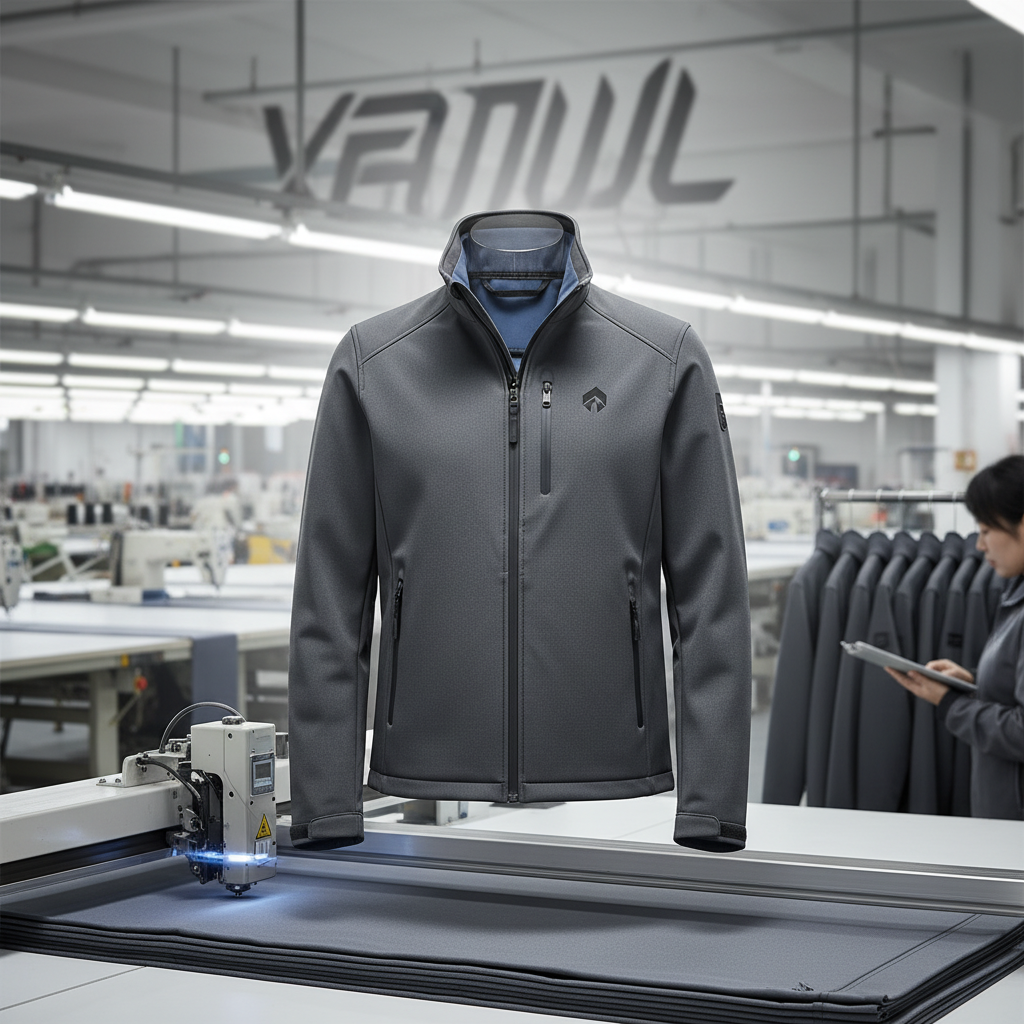
Automation in manufacturing is also enhancing the precision of these garments. 3D knitting and ultrasonic welding are replacing traditional stitching in critical areas, reducing weight and eliminating potential leak points. This ensures that the windbreaker provides a more seamless barrier against the elements while reducing the material waste during the cutting process.
Overcoming Common Softshell Limitations
Despite their advantages, softshells have limitations—most notably their inability to handle heavy, prolonged rainfall. To solve this, experts recommend a "layering system" approach. By pairing a softshell windbreaker with a lightweight waterproof hardshell, users can achieve total protection without sacrificing the comfort and breathability of the softshell during the majority of their activity.
Another common issue is the degradation of the water-repellent coating over time. The solution lies in consumer education; teaching users how to properly wash their gear with technical detergents and use heat-activation (like a tumble dryer on low) to "reset" the DWR molecules. This simple maintenance routine can double the effective life of the windbreaker's weather resistance.
Finally, the challenge of "breathability lag" in extreme humidity is being addressed through the development of electrospun membranes. These next-generation materials offer a much higher rate of moisture transfer than traditional monolithic membranes, ensuring that the softshell windbreaker remains comfortable even in damp, tropical highlands.
Comparative Analysis of Softshell Windbreaker Technical Specifications
| Fabric Type |
Wind Resistance |
Breathability Score |
Ideal Use Case |
| Lightweight Polyester |
Medium (6/10) |
High (9/10) |
Spring Hiking |
| Bonded Softshell |
High (9/10) |
Medium (6/10) |
Winter Commuting |
| Nylon Ripstop Blend |
High (8/10) |
Medium (7/10) |
Industrial Work |
| Fleece-Backed Softshell |
Medium (7/10) |
Medium (5/10) |
Cold Weather Static |
| 4-Way Stretch Softshell |
Medium (7/10) |
High (8/10) |
Active Sports/Climbing |
| Recycled Eco-Shell |
Medium (6/10) |
Medium (7/10) |
Eco-Conscious Urban |
FAQS
No, a softshell windbreaker is typically water-resistant, not waterproof. It uses DWR coatings to shed light rain and snow, but it is not designed for heavy downpours. For total waterproofing, a hardshell jacket is recommended. However, the trade-off is that softshells offer significantly better breathability and flexibility for active use.
Use a technical wash specifically designed for synthetic outdoor gear rather than standard detergents, which can clog the fabric's pores. Avoid fabric softeners. After washing, tumble dry on low heat for 20 minutes; the heat helps reactivate the Durable Water Repellent (DWR) finish, restoring the jacket's ability to bead water.
It depends on the temperature and activity level. For high-exertion activities (like hiking), a softshell is often sufficient. For static activities in freezing temperatures, it is best used as a wind-blocking shell over a thermal base layer and a fleece or padding jacket to ensure adequate heat retention.
A basic windbreaker is usually a single layer of thin, non-stretch fabric designed only to block wind. A softshell windbreaker is a more complex, multi-layer garment that incorporates stretch, thermal insulation, and a semi-permeable membrane for moisture management, making it far more versatile for various weather conditions.
Yes, provided they are made from high-denier, abrasion-resistant materials. Many industrial softshells are designed with reinforced elbows and shoulders to withstand the rigors of field work while providing the breathability needed to prevent worker fatigue and overheating during physical labor.
You should re-apply the coating when you notice that water no longer "beads up" on the surface but instead starts to soak into the fabric. Depending on usage, this usually happens every 6 to 12 months. Spray-on DWR treatments are an effective way to restore performance without needing a new jacket.
Conclusion
The softshell windbreaker represents a masterclass in textile engineering, successfully bridging the gap between the rigid protection of a hardshell and the cozy breathability of a fleece. By integrating durability, wind resistance, and moisture management into a single, flexible garment, it provides an optimized solution for those facing the unpredictability of nature or the demands of industrial environments. From its role in enhancing worker safety to its adoption in global outdoor trends, the softshell has proven itself as a high-value investment for any wardrobe.
Looking forward, the integration of sustainable, recycled materials and smart-fabric technology will only enhance the utility of these garments. As we move toward a future where performance and planetary health must coexist, the evolution of the softshell windbreaker will continue to prioritize efficiency, longevity, and environmental responsibility. We encourage you to explore the latest in technical outerwear to find the perfect balance of protection and comfort. Visit our website: www.outdoor-apparels.com