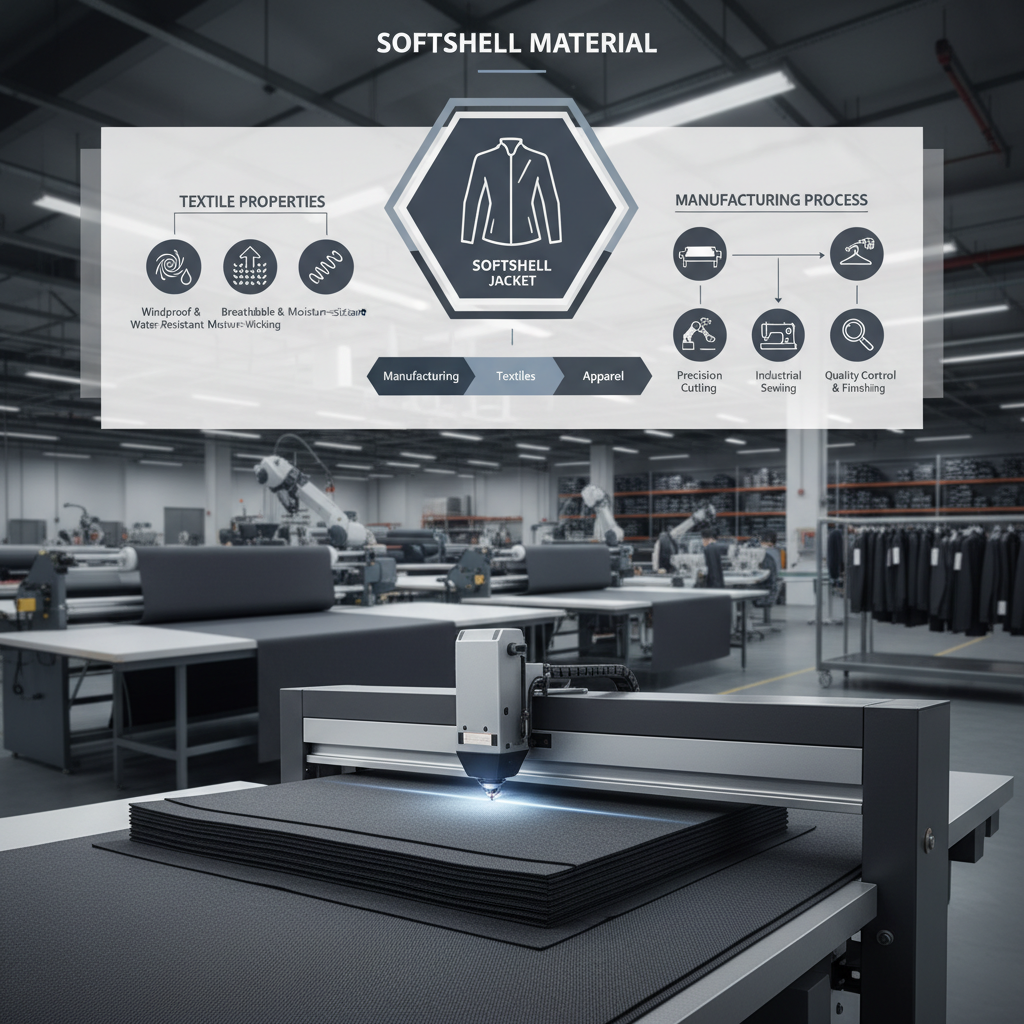
In the competitive landscape of outdoor apparel, softshell material has emerged as a revolutionary hybrid, bridging the gap between the rigid protection of hard-shells and the cozy warmth of fleece. This versatile fabric is engineered to provide a balance of wind resistance, water repellency, and breathability, making it an indispensable choice for modern garment manufacturing.
Understanding the technical composition of these textiles is crucial for brands and consumers alike. As global weather patterns become more unpredictable, the demand for adaptive clothing—specifically those utilizing advanced softshell material—has surged, driving innovation in the textile industry to produce lighter, more durable, and more sustainable options.
From professional skiing gear to urban commuter jackets, the application of this material ensures that the wearer remains comfortable across a wide range of aerobic intensities and environmental conditions. By integrating high-tenacity nylon and polyester with flexible membranes, manufacturers are now able to offer garments that provide tactical protection without sacrificing the freedom of movement.
The Technical Composition of Softshell Material
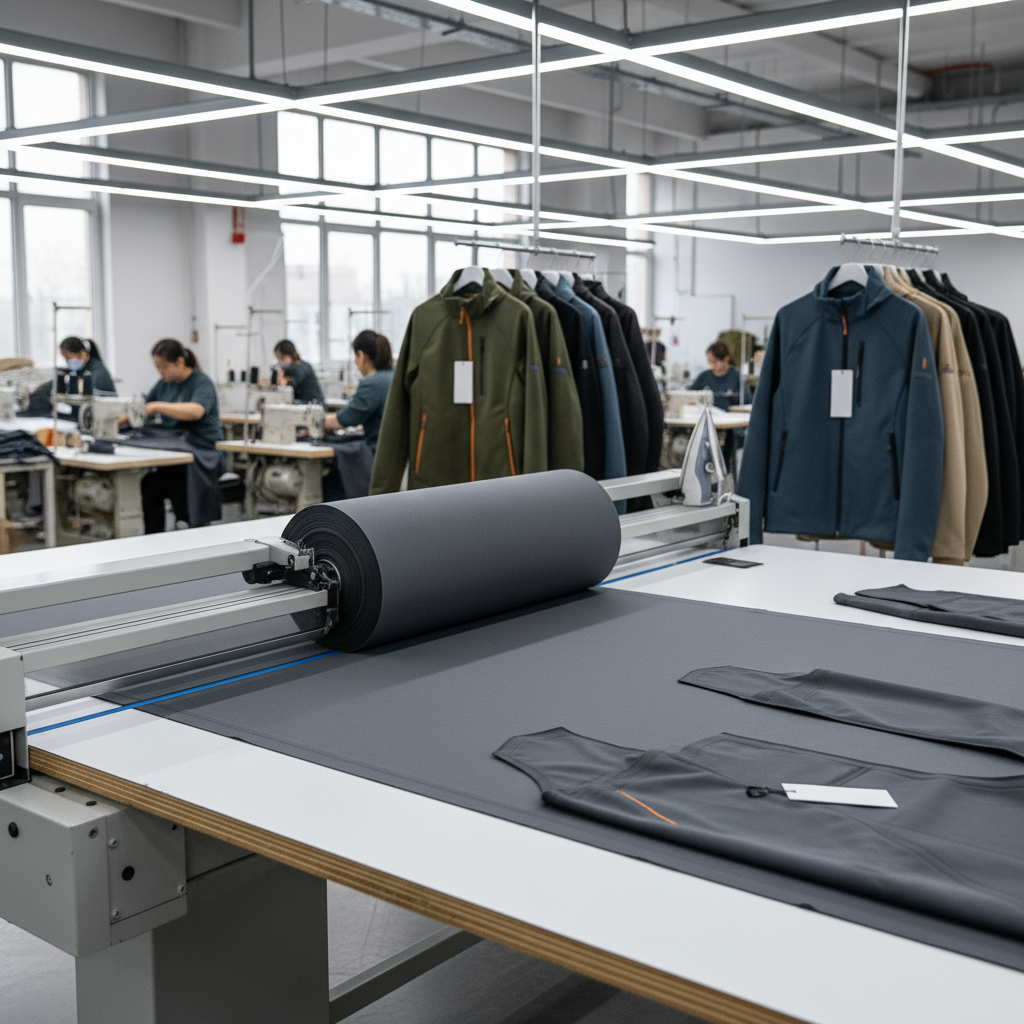
At its core, softshell material is a complex layered construction designed to perform multiple functions simultaneously. Unlike traditional rain gear, it typically consists of a densely woven outer face—often made of polyester or nylon—that is treated with a Durable Water Repellent (DWR) finish to shed light precipitation. This outer layer is engineered to block wind while allowing a small amount of air permeability, preventing the "sauna effect" often found in non-breathable waterproofs.
Beneath the face fabric, a breathable membrane or a specialized knit structure provides the necessary moisture management. Many high-end versions incorporate a bonded fleece or brushed tricot inner lining, which traps body heat and provides immediate tactile comfort. This three-dimensional approach to textile design allows the garment to adapt to the wearer's activity level, making it the gold standard for high-performance jackets and activewear.
Global Market Demand for Versatile Textiles
The global appetite for high-performance apparel has seen a significant shift toward multi-functional garments. Industry data suggests that the intersection of "athleisure" and professional outdoor gear has created a massive market for softshell material, as consumers increasingly seek clothing that transitions seamlessly from a mountain trail to an urban office environment. ISO standards for textile breathability and water resistance have pushed manufacturers to refine these materials to meet stricter performance benchmarks.
A primary challenge addressed by this material is the "layering dilemma." Traditionally, users had to switch between a fleece for warmth and a hardshell for protection. Softshell technology solves this by integrating these functions into a single layer, reducing bulk and increasing agility. This is particularly evident in the growth of the European and North American markets, where variable spring and autumn climates demand a fabric that can handle wind, light rain, and fluctuating temperatures.
Furthermore, the adoption of these textiles in corporate workwear and tactical uniforms highlights their versatility. Organizations are moving away from heavy, restrictive fabrics in favor of softshell solutions that offer professional aesthetics combined with rugged durability. This shift is not just about fashion; it is about improving the ergonomic efficiency and overall well-being of individuals working in demanding outdoor environments.
Key Performance Factors in Fabric Engineering
When evaluating the quality of softshell material, durability is the first benchmark. The use of high-denier nylon ensures that the fabric can withstand abrasion against rocks, equipment, or repetitive friction, which is essential for the longevity of SKI wear and hiking jackets.
Breathability and moisture vapor transmission rate (MVTR) are equally critical. A superior softshell must allow sweat to escape during high-intensity activities to prevent chilling, while maintaining enough wind-blocking capability to protect the core temperature. This balance is achieved through precise membrane pore sizing and knit density.
Finally, the mechanical stretch—both 2-way and 4-way—defines the comfort level. By incorporating elastane or spandex into the weave, the softshell material provides an unrestricted range of motion, which is a non-negotiable requirement for junior jackets and professional athletic gear.
Comparative Analysis of Softshell Variants
Not all softshells are created equal. Depending on the intended use, the balance between windproofing and breathability is shifted. For instance, a "wind-stopper" variant prioritizes absolute wind blockage for high-altitude activities, whereas a "highly breathable" variant is designed for fast-paced activities like trail running where overheating is a greater risk than wind chill.
Selecting the right softshell material depends on the target environmental stressors. While a padded softshell might be ideal for a winter jacket, a lightweight, unlined version is more appropriate for a transitional spring shell. The following data illustrates how different softshell constructions perform across key metrics.
Performance Ratings of Softshell Material Types
Real-World Applications and Use Cases
The versatility of softshell material extends far beyond leisure. In the realm of professional sports, SKI wear utilizes heavy-duty softshells to protect athletes from high-velocity wind and snow spray while allowing the body to vent heat during intense downhill runs. Similarly, in rescue operations and military applications, the material is used for tactical jackets that must be quiet (low rustle), durable, and weather-resistant.
In urban settings, the "commuter jacket" has become a staple, utilizing a refined version of softshell fabric that looks like a blazer or a casual jacket but performs like outdoor gear. This allows professionals in cities like New York or London to navigate rain and wind without needing to carry multiple layers, effectively blending high-fashion aesthetics with industrial-grade textile performance.
Long-Term Value and Sustainability
Investing in high-quality softshell material provides significant long-term value through durability. Unlike cheaper alternatives that peel or lose their water-repellent properties after a few washes, premium softshells are designed for longevity. This reduces the frequency of replacement, aligning with the global movement toward "slow fashion" and reduced textile waste.
From a sustainability perspective, the industry is shifting toward recycled polyesters and PFC-free DWR treatments. By utilizing post-consumer plastic waste to create the nylon and polyester filaments of the softshell, manufacturers are lowering the carbon footprint of the production process. This transition ensures that the high-performance nature of the fabric does not come at an unacceptable environmental cost.
Moreover, the psychological value of reliability cannot be overstated. For an adventurer or a field worker, knowing that their gear will maintain a stable core temperature regardless of the wind or light rain provides a sense of security and dignity. The innovation in softshell technology is therefore not just a technical achievement, but a commitment to human safety and comfort.
Future Innovations in Softshell Technology
The future of softshell material lies in "smart textiles." We are seeing the integration of phase-change materials (PCMs) that can actively absorb, store, and release heat based on the wearer's skin temperature. This would essentially create a self-regulating jacket that prevents both overheating and shivering without the need for manual layering.
Digital transformation in the manufacturing process is also playing a role. 3D knitting and seamless bonding technologies are allowing brands to place different densities of softshell fabric in specific zones of a garment—for example, high-breathability zones under the arms and high-wind-resistance zones on the chest. This "body-mapped" approach maximizes the efficiency of the material.
As automation increases in textile mills, the cost of these advanced materials is expected to drop, making professional-grade protection accessible to a wider audience. The integration of bio-based polymers, derived from corn or algae rather than petroleum, will likely be the next major milestone in making softshell technology truly green.
Comparison of Next-Gen Softshell material Technologies
| Innovation Type |
Primary Benefit |
Environmental Impact |
Market Readiness |
| Bio-based Polymers |
Reduced Oil Reliance |
Very Low |
Emerging |
| Phase-Change Materials |
Active Thermal Reg |
Moderate |
Available |
| Body-Mapped Knitting |
Optimized Breathability |
Low (Less Waste) |
Widespread |
| PFC-Free DWR |
Non-toxic Coating |
Very Low |
Standard |
| Graphene Integration |
Ultra-high Conductivity |
Moderate |
Experimental |
| Recycled Ocean Plastic |
Waste Reduction |
Positive |
Widespread |
FAQS
The primary difference lies in breathability and flexibility. Hardshells are typically fully waterproof and windproof using a rigid membrane, but they can be restrictive and less breathable. Softshell material is designed to be more flexible and breathable, offering water resistance rather than total waterproofing, making it ideal for high-activity levels where moisture management is key.
On its own, a lightweight softshell may not be enough for extreme sub-zero temperatures. However, thermal-bonded softshells with fleece linings provide excellent warmth. For extreme conditions, it is best used as a versatile mid-layer or paired with a hardshell outer layer to provide a comprehensive barrier against heavy snow and freezing winds.
To preserve the DWR coating and membrane, avoid using harsh detergents or fabric softeners, which can clog the breathable pores. Use a technical wash designed for outdoor gear and wash in cool to warm water. Tumble drying on low heat can often help "reactivate" the water-repellent finish of the fabric.
Generally, no. Softshells are "water-resistant," meaning they can handle light rain or mist. While some high-end softshells use membranes that approach waterproof levels, the inherent nature of the fabric is to prioritize breathability and stretch. For torrential rain, a dedicated hardshell (waterproof) jacket is required.
Traditional softshells relied on petroleum-based polyesters and PFCs. However, modern innovations have introduced recycled polyesters (rPET) and PFC-free coatings. When choosing softshell material, look for certifications like Global Recycled Standard (GRS) or Bluesign to ensure the garment was produced sustainably.
For skiing, a heavier, more windproof softshell with a bonded thermal lining is preferred to combat high speeds and cold. For hiking, a lightweight, highly breathable softshell with 4-way stretch is better, as it allows for maximum mobility and prevents overheating during steep climbs.
Conclusion
In summary, softshell material represents a pivotal advancement in textile engineering, offering a sophisticated balance of protection, comfort, and mobility. By integrating wind resistance and breathability into a single, durable layer, it has redefined the standards for outdoor and urban apparel, providing a versatile solution that meets the demands of both professional athletes and everyday commuters.
Looking forward, the evolution toward smart, bio-based, and body-mapped fabrics will only further enhance the utility of this material. For brands and consumers, prioritizing high-quality, sustainable softshells is not just a matter of performance, but a step toward a more durable and eco-conscious future in garment manufacturing. To explore the best in high-performance outerwear, visit our website: www.outdoor-apparels.com