In the demanding world of outdoor apparel, the quest for the perfect balance between protection and agility has led to the rise of specialized performance gear. While many seek a soft shell jacket with logo for corporate branding or team identity, the underlying engineering of the garment is what truly defines its value. For those braving the harshest winters, the focus shifts toward high-performance lower-body protection that mirrors the versatility of a premium shell.
Modern textile manufacturing has evolved to integrate advanced membranes and ripstop technologies, ensuring that apparel can withstand extreme environments while maintaining breathability. Whether it is a branded outer layer or professional-grade snow pants, the integration of waterproof ratings and reinforced stitching is critical for safety and comfort in alpine settings.
Understanding the technical specifications of winter gear—from 10,000mm waterproof ratings to articulated ergonomic designs—allows procurement managers and outdoor enthusiasts to make informed decisions. This guide explores the intersection of branding and high-performance textile engineering, focusing on the essential traits that make professional winter wear indispensable.

The Global Demand for Performance Winter Gear
The global outdoor apparel market has seen a significant surge as more industries integrate high-visibility and high-performance clothing into their standard uniforms. From mountain rescue teams to corporate retreats, the need for a soft shell jacket with logo reflects a broader trend of blending professional identity with technical utility.
As global weather patterns become more volatile, the reliance on ISO-standardized waterproof and breathable materials has grown. This shift is driven by the need for gear that can handle sudden transitions from light rain to heavy snow, ensuring that the wearer remains dry and thermoregulated regardless of the intensity of the activity.
Defining Technical Standards in Outdoor Apparel
At its core, professional-grade winter wear is defined by its ability to manage moisture. For instance, a 10,000mm waterproof rating means the fabric can withstand a column of water 10,000mm high before leaking, which is essential for activities like skiing where contact with wet snow is constant. This technical threshold transforms a simple garment into a piece of safety equipment.
Breathability is the second pillar of these standards. A rating of 5,000g/24h allows moisture vapor from sweat to escape, preventing the "clammy" feeling that often occurs during high-energy exertion. When a company invests in a soft shell jacket with logo or matching snow pants, they are essentially investing in a climate-control system for the body.
Furthermore, the construction method—such as fully taped seams—ensures that the waterproof membrane is not compromised at the stitching points. This holistic approach to engineering ensures that the garment performs as a single, impenetrable unit against the elements, providing peace of mind for those working in extreme cold.
Core Components of Waterproof Engineering
The foundation of any high-performance gear, whether it's a soft shell jacket with logo or specialized snow pants, is the material composition. Using 100% polyester combined with a specialized waterproof membrane creates a robust barrier that blocks wind and water while remaining lightweight.
Crucial to this engineering are the "weatherproof closures." Features such as boot gaiters with gripper elastic and zip flies with storm flaps are not mere additions; they are critical failure points that, if ignored, would allow snow and ice to penetrate the garment, leading to rapid heat loss and discomfort.
Additionally, adaptive fit elements like articulated knees and adjustable waistbands ensure that the technical fabric moves with the body. This prevents the material from stretching at stress points, which could otherwise degrade the waterproof membrane and shorten the lifespan of the product.
Assessing Durability and Wear Resistance
Durability in the textile industry is often measured by the fabric's resistance to abrasion and tearing. The use of ripstop polyester is a gold standard here, as the reinforced grid pattern prevents small punctures from turning into large rips. This is particularly vital for gear exposed to ski edges, jagged rocks, or industrial equipment.
To further enhance longevity, strategic reinforcement is applied to high-wear areas. Scuff guards at the cuffs and reinforced stitching at the knees ensure that the garment maintains its structural integrity over multiple seasons of heavy use, reducing the long-term cost of replacement for organizations.
Durability Performance of Professional Outerwear
Real-World Applications in Alpine Environments
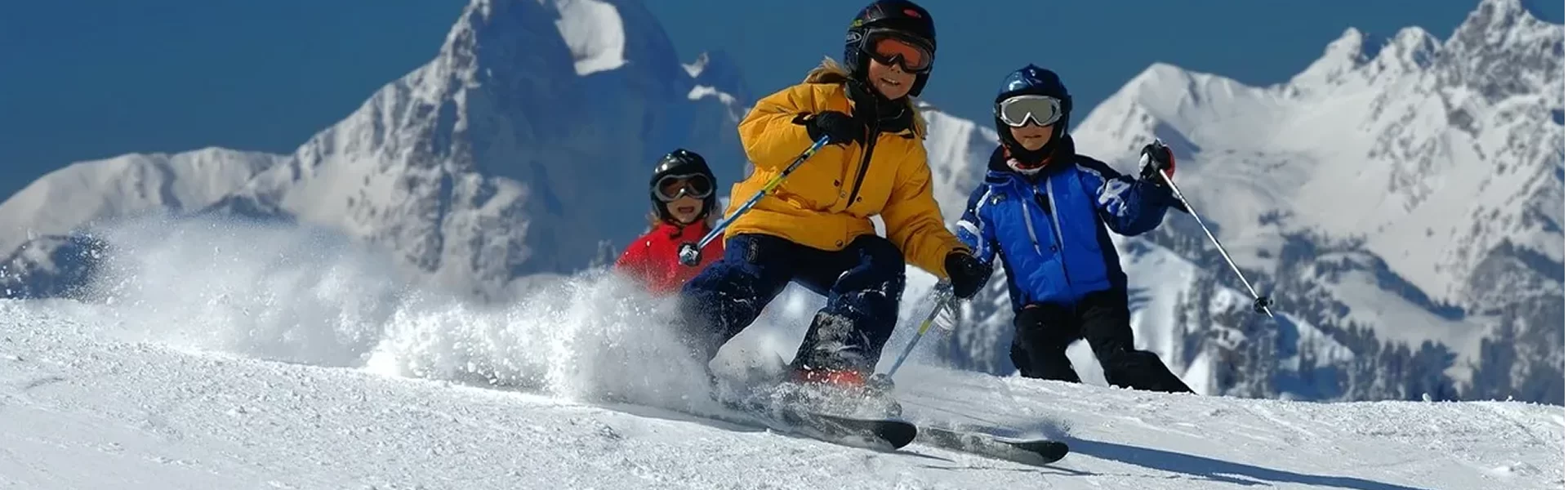
In practical settings, such as professional skiing or snowboarding, the synergy between a soft shell jacket with logo and waterproof snow pants is essential. The ability to release heat via side ventilation zippers allows athletes to modulate their body temperature in real-time, preventing the buildup of moisture that could lead to chills during periods of inactivity.
Beyond sports, these garments are critical in remote industrial zones where technicians must work in sub-zero temperatures. The inclusion of strategic storage—such as waterproof thigh pockets for phones and keys—ensures that essential tools remain accessible and protected from the elements, enhancing operational efficiency in the field.
Long-Term Value of High-Spec Textile Choice
Investing in premium materials provides more than just immediate protection; it offers significant long-term economic value. While the initial cost of a high-spec garment may be higher, the reduced frequency of replacement due to superior wear resistance and the increased safety of the wearer result in a lower total cost of ownership.
From a branding perspective, a soft shell jacket with logo that maintains its shape and water-repellency over time projects an image of quality and reliability. When the gear does not fade or tear, the corporate identity associated with the logo remains untarnished, reinforcing trust with clients and partners.
Moreover, the psychological impact of being well-protected cannot be overstated. When employees or team members feel secure and warm in their apparel, their focus shifts from survival to performance, leading to higher productivity and better morale in challenging outdoor environments.
Future Innovations in Performance Fabrics
The future of outdoor apparel lies in the convergence of sustainability and smart technology. We are seeing a shift toward recycled polyesters that match the performance of virgin materials, reducing the environmental footprint of the textile industry without compromising the 10,000mm waterproof standards.
Digital transformation is also entering the fabric level, with the development of "smart textiles" that can monitor body temperature or integrate flexible heating elements. This evolution will likely see the traditional soft shell jacket with logo evolve into a piece of wearable tech that actively responds to environmental changes.
As automation in manufacturing improves, the ability to create highly customized, ergonomic fits will become standard, further reducing the need for bulky adjustments and improving the overall streamlined silhouette of winter wear.
Technical Specification Analysis of Professional Winter Apparel
| Feature Category | Technical Metric | Performance Impact | Longevity Score (1-10) |
|---|
| Waterproofing | 10,000mm Membrane | Complete moisture block | 9 |
| Breathability | 5,000g/24h | Efficient vapor escape | 8 |
| Outer Shell | Ripstop Polyester | Tear and abrasion resistance | 10 |
| Seam Quality | Fully Taped | Prevents seepage at joints | 9 |
| Mobility | Articulated Knees | Unrestricted movement | 8 |
| Closures | Storm Flaps/Gaiters | Blocks wind and snow entry | 9 |
FAQS
A 10,000mm rating indicates that the fabric can withstand significantly more water pressure before leaking compared to a 5,000mm rating. For professional use in snow and rain, 10,000mm is the preferred standard as it ensures the wearer remains dry even when kneeling in slush or enduring prolonged exposure to wet winter conditions.
Ripstop polyester is woven with a reinforced cross-hatch pattern. If a puncture occurs, the stronger threads "stop" the rip from spreading. This is essential for high-activity gear, as it prevents small snags from becoming catastrophic failures, thereby extending the garment's usable life.
Even if the fabric is waterproof, the needles used for stitching create thousands of tiny holes. Taped seams involve applying a waterproof adhesive tape over these seams on the interior, sealing the holes and ensuring that moisture cannot seep through the joints of the garment.
Yes, professional manufacturers can integrate high-quality logos via embroidery or heat-press on performance fabrics. It is important to ensure that the branding process does not compromise the waterproof membrane or the breathability of the fabric, which is why expert textile developers are recommended.
This rating means that 5,000 grams of water vapor can pass through one square meter of the fabric in 24 hours. This allows sweat to evaporate from the skin to the outside, preventing the interior of the garment from becoming damp, which is critical for maintaining core body temperature.
Boot gaiters are reinforced fabric shields at the bottom of snow pants that wrap snugly around the boot. They prevent snow, slush, and cold air from entering the pant leg from the bottom, keeping your socks and feet dry and warm during alpine activities.
Conclusion
The integration of technical precision and professional branding—exemplified by the soft shell jacket with logo and high-performance snow pants—is essential for anyone operating in extreme winter climates. By prioritizing 10,000mm waterproof membranes, 5,000g breathability, and ripstop durability, organizations can ensure their teams are protected by gear that balances mobility with impenetrable weather resistance.
As we look toward the future, the adoption of sustainable materials and smart textiles will further redefine the boundaries of outdoor apparel. Investing in high-spec, ergonomically designed gear today not only enhances immediate safety and performance but also builds a lasting legacy of quality and reliability for any brand. Visit our website: www.outdoor-apparels.com