The global demand for high-performance winter outerwear has evolved beyond simple utility, moving toward a synergy of technical precision and individual expression. In the competitive landscape of children's winter gear, the ability to combine rigorous weatherproofing with aesthetic appeal is what defines market leadership. This shift is particularly evident in the rise of specialized gear that caters to the energetic needs of young explorers.
For manufacturers and retailers, the challenge lies in balancing extreme thermal protection with a design that resonates with a younger demographic. The industry is seeing a significant trend toward customization, where performance metrics—such as water resistance and breathability—are paired with tailored aesthetics to create a product that feels personal and high-end.
Whether it is for professional ski slopes or casual winter play, integrating high-loft synthetic insulation and durable outer shells is essential. By focusing on personalised softshell jackets and performance puffer gear, brands can offer unmatched value to parents who prioritize safety, warmth, and style for their children.

The Global Context of Personalised Softshell Jackets
In the modern textile industry, the intersection of functionality and personalization has created a surge in demand for specialized outerwear. Globally, the shift toward "athleisure" and technical sports gear has pushed manufacturers to move beyond one-size-fits-all solutions. This is particularly true for the youth market, where parents seek the same level of technical certification found in adult professional gear, but with sizes and styles tailored for girls and boys.
The rise of personalised softshell jackets and custom puffer designs reflects a broader consumer trend: the desire for equipment that performs in -20°C temperatures while maintaining a unique identity. By leveraging OEM capabilities, brands can now integrate specific features—like sparkly accents or helmet-compatible hoods—without compromising the 12,000mm waterproof rating essential for alpine environments.
Defining Performance in Custom Winter Outerwear
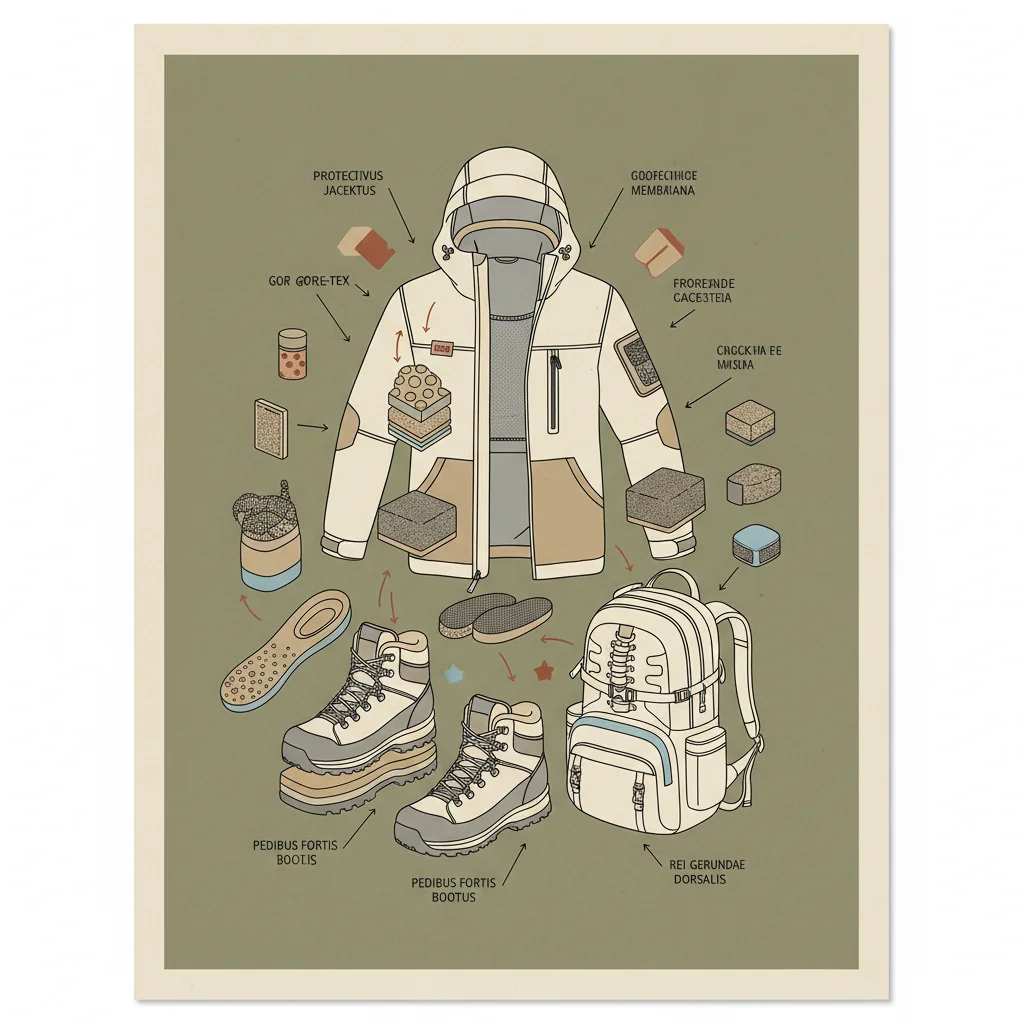
At its core, high-performance winter outerwear is defined by its ability to manage three critical factors: moisture, wind, and heat. For a jacket to be truly effective, it must act as a comprehensive barrier. This involves a multi-layered approach where a durable outer shell repels external water, a windproof membrane blocks freezing gusts, and an internal lining manages perspiration.
When discussing the concept of personalised softshell jackets and puffer hybrids, the "performance" aspect refers to the technical specifications. For instance, a 12,000mm water resistance rating means the fabric can withstand significant water pressure before leaking, which is critical for children who frequently interact with snow and slush.
Furthermore, the integration of synthetic down ensures that warmth is maintained even in damp conditions. Unlike natural down, which can clump and lose its insulating properties when wet, high-loft synthetic fills are engineered to retain their structure, ensuring that the wearer remains cozy from the first lift to the end of the day.
Core Technical Components for Extreme Cold
The effectiveness of any winter garment relies on its core components. For high-end gear, this begins with the shell material. 100% polyester is often the gold standard for these applications due to its inherent durability and ability to be treated with high-grade waterproof coatings, making personalised softshell jackets highly resilient against wear and tear.
Internal insulation is the second pillar of warmth. Using high-loft synthetic down allows for a "puffer" silhouette that traps air efficiently. This design is not just for fashion; the pockets of air created by the puffer construction act as thermal buffers, keeping the body temperature stable even when external temperatures drop to -20°C.
Finally, the "details" are what separate professional gear from generic apparel. Sealed seams prevent moisture from seeping through stitch points, while moisture-wicking linings pull sweat away from the skin. These features ensure that the wearer doesn't overheat during high-energy activities, a common problem that can lead to chills once the activity stops.
Performance Metrics and Material Efficiency
Measuring the success of winter gear requires a look at empirical data. Waterproofing is measured in millimeters (mm), with 12,000mm providing a robust shield against heavy snow. Breathability is equally important; without it, the internal moisture from the body would condense, making the wearer feel damp and cold despite the insulation.
In the realm of personalised softshell jackets, the balance between weight and warmth is the primary KPI. Synthetic fills are chosen specifically because they provide a high warmth-to-weight ratio, allowing children to move freely without the bulk of traditional heavy coats.
Technical Performance Rating for Custom Winter Jackets
Real-World Applications in Winter Sports
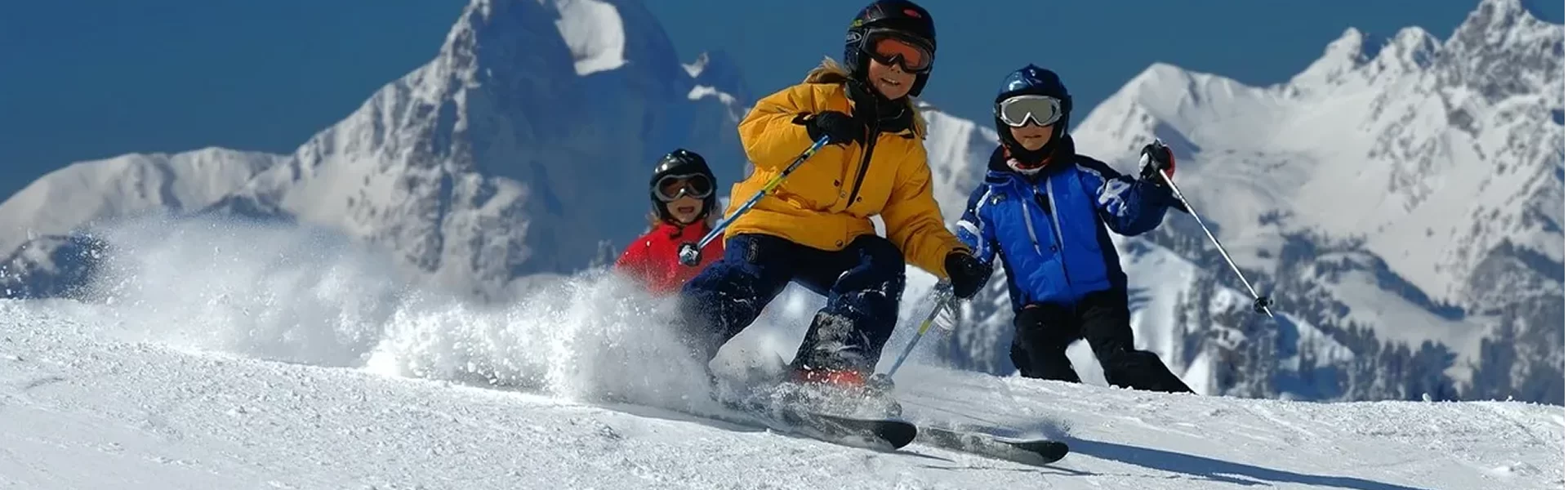
In practical terms, these technical garments are indispensable for skiing and snowboarding. For young girls, a jacket that combines a removable, helmet-compatible hood with a drawcord hem prevents snow from entering the garment during falls or high-speed runs. This level of design ensures that the activity remains enjoyable rather than a struggle against the elements.
Beyond the slopes, personalised softshell jackets and puffer coats are used in remote industrial zones and cold-climate school commutes. The addition of specialized storage, such as internal mesh pockets for small essentials and sparkly-accented handwarmer pockets, adds a layer of user-centric design that appeals to the end-user's emotional needs while serving a functional purpose.
Long-Term Value of High-Loft Insulation
Investing in high-quality synthetic insulation provides long-term economic and functional value. Because synthetic fill does not degrade as quickly as low-grade alternatives and maintains its loft after multiple washes, these jackets have a longer lifecycle. This is particularly important for children's wear, where durability is tested daily.
The psychological impact of staying warm cannot be overstated. When a child feels secure and cozy in their gear, their confidence in exploring outdoor environments increases. This fosters a healthier, more active lifestyle and builds a positive association with winter sports and nature.
From a brand perspective, offering a product that survives several seasons of heavy use builds immense trust. By adhering to strict OEM standards—including a 60-120 day lead time for precision manufacturing—companies ensure that every seam is sealed and every zipper is robust, reducing return rates and increasing customer loyalty.
Future Trends in Sustainable Textile Manufacturing
The future of winter outerwear is leaning heavily toward sustainability. We are seeing a transition toward recycled polyester and PFC-free waterproof membranes. These innovations aim to reduce the environmental footprint of the textile industry without sacrificing the 12,000mm water resistance that professionals require.
Digital transformation in the "personalization" phase is also accelerating. 3D body scanning and AI-driven sizing are making the "personalised" aspect of personalised softshell jackets more precise, reducing fabric waste during the cutting process and ensuring a perfect fit for every child.
As automation increases in the sewing process, the ability to offer smaller MOQs (Minimum Order Quantities) while maintaining high quality becomes possible. This allows niche brands to experiment with bold designs and specialized functions, further diversifying the market for high-performance winter wear.
Technical Specification Analysis of Winter Performance Gear
| Feature Component | Technical Standard | Performance Benefit | User Impact Score |
|---|
| Outer Shell | 12,000mm Waterproof | Complete rain/snow shield | 10/10 |
| Insulation Fill | High-Loft Synthetic | Warmth down to -20°C | 9/10 |
| Seams | Fully Sealed/Taped | Prevents moisture seepage | 9/10 |
| Lining | Moisture-Wicking Poly | Prevents overheating | 8/10 |
| Cuffs/Hem | Elasticated/Drawcord | Locks out cold air | 8/10 |
| Hood | Helmet-Compatible | Versatile safety fit | 10/10 |
FAQS
Standard puffers focus primarily on insulation and warmth. Personalised softshell jackets generally offer a more streamlined, wind-resistant, and water-repellent shell that is more flexible for active movement. However, a hybrid "puffer ski jacket" combines the extreme warmth of a puffer with the technical shell properties of a softshell, providing the best of both worlds for alpine environments.
Yes, 12,000mm is considered a high-performance rating. It is more than sufficient for all-day skiing, snowboarding, and playing in heavy snow. It ensures that water does not penetrate the fabric even under moderate pressure (like sitting in the snow), keeping the internal synthetic insulation dry and effective.
Synthetic down is engineered to mimic the structure of natural down but has a critical advantage: it retains its insulating properties when wet. For active children, this is vital because moisture from sweat or snow can cause natural down to collapse, whereas synthetic fill continues to trap heat, maintaining warmth down to -20°C.
Absolutely. Through OEM services, we offer full customization including "any color as request," custom sizing from 122 to 164, and the addition of brand-specific logos or design elements. This makes them ideal for ski schools, sports clubs, or corporate winter gear sets.
The standard process includes a sample time of 7-15 days for design verification. Once the PP (Pre-Production) sample is confirmed, the lead time is typically 60-120 days. This ensures that all sealed seams, waterproof coatings, and custom design details are executed to a professional standard.
To maintain the 12,000mm rating, we recommend washing the jacket with technical detergents specifically designed for waterproof fabrics. Avoid fabric softeners, as they can clog the breathable pores of the membrane. Tumble drying on low heat can often help "reactivate" the water-repellent finish of the outer shell.
Conclusion
The evolution of winter outerwear has reached a point where technical excellence no longer comes at the expense of style or personalization. By integrating high-loft synthetic insulation, 12,000mm waterproof shells, and user-centric design elements, manufacturers can provide gear that protects children in the harshest -20°C conditions while allowing them to express their individuality. The key to success in this market lies in the meticulous attention to detail—from sealed seams to moisture-wicking linings—that ensures safety and comfort.
Looking forward, the industry will continue to move toward a more sustainable, digitally-integrated manufacturing process. For brands and retailers, the opportunity lies in embracing these technical advancements to offer products that are not only performance-driven but also environmentally responsible. Investing in high-quality, customizable outerwear is a commitment to quality, safety, and the enduring spirit of outdoor adventure. Visit our website: www.outdoor-apparels.com