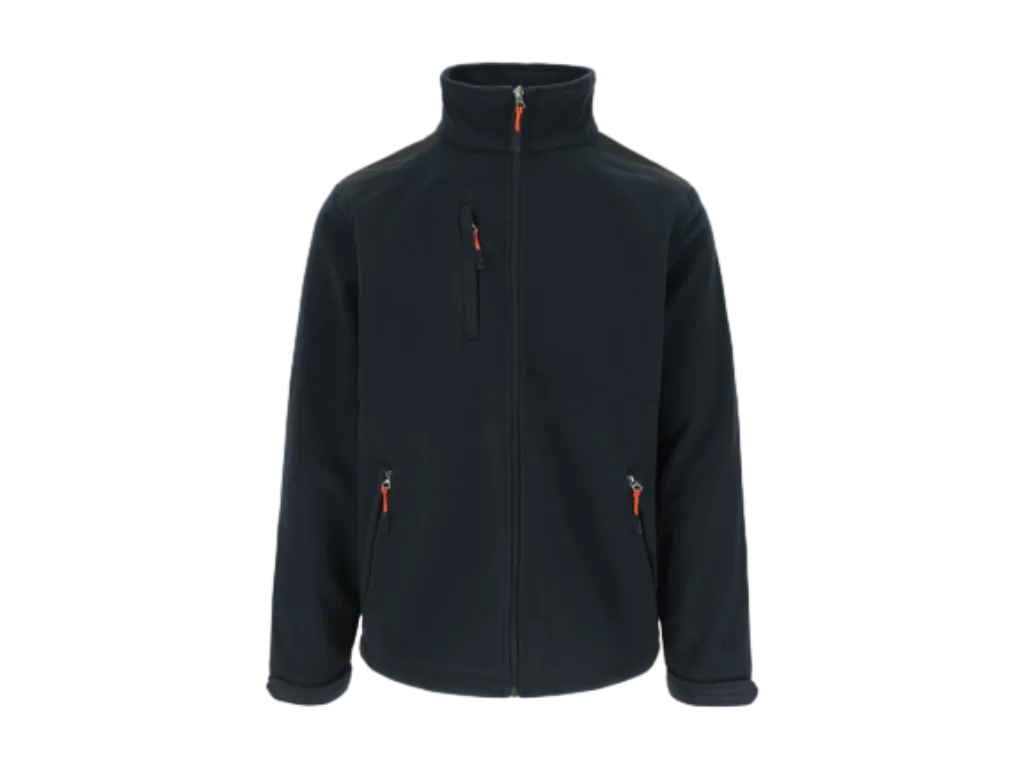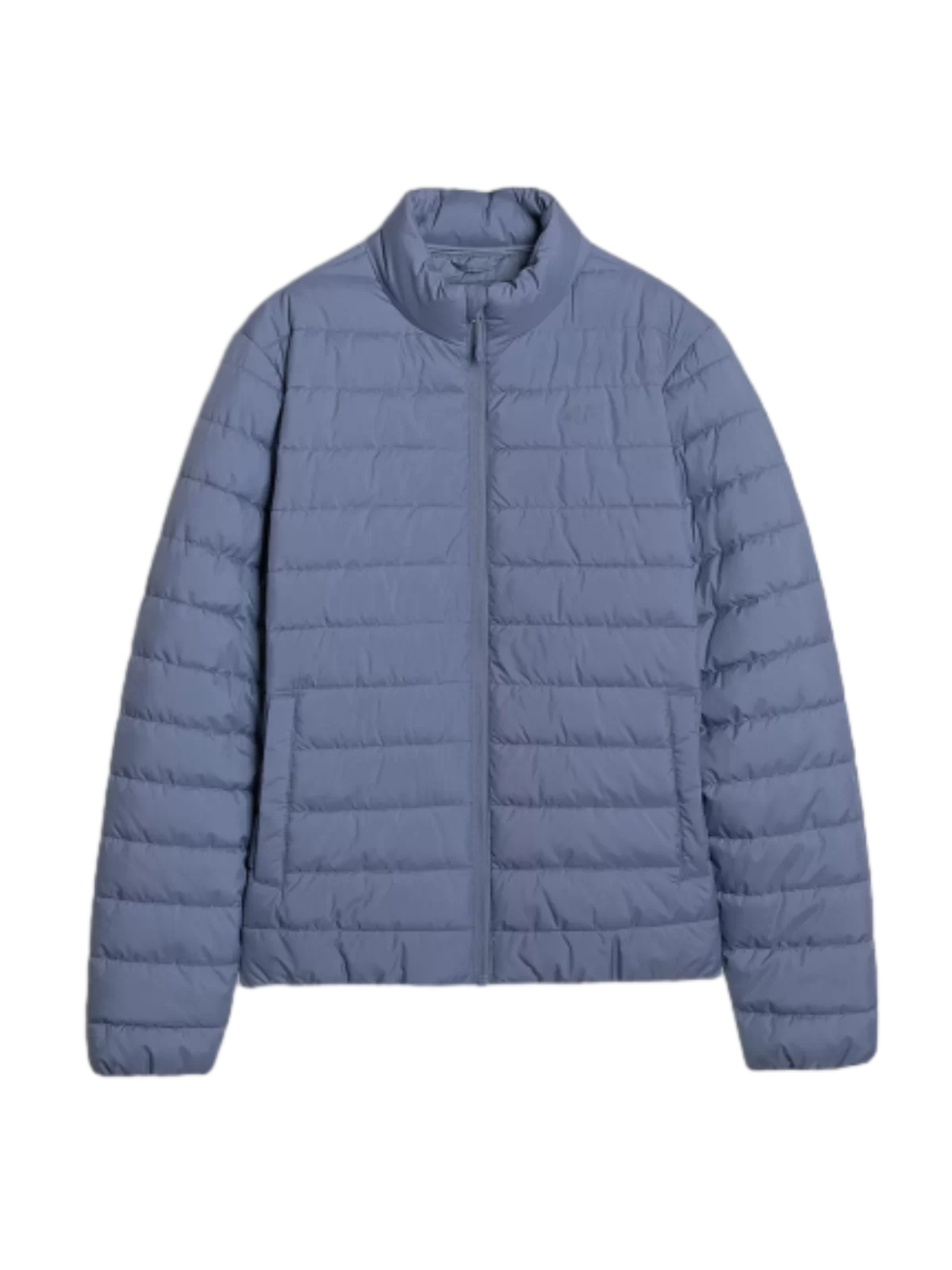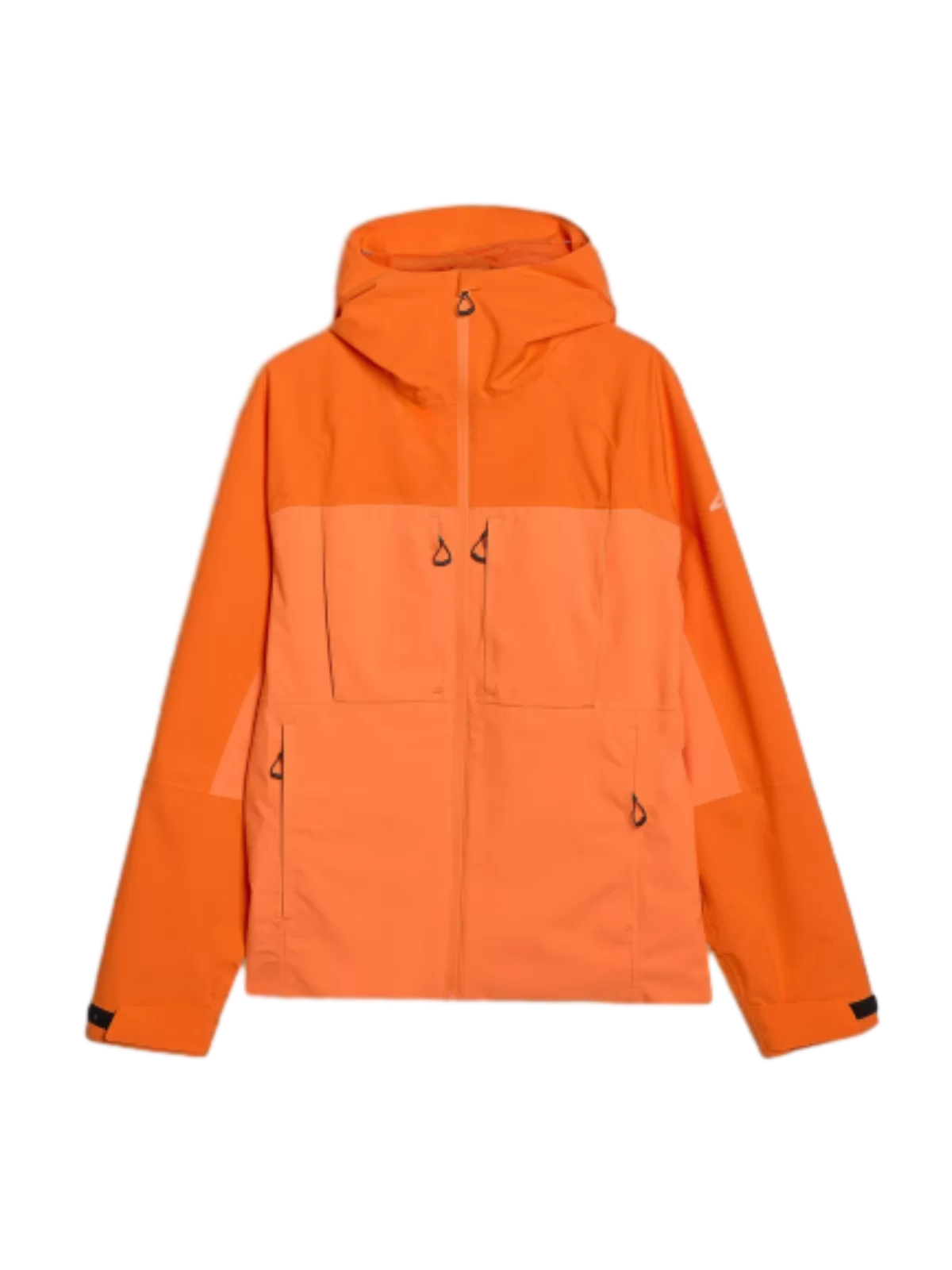
In the vast landscape of outdoor and casual apparel, few garments command the versatile respect and widespread adoption as the humble fleece jacket. Its seemingly simple construction belies a sophisticated engineering marvel, born from a desire to replicate wool's warmth without its inherent drawbacks. Originally conceived in the late 20th century, the fleece jacket quickly transcended its utilitarian roots, evolving from a specialized piece of mountaineering gear into an everyday essential, a testament to its unparalleled combination of lightweight warmth, breathability, and ease of care. Its ubiquity is not accidental; it’s a direct consequence of a design philosophy centered on functional efficiency and user comfort. From brisk morning commutes to high-altitude expeditions, the fleece jacket serves as a dependable layer, offering a significant thermal barrier without the bulk of traditional insulation. The market for performance outerwear, including fleece, continues to expand, driven by increasing participation in outdoor activities and a growing appreciation for functional, comfortable clothing in daily life. Data from industry reports indicate a steady growth in the global outdoor apparel market, with fleece products often cited as a cornerstone segment due to their accessibility and broad utility. This growth underscores the fleece jacket's continued relevance and its unique position as a go-to garment for a diverse range of users and conditions, symbolizing a perfect blend of innovation and practicality.
The remarkable performance characteristics of fleece jackets stem directly from their innovative material composition, predominantly synthetic polyester fibers. Unlike natural fibers that absorb moisture, polyester is inherently hydrophobic, meaning it repels water. This property is crucial for maintaining warmth in damp conditions and for rapid drying, a significant advantage over materials like cotton or even some wool blends. The manufacturing process involves knitting polyester fibers into a fabric, which is then brushed to create a deep, soft pile on both sides. This brushing technique is not merely for comfort; it significantly increases the surface area and creates thousands of tiny air pockets within the fabric. These trapped air pockets are the true heroes of insulation. Air is a poor conductor of heat, so by trapping a substantial volume of it close to the body, fleece effectively slows down heat loss, keeping the wearer warm. The density and loft of these fibers directly correlate to the warmth rating of the fleece, with heavier fleeces (e.g., 300-weight) offering more insulation than lighter ones (e.g., 100-weight). Moreover, fleece is engineered for breathability. While it insulates effectively, its open-knit construction allows moisture vapor (perspiration) to escape, preventing the clammy sensation often associated with less breathable materials. This breathability is vital for active pursuits, as it helps regulate body temperature and prevents overheating. Furthermore, advancements in fiber technology have led to specialized fleeces incorporating ceramic particles for enhanced warmth, anti-pilling treatments for durability, and even recycled polyesters for environmental sustainability, continually pushing the boundaries of what these versatile garments can achieve. The fabric's elasticity also contributes to a comfortable, unrestrictive fit, making it ideal for dynamic movements.
When selecting a fleece jacket, the sheer array of options can be overwhelming, with numerous manufacturers offering distinct features, material compositions, and price points. Understanding these differences is crucial for making an informed decision that aligns with specific needs and budget constraints. While many brands utilize standard polyester fleece, some integrate proprietary technologies to enhance performance, such as improved warmth-to-weight ratios, superior water resistance, or advanced breathability. For instance, some premium outdoor brands develop their own variations of high-loft fleece designed to mimic the insulating properties of down, while others focus on highly durable, abrasion-resistant fleeces suited for rugged environments. Entry-level options often prioritize affordability and basic warmth, perfect for casual wear or light layering. Mid-range products frequently offer a balance of performance features and value, incorporating features like reinforced shoulders or specialized pocket configurations. High-end fleeces, on the other hand, push the boundaries with cutting-edge materials, ergonomic designs, and often a commitment to sustainable manufacturing practices. The table below illustrates a comparison across different tiers, highlighting key differentiators that consumers should consider.
Feature/Brand Tier | Entry-Level (e.g., "ValueWarm") | Mid-Range (e.g., "TrailBlaze") | Premium/Specialized (e.g., "SummitPro") |
Typical Material | Standard 100% Polyester Fleece (150-200 weight) | Enhanced Polyester Fleece (200-250 weight), anti-pilling treatment | Proprietary High-Loft Fleece, Polartec® Alpha, Recycled Content (250-300+ weight) |
Warmth-to-Weight Ratio | Good for casual use, moderate insulation | Very good, balanced for active use | Excellent, optimized for maximum warmth with minimal bulk |
Breathability | Standard, suitable for light activity | Improved, good for moderate activity levels | Superior, engineered for high-output activities |
Durability/Abrasion Resistance | Moderate, prone to pilling over time | Good, improved anti-pilling and reinforced stress points | Excellent, highly resistant to pilling and abrasion, often with DWR finish |
Features | Basic pockets, full-zip/half-zip | Zip hand pockets, chest pocket, adjustable hem, sometimes hood | Technical hood, multiple specialized pockets, thumb loops, articulated fit, advanced ventilation |
Sustainability Focus | Minimal to none | Some use of recycled materials | Significant, often 50%+ recycled content, bluesign® approved fabrics |
Price Range (USD) | $20 - $50 | $50 - $120 | $120 - $300+ |
This comparison illustrates that while the core concept remains the same, the execution varies widely. Consumers should prioritize features based on their intended use, whether it’s for a leisurely stroll, demanding mountaineering, or everyday layering in urban environments. Investing in a higher-tier product often translates to enhanced performance, greater durability, and a longer lifespan, potentially offering better long-term value despite a higher initial cost.
Beyond standard off-the-rack options, the demand for customization in performance apparel has grown significantly, allowing individuals and organizations to tailor fleece jackets to their precise specifications. This extends far beyond merely choosing a size and color, encompassing a range of modifications that enhance functionality, aesthetics, and brand identity. Customization solutions often begin with material selection, where clients can specify different weights of fleece for varying warmth requirements, or even blended fabrics that incorporate elastane for stretch or nylon for increased abrasion resistance in high-wear areas. The fit itself can be customized, from a relaxed, everyday silhouette to a more athletic, form-fitting design that layers efficiently under shells.
Aesthetic customization includes a vast palette of color choices, often with options for contrasting zippers, cuffs, or collar linings. Branding elements are a major component, allowing for embroidered logos, heat transfers, or custom patches, making fleece jackets ideal for corporate uniforms, team apparel, or promotional merchandise. Functionality can also be deeply personalized. This might involve adding specialized pockets – internal phone pockets, zippered chest pockets for security, or larger cargo pockets for specific tools. Hoods can be added or removed, designed for helmet compatibility, or given adjustable drawstrings. Other features like thumb loops, integrated balaclavas, or extended back hems for coverage can be incorporated. For specialized applications, such as industrial workwear or medical environments, customization might include flame-retardant treatments or anti-static properties. This level of personalization ensures that the final product not only meets the performance demands but also aligns perfectly with the aesthetic and practical needs of the user, transforming a generic garment into a purpose-built piece of equipment or a distinctive brand statement.
The adaptability of the fleece jacket is one of its most compelling attributes, allowing it to seamlessly transition across an extraordinarily diverse range of applications. Its core benefits – lightweight warmth, breathability, and quick-drying properties – make it an indispensable garment in contexts far beyond its initial design as outdoor gear. In the realm of outdoor sports, it serves as a crucial mid-layer for hikers, climbers, and skiers, providing essential insulation while allowing for freedom of movement and efficient moisture management. For casual wear, it's a go-to choice for everyday comfort, perfect for errands, dog walks, or simply lounging at home, offering a cozy alternative to heavier sweaters. Its neat appearance and variety of styles also make it suitable for semi-casual office environments, particularly in cooler climates. Beyond individual use, fleece jackets have found significant traction in professional and corporate settings. Companies frequently use customized fleeces as part of their employee uniform, especially for roles that involve both indoor and outdoor work, such as logistics, field service, or event management. The ability to brand these garments with corporate logos fosters team identity and presents a professional image. In specific industrial applications, such as cold storage facilities or refrigerated logistics, fleece provides critical thermal protection for workers. Medical and emergency services personnel also rely on fleece for its warmth and ease of movement during long shifts and varying environmental conditions. Even in niche areas like marine activities, specific hydrophobic fleece types offer crucial insulation even when wet, a vital safety feature. The sheer breadth of its utility, from the highest mountain peaks to the everyday urban landscape and specialized professional fields, firmly establishes the fleece jacket as one of the most versatile and functional garments developed in modern textile engineering, consistently demonstrating its value in an ever-expanding array of use cases.
As consumer awareness around environmental impact grows, the discussion around fleece jackets increasingly encompasses sustainability and product longevity. Historically, fleece, being a polyester product, raised concerns about its production from fossil fuels and the issue of microplastic shedding during washing. However, significant strides have been made in the industry to address these challenges. Many leading manufacturers now extensively utilize recycled polyester, often derived from post-consumer plastic bottles, effectively diverting waste from landfills and reducing the demand for virgin petroleum resources. This shift is not just about material sourcing; it extends to the entire supply chain, with an emphasis on energy-efficient manufacturing processes and reduced water usage. Brands are also implementing certifications like bluesign® to ensure environmentally responsible production from raw materials to finished products, minimizing impact on people and the planet. Furthermore, the longevity of a fleece jacket plays a crucial role in its overall sustainability profile. A well-made fleece, designed for durability, can last for many years, reducing the frequency of replacement and thus its environmental footprint. Proper care is paramount: washing at lower temperatures, air drying, and using microplastic-catching wash bags can significantly extend its life and mitigate microplastic release. Consumers are increasingly seeking out brands that offer repair services or take-back programs, further extending the lifecycle of their garments. Investing in a high-quality, sustainably produced fleece jacket, and committing to its proper care, transforms it from a mere purchase into a responsible, long-term investment in both personal comfort and environmental stewardship. This evolving narrative highlights a future where performance and ecological responsibility are not mutually exclusive but deeply integrated.
The journey of the fleece jacket from a niche climbing insulation piece to a global wardrobe staple is a powerful testament to its inherent brilliance in design and functionality. Its consistent ability to deliver exceptional warmth-to-weight ratio, combined with breathability and quick-drying properties, solidifies its status as an indispensable garment for an incredibly diverse range of activities and environments. From the challenging demands of high-altitude mountaineering, where every gram counts and reliable thermal regulation is critical, to the everyday comfort sought during a brisk morning walk or a casual evening out, the modern fleece jacket performs with unwavering reliability. The advancements in textile technology, particularly the move towards recycled materials and more sustainable manufacturing processes, further enhance its appeal, aligning performance with environmental responsibility. This evolution ensures that as consumers become more discerning about their impact, the fleece jacket continues to adapt and lead. Its versatility extends beyond personal use, proving invaluable in professional uniforms, specialized industrial applications, and even as promotional merchandise, showcasing its broad adaptability. Ultimately, the fleece jacket represents a triumph of material science and ergonomic design, offering a unique blend of comfort, utility, and now, increasingly, sustainability. It is not merely a piece of clothing but a fundamental element of a functional layering system, a reliable companion in varied conditions, and a smart investment for anyone seeking practical, high-performance apparel.
A1: Most fleece jackets are made from 100% synthetic polyester fibers. These fibers are knitted and then brushed to create a soft, lofty pile that traps air, providing insulation. Some modern fleeces incorporate recycled polyester or blends for enhanced properties.
A2: Fleece offers excellent warmth for its weight, often comparable to lightweight wool. It excels in damp conditions where wool might absorb water and become heavy. While down typically offers superior warmth-to-weight in dry, cold conditions, fleece retains much of its insulating properties even when wet, and is generally more affordable and easier to care for.
A3: Fleece weight typically refers to the fabric's density, measured in grams per square meter (GSM). A 100-weight fleece is lightweight and suitable for mild conditions or as a base layer. A 200-weight is mid-weight, offering good warmth for layering or standalone use. A 300-weight is heavy, providing maximum warmth for very cold conditions or as an outer layer.
A4: Fleece itself is not waterproof; it will absorb water over time, though it dries quickly. Some fleeces have a Durable Water Repellent (DWR) finish, which can repel light drizzles. For heavy rain, a waterproof outer shell should always be worn over a fleece jacket.
A5: To maximize longevity, wash fleece jackets inside out in cold water on a gentle cycle with a mild detergent. Avoid fabric softeners, as they can clog the fibers and reduce breathability. Tumble dry on low heat or, ideally, air dry to prevent pilling and preserve the fabric's loft.
A6: Traditionally, fleece production used virgin petroleum. However, a significant portion of the industry now uses recycled polyester, often from plastic bottles, reducing demand for new fossil fuels and diverting waste. Brands are also adopting sustainable manufacturing processes and certifications to minimize environmental impact.
A7: Fleece is an excellent mid-layer. For optimal warmth and moisture management, wear a wicking base layer (e.g., merino wool or synthetic) underneath the fleece. On top, add a waterproof and windproof outer shell to protect against the elements, creating a highly adaptable system for varying weather conditions.


If you are interested in our products, you can choose to leave your information here, and we will be in touch with you shortly.