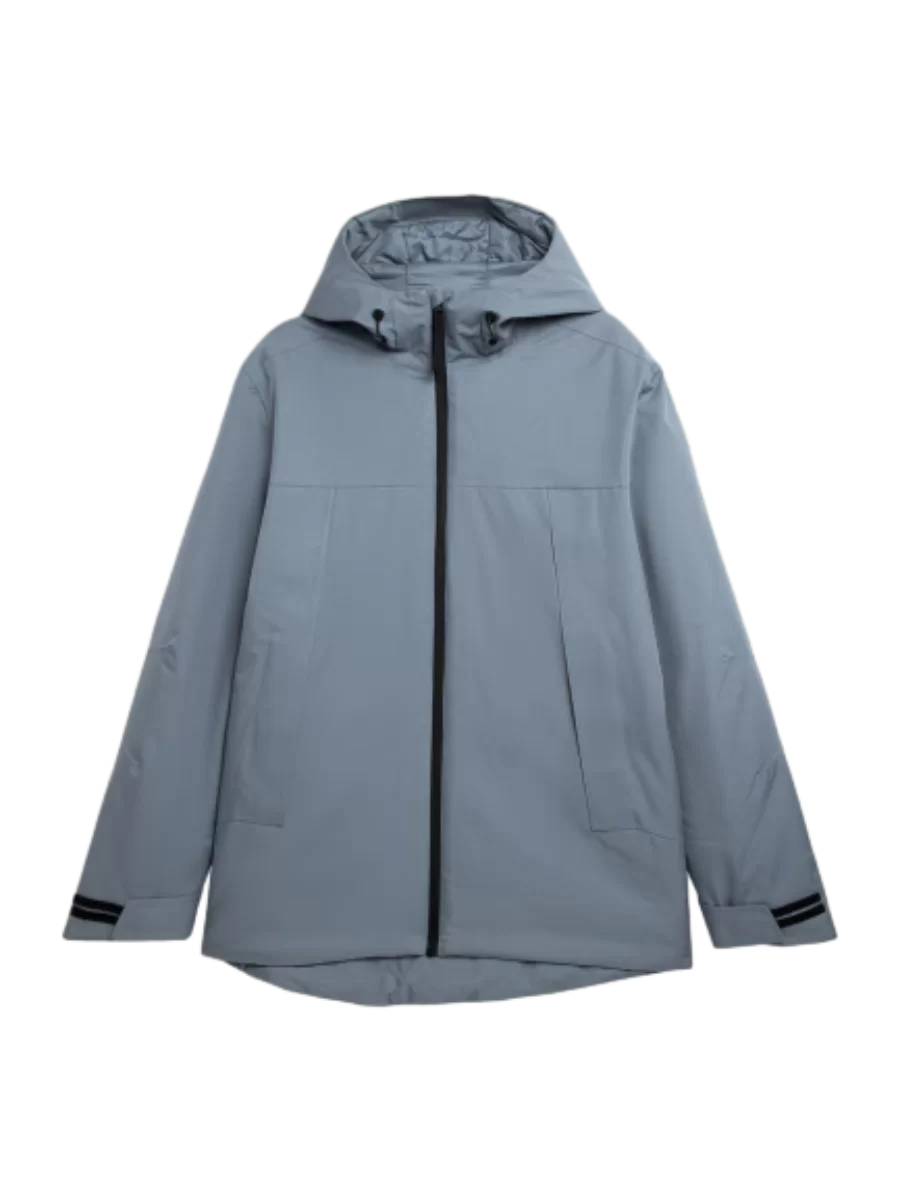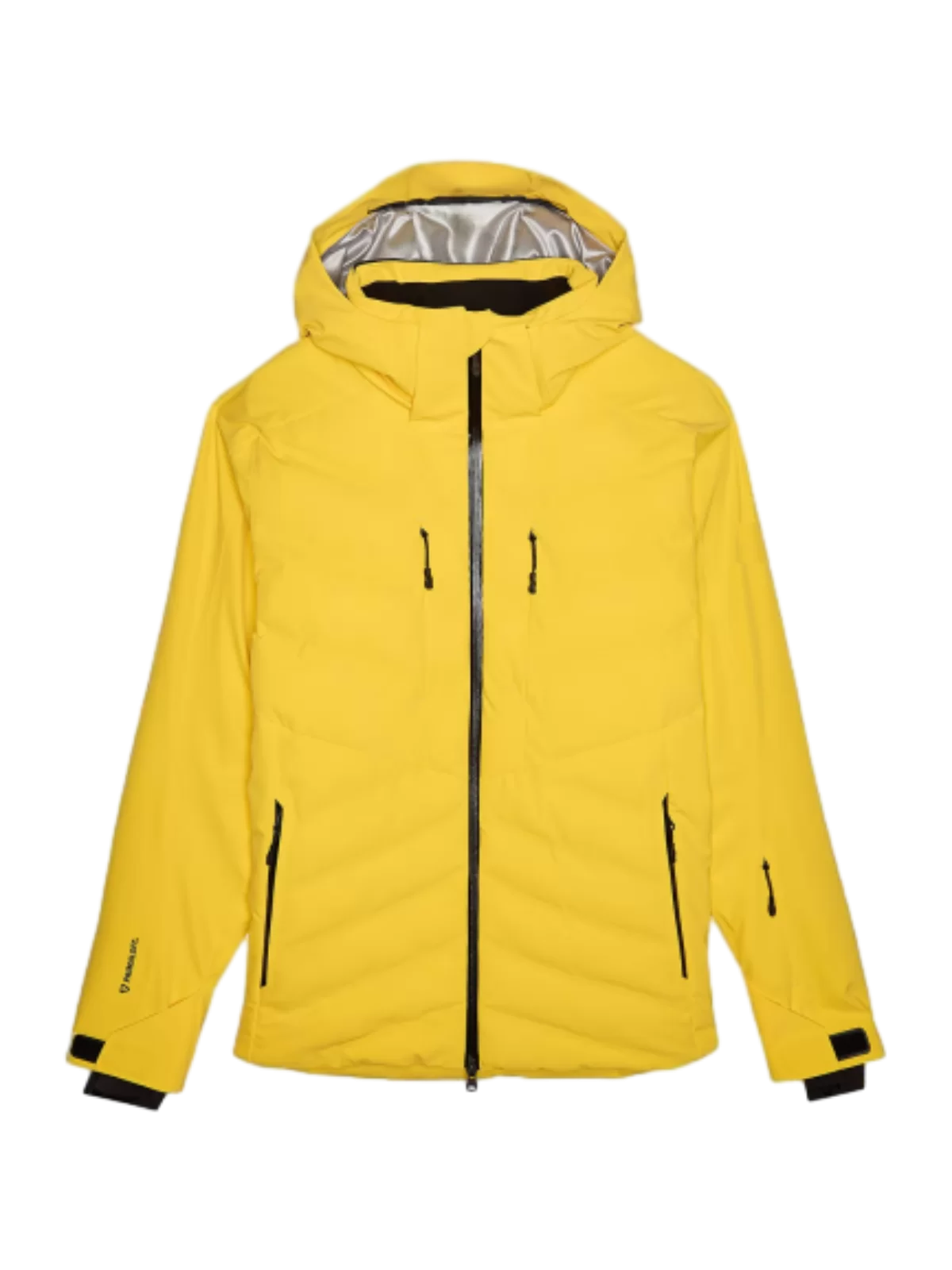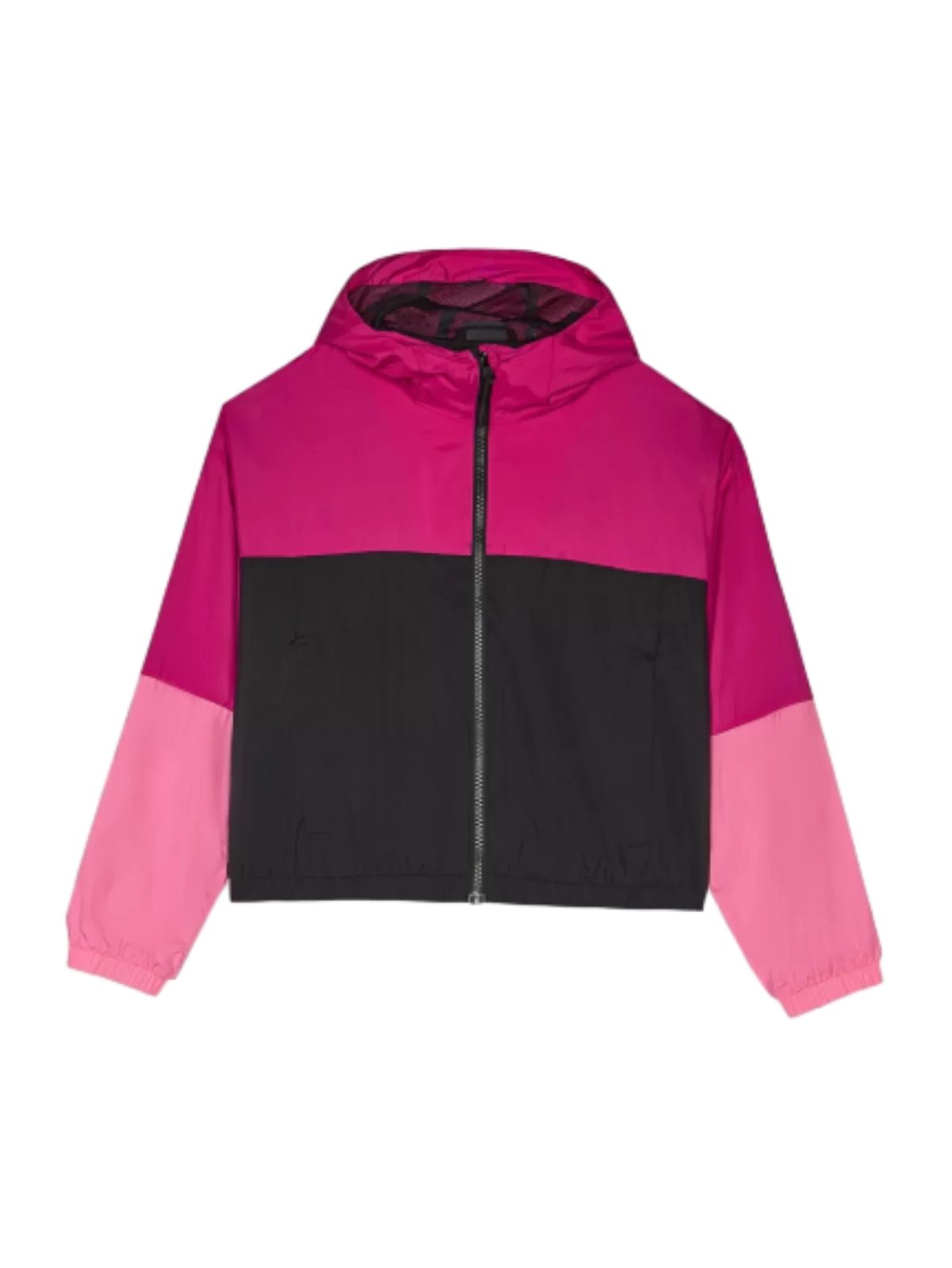
In the dynamic landscape of outdoor apparel, the softshell jacket women's category has evolved from a niche product to an indispensable wardrobe staple for active women worldwide. Gone are the days when a cumbersome hardshell was the only option for unpredictable weather; modern softshells strike a remarkable balance between protection, breathability, and unrestricted movement. This revolutionary garment bridges the gap between a fleece layer and a waterproof hardshell, offering unparalleled versatility. Historically, outdoor gear prioritized ruggedness over comfort and aesthetics, often resulting in bulky, ill-fitting designs for women. However, contemporary advancements have reshaped this narrative, leading to sophisticated softshell jackets tailored precisely to the female physique and diverse activity levels. From brisk morning commutes to challenging alpine treks, a well-chosen softshell provides adaptable performance, shedding light rain and blocking wind without the clammy sensation often associated with fully waterproof shells. Its inherent stretch ensures comfort during dynamic movements, making it a go-to choice for hiking, climbing, cycling, or simply navigating urban environments in variable conditions. This paradigm shift underscores a deeper understanding of active women's needs: gear that not only performs but also empowers, offering freedom without compromise. The continuous innovation in fabric technology, combined with a focus on ergonomic design, means today's softshell jacket for women is more than just a piece of clothing; it's a critical tool for embracing the outdoors with confidence and comfort, adapting seamlessly to changing weather patterns and personal demands. Its rise in popularity is a testament to its practical superiority and its ability to enhance the outdoor experience, proving that functionality and style can, and should, coexist.
The contemporary softshell jacket for women represents a pinnacle of textile engineering, moving far beyond simple woven fabrics. Modern designs integrate a multitude of technical advantages to optimize performance across a spectrum of activities and conditions. At the core are advanced fabric compositions, often featuring tightly woven synthetic fibers like polyester and nylon, frequently blended with elastane or spandex. This blend provides the signature stretch and recovery that allows for a full range of motion, critical during activities such such as climbing or trail running. Beyond basic elasticity, these fabrics are engineered for superior breathability. Unlike traditional waterproof hardshells that can trap moisture, softshells are designed to actively transport sweat vapor away from the body, preventing overheating and maintaining a comfortable microclimate. This is often achieved through specific weave structures or membrane technologies that are air-permeable yet wind-resistant. For instance, some manufacturers employ DWR (Durable Water Repellent) finishes on the fabric surface, causing water droplets to bead up and roll off rather than saturate the material. While not fully waterproof, this treatment provides excellent resistance against light rain and snow, significantly extending comfort in damp conditions. Furthermore, innovations in insulation layers, either bonded directly to the softshell fabric or integrated as a fleece lining, offer varying degrees of warmth without adding significant bulk. We see advancements like strategic body mapping, where different fabric weights and stretch properties are placed in specific areas of the garment to optimize breathability, insulation, and durability where they are most needed. For example, a jacket might feature a denser, more abrasion-resistant fabric on the shoulders and elbows, while the back and underarms utilize a lighter, more breathable material. The integration of ergonomic pattern cutting, articulated sleeves, and adjustable cuffs and hems further refines the fit, ensuring the jacket moves with the wearer rather than restricting her. These sophisticated technical features collectively transform a simple jacket into a high-performance system designed to tackle diverse environmental challenges with grace and efficiency.
Understanding the performance of a women's softshell jacket goes beyond anecdotal experience; it’s rooted in quantifiable data that highlights its technical superiority. When evaluating these garments, key metrics reveal their true capabilities and differentiate premium offerings from basic alternatives. Consider air permeability: while a typical hardshell might boast an air permeability rating close to 0 CFM (Cubic Feet per Minute), indicating complete wind blockage but also minimal breathability, a high-performance softshell might range from 10-40 CFM. This controlled air exchange is critical for regulating body temperature during high-output activities, allowing just enough air flow to dissipate heat and moisture without causing a chill. For example, a softshell with a 20 CFM rating can effectively block 90% of wind while still allowing sweat vapor to escape at a rate significantly higher than non-breathable options, a crucial factor in preventing post-activity hypothermia. Similarly, water repellency, measured by hydrostatic head (often in millimeters for hardshells), isn't the primary metric for softshells, but DWR performance is key. A new DWR treatment typically achieves a 90/10 rating (90% of water beads, 10% absorbs) after 10 washes, degrading to perhaps 80/20 after 20 washes. Top-tier DWRs maintain this performance longer, crucial for sustained protection in light precipitation. Stretch factor is another vital statistic, often expressed as a percentage of elongation before fabric failure. Many advanced softshells feature 4-way stretch fabrics that can elongate by 20-30% in both warp and weft directions, providing unparalleled freedom of movement compared to conventional fabrics that might only offer 2-way stretch or none at all. Studies have shown that a garment with adequate stretch can reduce metabolic energy expenditure by up to 5% during dynamic activities, directly contributing to user endurance and comfort. Furthermore, abrasion resistance, often quantified by the Martindale test cycles, indicates durability. Premium softshells can withstand 20,000+ cycles, meaning they are exceptionally resistant to scuffs and tears from packs or rough surfaces, significantly extending the garment's lifespan. These tangible figures underscore the sophisticated engineering behind modern softshells, validating their role as indispensable gear for serious outdoor enthusiasts. The combination of these data points illustrates a carefully balanced performance profile that prioritizes comfort, thermal regulation, and durability in variable conditions, making them a smart investment for active lifestyles.
The market for women's softshell jackets is rich with innovation, offering a wide array of choices from established giants to nimble, specialized brands. Each manufacturer brings a unique philosophy to design, material selection, and target demographic, making a comparative analysis essential for informed decision-making. Below is a concise comparison of several prominent brands, highlighting their distinct approaches and technical prowess in the softshell category.
Manufacturer | Signature Fabric/Technology | Key Design Philosophy | Typical Performance Focus | Price Range (USD) |
Arc'teryx | Fortius™ series, GORE-TEX INFINIUM™ | Minimalist, performance-driven, ergonomic fit. Focus on alpine and technical outdoor sports. | Exceptional durability, weather resistance, breathability, highly articulated fit. | $200 - $400+ |
Mammut | SOFtech™ (proprietary blends) | Swiss precision, mountain sports heritage, robust construction. Balance of protection and freedom. | High abrasion resistance, balanced breathability/weather protection, specific mountain features. | $180 - $350 |
Patagonia | Capilene® Cool, proprietary stretch wovens | Environmental stewardship, versatile performance, classic aesthetic, repairability. | Excellent breathability, good stretch, reasonable weather resistance, focus on sustainability. | $150 - $300 |
Mountain Hardwear | Chockstone™ series | Technical climbing and mountaineering focus, innovative materials. | Superior stretch, durability for harsh conditions, moderate weather protection. | $120 - $280 |
Outdoor Research | Ascendant™ (Polartec Alpha), Ferrosi™ | Practicality, user-friendly features, balance of performance and value. | Excellent breathability, active insulation, high stretch, value for money. | $100 - $250 |
Black Diamond | BD.dry™ (stretch woven), Schoeller® | Climbing-specific design, ruggedness, freedom of movement. | Durability, precise fit for climbing, wind resistance, breathability. | $130 - $300 |
As illustrated, Arc'teryx often leads with highly technical, alpine-focused designs using cutting-edge proprietary fabrics like Fortius™, delivering exceptional durability and articulation at a premium price point. Patagonia, while also high-performance, emphasizes environmental responsibility and multi-sport versatility, often integrating recycled materials. Mammut leans into its strong mountaineering heritage with robust, meticulously engineered softshells suitable for challenging mountain conditions. Mountain Hardwear and Black Diamond cater to serious climbers, prioritizing stretch, abrasion resistance, and a fit conducive to dynamic movement. Outdoor Research consistently offers strong performance and thoughtful features at a competitive price, often leveraging innovative external materials like Polartec Alpha for active insulation. The choice ultimately hinges on the user's primary activity, desired feature set, and budget, with each brand presenting a compelling case for its specialized approach to women's outdoor wear.
While mass-produced softshell jackets offer broad appeal, the pursuit of optimal performance and comfort often leads to the exploration of custom solutions and bespoke apparel. For many women, a standard size simply doesn't accommodate their unique body shape, specific activity requirements, or aesthetic preferences. This is particularly true for athletes with specialized physiques, professional guides, or those with unique layering systems. Custom softshell solutions bridge this gap, offering a tailored fit that can significantly enhance performance and comfort. Imagine a rock climber needing a jacket with extra-long sleeves to prevent wrist exposure during overhead reaches, or a backcountry skier requiring specific venting configurations optimized for uphill climbs versus downhill descents. Bespoke services can address these nuanced demands. For instance, a custom softshell might feature strategically placed, reinforced panels made from an even more abrasion-resistant fabric in high-wear areas like shoulders (for backpack straps) or elbows (for scrambling). It could also incorporate specialized pockets designed to accommodate specific tools, radios, or even medical devices without adding bulk or impeding movement. Beyond fit and function, custom solutions extend to material selection. While a standard jacket offers a fixed fabric choice, a bespoke option might allow for combining different weights or types of softshell material – perhaps a lighter, more breathable fabric for the body paired with a denser, more weather-resistant fabric for the hood and upper arms. This level of customization ensures that every element of the jacket is optimized for the intended use and individual's physiology. Some smaller, specialized manufacturers or artisan tailors offer such services, working directly with clients to design and construct a garment that is truly unique. This approach allows for a meticulous attention to detail, from seam placement to zipper type, ensuring that the final product is not just a jacket, but a finely tuned piece of equipment perfectly aligned with the wearer’s needs and ambitions. The investment in a custom softshell reflects a commitment to peak performance and unparalleled comfort, transforming the wearing experience from adequate to exceptional.
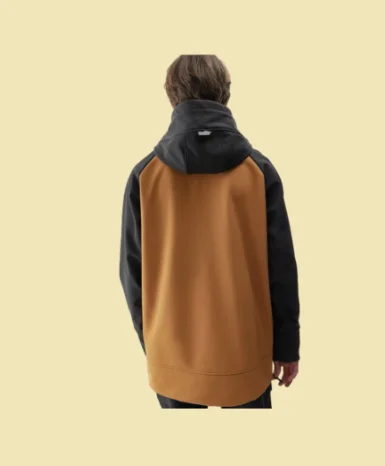
The versatility of a women's softshell jacket is perhaps best demonstrated through its myriad real-world applications, showcasing its ability to perform across diverse environments and activities. Far from being a single-purpose garment, its balanced properties make it an indispensable piece of kit for a wide range of active pursuits. Consider the alpine climber tackling a technical rock route: a softshell with excellent stretch and breathability allows unrestricted movement crucial for precise handholds and foot placements, while its wind resistance provides vital protection on exposed ridges, significantly reducing the risk of chilling without the bulk of a hardshell. Testimonials from mountaineers frequently highlight how a softshell's ability to shed light snow and breathe effectively prevents clamminess during strenuous ascents, contributing to sustained comfort over long days. For the trail runner, a lightweight softshell offers just enough warmth for brisk morning runs, effectively blocking biting winds on open sections while allowing sufficient airflow to prevent overheating during uphill efforts. Its compact packability means it can be easily stowed when not needed, making it an ideal emergency layer. In the context of backcountry skiing or snowboarding, a softshell often serves as the primary outer layer for ascents, providing crucial breathability to manage sweat output. Many prefer it over a full hardshell due to its superior comfort, quieter movement, and less restrictive feel, layering a light waterproof shell over it only for significant precipitation or exposed descents. Even in more mundane scenarios, like urban commuting by bicycle, a softshell proves invaluable. It offers protection against city winds and light drizzles, with high-visibility options enhancing safety, while its stylish, less technical appearance blends seamlessly into an urban environment. Furthermore, for travelers and backpackers, a single softshell jacket can replace multiple layers, adapting to varying climates and conditions encountered on a journey, from a cool airplane cabin to an evening stroll in a windy city. These diverse application cases underscore the garment's fundamental strength: its adaptive performance profile. By effectively managing temperature, moisture, and mild weather, a quality women's softshell jacket truly enhances the experience of engaging with the world, proving its worth far beyond a mere piece of clothing and cementing its status as a cornerstone of modern outdoor apparel.
Ultimately, selecting the perfect softshell jacket women's involves more than just picking a color; it's an investment in your comfort, performance, and ability to confidently engage with the outdoors. The considerations outlined, from advanced technical fabrics and their data-backed performance metrics to the nuanced design philosophies of leading manufacturers, all converge on a single goal: empowering you to make an informed choice that aligns with your specific needs. When evaluating options, prioritize jackets that offer a balanced blend of wind resistance, breathability, and stretch, ensuring they cater to the specific activities you plan to undertake. A jacket destined for high-output activities like trail running will benefit from higher breathability, perhaps at the expense of absolute windproofness, whereas one for alpine climbing might prioritize exceptional abrasion resistance and articulation. Pay close attention to fit, as a well-fitting softshell moves with your body, preventing chafing and maximizing the effectiveness of its technical features. Articulated elbows, adjustable cuffs, and a drawcord hem are small details that significantly impact comfort and functionality. Furthermore, consider the longevity of your investment. Quality materials and construction, often reflected in the price, translate into greater durability and sustained performance over time. While the initial outlay for a premium softshell might be higher, its extended lifespan and superior comfort often yield greater value than frequently replacing cheaper, less capable alternatives. Proper care, including adherence to washing instructions and occasional reapplication of DWR treatments, will further extend its life and maintain its performance integrity. In a world increasingly valuing adaptable, multi-functional gear, the women's softshell jacket stands out as a testament to intelligent design and engineering. It's a garment that champions freedom of movement, provides essential protection against the elements, and offers unparalleled versatility for a wide spectrum of adventures, making it an indispensable asset for any woman who seeks to embrace life beyond four walls. Choose wisely, and your softshell will become a trusted companion for years to come.
A softshell jacket prioritizes breathability, flexibility, and comfort with good wind and water resistance, ideal for active pursuits in mild to moderate conditions. A hardshell, conversely, offers full waterproof and windproof protection with sealed seams, but is generally less breathable and more rigid, designed for severe weather.
Generally, no. Softshell jackets are typically water-resistant, meaning they can repel light rain or snow for a limited time thanks to a Durable Water Repellent (DWR) finish. They are designed to breathe well and offer protection against wind and light precipitation, but they are not fully waterproof with taped seams like a hardshell.
Softshell jackets are ideal for active outdoor pursuits in cool, windy, or lightly damp conditions where breathability and freedom of movement are crucial. This includes activities like hiking, climbing, cycling, trail running, or cross-country skiing in spring, fall, or mild winter weather. They excel when layered over a base layer or light mid-layer.
Most softshell jackets can be machine washed on a gentle cycle with a technical wash (like Nikwax Tech Wash) in cool water. Avoid fabric softeners, bleach, and harsh detergents, as these can compromise the fabric's breathability and DWR treatment. Tumble dry on low heat or hang dry, and occasionally reapply a DWR treatment to maintain water repellency.
Yes, many women's softshell jackets are suitable for winter, especially those with an integrated fleece lining or heavier fabric weights. For colder temperatures or snowy conditions, they are often used as an outer layer for high-output activities where breathability is key, or as a mid-layer under a hardshell for added warmth and moisture management.
Look for features such as a four-way stretch fabric for maximum mobility, a durable water repellent (DWR) finish, good wind resistance (e.g., ratings of 10-40 CFM), articulated sleeves for range of motion, adjustable cuffs and hem, and strategically placed pockets. Breathability is key, so consider the fabric's air permeability.
Yes, women's softshell jackets are specifically designed to accommodate the female anatomy. They typically feature a narrower shoulder width, a wider hip area, a shorter torso length, and contoured shaping to provide a more flattering and comfortable fit that enhances performance and minimizes bulk for women.


If you are interested in our products, you can choose to leave your information here, and we will be in touch with you shortly.