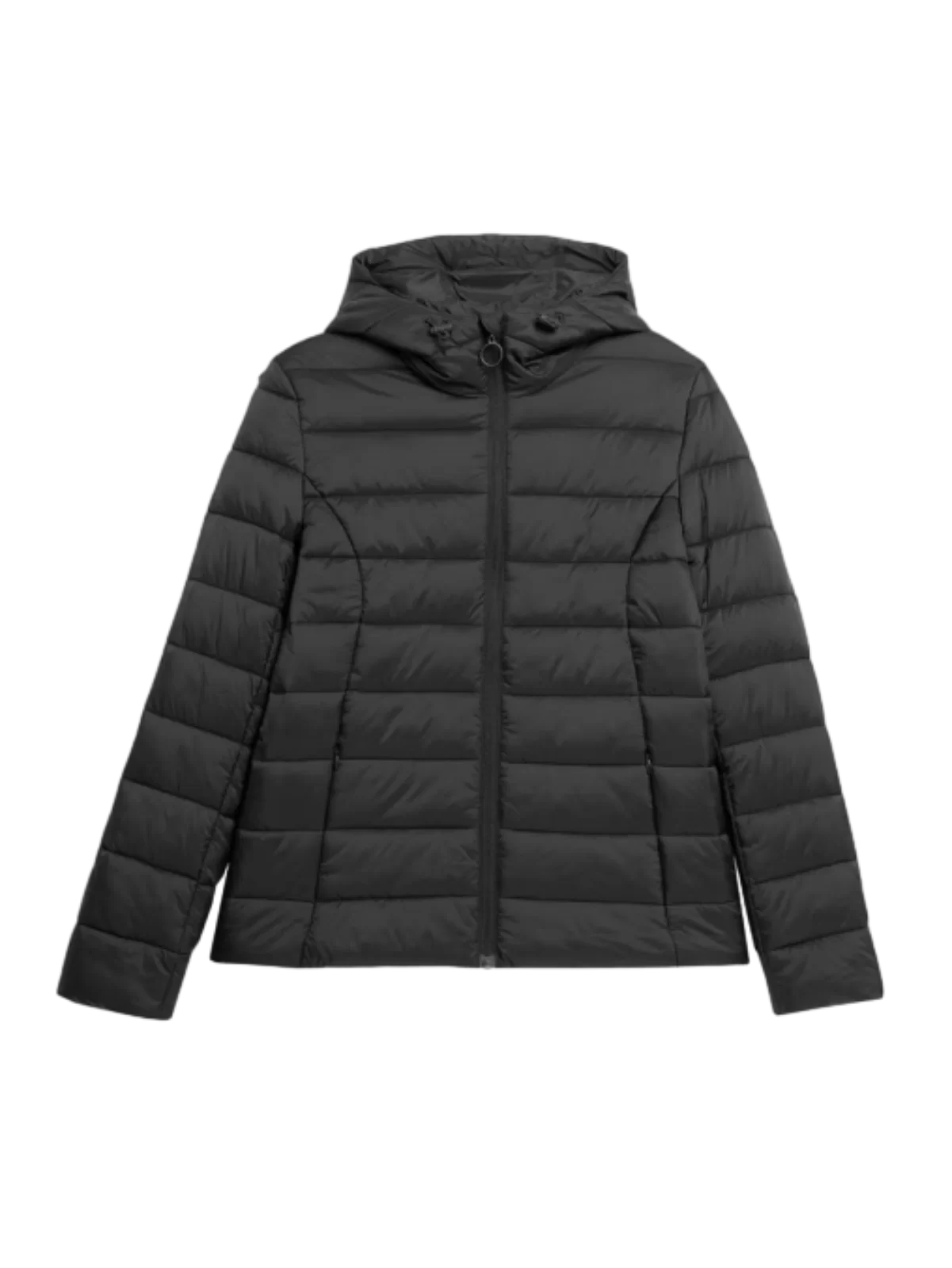
In the realm of contemporary fashion and outdoor utility, few garments strike the perfect balance between style, functionality, and comfort quite like the light puffer jacket for women. Once primarily confined to technical outdoor pursuits, this versatile piece has transcended its niche origins to become an indispensable staple in wardrobes worldwide. Its remarkable adaptability to varying climates and social settings is unparalleled, making it a go-to choice for everything from a brisk morning commute to an adventurous weekend hike. Women today demand apparel that doesn't just look good but performs under pressure, offering insulation without bulk and a sleek silhouette that complements any outfit. The ingenuity behind these jackets lies in their ability to harness advanced insulation technologies, delivering surprising warmth-to-weight ratios that challenge traditional notions of outerwear. Whether layered over a sweater for added warmth on a crisp autumn day or packed into a backpack as an emergency layer for an unexpected temperature drop, the light puffer jacket embodies smart design and practical elegance. Its minimalist aesthetic often belies a sophisticated engineering process aimed at maximizing thermal efficiency while minimizing overall weight and packability. This fusion of form and function positions the light puffer jacket not merely as an article of clothing but as a fundamental component of a dynamic, prepared, and stylish lifestyle for women who navigate diverse environments with confidence and grace. The modern iteration of this jacket integrates innovative fabrics and construction techniques that further enhance its appeal, ensuring breathability, water resistance, and durability without compromising on its defining characteristic: lightness.
The journey of lightweight insulation, from rudimentary wool garments to sophisticated synthetic fills and high-loft down, represents a triumph of material science and engineering. Historically, warmth was synonymous with weight, often impeding mobility and demanding cumbersome layering. The advent of modern puffers, particularly the lightweight variants, marked a paradigm shift. Early advancements in synthetic fibers during the mid-20th century began to offer alternatives to natural down, which, while highly effective, suffered from performance issues when wet. Polyester fibers, in particular, provided a robust, water-resistant option. However, the true revolution arrived with improved down technologies and the development of high-performance synthetic insulations that mimicked down’s loft and compressibility while surpassing its wet-weather capabilities. This evolution has had a profound impact on the global apparel market. Recent analyses indicate that the global insulated apparel market, encompassing all forms of thermal outerwear including the highly popular light puffer jackets, was valued at approximately $15.2 billion in 2022. Projections forecast a steady growth, reaching an estimated $25.8 billion by 2030, exhibiting a Compound Annual Growth Rate (CAGR) of 6.9% during the forecast period. This significant market expansion is driven by several factors: increasing consumer awareness regarding advanced material benefits, a growing demand for versatile year-round clothing, and the ubiquitous adoption of outdoor and active lifestyles. Furthermore, technological advancements have allowed manufacturers to produce jackets that are not only lighter and warmer but also more sustainable, utilizing recycled materials and eco-friendly manufacturing processes. This commitment to sustainability resonates strongly with contemporary consumers, further fueling market demand. The segment of light puffer jackets for women specifically contributes substantially to this growth, as female consumers increasingly prioritize functional yet fashionable solutions that accommodate their dynamic routines, from urban commuting to international travel. The market's robust trajectory underscores the indispensable role these jackets now play in modern apparel, solidifying their status as a cornerstone of both practical outerwear and everyday style.
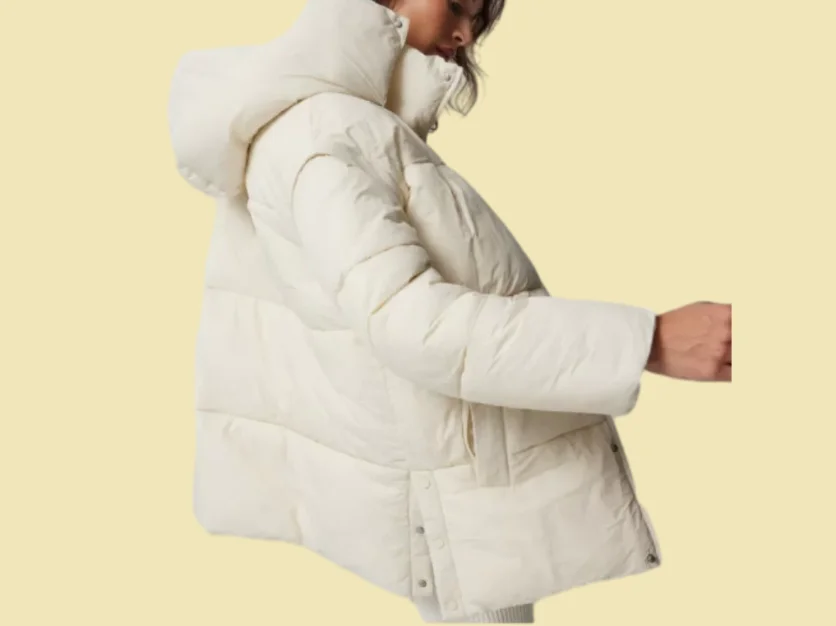
The superior performance of today's lightweight puffer jackets is a direct result of relentless technical innovation across materials, insulation types, and construction methods. At the core of their warmth-to-weight ratio lies the choice of insulation. Down insulation, primarily goose or duck down, remains the gold standard for its exceptional thermal efficiency and compressibility. Its effectiveness is measured by fill power (FP), which indicates the loft or fluffiness of the down. An 800-fill power down, for instance, means one ounce of down fills 800 cubic inches, signifying superior insulation for its weight. Recent advancements include hydrophobic down treatments that allow down clusters to resist moisture, retaining loft and warmth even in damp conditions—a critical improvement over traditional down’s vulnerability to water. Complementing down, synthetic insulations like PrimaLoft, Thinsulate, and Coreloft have made monumental strides. These materials, often composed of fine polyester fibers, are engineered to mimic down’s structure, creating countless air pockets to trap heat. Their primary advantage is performance in wet environments, as synthetic fibers retain warmth even when soaked. Modern synthetics also offer improved compressibility and a softer hand feel, blurring the lines between down and synthetic performance. Beyond insulation, the outer shell fabric plays a crucial role. Many light puffer jackets feature ultralight nylon or polyester fabrics treated with a Durable Water Repellent (DWR) finish, causing water to bead up and roll off, protecting the insulation within. Some advanced jackets incorporate membrane technologies for enhanced breathability without sacrificing water resistance. Construction techniques are equally vital. Baffle construction, the stitching patterns that create compartments for the insulation, prevents it from shifting and creating cold spots. Micro-baffles, box baffles, and welded baffles each offer distinct advantages in terms of warmth distribution, durability, and aesthetics. Furthermore, ergonomic designs ensure freedom of movement, while features like adjustable hems, elasticated cuffs, and insulated hoods enhance thermal efficiency and user comfort. The continuous pursuit of lighter, warmer, and more resilient materials, coupled with sophisticated manufacturing processes, positions these jackets at the forefront of apparel innovation, providing consumers with unparalleled protection against the elements.
When selecting a light puffer jacket, discerning consumers often face a myriad of choices, each promising optimal warmth, weight, and durability. A data-driven comparison of leading manufacturers reveals nuanced differences in their approach to insulation, materials, and overall product philosophy. While many brands excel, their distinct strengths often cater to specific user priorities, from extreme outdoor performance to urban everyday wear. The following table provides a comparative overview of hypothetical yet representative manufacturer profiles, highlighting key technical specifications that influence performance and value.
Manufacturer | Fill Type | Fill Power (Down) / Insulation Weight (Synthetic) | Outer Fabric DWR / Technology | Packability Index (1-5, 5=Excellent) | Price Range (USD) |
SummitPeak Gear | 800-fill Responsible Goose Down | 800 FP | PFC-free DWR, 10D Ripstop Nylon | 5 | $280 - $450 |
UrbanVentures | PrimaLoft Gold (Recycled) | 100g/m² | Eco-DWR, 20D Recycled Polyester | 4 | $190 - $320 |
TerraTrek Apparel | 750-fill Hydrophobic Duck Down | 750 FP | Water-resistant coating, 15D Nylon | 4 | $220 - $380 |
EcoChic Outerwear | Proprietary Bio-based Synthetic | 80g/m² | Plant-derived DWR, Organic Cotton Blend | 3 | $160 - $290 |
As illustrated, SummitPeak Gear prioritizes ultralight performance for extreme conditions, leveraging high fill-power down and advanced shell fabrics for maximum packability and warmth. UrbanVentures, conversely, focuses on sustainable urban utility, utilizing recycled synthetic insulation with respectable performance for daily wear and travel. TerraTrek Apparel offers a balanced approach, incorporating hydrophobic down for improved wet-weather resilience, catering to varied outdoor enthusiasts. EcoChic Outerwear distinguishes itself with a strong emphasis on sustainability, utilizing innovative bio-based synthetics and eco-friendly finishes. These distinctions highlight how manufacturers strategically differentiate their offerings, allowing consumers to align their purchase with specific needs, budget, and ethical considerations. The technical specifications, from fill power to DWR type, are critical indicators of a jacket’s intended use and performance envelope, providing a clear pathway for informed decision-making.
The versatility of the light puffer jacket extends beyond its inherent functionality; it often lies in the degree of customization and thoughtful design tailored to diverse consumer needs. Recognizing that women's bodies, preferences, and activity levels vary significantly, leading manufacturers and designers are increasingly offering a spectrum of solutions to ensure a perfect fit and personalized aesthetic. This bespoke approach transforms a generic garment into a truly personal piece of gear. One crucial aspect of customization is sizing and fit. Brands now widely offer extended sizing options, including petite, tall, and plus sizes, to ensure optimal comfort and thermal efficiency. A well-fitting jacket is not only more flattering but also more effective at trapping body heat. Beyond standard sizing, some high-end brands offer made-to-measure services or detailed fit guides that account for different body shapes. Color palettes and aesthetic details are another significant area of customization. From vibrant, eye-catching hues to subtle, earth-toned neutrals, the choice of color allows individuals to express their style. Many brands also offer limited-edition colors or patterns that cater to fashion-forward trends. Details such as contrasting zippers, unique stitching patterns, or embossed logos further enhance aesthetic personalization. Functionally, customization often involves modular designs or specific feature sets. For instance, some jackets offer detachable hoods, allowing wearers to adapt to changing weather or style preferences. Different pocket configurations—internal security pockets, zippered hand-warmer pockets, or larger external storage—cater to varying storage needs. The type of closure, whether it’s a full-length zipper, snap buttons, or a combination, also contributes to both functionality and style. Moreover, the choice between different insulation types (down vs. synthetic) and varying fill weights allows consumers to select a jacket optimized for their typical climate or activity level. A woman planning high-output activities in mild conditions might opt for a lighter fill synthetic, while someone seeking maximum warmth for cold, dry environments might choose a high fill-power down jacket. This ability to mix and match core features, combined with thoughtful design iterations that address specific applications, ensures that the light puffer jacket is not a one-size-fits-all solution but a truly adaptable and personal garment that meets individual demands with precision and style.
The true measure of any garment's utility lies in its performance across diverse real-world applications and the authentic experiences of its users. The light puffer jacket for women has consistently excelled in this regard, proving its mettle in a myriad of scenarios that span from demanding outdoor adventures to the rhythms of daily urban life. Its inherent versatility makes it a chameleon in any wardrobe, adapting seamlessly to various contexts. For travelers, the packability of these jackets is a game-changer. "I used to dread packing bulky coats, but my light puffer jacket folds into its own pocket and disappears into my carry-on," remarks Sarah J., a frequent international traveler. This minimal footprint is invaluable when airline baggage allowances are tight, or when exploring diverse climates in a single trip. In outdoor pursuits like hiking, climbing, or camping, the jacket serves as an essential mid-layer or stand-alone outer layer. Hikers appreciate its warmth without bulk, allowing unhindered movement on trails. "It's my emergency blanket and my comfort layer rolled into one," shares avid hiker Emily R., recounting how her puffer kept her warm during an unexpected cold snap in the mountains. For urban dwellers, the light puffer jacket effortlessly bridges the gap between style and practicality. It's warm enough for a morning commute on public transport, yet sleek enough to wear over office attire. Its resistance to light rain or wind makes it ideal for navigating city streets. "My light puffer is perfect for layering on changeable days in the city; I can wear it over a blazer or under a shell jacket," notes fashion blogger Lisa K. The active lifestyle segment, encompassing everything from dog walking to morning runs in cooler weather, also heavily relies on these jackets. Their lightweight nature prevents overheating during moderate exertion while providing sufficient protection from the chill. In the increasingly popular trend of layering systems, light puffer jackets serve as a critical insulating piece, easily combined with base layers and waterproof shells to create adaptable outfits for any weather condition. Whether facing unpredictable mountain weather, navigating bustling cityscapes, or simply seeking a comfortable and stylish everyday jacket, the light puffer jacket has consistently proven its worth through the unwavering positive feedback and diverse application cases from women worldwide, cementing its status as an indispensable modern garment.
The remarkable journey of the light puffer jacket for women from a specialized outdoor item to a ubiquitous fashion and utility essential underscores its enduring appeal and adaptability. Its core strengths – exceptional warmth-to-weight ratio, superior packability, and versatile styling – ensure its continued relevance in an ever-evolving market. Looking forward, the trajectory of this iconic garment is poised to be shaped by several key trends, primarily focusing on sustainability, advanced smart technologies, and even greater integration with personalized fashion. The drive towards sustainability is paramount. Consumers are increasingly scrutinizing the environmental impact of their purchases, prompting manufacturers to innovate with recycled fabrics, bio-based insulations, and ethical sourcing practices for down. We can expect to see more jackets made from 100% recycled polyester, innovative plant-derived DWR finishes, and fully traceable supply chains for natural materials. Brands that prioritize circular economy principles, offering repair services or end-of-life recycling programs, will gain significant market traction. Furthermore, the integration of smart technologies holds promising potential. While nascent, features like integrated heating elements (powered by portable batteries), embedded sensors for monitoring body temperature, or even smart textiles that adapt insulation properties based on ambient conditions could revolutionize comfort and functionality. Imagine a puffer jacket that automatically adjusts its breathability as your activity level changes. From a design perspective, the light puffer jacket will continue to evolve, blending high-performance features with increasingly refined aesthetics. Expect greater emphasis on tailored fits, sophisticated color palettes, and subtle design details that elevate the garment from purely functional to effortlessly chic. Modular designs, allowing for interchangeable hoods, collars, or even sleeve types, could offer unprecedented levels of personalization. The appeal of the light puffer jacket lies in its ability to consistently meet the modern woman's demand for clothing that is both high-performing and stylish, capable of transitioning seamlessly across various environments and activities. As material science advances and consumer values shift towards greater environmental consciousness and technological sophistication, the light puffer jacket for women will undoubtedly continue to innovate, solidifying its place as a cornerstone of the contemporary wardrobe for decades to come.
Q1: What exactly defines a "light puffer jacket for women"?
A1: A light puffer jacket for women is characterized by its excellent warmth-to-weight ratio, achieved through highly compressible insulation (down or synthetic) and ultralight shell fabrics. It's designed to provide significant warmth without bulk, offering easy packability and versatility for layering or stand-alone wear in mild to cool conditions.
Q2: What is "fill power" and why is it important for a light puffer jacket?
A2: Fill power (FP) is a measure of the loft or fluffiness of down insulation. It indicates how many cubic inches one ounce of down occupies. Higher fill power (e.g., 700 FP to 900 FP) means better insulation for less weight, resulting in a warmer, lighter, and more compressible jacket. For light puffer jackets, a higher FP is often preferred for maximum efficiency.
Q3: Should I choose a down or synthetic light puffer jacket?
A3: The choice depends on your primary use. Down (e.g., goose or duck) offers superior warmth-to-weight and compressibility, ideal for dry, cold conditions. Synthetic insulation (e.g., PrimaLoft, Thinsulate) performs better in damp or wet conditions as it retains warmth even when wet, and is often more affordable and hypoallergenic. Many light puffer jackets now feature hydrophobic down for improved wet-weather performance.
Q4: How should I care for my light puffer jacket to ensure its longevity?
A4: Most light puffer jackets can be machine washed on a gentle cycle with a specialized down or technical wash detergent (avoid harsh detergents). For down jackets, use tennis balls or dryer balls in the dryer on low heat to restore loft. Always follow the specific care instructions on your jacket's label, as improper washing can damage the insulation or fabric.
Q5: Can a light puffer jacket be worn in colder winter temperatures?
A5: While light puffer jackets provide significant warmth, their suitability for very cold winter temperatures depends on the specific jacket's fill power/insulation weight and how it's layered. For extreme cold, they are often best used as an insulating mid-layer under a waterproof and windproof shell, rather than a stand-alone outer layer.
Q6: What are the key benefits of a light puffer jacket for women over a heavier coat?
A6: The primary benefits include its lightweight nature (less fatigue), superior packability (easy to carry for travel or changes in weather), versatility for layering, and a modern, sleek aesthetic. They offer warmth without the bulk often associated with traditional winter coats, making them ideal for active lifestyles and transitional seasons.
Q7: Are light puffer jackets for women water-resistant?
A7: Most light puffer jackets feature an outer fabric treated with a Durable Water Repellent (DWR) finish, which helps shed light rain and snow. While this provides some water resistance, they are generally not fully waterproof. For heavy rain, it's advisable to wear a separate waterproof shell over your puffer jacket.

If you are interested in our products, you can choose to leave your information here, and we will be in touch with you shortly.