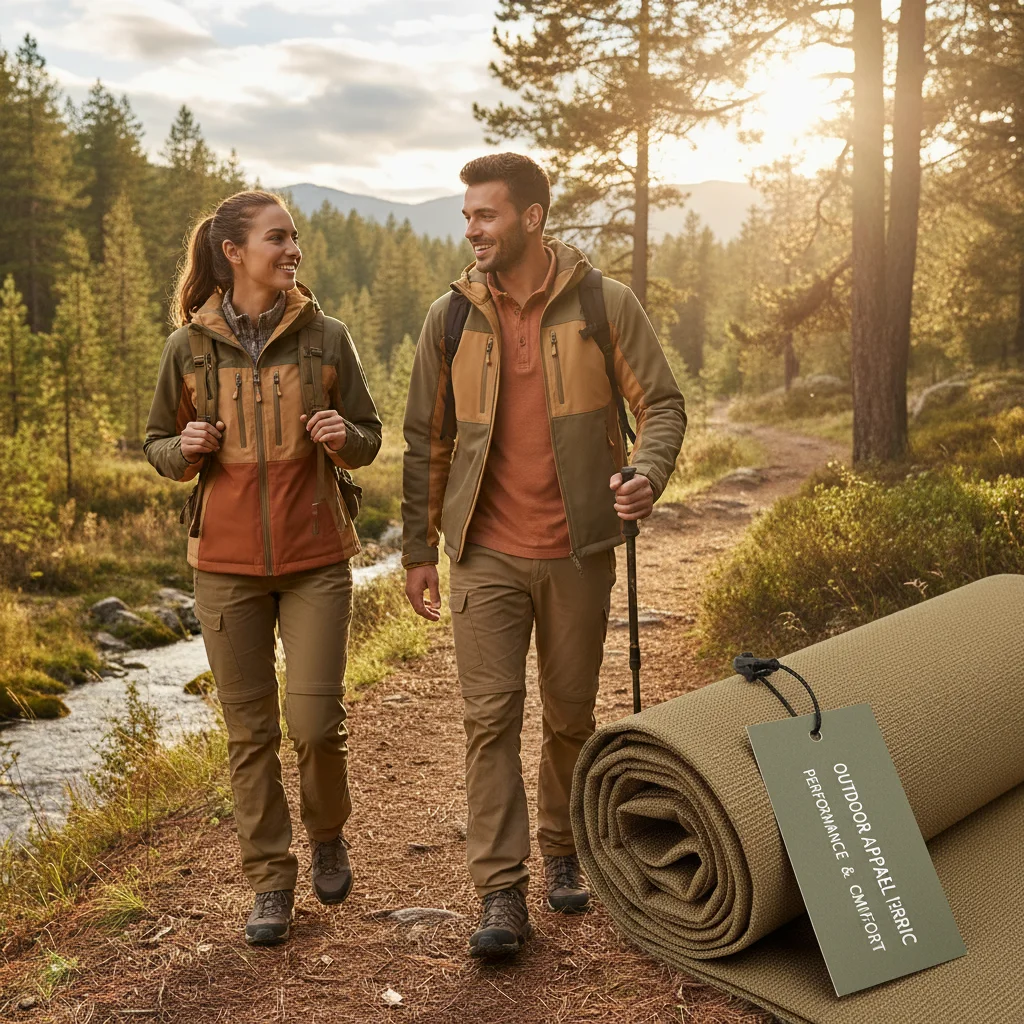
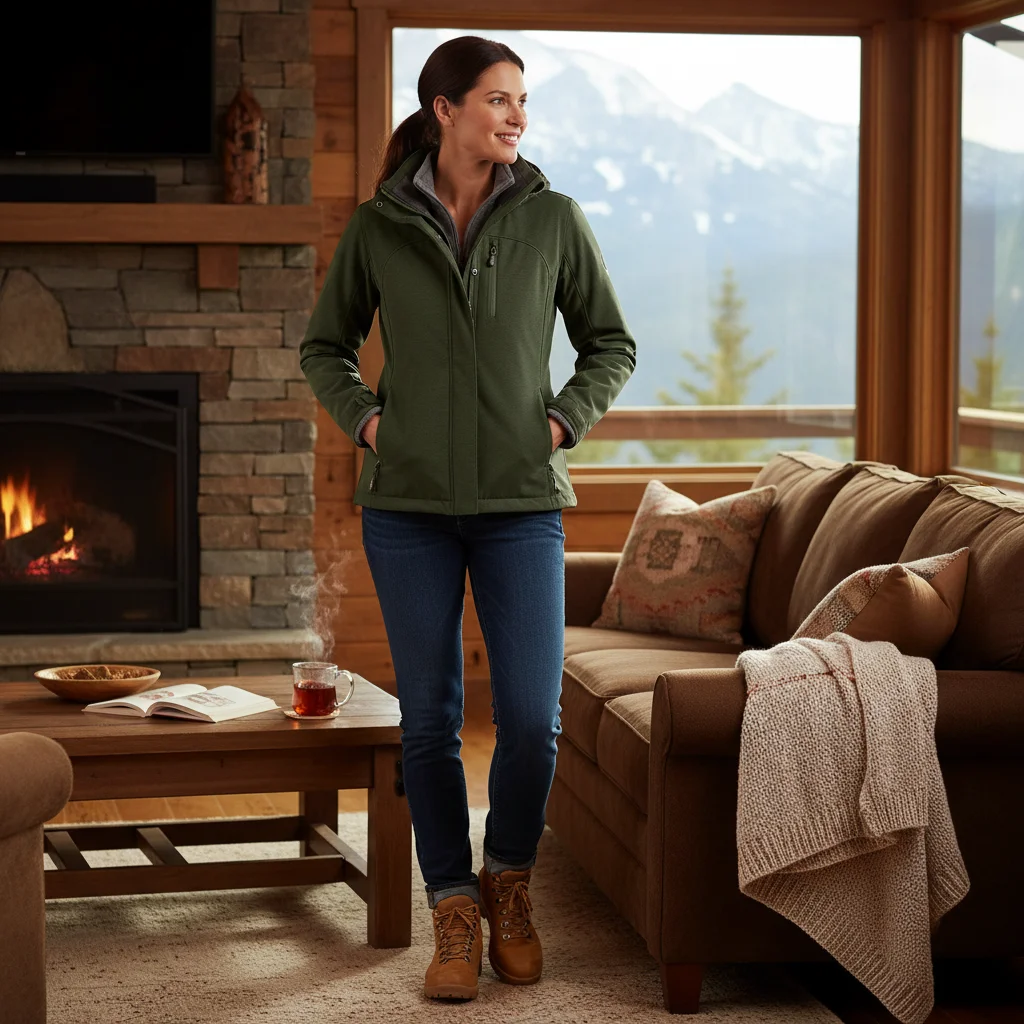
The evolution of technical outerwear has reached a pinnacle with the development of the mtb softshell jacket, a garment engineered specifically to bridge the gap between windproof shells and insulating fleeces. For mountain bikers, the challenge has always been managing the volatile microclimates encountered during rapid ascents and high-speed descents, where perspiration and external elements clash. Understanding the nuances of softshell technology is essential for any rider looking to optimize their performance and comfort across diverse terrains.
Globally, the demand for specialized cycling gear has surged as mountain biking transitions from a niche hobby to a mainstream athletic pursuit. According to industry trends in technical textiles, there is a significant shift toward "hybridized" apparel that prioritizes breathability without sacrificing weather resistance. The mtb softshell jacket addresses the critical problem of "overheating vs. freezing," providing a dynamic barrier that adapts to the rider's intensity.
By integrating advanced membranes and stretch-woven fabrics, these jackets offer a sophisticated solution for athletes who require maximum mobility and protection. Whether navigating the damp forests of the Pacific Northwest or the wind-swept peaks of the Alps, the right gear can be the difference between a grueling struggle and a peak experience. This guide explores the technical architecture, practical applications, and future innovations of the modern mountain biking softshell.
Technical Architecture of MTB Softshells
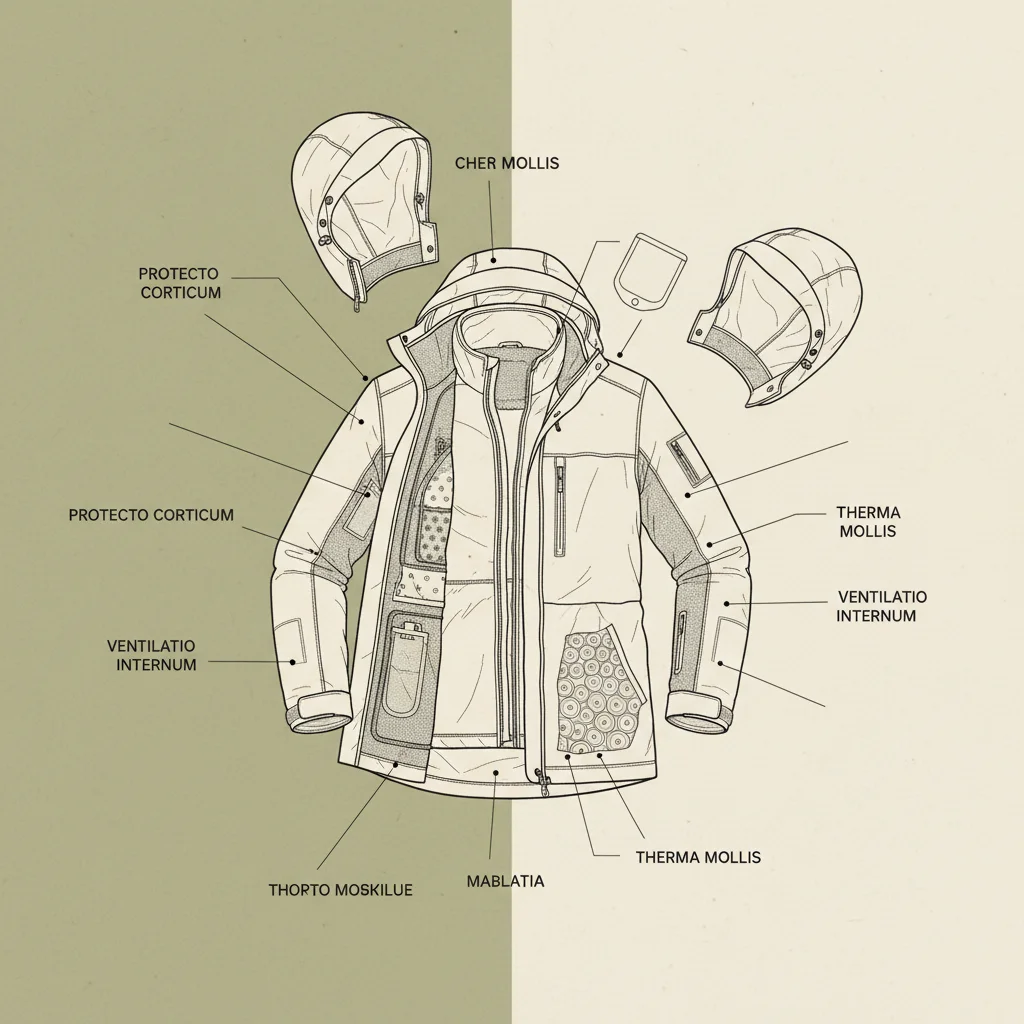
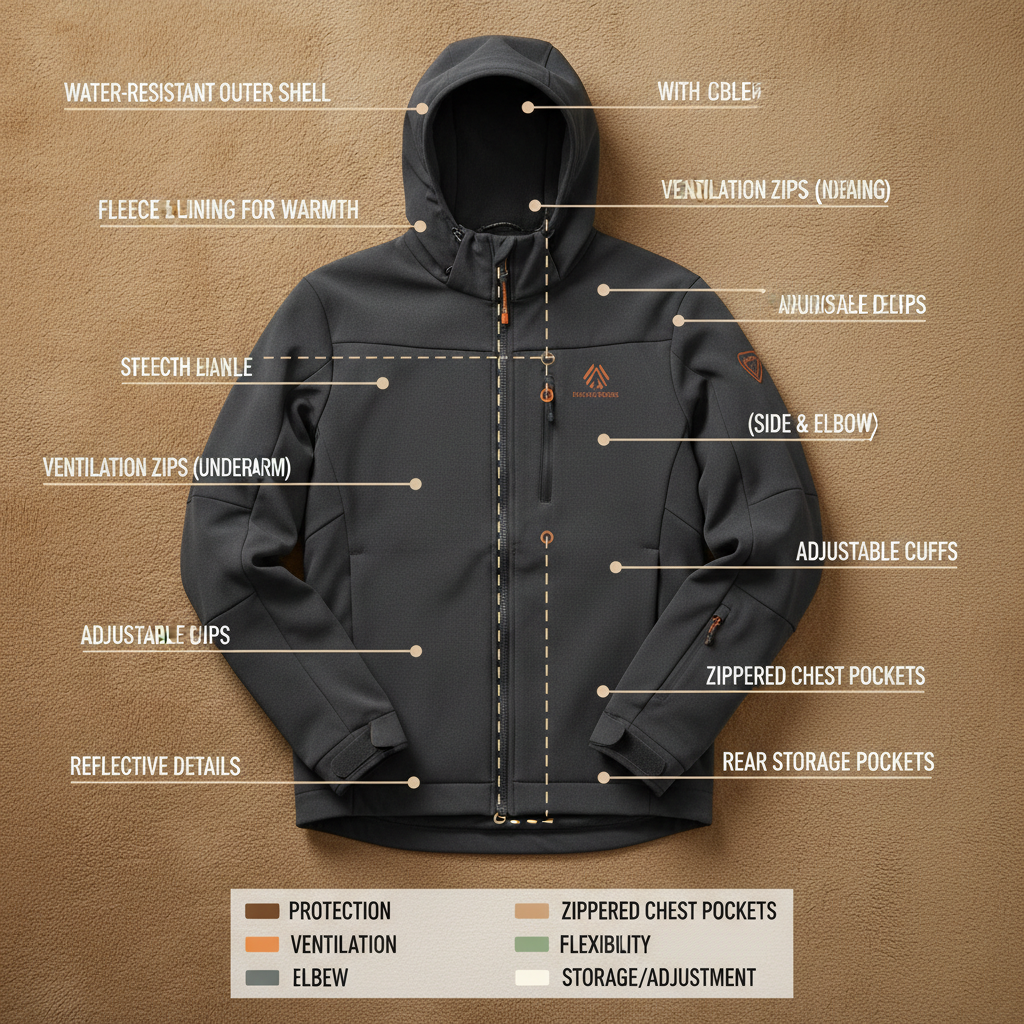
The construction of a high-performance mtb softshell jacket typically involves a three-layer laminate system. The outer face is a tightly woven polyester or nylon blend, often treated with a Durable Water Repellent (DWR) finish to shed light rain and mud. Beneath this lies the membrane—the heart of the jacket—which is engineered to block wind while allowing water vapor (sweat) to escape, maintaining a stable core temperature during aerobic exertion.
Inside, a brushed fleece or lightweight mesh lining provides a tactile layer of warmth and moisture wicking. This architectural synergy ensures that the rider is not just protected from the external environment but is also shielded from the chilling effect of damp clothing during high-speed descents. The focus is on balancing "air permeability" with "weather resistance," a delicate act of textile engineering.
Global Market Relevance and Rider Needs
In the current global outdoor apparel market, the mtb softshell jacket has become a staple due to the rising popularity of all-season riding. With the growth of "bike parks" and enduro racing globally, riders are increasingly facing unpredictable weather patterns. Data from textile research suggests that versatility is now the primary driver for consumer purchasing decisions in the sporting goods sector, leading to a surge in demand for garments that replace multiple layers.
The primary challenge addressed by this gear is the "pump effect"—the movement of air in and out of the garment during rhythmic physical activity. Traditional hardshells often trap too much heat, leading to internal condensation, while windbreakers offer no warmth. The softshell solves this by utilizing a porous structure that allows the fabric to "breathe" in synchronization with the rider's heart rate and effort level.
Furthermore, the global shift toward "fast and light" gear has pushed manufacturers to reduce the weight of these jackets without compromising durability. By employing ripstop weaves and articulated patterning, the modern jacket ensures that the rider has a full range of motion, which is critical for safety and control when navigating technical descents or steep switchbacks.
Core Performance Metrics for Softshell Fabrics
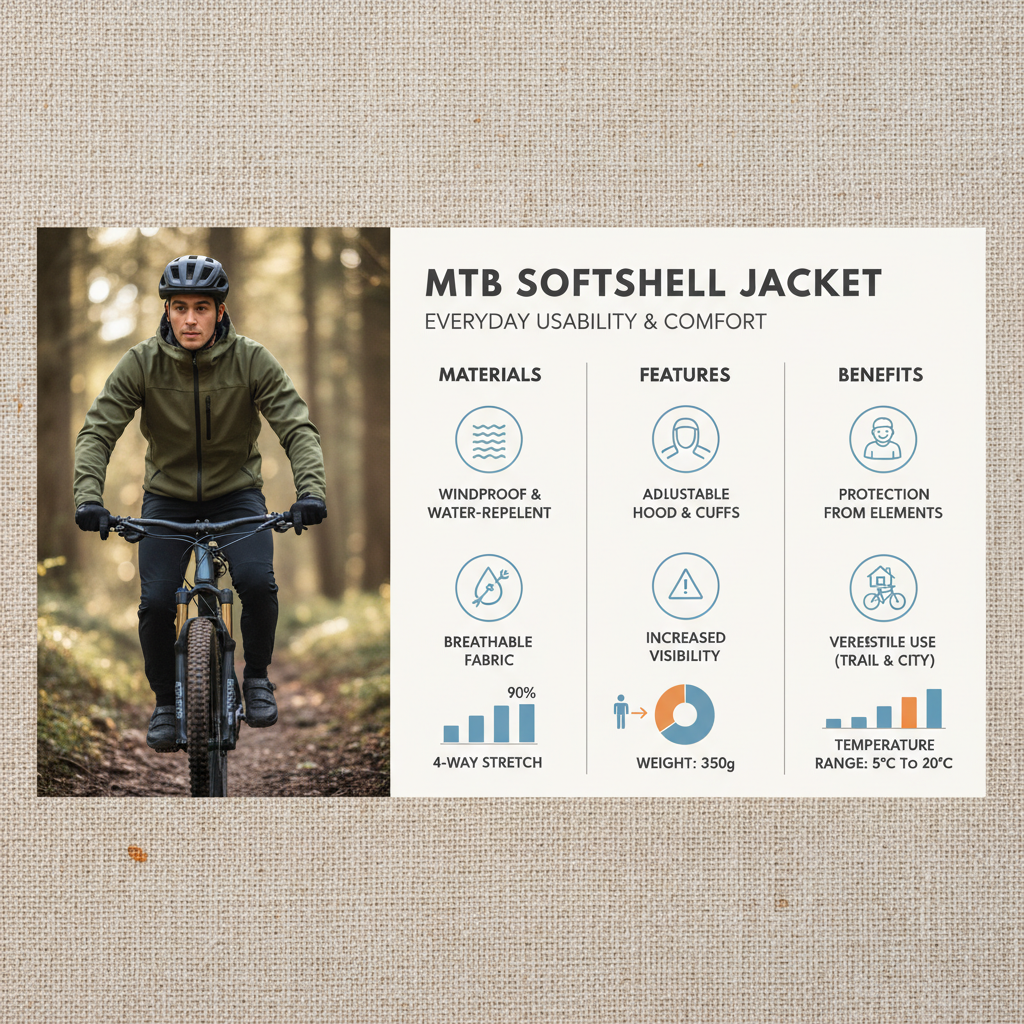
When evaluating an mtb softshell jacket, the most critical metric is the Moisture Vapor Transmission Rate (MVTR). This determines how effectively the fabric moves perspiration away from the skin, preventing the "clammy" feeling that often leads to hypothermia in cold, windy conditions.
Another essential factor is the abrasion resistance of the face fabric. Given that mountain biking frequently involves contact with branches, rocks, and occasional spills, a high-denier nylon blend is often integrated into the mtb softshell jacket to ensure longevity and rider protection against skin abrasions.
Finally, the elasticity of the material cannot be overlooked. Four-way stretch fabrics allow the jacket to move with the body, ensuring that the hem doesn't ride up during a climb or restrict shoulder movement during a technical drop, making the garment an extension of the athlete's own skin.
Comparative Efficiency of Softshell Variants
Not all softshells are created equal; they range from ultra-lightweight wind-shields to heavy-duty winter protectors. The efficiency of a mtb softshell jacket is often measured by its ability to balance wind-blocking capabilities with thermal regulation. Light variants are ideal for spring and autumn, whereas bonded softshells provide the necessary warmth for late-season riding.
To better understand these differences, we analyze various construction methods based on their performance in real-world mountain biking scenarios. From the permeability of the weave to the density of the inner fleece, each design choice impacts how the rider perceives the environment.
Comparative Performance of MTB Softshell Variants
Real-World Application and Terrain Adaptation
In practical use, the mtb softshell jacket proves its value in transitional weather. For instance, in the high-altitude trails of the Rockies, a rider may start in a valley at 15°C and ascend to a peak where temperatures drop to 2°C with heavy wind. The softshell allows the rider to maintain a consistent body temperature without the need to stop and add or remove layers, which is crucial for maintaining flow and momentum.
Similarly, in coastal riding regions like British Columbia, where "mist" is a constant companion, the DWR-treated surface of the jacket prevents the fabric from saturating. This ensures that the rider remains dry during light drizzle while the breathable membrane prevents the internal build-up of sweat, showcasing the jacket's ability to adapt to high-humidity, low-temperature environments.
Long-Term Value and Sustainable Investment
Investing in a high-quality mtb softshell jacket is not just about immediate performance; it is about long-term reliability and sustainability. Cheap alternatives often suffer from "delamination," where the membrane separates from the face fabric after a few washes, rendering the jacket useless. A professionally manufactured garment uses bonded seams and high-grade adhesives that withstand the rigors of repeated movement and cleaning.
From a logical perspective, the versatility of a softshell reduces the total amount of gear a rider needs to own. Instead of owning a dedicated windbreaker, a light fleece, and a rain shell, one high-end softshell can cover 80% of riding days. This reduction in consumption aligns with a more sustainable approach to outdoor sports, focusing on quality over quantity.
Emotionally, the trust a rider has in their gear translates directly to confidence on the trail. Knowing that a sudden gust of wind or a light shower won't lead to a rapid drop in core temperature allows the athlete to focus entirely on the line and the terrain, enhancing the overall psychological experience of the sport.
Future Innovations in Textile Engineering
The future of the mtb softshell jacket lies in the integration of "smart" materials. We are seeing the emergence of phase-change materials (PCMs) that can absorb heat when the body is too hot and release it when the temperature drops, effectively creating a self-regulating thermostat within the fabric. This would eliminate the need for manual venting and further optimize the rider's energy expenditure.
Sustainability is also driving a revolution in materials. The industry is moving away from PFC-based DWR coatings, which are harmful to the environment, toward bio-based water repellents. Additionally, the use of recycled ocean plastics for the nylon face fabric is becoming a standard, ensuring that the pursuit of nature does not come at the cost of the planet's health.
Digital transformation is also playing a role, with 3D body scanning allowing for "precision fit" garments. This ensures that the mtb softshell jacket fits perfectly around the joints and torso, reducing wind drag and eliminating "dead air" pockets that can lead to cold spots.
Analysis of Softshell Material Evolution and Performance
|
Material Generation
|
Breathability Score (1-10)
|
Water Resistance
|
Sustainability Level
|
| Early Nylon-Fleece |
4 |
Low |
Low |
| Traditional Laminated |
6 |
Medium |
Medium |
| High-MVTR Membranes |
8 |
Medium-High |
Medium |
| Recycled Ripstop Hybrid |
9 |
High |
High |
| Bio-Based DWR Series |
8 |
Medium-High |
Very High |
| Smart Adaptive Textile |
10 |
High |
High |
FAQS
A hardshell is completely waterproof and windproof but lacks breathability, often leading to sweat buildup. An mtb softshell jacket is designed for breathability and flexibility, offering wind resistance and water repellency rather than total waterproofing, making it far superior for high-intensity riding where moisture management is key.
Softshells are designed for light rain and drizzle. While the DWR coating will bead water for a while, a heavy downpour will eventually saturate the fabric. For torrential rain, a hardshell is recommended, but for 90% of mountain biking conditions, the mtb softshell jacket provides the best balance of comfort and protection.
To maintain the performance of your mtb softshell jacket, wash it with a technical detergent specifically for synthetic fabrics. Avoid standard fabric softeners, as they clog the membrane pores. Periodically re-applying a spray-on DWR treatment and tumble-drying on low heat can reactivate the water-repellent properties.
Depending on the thickness, some bonded softshells are very warm. However, for extreme winter conditions, we recommend a layering system: a base layer for moisture wicking, a mid-layer fleece, and the mtb softshell jacket as the outer protective layer to block the wind and chill.
Look for "articulated" sleeves and a "drop-tail" hem. Mountain bikers spend a lot of time leaning forward; a jacket that is shorter in the front and longer in the back ensures your lower back remains covered. Additionally, ensure the mtb softshell jacket doesn't restrict shoulder movement during aggressive steering.
Yes, modern recycled nylons and bio-polymers have reached a point where their tensile strength and abrasion resistance match or exceed traditional petroleum-based fabrics. Many top-tier mtb softshell jacket models now use 100% recycled materials without sacrificing the longevity required for rugged trail use.
Conclusion
The mtb softshell jacket represents the perfect intersection of textile science and athletic necessity. By balancing wind resistance, moisture vapor transmission, and abrasion durability, it allows riders to push their limits regardless of the weather. From the technical layering of the fabric to the sustainable innovations in recycled materials, the softshell is an indispensable tool for any serious mountain biker seeking to optimize their experience on the trail.
As we look toward the future, the integration of adaptive materials and precision 3D fitting will further refine the relationship between the rider and their gear. We encourage riders to invest in high-quality, sustainable softshells that offer long-term value and protection. Elevate your ride today by choosing gear that works with your body, not against it. Visit our website for more professional gear insights: www.outdoor-apparels.com