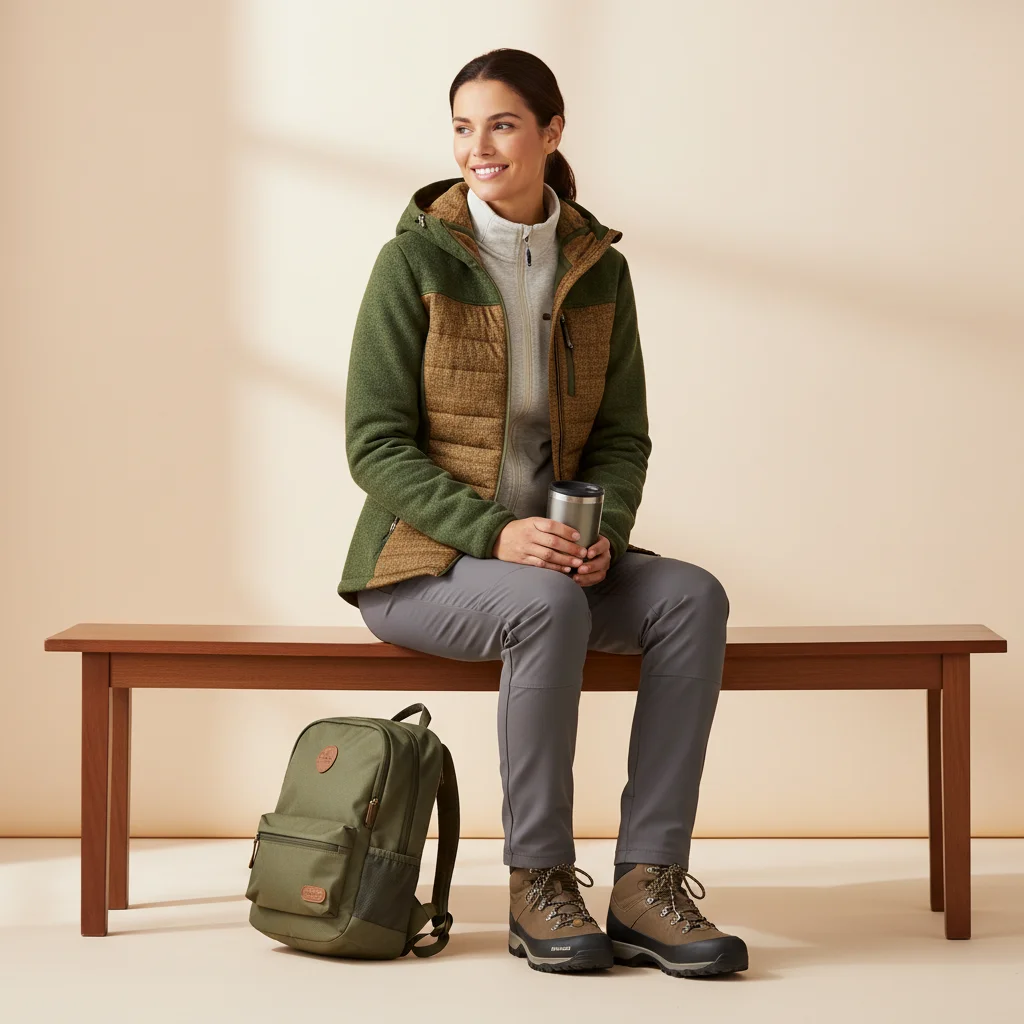
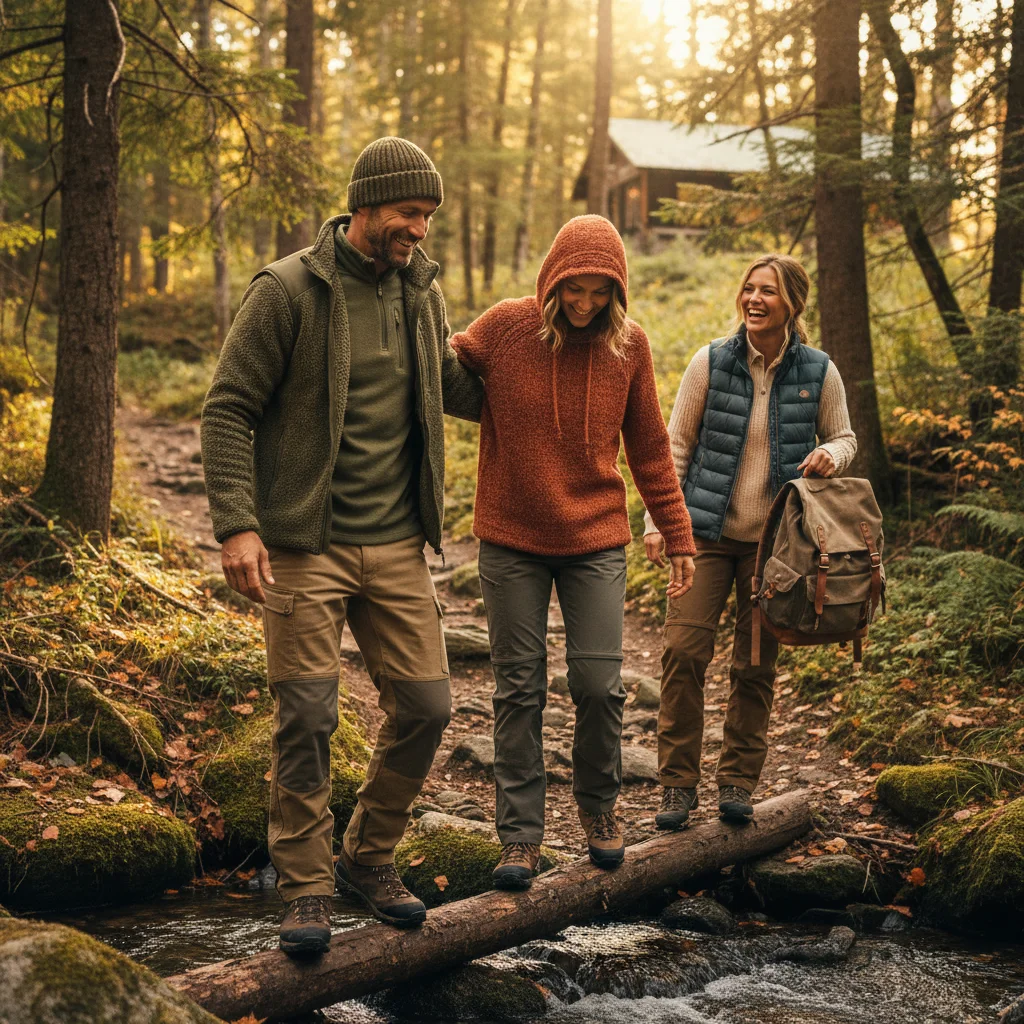
The global apparel industry is a massive economic force, with a constantly evolving demand for performance fabrics. Central to this demand is the softshell jacket, a versatile garment finding applications from high-altitude mountaineering to everyday urban wear. Its rise reflects a growing need for clothing that balances weather protection, breathability, and comfort – features increasingly sought after by consumers worldwide. Understanding the nuances of softshell jacket construction and materials is crucial for both manufacturers and consumers aiming to optimize performance and value.
The increasing popularity of outdoor activities, combined with changing climate patterns, fuels the demand for protective yet adaptable clothing. This demand is particularly strong in regions experiencing unpredictable weather conditions. The softshell jacket addresses this need by providing a dynamic barrier against wind, light rain, and cold temperatures, all while allowing for a high degree of movement and breathability. This makes it an essential piece of apparel for a broad spectrum of users.
Furthermore, advancements in textile technology are continually improving the performance characteristics of softshell fabrics, leading to lighter, more durable, and more sustainable options. This ongoing innovation is driving further market growth and solidifying the softshell jacket's position as a key component in the modern apparel landscape.
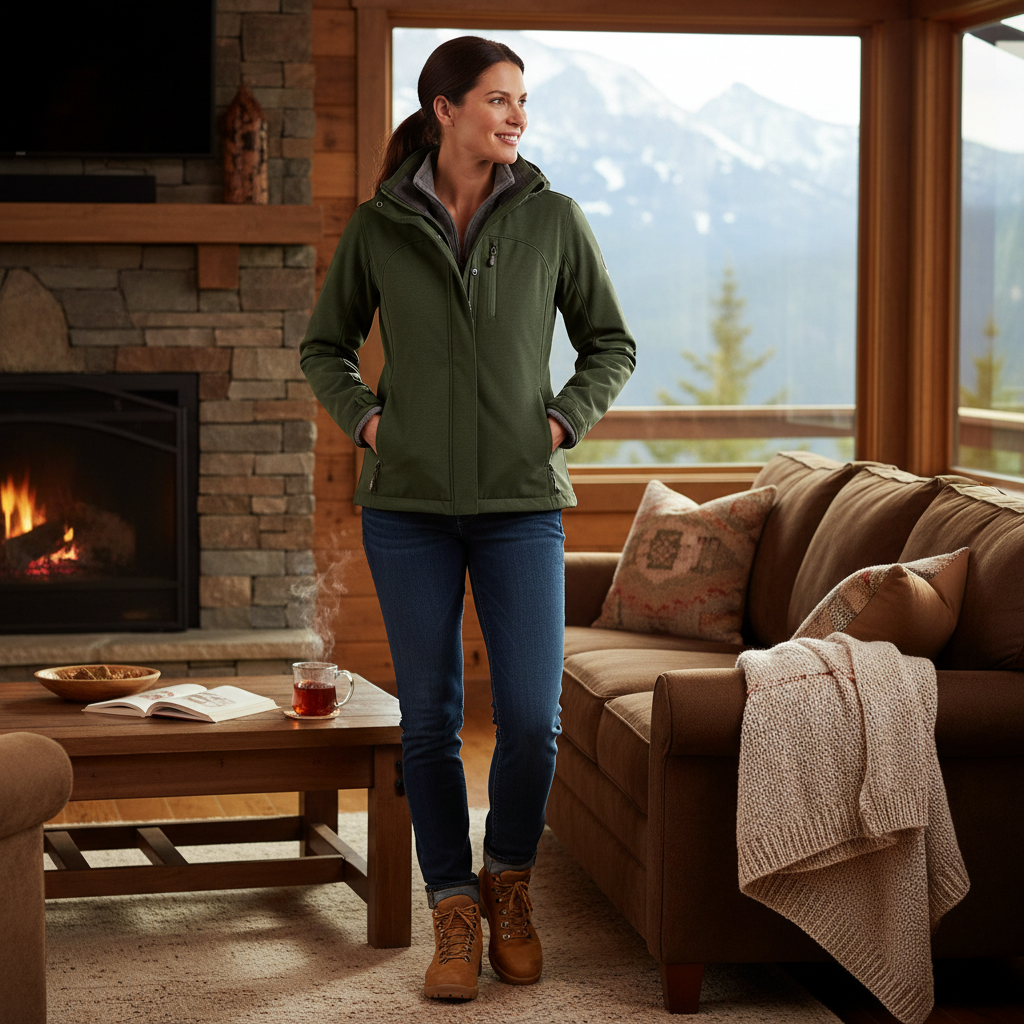
What is a Softshell Jacket?
A softshell jacket is a versatile outer layer designed to offer a balance between weather protection and breathability. Unlike traditional hardshell jackets, softshells are typically constructed from fabrics with a degree of stretch, allowing for greater freedom of movement. They are generally water-resistant rather than waterproof, making them ideal for activities where complete waterproofness isn’t essential, but breathability is key.
This type of jacket represents a significant evolution in outdoor apparel, bridging the gap between lightweight fleece jackets and heavier, more restrictive waterproof shells. Its connection to modern needs lies in its adaptability to a wide range of conditions and activities, from hiking and skiing to casual everyday wear.
The Global Relevance of Softshell Jackets
The demand for softshell jackets isn’t limited by geography; it’s a global phenomenon. According to market research reports, the outdoor apparel market, including softshell jackets, is experiencing continuous growth, particularly in regions with active lifestyles and variable weather. The UN reports increasing participation in outdoor recreation globally, driving the demand for appropriate clothing.
This global appeal is underpinned by the increasing awareness of the benefits of layering and adaptable clothing systems. Softshell jackets serve as a crucial mid-layer or outer layer in many such systems, allowing users to adjust to changing conditions without compromising comfort or performance. They address the challenge of unpredictable weather patterns, which are becoming increasingly common due to climate change.
The World Bank's data on urbanization further contributes to the demand, as more people reside in areas where versatile clothing is needed for commuting, leisure, and outdoor pursuits. This broad market applicability explains the widespread production and consumption of softshell jackets around the world.
Core Components of a Softshell Jacket
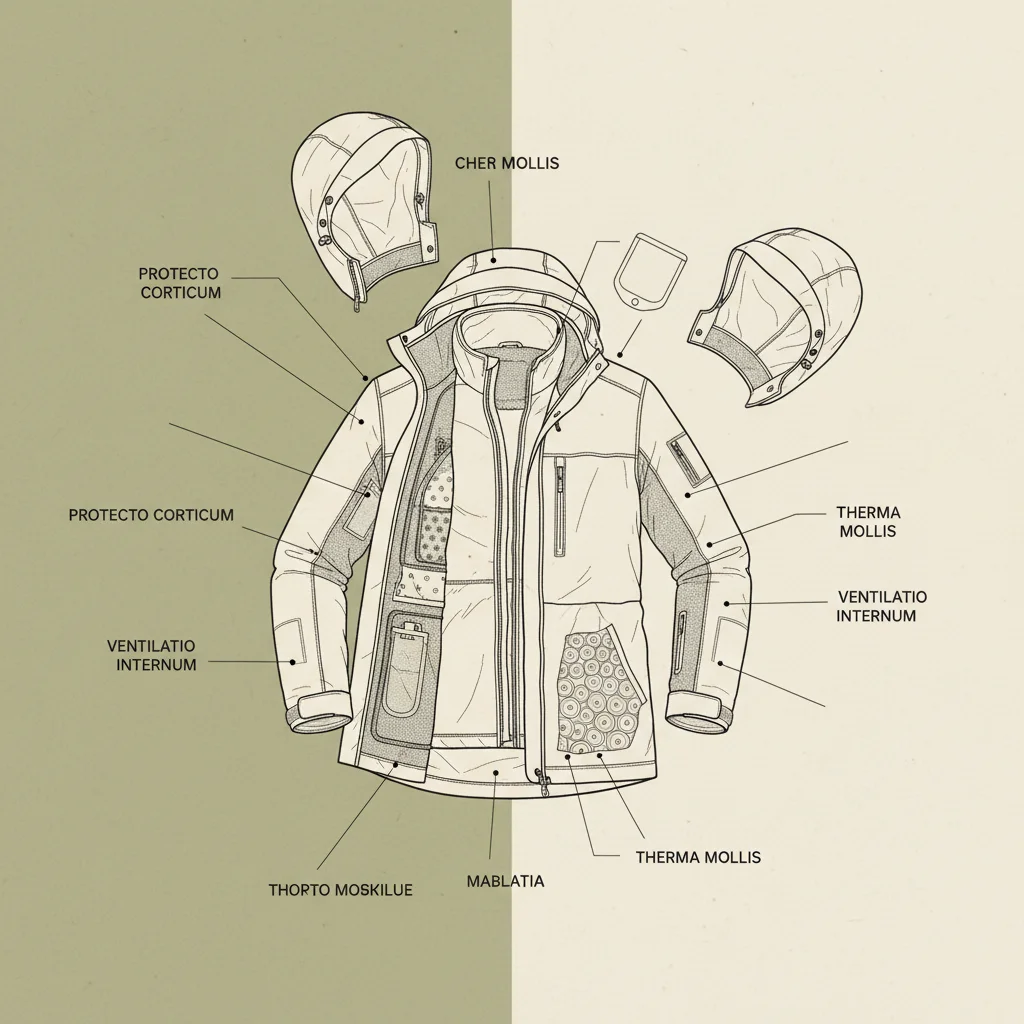
Several key components contribute to the performance of a softshell jacket. First, the face fabric, typically made from polyester or nylon, provides durability and resistance to abrasion. Second, a Durable Water Repellent (DWR) finish sheds light precipitation. The third element, an internal membrane or laminate, provides varying degrees of water resistance and windproofness.
Fourth, the insulation or lining contributes to warmth and comfort. Some softshells utilize fleece lining, while others employ synthetic insulation for added thermal protection. Finally, features like articulated elbows, adjustable hoods, and secure pockets enhance functionality and usability. These components work in synergy to provide a balance of protection, breathability, and comfort.
The specific combination of these components determines the jacket's suitability for different activities and conditions. For example, a softshell jacket designed for high-intensity activities will prioritize breathability and freedom of movement, while one intended for colder conditions will emphasize insulation and water resistance.
Applications Across Industries
Softshell jackets aren’t limited to outdoor enthusiasts; their versatile properties have led to applications in diverse industries. In the construction industry, they provide workers with comfortable and protective outerwear for varying weather conditions. Law enforcement and security personnel utilize softshell jackets for their combination of durability, mobility, and discreet protection.
In the tourism sector, guides and outdoor staff rely on softshell jackets for all-day comfort and protection during activities like hiking, biking, and kayaking. In post-disaster relief operations, softshell jackets provide essential warmth and weather protection for aid workers and affected communities. These examples showcase the breadth of the softshell jacket’s utility.
Softshell Jacket Performance Characteristics
Advantages and Long-Term Value
The advantages of choosing a softshell jacket extend beyond immediate comfort and protection. Their durability translates to a longer lifespan compared to many other apparel items, reducing the need for frequent replacements and contributing to cost savings over time. From a sustainability perspective, this extended lifespan minimizes textile waste.
Furthermore, the versatility of a softshell jacket – its ability to function as a standalone layer or as part of a layering system – reduces the need to purchase multiple specialized garments. This offers both financial and logistical benefits. The emotional benefits include the confidence and peace of mind that come with being prepared for a variety of weather conditions.
Future Trends in Softshell Technology
The future of softshell jacket technology is focused on enhanced sustainability and performance. Research is ongoing into bio-based fabrics and recycled materials, aiming to reduce the environmental impact of production. Digital printing techniques are also being explored to minimize water usage and waste.
Advancements in membrane technology are leading to softshell fabrics that offer increased waterproofness and breathability without compromising comfort. Integration of smart textiles – incorporating sensors for monitoring body temperature or activity levels – represents another exciting avenue of innovation.
Challenges and Sustainable Solutions
A primary challenge in softshell jacket production is the reliance on synthetic materials, which can contribute to microplastic pollution. Addressing this requires investment in alternative materials, such as recycled polyester and bio-based polymers. Another challenge is ensuring responsible manufacturing practices throughout the supply chain.
Solutions include adopting closed-loop manufacturing systems, promoting fair labor standards, and increasing transparency in sourcing. Implementing robust DWR treatments that are free of harmful chemicals is also crucial. Consumers can contribute by choosing brands committed to sustainability and by properly caring for their softshell jackets to extend their lifespan.
Innovative recycling programs focused on textile waste are also essential for creating a circular economy and minimizing the environmental footprint of the apparel industry.
Summary of Challenges and Solutions for Softshell Jacket Sustainability
| Challenge Area |
Specific Problem |
Proposed Solution |
Implementation Difficulty (1-10) |
| Material Sourcing |
Dependence on virgin synthetic fibers |
Increased use of recycled polyester and bio-based alternatives |
7 |
| Chemical Usage |
Harmful chemicals in DWR treatments |
Development and adoption of PFC-free DWR alternatives |
6 |
| Manufacturing Processes |
High water and energy consumption |
Implementation of water-efficient dyeing and finishing techniques |
8 |
| Waste Management |
Textile waste ending up in landfills |
Development of textile recycling infrastructure |
9 |
| Supply Chain Transparency |
Lack of visibility into labor practices |
Traceability systems and independent audits |
5 |
| Consumer Behavior |
Fast fashion and disposable mindset |
Promoting mindful consumption and garment care |
7 |
FAQS
Softshell jackets prioritize breathability and comfort due to their stretchable fabrics and often lack a fully waterproof membrane. Hardshells, conversely, are designed for complete waterproofness but often at the expense of breathability. Softshells are ideal for high-output activities, while hardshells excel in severe weather conditions. The key difference is the trade-off between complete weather protection and freedom of movement. Choosing the right jacket depends on the intended use.
Proper care is crucial for extending the life of a softshell jacket. Always follow the care instructions on the label. Generally, machine wash on a gentle cycle with mild detergent. Avoid using fabric softeners, as they can compromise the DWR finish. Tumble dry on low heat or hang to dry. Periodically re-applying a DWR treatment will help maintain water repellency.
Most softshell jackets offer a degree of wind resistance, but the level varies depending on the fabric construction. Jackets with a tightly woven face fabric and a windproof membrane provide the best wind protection. However, even without a membrane, the dense weave of the fabric can effectively block significant wind chill, making them comfortable in breezy conditions.
DWR (Durable Water Repellent) is a coating applied to the fabric that causes water to bead up and roll off, rather than being absorbed. It's crucial for a softshell jacket because it prevents the fabric from becoming saturated in light rain or snow. While softshells aren’t fully waterproof, DWR enhances their water resistance and keeps you drier for longer. The DWR coating wears off over time and needs to be reapplied.
Absolutely! Softshell jackets are designed to be versatile layering pieces. They work well as a mid-layer under a hardshell in extreme conditions or as an outer layer in milder weather. Pairing a softshell with a base layer and an insulating layer allows you to adjust to changing temperatures and activity levels. Their flexibility makes them a cornerstone of many outdoor apparel systems.
Consider the primary activity and weather conditions. For high-intensity activities like running or hiking, prioritize breathability and freedom of movement. For colder conditions or activities with less exertion, look for a softshell with more insulation and wind protection. Check for features like adjustable hoods, pockets, and articulated elbows that enhance functionality for your specific needs. A well-chosen softshell is an investment in your comfort and performance.
Conclusion
In conclusion, the softshell jacket represents a significant advancement in apparel technology, offering a compelling blend of weather protection, breathability, and comfort. Its versatility makes it suitable for a wide range of activities and industries, and its continued evolution promises even more sustainable and high-performing options in the future. Understanding the key components and applications of softshell jackets empowers both consumers and manufacturers to make informed choices.
Looking ahead, continued innovation in materials, manufacturing processes, and design will be crucial for addressing the challenges of sustainability and performance. By embracing responsible practices and investing in research and development, the apparel industry can ensure that the softshell jacket continues to provide reliable, comfortable, and environmentally conscious outerwear for generations to come. Visit our website at www.outdoor-apparels.com to explore our range of softshell jackets today!