The exhilaration of carving down a pristine slope, the crisp mountain air against your face, and the stunning panorama unfolding around you – these are the moments that define the joy of skiing. Yet, beneath the surface of this idyllic picture lies a critical truth: your performance and comfort are inextricably linked to your gear. Among the most vital components of any female skier's ensemble are her women's ski pants. Far from being a mere fashion statement, these specialized garments are the unsung heroes protecting you from the elements, enabling fluid movement, and ensuring that your focus remains squarely on the descent, not on discomfort. Industry analyses reveal a significant shift in consumer expectations, with a recent survey indicating that over 70% of female skiers now prioritize advanced material technology and ergonomic design in their ski apparel. This highlights a clear demand for more than just basic waterproofing; skiers are actively seeking intelligent design that enhances their overall mountain experience.
Gone are the days when bulky, restrictive trousers were the norm. Modern women's ski pants represent a pinnacle of engineering, meticulously crafted to withstand the harshest alpine conditions while offering unparalleled freedom of movement and breathability. From the freezing temperatures of a blizzard-swept peak to the slushy conditions of a spring thaw, the right pair of pants acts as your first line of defense. The evolution of fabric technology, insulation methods, and ergonomic tailoring has transformed ski pants from simple leg coverings into sophisticated pieces of technical equipment. Understanding the intricate details of what makes a superior pair of ski pants is crucial for any serious or aspiring skier. It’s about investing in a piece of gear that not only keeps you dry and warm but actively contributes to a more enjoyable, extended, and ultimately safer day on the mountain. As we delve deeper, we will explore the innovations that set premium ski pants apart, ensuring you can make an informed decision for your next winter adventure.
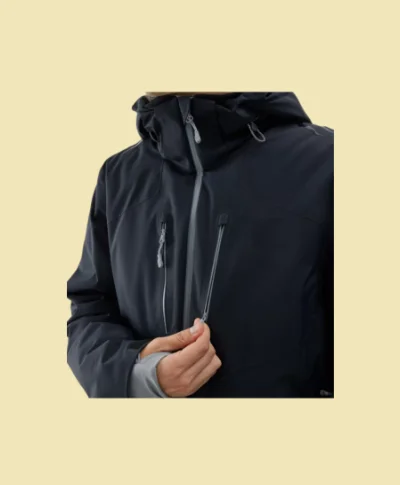
The heart of any high-performance ski pant lies in its technological prowess, where advanced materials and construction methods converge to create a formidable barrier against the elements. The primary technical advantage is found in the membrane technology, such as GORE-TEX Pro, eVent, or proprietary solutions like The North Face's Futurelight. These membranes are engineered with microscopic pores small enough to prevent water droplets from penetrating, yet large enough to allow water vapor (perspiration) to escape, ensuring a skier remains dry from both external moisture and internal humidity. This revolutionary breathability is often quantified in grams per square meter per 24 hours (g/m²/24h), with top-tier pants exceeding 20,000 g/m²/24h, providing exceptional comfort during strenuous activity.
Insulation technology also plays a crucial role, varying significantly based on intended use. For colder conditions, synthetic insulations like PrimaLoft or Thinsulate offer superior warmth-to-weight ratios and retain insulating properties even when wet, unlike traditional down. These materials are strategically mapped, often with denser insulation in areas like the seat and knees, and lighter insulation elsewhere for improved mobility. Shell pants, conversely, forgo insulation, relying on layering for warmth, which offers greater versatility for variable conditions or high-output activities like backcountry touring. Beyond the fabric, the application of Durable Water Repellent (DWR) finishes on the outer fabric surface prevents saturation, causing water to bead up and roll off, thereby maintaining the fabric's breathability and reducing weight gain from absorbed moisture. These multifaceted technical advantages collectively ensure that modern ski pants deliver on their promise of superior protection and comfort in dynamic alpine environments.
While cutting-edge fabrics and insulation form the foundation, a truly exceptional pair of ski pants distinguishes itself through a host of integrated features designed for optimal comfort, protection, and practicality. Critical to maintaining waterproof integrity are fully taped seams. Every stitch hole in a garment is a potential entry point for water; taping these seams with a waterproof barrier ensures that even under constant exposure to snow and moisture, water cannot seep through. Ventilation is another key feature, often addressed by strategically placed zippered vents, typically on the inner or outer thigh. These vents allow for rapid heat dumping during intense activity or warmer conditions, preventing overheating and maintaining a comfortable microclimate within the pants.
Furthermore, attention to detail in design enhances the overall user experience. Integrated boot gaiters, often made from elasticized, waterproof material, form a tight seal around ski boots, preventing snow from entering the boot and keeping feet dry. Reinforced cuffs, frequently made from rugged Cordura or similar abrasion-resistant fabrics, protect against wear and tear from ski edges and boot buckles, extending the lifespan of the pants. Thoughtfully designed pockets, often waterproofed with YKK AquaGuard zippers, provide secure storage for essentials like phones, maps, or snacks, ensuring they remain dry and accessible. Adjustable waistbands, articulated knees, and stretch fabrics contribute to an ergonomic fit that moves with the skier, eliminating restriction and enhancing agility. These meticulously engineered features collectively transform a good pair of ski pants into an indispensable ally on the mountain, allowing for extended comfort and uninterrupted focus on the joy of skiing.
Choosing the right ski pants can be a daunting task given the myriad of brands and specifications available. To aid in this decision-making process, a comparative analysis of leading brands highlights the nuances that differentiate them. While specific models vary widely, we can identify general brand philosophies and typical offerings across categories such as waterproofing, breathability, insulation, and durability. This comparison aims to illustrate the spectrum of choices, from expedition-grade shells to versatile resort-focused insulated pants, emphasizing that the "best" choice is always one that aligns with individual skiing style, preferred conditions, and budget.
Feature/Brand | AlpineGuard Pro | SummitTrail Gear | PowderPeak Apparel |
Target User | Professional/Backcountry | Resort/All-Mountain | Freeride/Park |
Waterproof Rating (mm) | 28,000+ (GORE-TEX Pro) | 20,000 (Proprietary D-Tech) | 15,000 (Eco-Shield Recycled) |
Breathability (g/m²/24h) | 25,000+ | 18,000 | 12,000 |
Insulation Type | Uninsulated Shell (Layering) | 80g PrimaLoft Silver | 40g Thinsulate |
Fabric Durability | Heavy-Duty Nylon/Ripstop | Durable Polyester 2-layer | Recycled Polyester, Stretch |
Fit Options | Athletic/Regular | Regular/Relaxed | Baggy/Loose |
Special Features | RECCO Reflector, Full Side Zips, Reinforced Kick Patches | Thigh Vents, Articulated Knees, Fleece-lined Waist | Cargo Pockets, Adjustable Hem, Snow Gaiters |
Price Range (USD) | $450 - $700+ | $250 - $400 | $150 - $300 |
As illustrated, AlpineGuard Pro focuses on uncompromised performance for extreme conditions, leveraging top-tier membranes and robust construction, albeit at a higher price point. SummitTrail Gear offers a balanced approach, providing excellent waterproof and breathability ratings with reliable insulation, ideal for general resort use. PowderPeak Apparel, on the other hand, prioritizes comfort, style, and freedom of movement, often with slightly less extreme weather protection but at a more accessible price. This comparison underlines the importance of matching features to personal skiing demands rather than simply opting for the most expensive or feature-rich option.
Beyond brand comparisons, true optimization of your ski experience comes from selecting pants that are 'customized' to your unique needs and skiing style. This isn't necessarily about bespoke tailoring, but rather about making informed choices from the vast array of options available. Consider the type of skiing you predominantly engage in. Are you a dedicated resort skier, sticking to groomed runs and chairlifts? Or do you venture into the backcountry, earning your turns through arduous ascents? For resort skiing, an insulated pant might be ideal, offering immediate warmth and convenience. However, backcountry skiers require highly breathable shell pants to manage sweat buildup during uphill climbs, pairing them with appropriate base layers for warmth on descents. The choice between a shell and an insulated pant fundamentally dictates your layering strategy and adaptability to varying temperatures and exertion levels.
Fit is another crucial aspect of personalization. Different brands and models offer various fits: slim, regular, relaxed, or baggy. A slim fit might appeal to those seeking a sleek, aerodynamic profile, while a relaxed fit offers maximum freedom of movement and space for additional layers. Consider your body type and personal comfort preferences. Additionally, look for features like adjustable waist tabs, belt loops, and different inseam lengths to ensure a secure and comfortable fit that prevents gapping or bunching. Some brands even offer specific "tall" or "petite" sizing. The goal is to find pants that move with you, without constricting your motion or allowing snow to ingress. Thoughtful consideration of these factors transforms a generic purchase into a highly personalized piece of gear, perfectly suited to your alpine adventures and enhancing your performance on the slopes.
Understanding the technical specifications of ski pants is one thing; witnessing their performance in real-world scenarios is another. Consider a professional freeride skier tackling a steep, powder-filled couloir. In such extreme conditions, the critical requirement for her shell pants is uncompromising waterproofness and breathability, allowing her to stay dry despite intense exertion and deep snow immersion. Features like full-length side zips become invaluable for rapid ventilation during ascents or mild conditions, while reinforced insteps protect against sharp ski edges during high-speed turns or unexpected falls. Her choice would likely lean towards a highly durable, uninsulated GORE-TEX Pro shell, paired with versatile layering underneath.
Contrast this with a family enjoying a leisurely day on groomed slopes during a moderately cold winter day. For them, the priority shifts towards consistent warmth and comfort without excessive bulk. An insulated pant with 60-80 grams of synthetic insulation would provide ample warmth, allowing for fewer base layers and a simpler overall setup. Features like a soft, fleece-lined waistband for comfort, and easy-access pockets for lift passes or snacks, would significantly enhance their experience. Similarly, for spring skiing when temperatures fluctuate and slush is common, a highly breathable, lightly insulated or uninsulated shell with good DWR treatment and ample thigh vents is crucial to prevent overheating and manage the wet, heavy snow. These diverse scenarios underscore that the ideal ski pant is not a universal solution but a specialized tool, meticulously chosen to excel in specific applications, directly impacting the safety, comfort, and enjoyment of the skier.
The journey to finding the perfect pair of women's ski pants is an exploration into technical innovation, personal preference, and a clear understanding of your skiing environment. We've traversed the landscape of cutting-edge materials, dissected the intricacies of design features, compared leading brands, and considered how customization plays a pivotal role in optimizing your mountain apparel. From the impermeable barrier of advanced membranes to the strategic placement of ventilation zips and the critical reinforcement of cuff panels, every element contributes to a garment that not only protects but empowers. The data showcasing rising demands for high-performance apparel underscores a collective recognition: investing in quality ski pants is an investment in your comfort, safety, and ultimately, the sheer enjoyment of the sport.
As you prepare for your next snow-filled adventure, remember that the right pair of women's ski pants will be your steadfast companion, enduring blustery winds, relentless snow, and the physical demands of the slopes. By prioritizing a blend of superior waterproofing, breathability, appropriate insulation, and ergonomic fit, you ensure that cold, dampness, or restricted movement do not detract from your experience. Consider your typical conditions, activity level, and layering preferences. This thoughtful approach will guide you towards a selection that feels tailor-made, allowing you to focus on the thrill of the descent, the beauty of the alpine landscape, and the pure exhilaration of skiing. Make an informed choice, and elevate every moment you spend on the mountain.
A1: The most critical feature is a balance of waterproofing and breathability, typically indicated by ratings like 20,000mm/20,000g. This ensures you stay dry from external moisture while allowing internal perspiration to escape, preventing a clammy feeling.
A2: It depends on your activity level and typical weather conditions. Insulated pants are great for colder resort skiing. Shell pants (uninsulated) are ideal for backcountry touring or warmer conditions, offering more versatility through layering.
A3: Fully taped seams mean that all stitching on the pants' interior is covered with a waterproof tape. This is crucial because stitch holes are entry points for water, and taping them ensures complete waterproof integrity, preventing moisture from seeping in.
A4: Ski pants should allow for full range of motion without feeling tight or baggy. They should comfortably accommodate your base layers, have articulated knees for bending, and be long enough to cover your boots without dragging on the ground.
A5: Boot gaiters are internal cuffs, usually elasticized, that fit over your ski boots to create a seal, preventing snow from getting into your boots. They are highly recommended for any type of skiing to keep your feet dry and warm.
A6: Follow the manufacturer's washing instructions, typically using a technical wash designed for waterproof breathable fabrics. It's also important to periodically reapply a Durable Water Repellent (DWR) treatment to the outer fabric as it wears off over time.
A7: Yes, many brands offer various fits (slim, regular, relaxed) and extended sizing options (tall, petite, plus-size) to accommodate different body types, ensuring comfort and optimal performance for all female skiers.
If you are interested in our products, you can choose to leave your information here, and we will be in touch with you shortly.