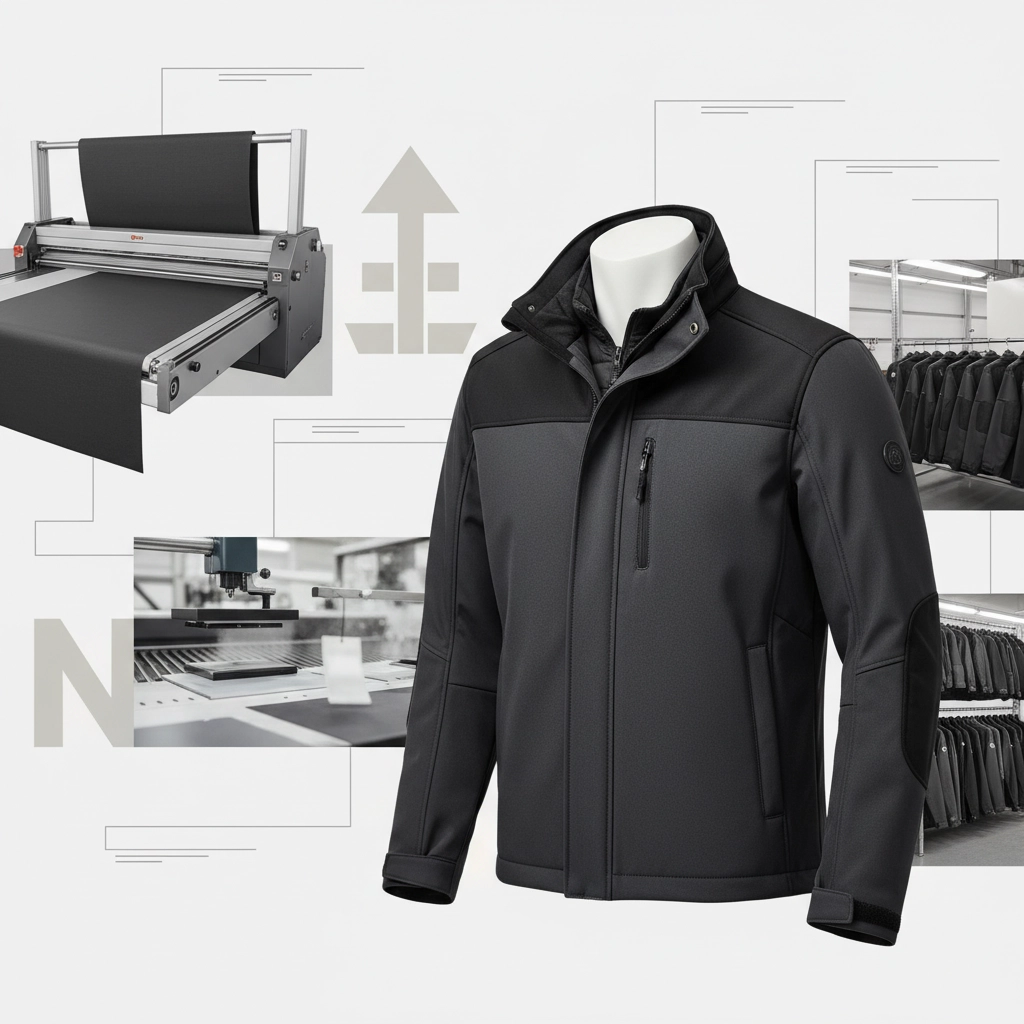
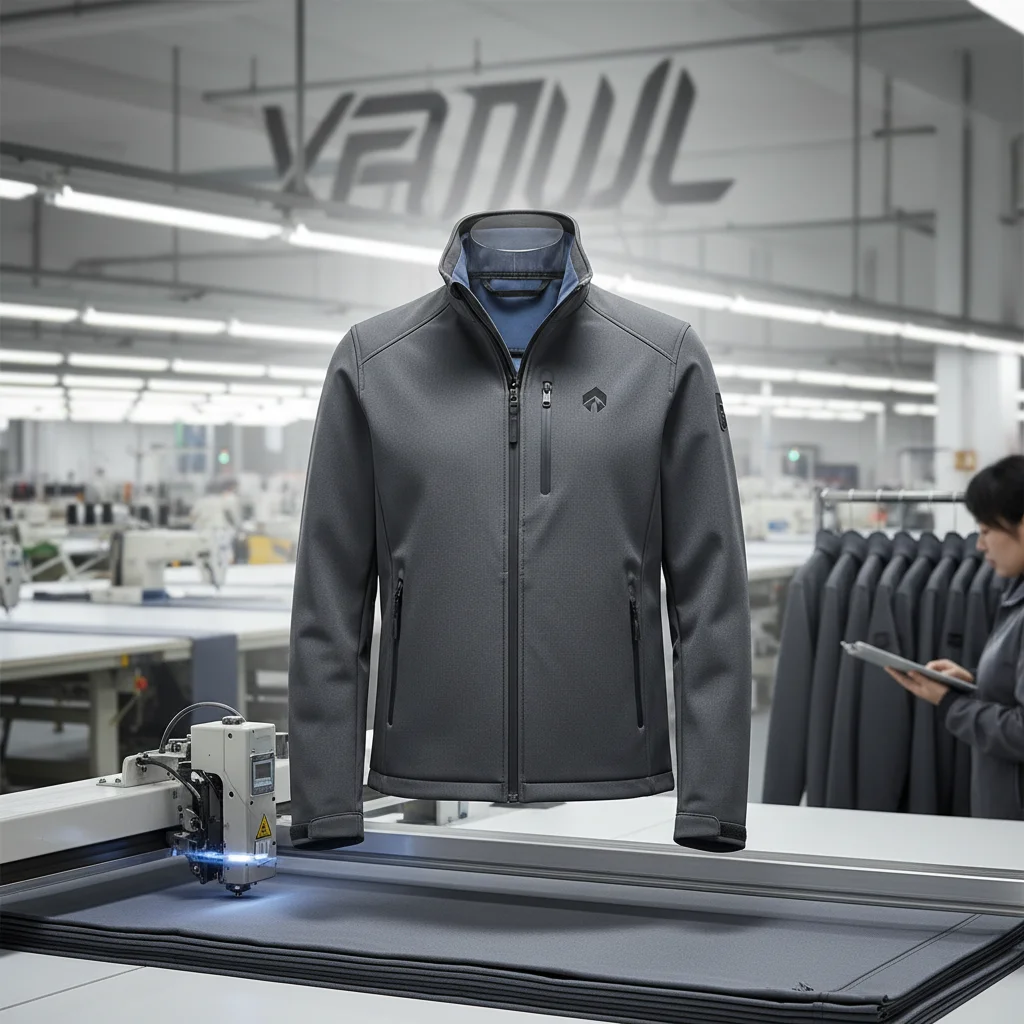
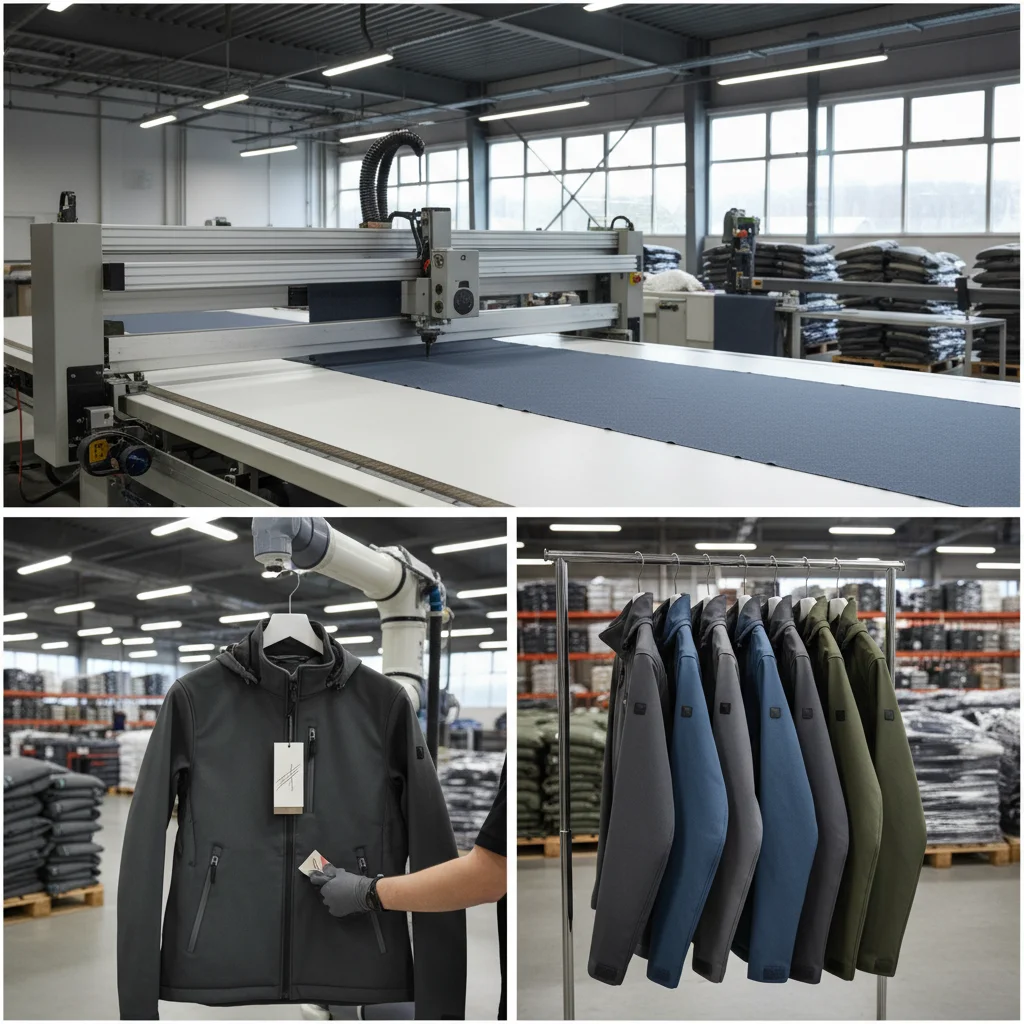
Selecting the right outerwear for transitional weather and extreme cold often leads to a compromise between breathability and warmth. A mens insulated softshell jacket solves this dilemma by merging the wind-resistant properties of a hard shell with the thermal retention of a padded garment, creating a versatile powerhouse for the modern outdoorsman.
Globally, the demand for high-performance technical apparel has surged as more people engage in outdoor activities and industrial work in challenging climates. The integration of advanced synthetic insulation and water-repellent membranes ensures that the wearer remains dry and warm without the bulk associated with traditional winter coats, making it an essential piece of gear for both urban commuting and wilderness exploration.
Understanding the technical composition of a mens insulated softshell jacket is key to maximizing its lifespan and performance. From the DWR (Durable Water Repellent) coating on the exterior to the moisture-wicking lining on the interior, every layer is engineered to regulate body temperature and protect against the elements while maintaining a sleek, professional silhouette.
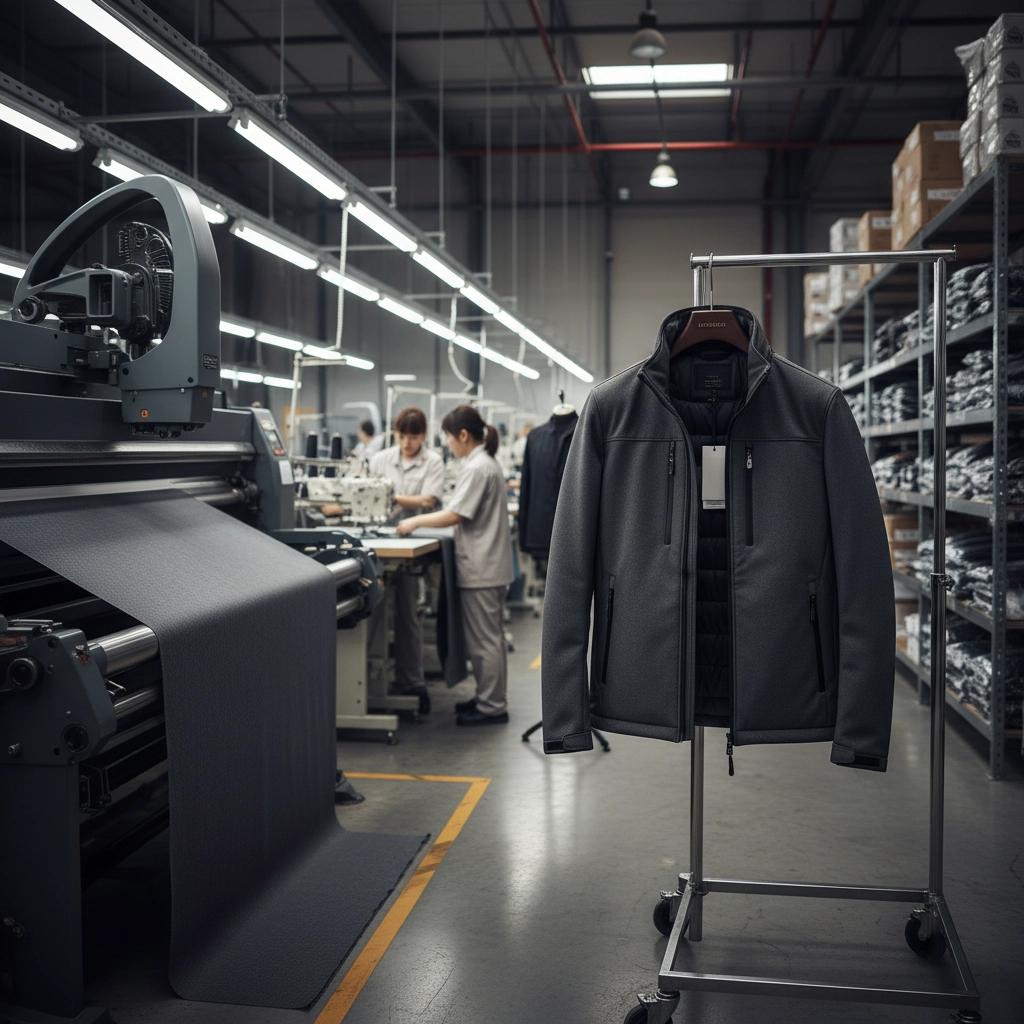
The Engineering Behind Mens Insulated Softshell Jackets
The architecture of a mens insulated softshell jacket is a marvel of textile engineering. Unlike traditional hardshells that rely on a heavy waterproof membrane, softshells utilize a tightly woven stretch-fabric that naturally resists wind and light rain while allowing internal moisture to escape. This inherent breathability prevents the "greenhouse effect" often experienced during high-intensity activities.
To add warmth, manufacturers integrate a layer of synthetic insulation—such as bonded fleece or recycled polyester fill—between the outer shell and the lining. This hybrid approach ensures that the garment provides critical warmth in freezing temperatures without compromising the range of motion, making it far more flexible than a standard parka or a heavy fleece.
Global Demand and Industrial Relevance
In recent years, the global apparel market has seen a significant shift toward "cross-over" clothing that functions equally well in urban and wilderness settings. Data from international textile trade reports indicate that technical outerwear, specifically the mens insulated softshell jacket, has seen a steady increase in adoption across North America and Europe, driven by an aging but active population and a rise in "gorpcore" fashion trends.
Beyond leisure, these garments are critical in industrial sectors. In remote oil rigs, construction sites in Nordic regions, and logistics hubs, workers require clothing that offers thermal protection without restricting movement. Traditional heavy coats can be cumbersome and potentially dangerous around machinery, whereas a streamlined insulated softshell provides the necessary warmth with a safer, more tailored fit.
The challenge that this product addresses is the "layering fatigue" experienced by users. Instead of wearing a base layer, a mid-layer, and a shell, the integrated nature of the insulated softshell reduces the number of pieces needed, simplifying the dressing process while maintaining a high standard of protection against wind chill and dampness.
Key Components for Maximum Thermal Efficiency
Durability is the first pillar of a high-quality mens insulated softshell jacket. The outer fabric is typically composed of a nylon-spandex blend, which offers high abrasion resistance. This ensures that the jacket can withstand friction from backpack straps or rough terrain without tearing, maintaining the integrity of the insulation layer beneath.
Thermal scalability is achieved through the use of strategically placed insulation. A premium mens insulated softshell jacket will often feature "zoned" insulation, where thicker padding is used around the core to protect vital organs, while thinner, more breathable materials are used under the arms and along the sides to facilitate heat release during exertion.
Water resistance is handled by a DWR (Durable Water Repellent) finish. This chemical treatment causes water to bead up and roll off the surface of the mens insulated softshell jacket rather than soaking into the fabric. When paired with windproof membranes, this component ensures the wearer stays dry during light rain and avoids the rapid heat loss caused by wind penetration.
Performance Metrics and Durability Standards
When evaluating a mens insulated softshell jacket, professional buyers look at several key metrics: the breathability rating (measured in g/m²/24h), the water-column rating for water resistance, and the Clo value for thermal insulation. These parameters determine whether a jacket is suitable for a mild autumn hike or a harsh winter work site.
Furthermore, the quality of the hardware—such as YKK zippers and reinforced stitching at stress points—determines the long-term reliability of the garment. A jacket that maintains its shape and thermal properties after fifty wash cycles is considered a superior investment compared to budget alternatives that lose their loft quickly.
Comparison of Mens Insulated Softshell Jacket Performance Tiers
Real-World Applications and Use Cases
In the realm of outdoor sports, the mens insulated softshell jacket is a staple for activities like trekking, skiing, and mountain biking. Because these activities involve alternating periods of high intensity (climbing) and static rest (observing a view), the jacket's ability to vent heat while retaining core warmth prevents the wearer from overheating and then chilling.
In professional environments, such as field engineering or emergency response, these jackets are invaluable. For instance, in post-disaster relief operations where personnel must move through rubble and wind-swept ruins, the abrasion resistance and lightweight warmth of an insulated softshell provide protection without the bulk that could hinder rapid movement or rescue efforts.
Long-Term Value and Sustainable Benefits
Investing in a high-quality mens insulated softshell jacket offers significant long-term economic and environmental value. By combining several functions into one garment, users reduce their overall consumption of clothing. A durable, well-made jacket can last for a decade, drastically reducing the waste associated with "fast fashion" outerwear that needs replacement every season.
From a psychological perspective, the reliability of professional-grade gear fosters confidence and safety. Knowing that your equipment will not fail in a sudden storm provides a sense of security that allows adventurers and workers to focus on their tasks rather than their discomfort. This trust in the gear is a primary driver of brand loyalty in the technical apparel industry.
Moreover, the industry is moving toward more sustainable materials. Many modern jackets now utilize recycled polyester made from ocean plastic for the insulation layer. This transition not only reduces the carbon footprint of the manufacturing process but also appeals to the eco-conscious consumer who refuses to compromise on performance.
Future Innovations in Softshell Technology
The future of the mens insulated softshell jacket lies in "smart" textiles. Researchers are currently developing phase-change materials (PCMs) that can actively absorb heat when the body is too hot and release it when the temperature drops. This would essentially create a jacket that automatically adjusts its insulation level in real-time.
Additionally, the integration of nanotechnology is improving water repellency. Instead of chemical coatings that wear off, future softshells may feature biomimetic surfaces—inspired by the lotus leaf—that are permanently hydrophobic at a molecular level. This will eliminate the need for frequent re-treatment and increase the product's lifespan.
Automation in manufacturing is also playing a role. 3D knitting technology allows for seamless construction, which reduces waste and eliminates potential leak points at the seams. This results in a more aerodynamic and lightweight mens insulated softshell jacket that offers superior comfort and a more precise fit.
Comparative Analysis of Softshell Material Innovations
|
Material Type
|
Thermal Efficiency
|
Breathability Score
|
Eco-Impact
|
| Standard Bonded Fleece |
Medium |
7/10 |
Moderate |
| Recycled Poly-Fill |
High |
6/10 |
Low |
| Graphene-Infused Fabric |
Ultra-High |
9/10 |
Moderate |
| Aerogel Insulation |
Maximum |
5/10 |
Moderate |
| Bio-Based Membranes |
Medium |
8/10 |
Very Low |
| Phase-Change Textiles |
Adaptive |
9/10 |
Moderate |
FAQS
A hardshell is typically completely waterproof and windproof but less breathable, making it a "shell" for extreme rain. A mens insulated softshell jacket is designed for flexibility and breathability; it resists wind and light precipitation while allowing moisture to escape, providing a more comfortable balance for active use in cold weather.
While softshells have DWR coatings that repel light rain and snow, they are not designed for prolonged exposure to torrential downpours. For heavy rain, a hardshell is recommended. However, for most daily commutes and light outdoor activities, the water-resistant properties of a high-quality softshell are more than sufficient.
Avoid using standard fabric softeners, as they can clog the breathable pores of the membrane. Use a technical wash specifically designed for outdoor gear and wash on a gentle cycle with cool water. To restore the water-repellent (DWR) finish, you can apply a spray-on treatment or tumble dry on low heat, as heat often reactivates the DWR chemicals.
Yes, in most outdoor scenarios. While fleece is warm and breathable, it is porous, meaning wind blows right through it. A mens insulated softshell jacket provides the warmth of fleece but adds a windproof outer layer, preventing wind chill from stripping away your body heat.
Typically, these jackets are ideal for temperatures ranging from 40°F (4°C) down to 20°F (-6°C) when worn with a base layer. For extreme sub-zero temperatures, they serve as an excellent mid-layer beneath a heavy parka, providing a critical secondary barrier of insulation and wind protection.
Many modern versions are becoming highly sustainable. Leading manufacturers are utilizing recycled polyester from PET bottles and PFC-free DWR coatings to reduce chemical runoff into the environment. Because of their durability and multi-functional nature, they also discourage the cycle of frequent replacements common in non-technical fashion.
Conclusion
The mens insulated softshell jacket represents the pinnacle of functional design, offering a sophisticated blend of wind resistance, thermal insulation, and mobility. By solving the historical conflict between warmth and breathability, it has become an indispensable tool for both professional industrial applications and recreational outdoor pursuits, ensuring safety and comfort in unpredictable environments.
As textile technology continues to evolve toward smarter, more sustainable materials, the value of investing in high-performance outerwear only grows. Whether you are equipping a workforce for the winter or preparing for your next mountain expedition, prioritizing technical specifications over aesthetics will ensure long-term reliability and peak performance. To explore our professional range of high-performance outerwear, visit our website: www.outdoor-apparels.com