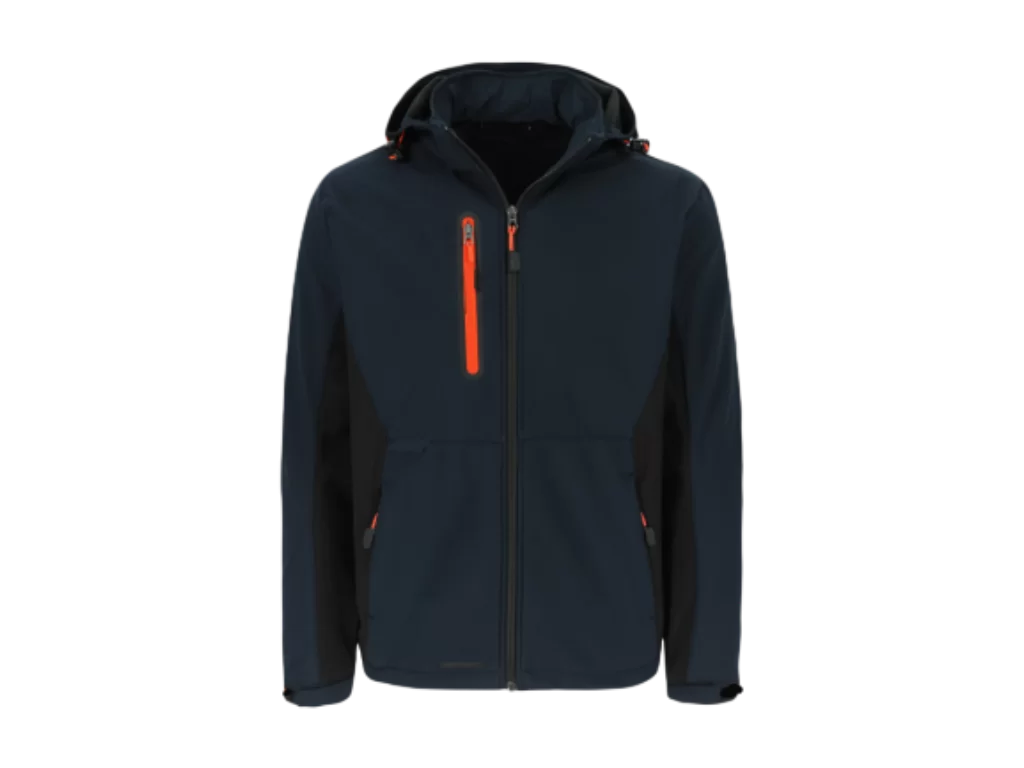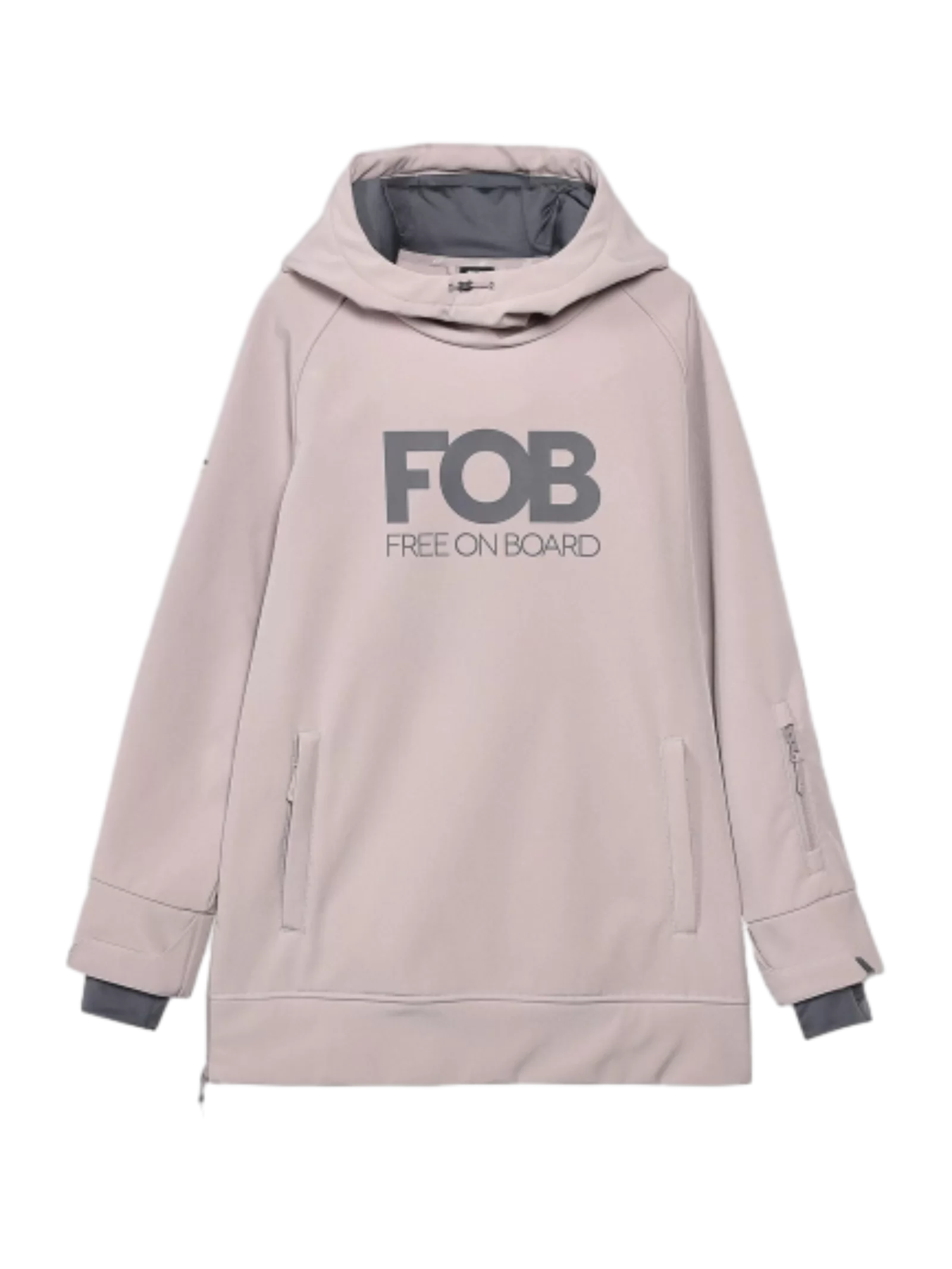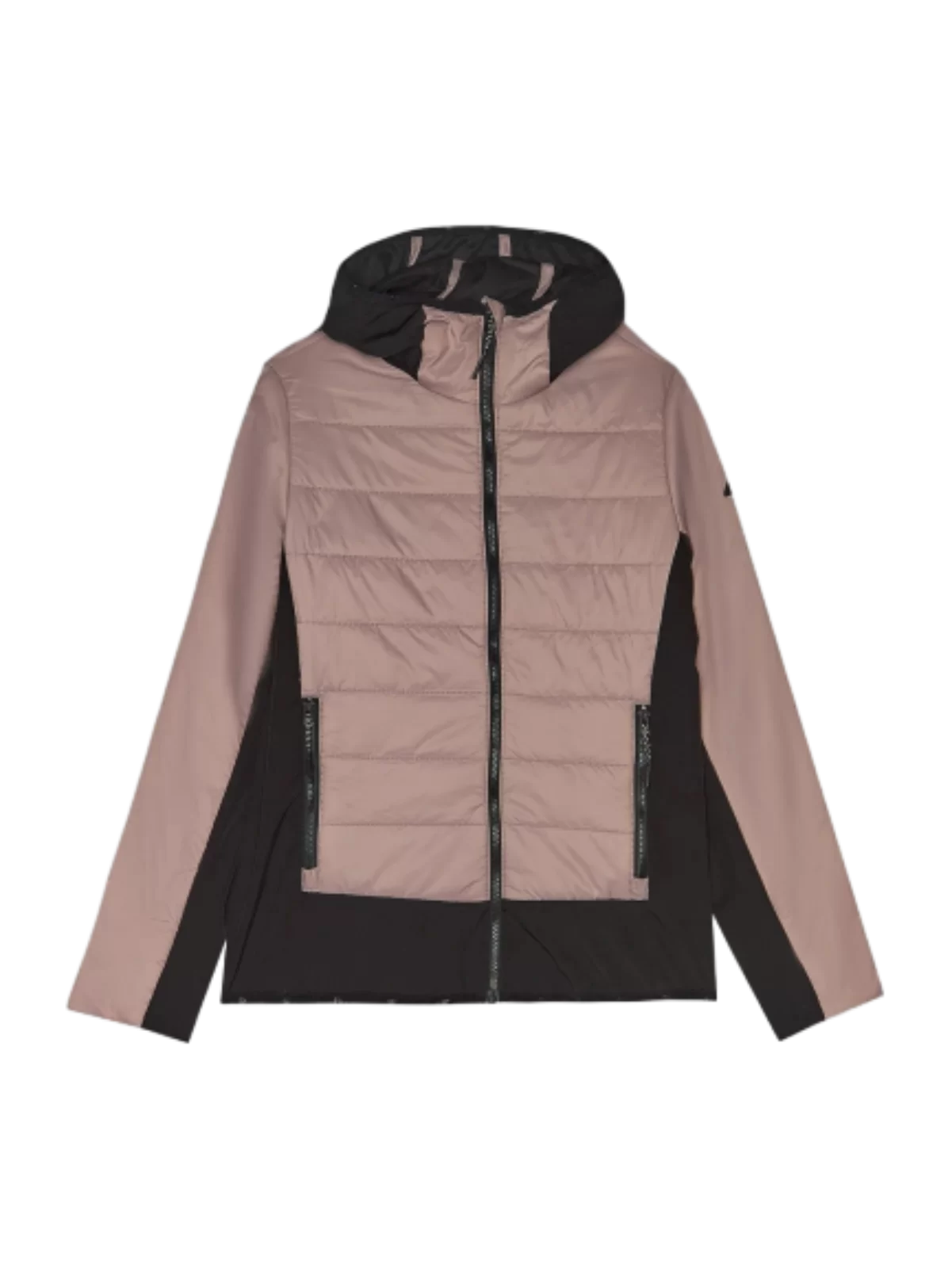
When the cold bites down hard, a warm puffer coat often becomes an indispensable companion. More than just a fashion staple, the warm puffer coat plays an important role worldwide in protecting people from harsh weather conditions. Understanding these coats means appreciating not only their practical benefits but also their impact on sustainability, humanitarian relief, and outdoor industry trends.
Globally, cold climates cover vast regions, from the frigid poles to high-altitude mountain areas. According to the United Nations Environment Programme, more than a billion people experience cold weather annually that necessitates effective thermal wear. Warm puffer coats help mitigate cold-related illnesses and improve quality of life — a benefit we sometimes take for granted. Yet, with challenges such as climate change and material sourcing, the industry behind these jackets is evolving rapidly.
Simply put, a warm puffer coat is a jacket insulated with down or synthetic fill, creating a “puffy” quilted appearance that traps heat efficiently. These layers act like tiny air pockets, holding warmth close to the body.
Beyond fashion, these coats respond to real-world needs — from providing warmth in polar research expeditions to protecting vulnerable populations in disaster zones. The combination of lightweight design and effective insulation makes the warm puffer coat a modern essential.
Down insulation, harvested from ducks or geese, has long been prized for its superior warmth-to-weight ratio. Synthetic fills like PrimaLoft™ offer hypoallergenic and water-resistant alternatives. Both options affect warmth, durability, and cost.
The outer shell typically uses nylon or polyester materials, treated for water repellency and wind resistance. This fabric quality impacts usability and weather protection.
Baffle patterns (how the insulation is sewn) affect warmth distribution and coat flexibility. Some use sewn-through designs, others opt for boxed baffles to minimize cold spots.
Many manufacturers prioritize making warm puffer coats lightweight and compressible — critical for travelers, mountaineers, and field workers.
Increasingly, companies adopt recycled materials and ethically sourced down, aligning with global climate goals like ISO 14001 environmental management standards.
| Feature | Description |
|---|---|
| Insulation Type | 700 Fill Power Goose Down / PrimaLoft Synthetic |
| Shell Material | Ripstop Nylon with DWR coating |
| Weight | Around 450 grams (Men’s Medium) |
| Packability | Compresses into small stuff sack (10” x 6”) |
| Water Resistance | Durable Water Repellent (DWR) finish |
| Sustainability Certification | Responsible Down Standard (RDS) compliant |
Mini takeaway: The warm puffer coat balances insulation type, outer shell quality, weight, and sustainability for practical and environmental benefits — a complex tradeoff indeed.
For instance, during recent harsh winters in Eastern Europe, aid groups supplied tens of thousands of warm puffer coats to vulnerable elderly populations. It’s a small thing, but warmth literally saves lives. Oddly enough, these coats also play a surprising role in reducing energy consumption when fewer indoor heating demands arise.
Mini takeaway: The warm puffer coat intersects humanitarian, recreational, and everyday urban needs, making it truly global in scope.
On one hand, these coats offer tangible benefits that are easy to appreciate: lightweight warmth, wind and water resistance, and packability. But the value extends further — to feelings of security, dignity, and independence during cold weather.
From an environmental angle, innovations in recycled materials and ethical down sourcing shape a sustainable future. The long-term cost efficiency is notable too: a durable warm puffer coat often outlasts simpler jackets, reducing waste.
| Brand | Insulation | Water Resistance | Sustainability | Price Range |
|---|---|---|---|---|
| North Face | 700 Fill Power Goose Down | Yes, DWR Coating | RDS Certified Down | $250 - $350 |
| Patagonia | PrimaLoft Synthetic | Yes, Durable Water Repellent | High use of Recycled Materials | $300 - $400 |
| Uniqlo | Down Blend (550-600 Fill Power) | Basic Water Resistance | Less emphasis on sustainability | $70 - $120 |
Frankly, the warm puffer coat market never stands still. Advances in bio-based insulation and coatings promise eco-friendly warmth with less environmental impact. Some brands experiment with graphene-infused textiles or heating elements powered by solar-charged batteries.
Digital transformation is also at play — imagine coats that adjust insulation dynamically or monitor body temperature via integrated sensors. The sustainability push means recycling old puffers into new fibers, aligning industry efforts with UN Sustainable Development Goals (SDGs).
One big issue is balancing warmth, weight, and environmental footprint. Down is warm but requires responsible sourcing; synthetics are less efficient but more water-resistant and animal-friendly. There’s also growing pressure to reduce microplastic pollution from synthetic shells.
Some manufacturers are tackling this by innovating closed-loop recycling programs and investing in regenerative farming for down supply chains. Education campaigns raise consumer awareness on care and longevity, essential for reducing fast fashion waste.
Warm puffer coats deliver more than just comfort: they protect health, support sustainability, and adapt to diverse global needs. Their innovation continues to grow, reflecting shifts in technology and environmental responsibility. If you want to brave the chill without compromise, investing in a well-made warm puffer coat remains a wise choice.
Ready to upgrade your cold-weather gear? Check out our latest collection at https://www.outdoor-apparels.com. Your future self will thank you when the cold sets in.
A little reflection: Oddly enough, the warmth we sometimes take for granted is the result of intricate science, ethical supply chains, and ongoing innovation. It's a comfort that really connects us globally — through cold winters, harsh environments, or just a chilly morning commute.
References:
1. Wikipedia – Heat Insulation
2. ISO 14001 Environmental Management
3. United Nations Sustainable Development Goals (SDGs)
If you are interested in our products, you can choose to leave your information here, and we will be in touch with you shortly.