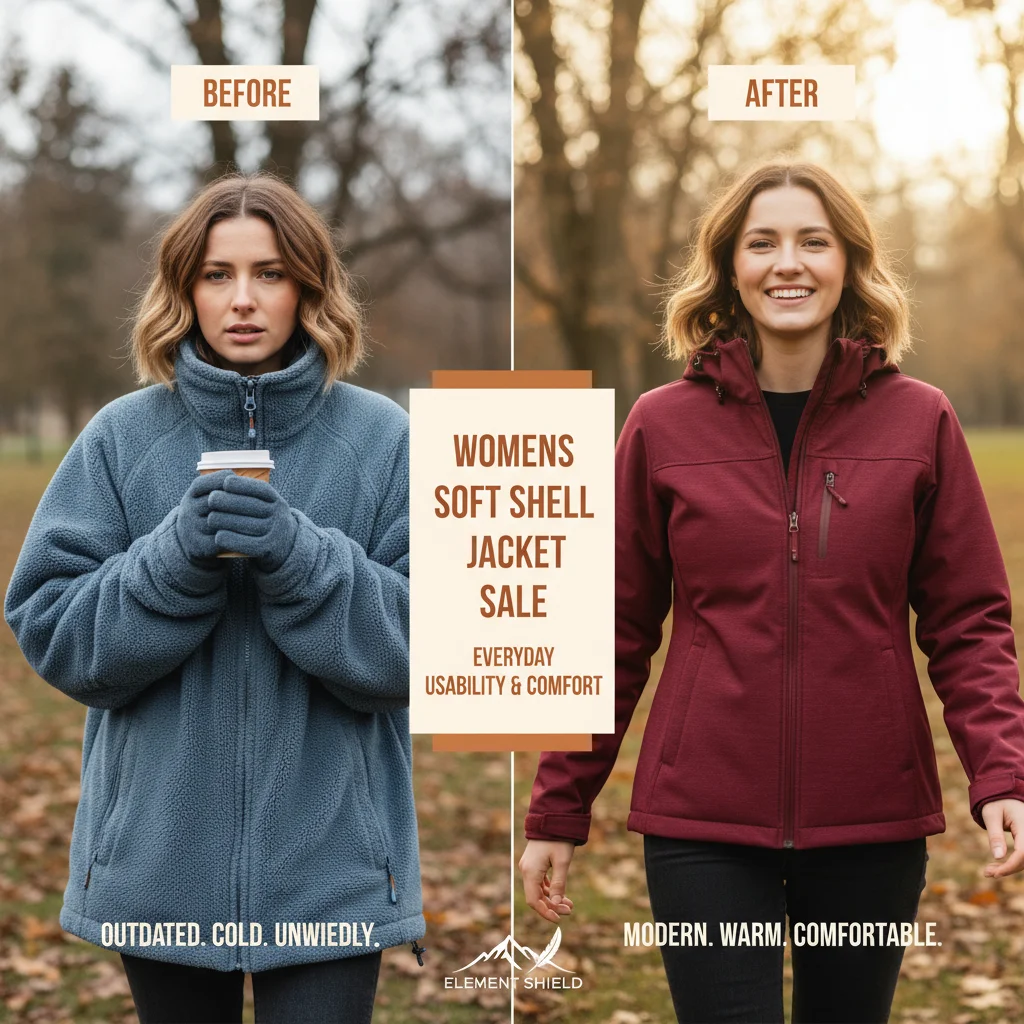
The modern textile industry has seen a significant shift toward versatile, weather-resistant apparel, and the softshell zomerjas stands at the forefront of this evolution. Designed to bridge the gap between heavy winter gear and lightweight windbreakers, these garments offer a sophisticated blend of breathability and water resistance, making them indispensable for the unpredictable transitions of spring and autumn.
Globally, the demand for high-performance outerwear has surged as more people embrace outdoor lifestyles and active commutes. A softshell zomerjas is not merely a fashion choice but a technical solution to the challenge of maintaining core body temperature while ensuring moisture escape during physical exertion, a balance that traditional hardshells often fail to achieve.
Understanding the nuances of fabric composition, from bonded membranes to DWR (Durable Water Repellent) finishes, allows consumers and professionals alike to maximize the utility of their gear. By integrating advanced weaving techniques from the woven garment manufacturing sector, the softshell zomerjas provides an optimized shield against the elements without sacrificing the comfort of a flexible, soft-touch fabric.
The Technical Architecture of Softshell Zomerjas
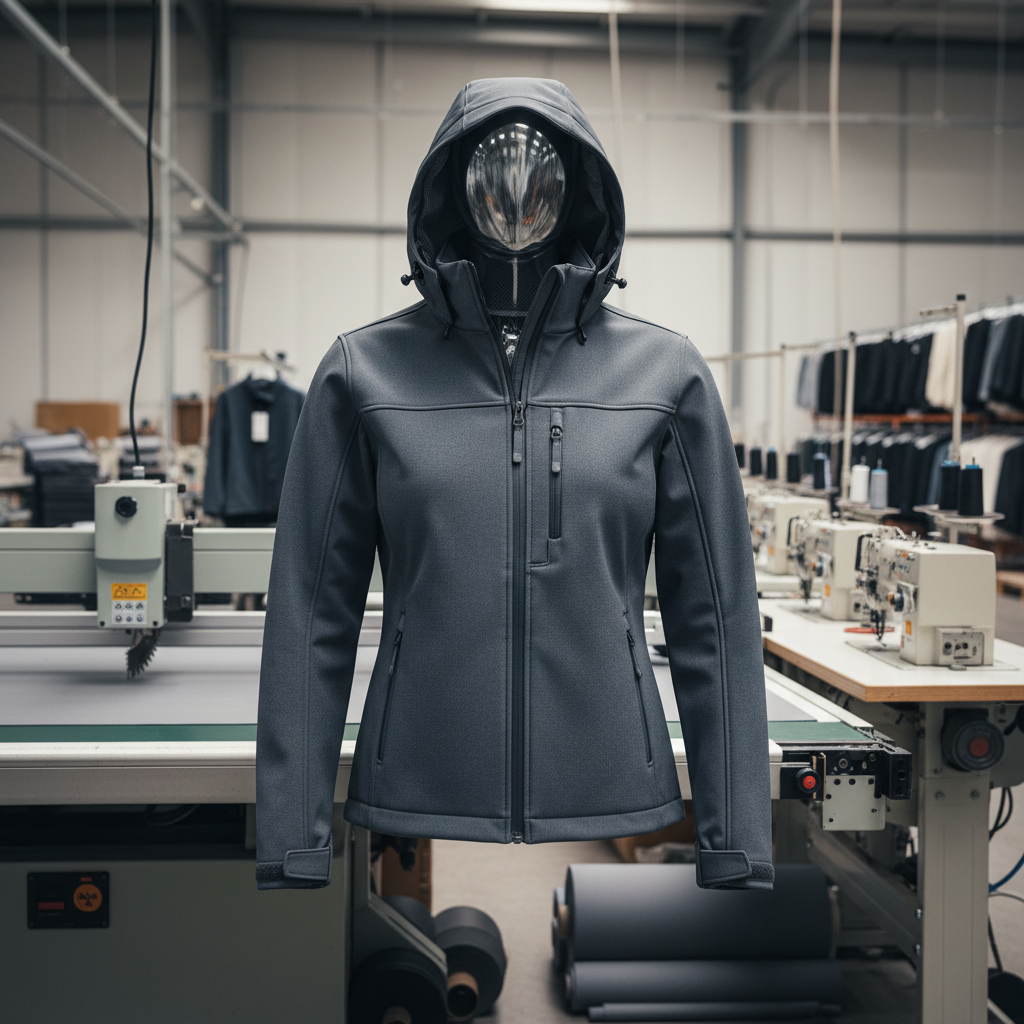
At its core, a softshell zomerjas is a marvel of composite engineering. Unlike traditional jackets, it utilizes a bonded fabric construction where a tightly woven outer shell—often a blend of polyester and elastane—is fused with a breathable inner membrane. This structure prevents wind penetration while allowing water vapor from sweat to escape, ensuring the wearer remains dry and comfortable during mid-intensity activities.
The "summer" aspect of this garment refers to the reduction in thermal insulation. While winter softshells use heavy fleece linings, the summer variant employs lightweight brushed tricot or mesh, optimizing the jacket for mild temperatures. This ensures that the softshell zomerjas provides the necessary protection against sudden rain showers and wind chill without inducing overheating.
Global Market Relevance and Industrial Demand
The global appetite for high-performance apparel has seen a steady climb, with the softshell segment growing as consumers pivot toward "gorpcore" aesthetics and functional utility. According to industry trends in the woven garment sector, the demand for a softshell zomerjas is particularly high in Northern Europe and North America, where volatile spring weather makes a single-layer, multi-functional jacket a necessity.
From an industrial perspective, the manufacturing of these jackets requires precise tension control during the weaving process to ensure the stretch properties are consistent across the entire garment. The challenge for manufacturers lies in balancing the hydrophilic nature of the inner layer with the hydrophobic requirements of the outer shell, a technical hurdle that defines the quality of a premium softshell zomerjas.
Furthermore, the integration of recycled polymers into the production line has become a global standard. As ISO standards for environmental management become more stringent, the industry is moving toward PFC-free DWR treatments, ensuring that the softshell zomerjas is not only protective for the human wearer but also sustainable for the planet.
Core Performance Metrics for Summer Softshells
When evaluating a softshell zomerjas, durability is the first metric of importance. The abrasion resistance of the outer face fabric determines how well the jacket withstands friction from backpack straps or rough terrain, which is critical for hiking and industrial workwear applications.
Scalability in comfort is achieved through breathability ratings. A high-quality softshell zomerjas must allow a specific volume of air and moisture to pass through the membrane per square meter, preventing the "sauna effect" that often plagues cheaper, non-breathable waterproof jackets.
Finally, cost-efficiency is weighed against the lifespan of the garment. While a professional-grade softshell zomerjas may have a higher initial price point, its ability to replace three different garments—a windbreaker, a light raincoat, and a fleece—provides significant long-term value to the consumer.
Practical Applications Across Diverse Environments
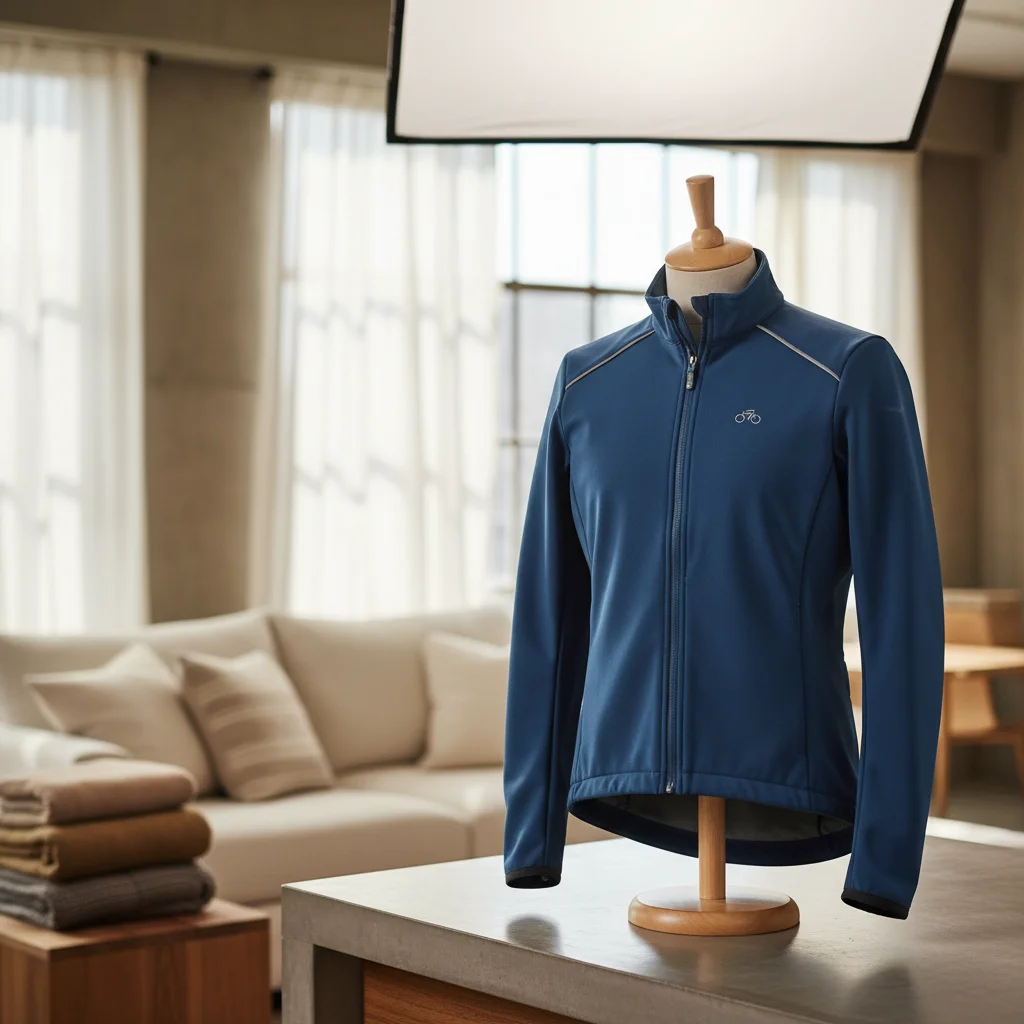
The versatility of the softshell zomerjas makes it ideal for a variety of real-world scenarios. In urban environments, it serves as the perfect commuting layer for cyclists who face fluctuating temperatures and light drizzle. In more rugged contexts, such as remote industrial zones or forestry management, the jacket's tear-resistant properties provide a critical layer of safety against opportunistic scratches and debris.
Moreover, these garments are increasingly used in specialized professional fields. For example, in emergency response operations, a lightweight softshell zomerjas allows personnel to maintain mobility and warmth during long shifts in the field without the bulk of heavy tactical gear, ensuring they can react quickly to crisis situations.
Comparative Performance of Softshell Zomerjas Variants
Long-term Value and Sustainability in Outerwear
The emotional appeal of a softshell zomerjas lies in the confidence it provides. Knowing that you are protected from a sudden downpour or a biting wind allows the wearer to focus on their journey rather than their discomfort. This sense of reliability builds a deep trust between the consumer and the brand, transforming a simple piece of clothing into a trusted tool for exploration.
From a logical standpoint, the sustainability of the softshell zomerjas is found in its longevity. By utilizing high-denier nylon and reinforced stitching, these jackets are designed to last for years, reducing the frequency of replacement and thereby lowering the overall carbon footprint of the wearer's wardrobe.
Future Innovations in Smart Textile Integration
The next frontier for the softshell zomerjas is the integration of "smart" textiles. We are seeing the emergence of phase-change materials (PCMs) that can actively absorb heat when the wearer is too warm and release it when the temperature drops. This dynamic thermoregulation will make the summer softshell even more adaptable to extreme micro-climate shifts.
Additionally, digital transformation in the manufacturing process is allowing for 3D-knitted structures. This means a softshell zomerjas can be produced with varying levels of breathability mapped exactly to the body's heat zones—more open under the arms and more wind-resistant across the chest—without the need for traditional seams.
Sustainability will also drive the shift toward bio-based membranes. Instead of petroleum-derived plastics, future iterations of the softshell zomerjas will likely utilize mycelium or algae-based polymers that offer the same waterproof properties but are fully biodegradable at the end of the garment's life cycle.
Overcoming Common Softshell Limitations
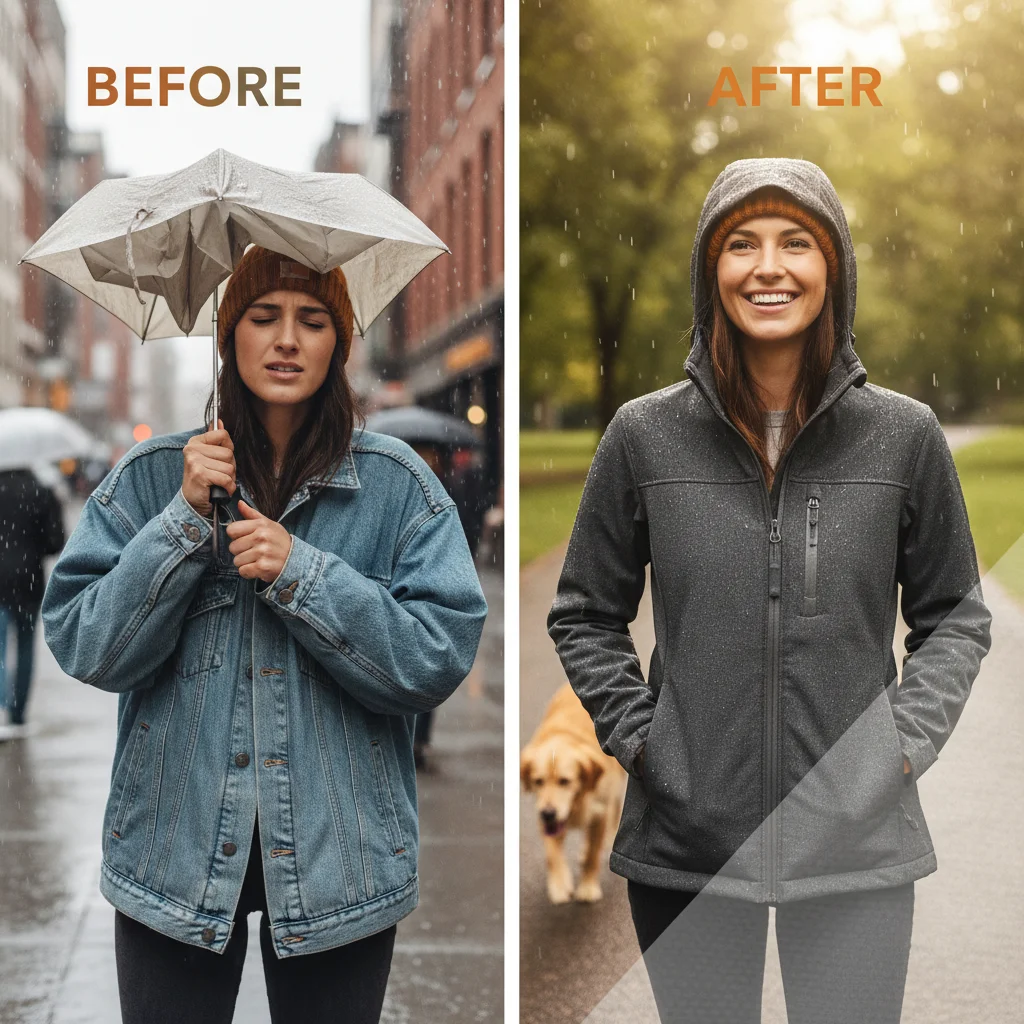
Despite their advantages, softshells often face the challenge of "saturation." Unlike a hardshell, a softshell zomerjas is water-resistant, not waterproof. In a prolonged heavy deluge, the fabric can eventually soak through. The solution lies in the application of advanced nanocoatings that increase the contact angle of water droplets, allowing them to bead off more efficiently.
Another common limitation is the degradation of the DWR finish over time. To solve this, manufacturers are educating consumers on the importance of technical washing. Using specialized detergents that do not clog the membrane pores and occasionally reapplying a spray-on water repellent can restore a softshell zomerjas to its original factory performance.
Finally, the balance between windproofing and breathability remains a delicate act. Innovative hybrid designs—which combine softshell panels with highly breathable mesh in high-sweat areas—provide a customized solution that overcomes the inherent limitations of a uniform fabric, ensuring the softshell zomerjas performs optimally in all conditions.
Technical Analysis of Softshell Zomerjas Design Variations
|
Fabric Blend
|
Wind Resistance (1-10)
|
Breathability (1-10)
|
Primary Use Case
|
| Poly-Elastane Bonded |
8 |
7 |
Urban Commuting |
| Recycled Nylon Mesh |
5 |
10 |
High-Intensity Hiking |
| Teflon-Coated Softshell |
9 |
6 |
Industrial Field Work |
| Lightweight Hybrid |
7 |
9 |
Spring Trekking |
| Double-Weave Polyester |
6 |
8 |
Casual Activewear |
| Premium Gore-Tex Infinium |
10 |
8 |
Extreme Wind Environments |
FAQS
No, a softshell zomerjas is typically water-resistant rather than waterproof. It is designed to repel light rain and mist using a DWR finish and a tight weave. For heavy, prolonged rainfall, a hardshell raincoat is more appropriate, but for most summer transitions, the softshell provides the perfect balance of protection and breathability.
To maintain the integrity of your softshell zomerjas, avoid using traditional fabric softeners or bleach, as these can clog the breathable pores of the membrane. Use a technical wash specifically designed for outdoor gear, wash on a gentle cycle with lukewarm water, and tumble dry on low heat to reactivate the DWR coating.
A summer-weight softshell is designed for mild temperatures. While you can wear it in winter, it lacks the heavy thermal lining of a winter softshell. To make it work, you would need to employ a layering system, wearing a thermal base layer and a mid-layer fleece underneath the softshell zomerjas to retain body heat.
A windbreaker is typically a single layer of lightweight nylon meant only to stop wind. A softshell zomerjas is a composite garment with a bonded inner layer that provides more structure, better water resistance, and significantly more breathability, making it more versatile for active use over various weather conditions.
You should reapply DWR when you notice that water has stopped beading on the surface of your softshell zomerjas and is instead soaking into the fabric. Depending on usage, this typically happens every 6 to 12 months. A spray-on repellent is an easy way to restore this functionality at home.
Yes, absolutely. Many industrial and field-service companies choose the softshell zomerjas for their uniforms because it combines a professional appearance with technical performance. Its abrasion resistance and wind-blocking capabilities make it ideal for engineers, surveyors, and site managers who work outdoors.
Conclusion
The softshell zomerjas represents a critical intersection of material science and user-centric design. By blending the durability of woven fabrics with the breathability of advanced membranes, it solves the age-old dilemma of staying warm without overheating and staying dry without feeling suffocated. From its technical architecture to its growing role in sustainable fashion, this garment has proven itself as an essential tool for anyone navigating the unpredictability of the outdoors.
Looking forward, the integration of smart textiles and bio-based materials will only enhance the value proposition of the softshell. We encourage outdoor enthusiasts and procurement managers to prioritize quality construction and breathability ratings when selecting their gear. Invest in a garment that adapts to you, rather than forcing you to adapt to the weather. Visit our website to explore our professional range: www.outdoor-apparels.com