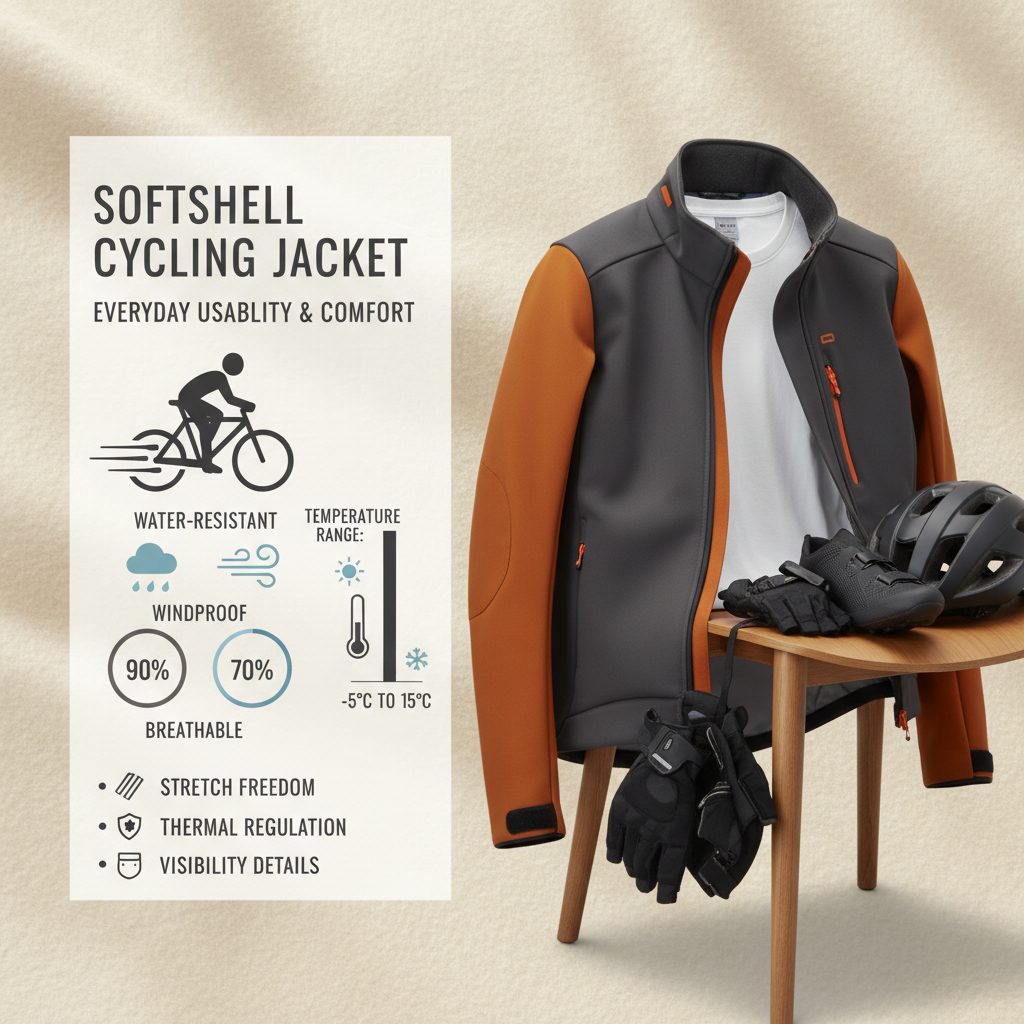
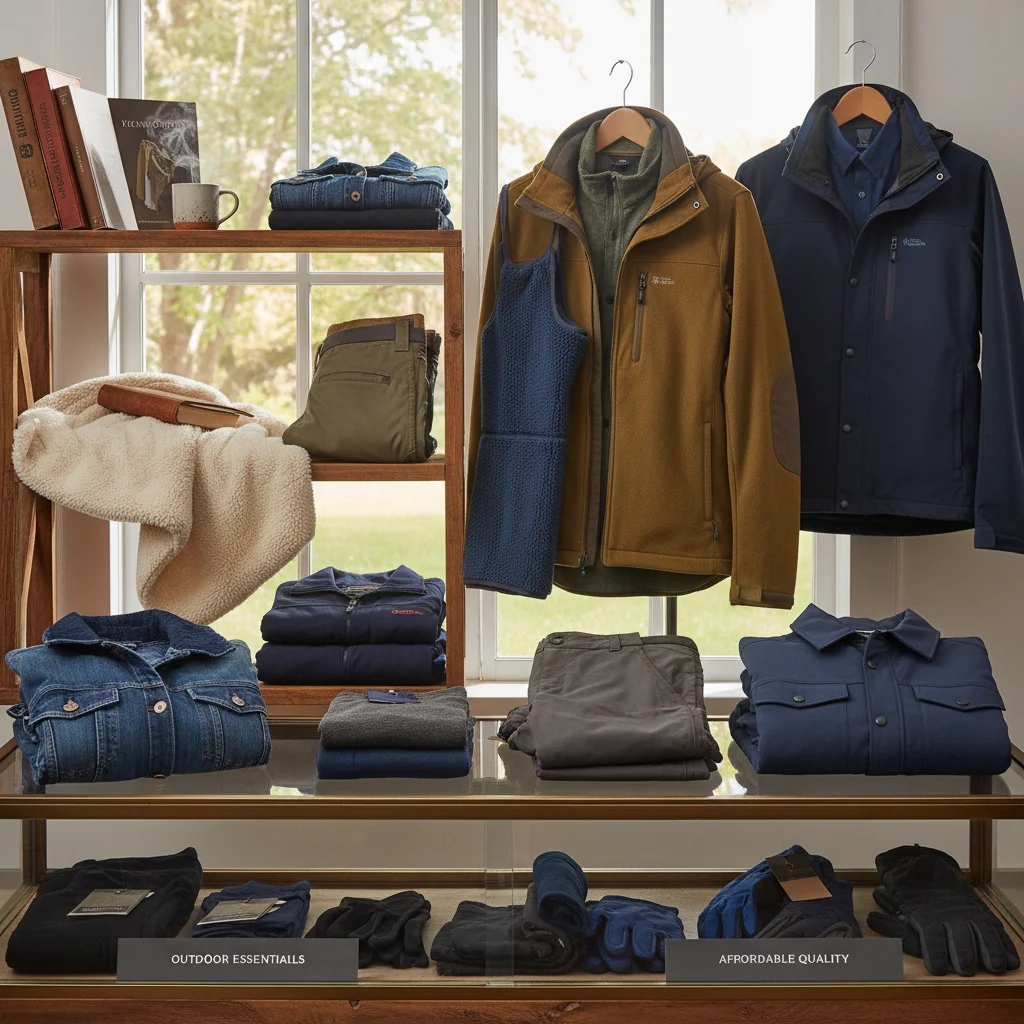
Choosing the right outerwear is critical for any cyclist facing the unpredictable nature of the outdoors. A high-quality softshell cycling jacket serves as the ultimate middle layer, bridging the gap between a lightweight windbreaker and a heavy winter parka. By combining water resistance with breathable warmth, these garments ensure that athletes can maintain a consistent core temperature regardless of the wind chill or light drizzle.
From a global perspective, the shift toward active commuting and the rise of gravel biking have spiked the demand for versatile apparel. Modern textile engineering has allowed the softshell cycling jacket to evolve from a simple fleece to a complex multi-layer system. This evolution addresses the core challenge of "sweat-chill"—where moisture trapped during high-intensity efforts leads to rapid cooling during descents.
Understanding the technical nuances of softshell fabrics allows riders to optimize their performance and safety. Whether you are a professional racer or a weekend enthusiast, investing in a dedicated softshell cycling jacket means fewer clothing changes throughout the day and a significantly higher tolerance for adverse weather conditions, ultimately extending your riding season.
The Technical Composition of Softshell Fabrics
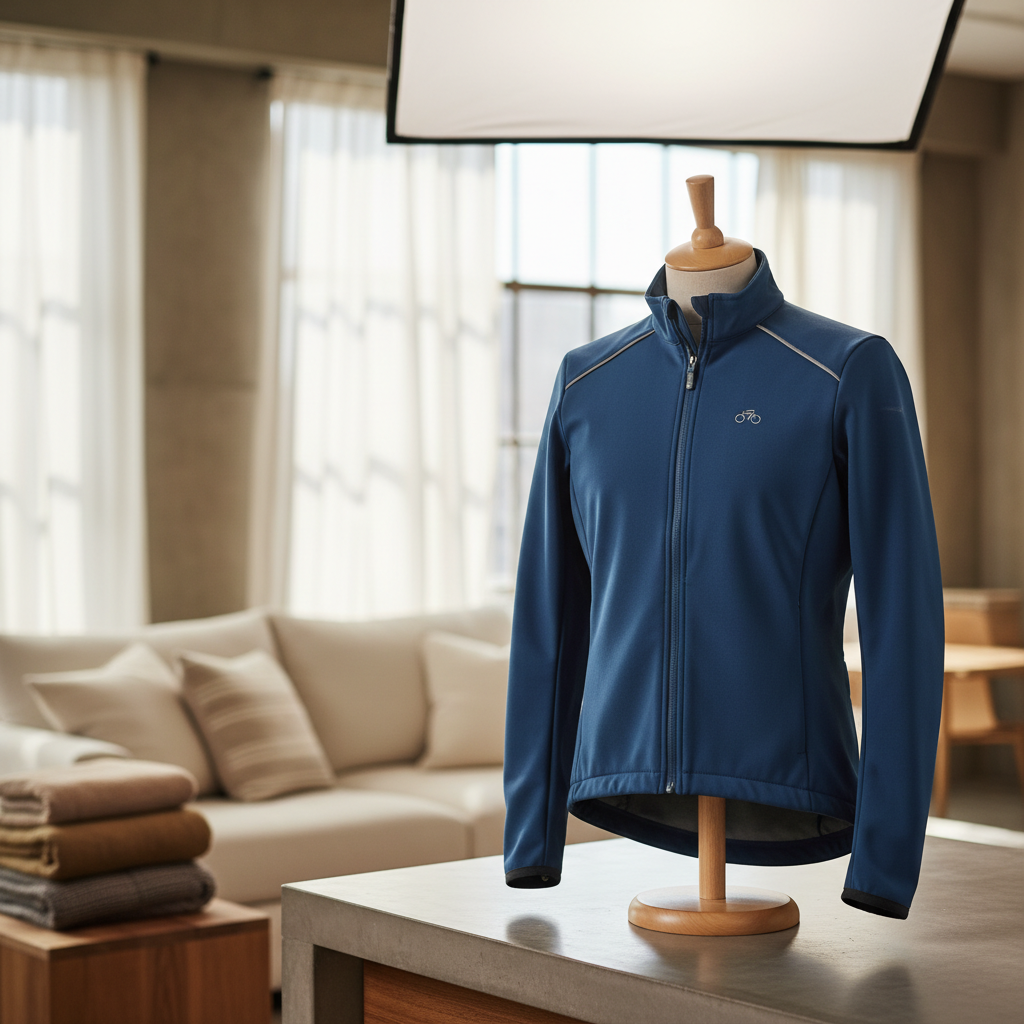
The magic of a softshell cycling jacket lies in its bonded construction. Unlike hard-shells that rely on a thick, non-breathable membrane, softshells typically use a woven outer face for wind resistance and a brushed fleece or grid-knit inner lining for thermal insulation. This synergy allows the garment to stretch and move with the cyclist's body while providing a critical barrier against the wind.
Furthermore, the application of Durable Water Repellent (DWR) coatings ensures that light rain beads off the surface without sacrificing air permeability. This technical balance makes the softshell a superior choice for high-exertion activities where a fully waterproof jacket would lead to overheating and internal condensation.
Global Market Trends in Cycling Outerwear
The global demand for high-performance cycling gear has seen a significant uptick, mirrored by the growth of urban micro-mobility. In Europe and North America, where cycling is integrated into daily commuting, the softshell cycling jacket has transitioned from a niche athletic item to a staple of "gorpcore" fashion and practical urban wear.
Industry data suggests a move toward "modular layering," where consumers prefer versatile pieces that can be worn across multiple seasons. The integration of recycled polyesters and PFC-free membranes is now a primary driver in the manufacturing sector, as cyclists become more conscious of the environmental footprint of their synthetic gear.
Moreover, the rise of e-bikes has changed the speed and distance profiles of the average rider. This shift necessitates clothing that offers better wind protection at higher speeds but remains breathable enough for the occasional pedal-assist climb, further cementing the relevance of softshell technology in the modern market.
Balancing Breathability and Weather Protection
One of the most challenging aspects of designing a softshell cycling jacket is the trade-off between windproofing and moisture vapor transmission. If a jacket is too windproof, the rider will overheat; if it is too breathable, the wind will strip away the warm layer of air trapped next to the skin.
To solve this, engineers utilize strategically placed panels. A high-end softshell cycling jacket often features wind-blocking fabric on the chest and shoulders, while using more porous, stretchy fabrics under the arms and across the back to facilitate rapid heat release.
This zoned construction ensures that the cyclist remains protected from the elements in the most vulnerable areas without succumbing to the "sauna effect." This precise calibration of fabric density is what separates professional-grade gear from generic outerwear.
Performance Metrics for Different Cycling Disciplines
Different cycling styles require different specifications from their gear. For road cyclists, aerodynamics and weight are paramount, leading to a softshell cycling jacket with a slim, race-fit cut and minimal seams to reduce drag. In contrast, mountain bikers require higher abrasion resistance to protect against brush and falls, necessitating a more rugged outer shell.
Commuter cycling prioritizes visibility and storage. For these users, a softshell often includes reflective piping and larger pockets for locks or phones, while still maintaining the core wind-blocking properties required for city riding.
Performance Ratings by Softshell Cycling Jacket Type
Ergonomic Design and Aerodynamic Efficiency
A softshell cycling jacket is not just about the fabric; it's about the pattern. Traditional clothing is designed for a standing posture, but a cyclist is bent forward. Professional softshells utilize "articulated sleeves" and a "dropped tail" (longer back) to ensure the jacket doesn't ride up and expose the lower back to the cold wind.
Additionally, reducing bulk at the wrists and waist prevents flapping at high speeds. By minimizing the air resistance caused by loose fabric, a well-fitted softshell actually helps the rider conserve energy, making the garment a tool for efficiency as much as a tool for warmth.
Environmental Sustainability in Textile Manufacturing
The textile industry is facing immense pressure to reduce its reliance on virgin plastics. The modern softshell cycling jacket is increasingly made from rPET (recycled polyethylene terephthalate), sourced from ocean plastics and post-consumer bottles. This shift significantly lowers the carbon footprint of the manufacturing process.
Moreover, the transition away from C8 fluorocarbons in DWR treatments is a major victory for environmental health. New bio-based water repellents offer similar performance for the softshell cycling jacket without leaching persistent organic pollutants into the soil and water systems during washing.
Sustainability also extends to the longevity of the product. By creating highly durable fabrics that resist pilling and tearing, manufacturers are encouraging a "buy less, buy better" philosophy, reducing the volume of clothing that ends up in landfills annually.
Maintenance and Long-term Care Strategies
To maintain the performance of a softshell cycling jacket, proper care is essential. The most common failure point is the degradation of the DWR coating. When water stops beading on the surface and begins to "wet out," it indicates that the hydrophobic layer has worn down and needs to be revitalized through specialized washing and heat activation.
Avoid using standard fabric softeners, as these can clog the breathable pores of the membrane and leave a residue that attracts dirt. Instead, use a technical detergent designed for outdoor gear, which cleans the fabric without stripping the functional coatings.
Finally, storing the jacket in a cool, dry place away from direct sunlight prevents the elastic fibers from breaking down over time. Regular maintenance ensures that your investment continues to provide the same level of protection and comfort for several seasons.
Comparative Analysis of Softshell Maintenance and Performance
| Maintenance Factor |
Impact on Performance |
Recommended Action |
Longevity Score (1-10) |
| DWR Coating |
Water Repellency |
Re-apply DWR spray |
6 |
| Membrane Porosity |
Breathability |
Use tech-wash detergent |
8 |
| Elasticity |
Fit & Mobility |
Avoid high-heat drying |
7 |
| Zipper Function |
Wind Sealing |
Clean tracks with brush |
9 |
| Fabric Pilling |
Aesthetics/Durability |
Use fabric shaver |
5 |
| Sleeve Cuff Integrity |
Draft Protection |
Gentle hand wash |
8 |
FAQS
No, a softshell is designed to be water-resistant, not waterproof. While it can handle light rain and mist effectively, it will eventually soak through in a heavy downpour. Its primary advantage is breathability; for heavy rain, a hardshell waterproof jacket is recommended, but for the majority of riding conditions, the softshell offers a better balance of comfort and protection.
Cycling jackets should generally fit closer to the body than casual wear to reduce wind drag. When trying on a softshell cycling jacket, ensure you have enough room for a base layer but no excess fabric that would flap in the wind. The sleeves should end just at the wrist, and the back should be long enough to cover your lower back while in a riding position.
Generally, no. Softshells are designed for cool to cold weather. Even the most breathable softshell provides more insulation than a standard jersey. However, some ultra-lightweight versions are excellent for high-altitude descents or early morning rides in the spring and autumn when the temperature is crisp but not freezing.
Fleece is primarily for warmth and breathability but offers almost no protection against wind or rain. A softshell cycling jacket typically incorporates a fleece-like interior but adds a woven outer layer that blocks wind and resists water. Essentially, a softshell is a "windproofed fleece" designed specifically for the dynamic environment of cycling.
This depends on usage and washing frequency. A good rule of thumb is to perform the "bead test": spray a little water on the jacket. If the water soaks in rather than forming beads, it's time to re-treat. For heavy users, this typically happens every 3-6 months. Using a dryer on low heat after washing can also help reactivate some factory-applied coatings.
Absolutely. For winter commuting, a softshell cycling jacket is often the best choice because it blocks the biting wind while allowing the heat generated by your effort to escape. To maximize warmth in sub-zero temperatures, simply pair your softshell with a merino wool base layer and a lightweight thermal mid-layer.
Conclusion
In summary, the softshell cycling jacket represents a critical intersection of textile science and athletic necessity. By effectively managing the conflict between wind protection and breathability, it allows cyclists to push their limits across a wider range of temperatures and weather conditions. From the ergonomic cuts that reduce drag to the sustainable materials that protect our planet, the modern softshell is an indispensable tool for any serious rider.
Looking forward, we can expect further innovations in smart fabrics—such as phase-change materials that actively regulate temperature—to make these jackets even more efficient. For those looking to elevate their riding experience, investing in a high-quality softshell is not just about comfort; it is about enhancing safety and consistency on every journey. Explore our full range of professional gear today. Visit our website: www.outdoor-apparels.com