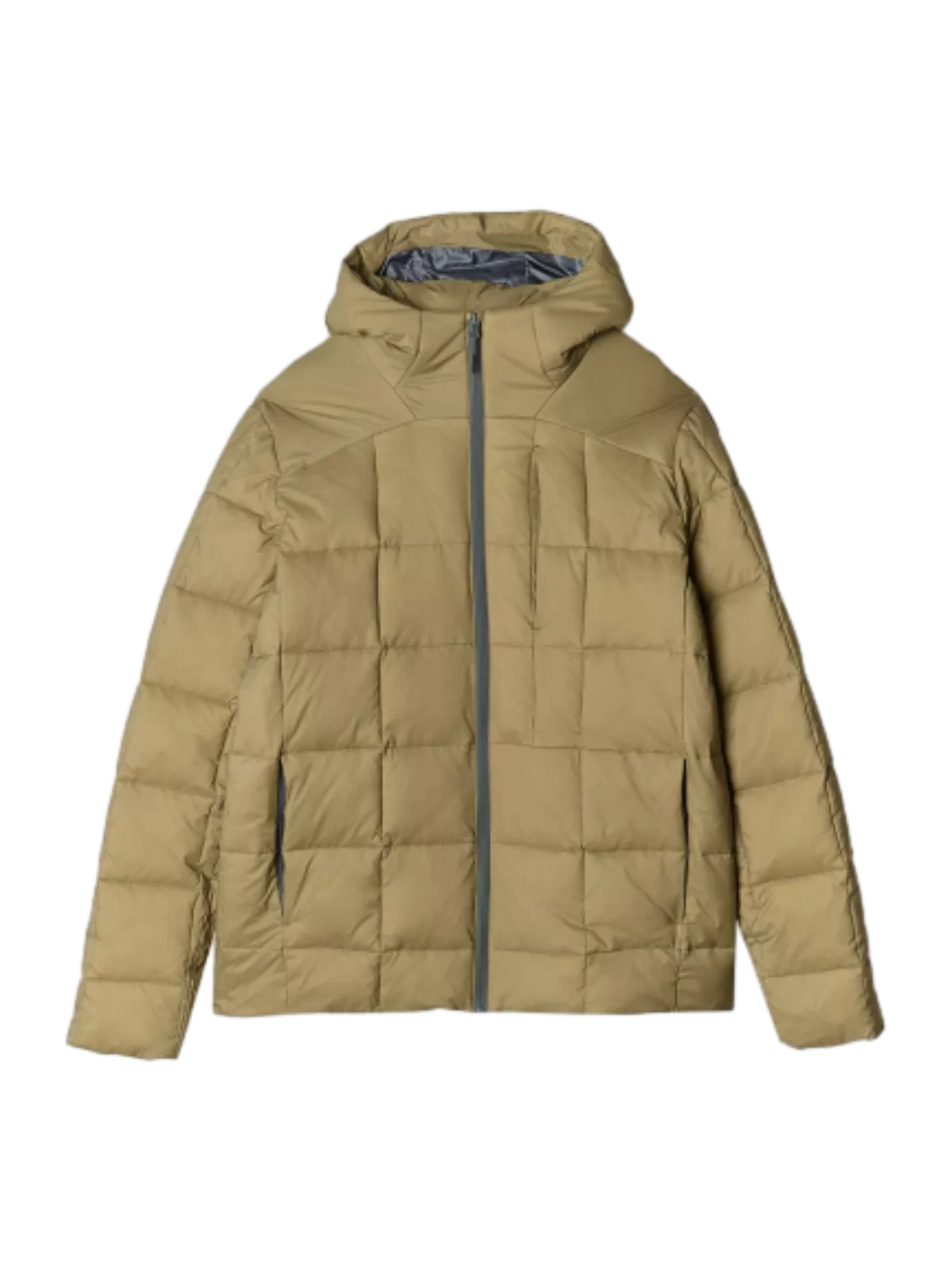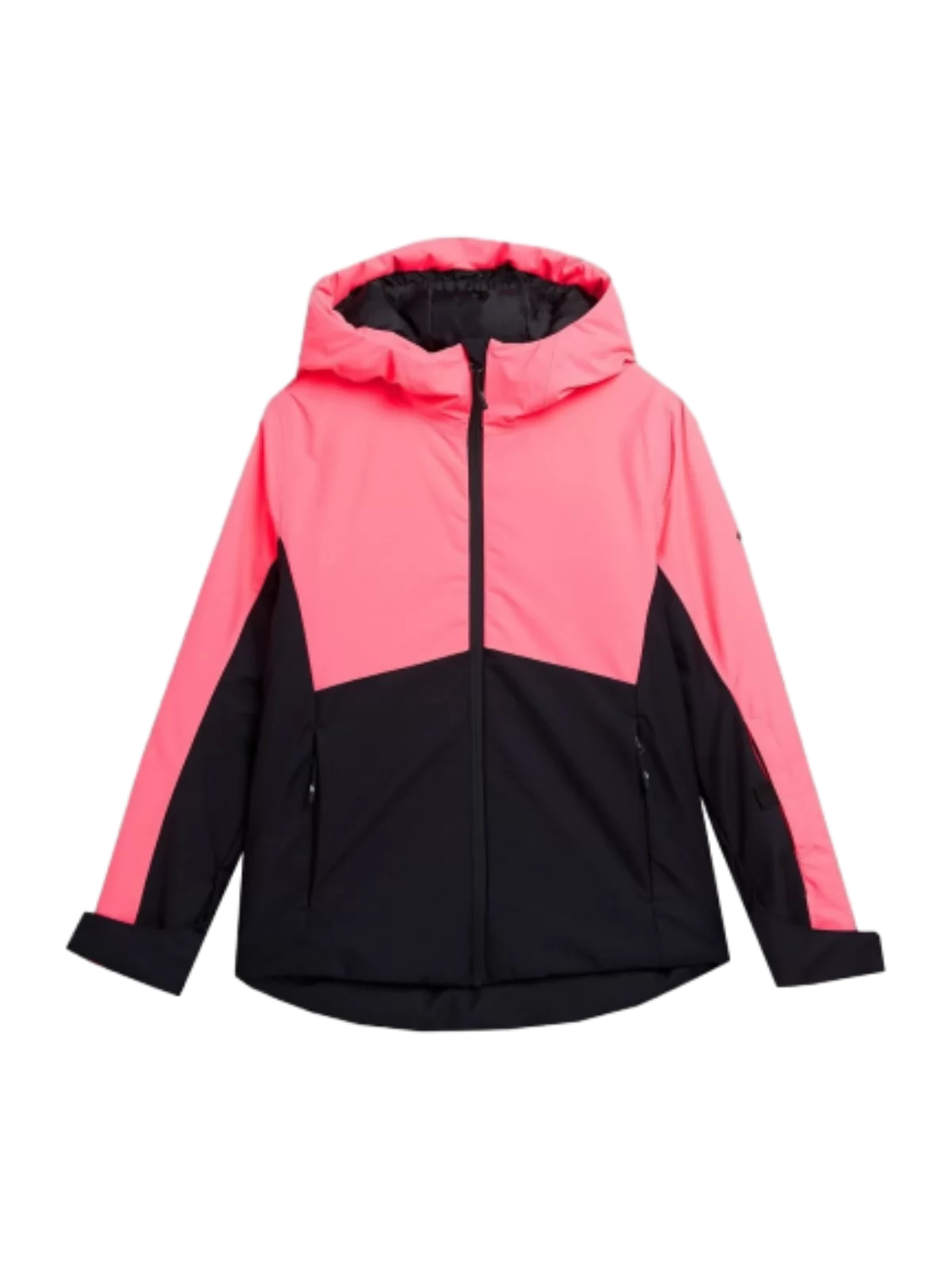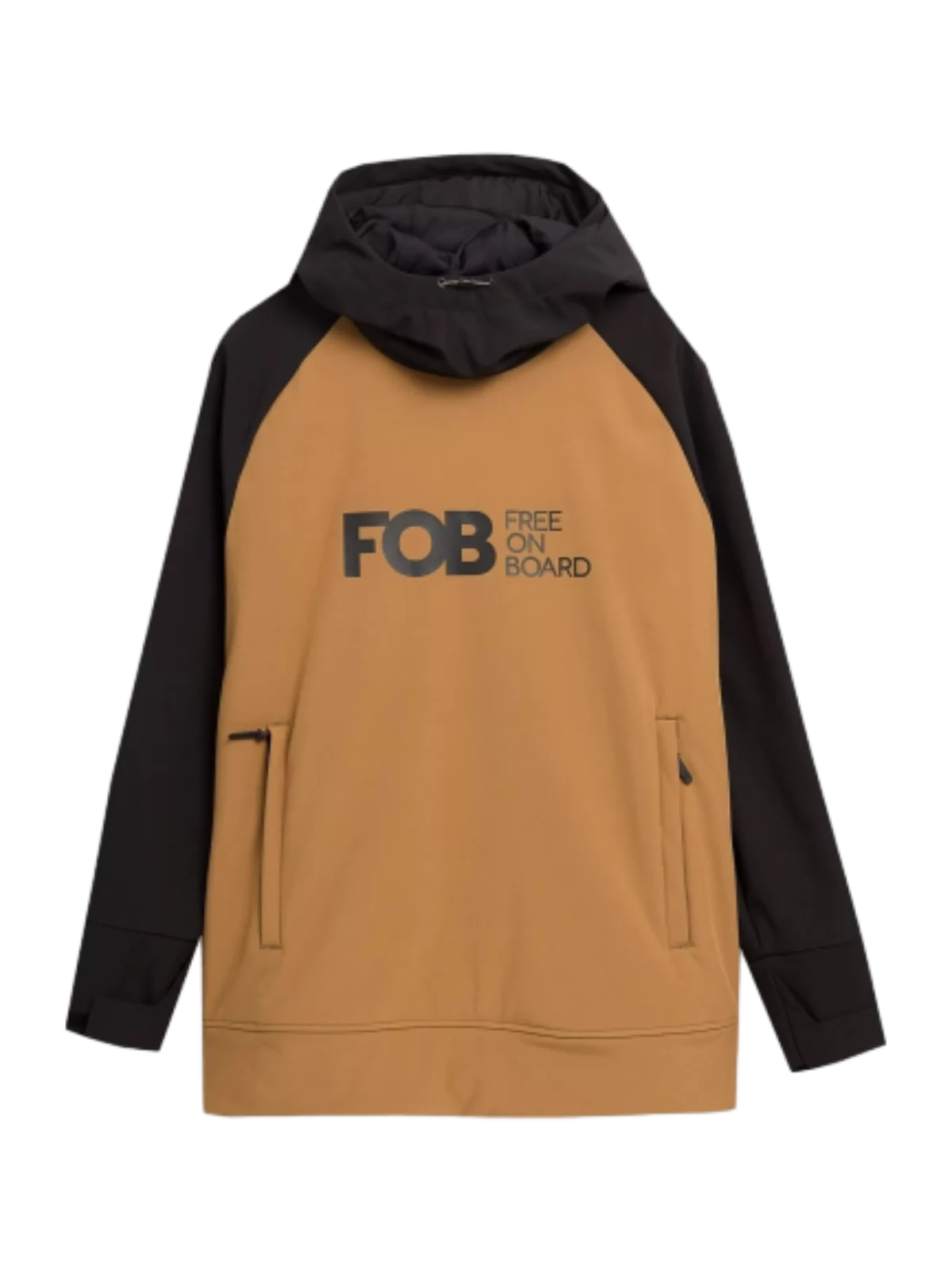
When winter hits and the chill sets in, few garments become as crucial as a quality ladies warm padded coat. But this isn’t just about staying cozy during cold months — globally, the design and functionality of these coats hold broader significance. With temperatures shifting unpredictably due to climate change and more people living in colder urban or rural environments, having reliable winter wear is more vital than ever. Beyond comfort, these coats offer thermal insulation, wind and water resistance, and often incorporate sustainable materials — benefits that align with growing environmental concerns. Understanding what makes a ladies warm padded coat truly effective means appreciating a blend of technical textiles, smart design, and real-world applications. Let’s unwrap this topic together.
To put it in perspective, according to the World Meteorological Organization, colder seasons are becoming harsher in certain regions due to shifting weather patterns, leading to increased heating needs worldwide.1 The global cold weather apparel market, including padded coats, is expected to grow significantly — reflecting this urgent user demand. From harsh winters across North America, Northern Europe, to subzero factory conditions in Asia, warm outerwear is no luxury but a necessity. For humanitarian efforts too, when relief organizations send aid to disaster-affected cold zones, insulated coats protect vulnerable populations.2 Yet, despite this pressing need, many face challenges: poor fit, inadequate insulation, or non-eco-friendly materials. This is where understanding the specifics of ladies warm padded coats becomes really practical.
In simple terms, a ladies warm padded coat is a type of outerwear engineered to provide thermal insulation by trapping body heat. Typically, these coats are quilted, filled with either natural down feathers or synthetic fibers that mimic down’s loft and warmth. This padding acts as a barrier against cold and wind, while the outer shell material often ensures water resistance or repellency. Unlike casual jackets, a warm padded coat is designed for colder climates, balancing insulation with mobility and style.
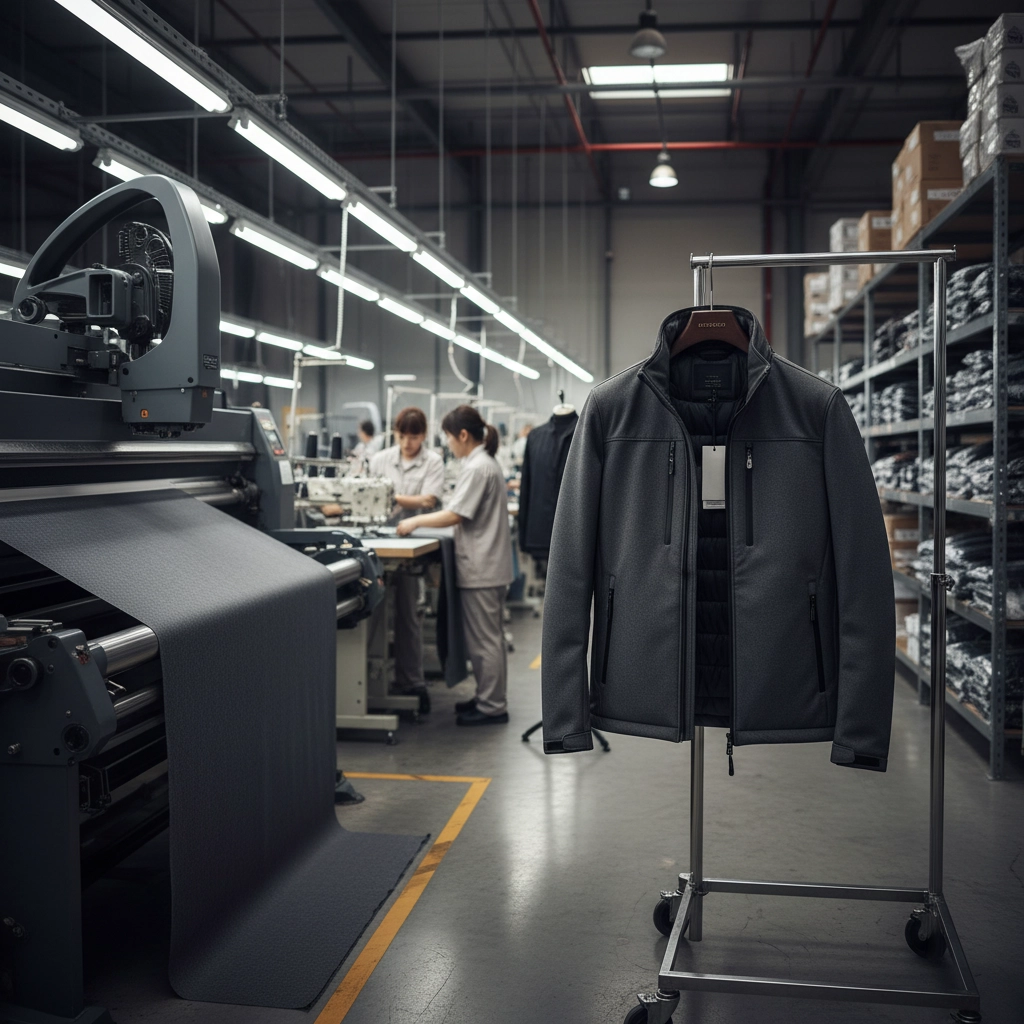
Interestingly, these coats also capture a slice of fashion and industrial innovation. Sporty yet polished, many utilize innovative fabrics compliant with environmental standards such as ISO 14001 or bluesign certification, reflecting a modern blend of performance, sustainability, and manufacture accountability.3
The heart of a padded coat is its fill. Natural down offers excellent warmth-to-weight ratio but usually comes at a higher price and raises ethical questions. Synthetics like PrimaLoft or Thinsulate are widely used alternatives, prized for hypoallergenic properties and water resistance.
Durability and weather resistance hinge on the shell fabric. Typical choices include nylon or polyester treated with Durable Water Repellent (DWR) coatings, important for shedding rain and snow.
How the coat is stitched affects warmth retention and longevity. For instance, baffle stitching prevents padding from shifting, maintaining consistent insulation.
Whether a coat embraces a slim silhouette or loose layering, fit improvements enhance thermal efficiency by reducing drafts. Also, design details like adjustable hoods and cuffs play into practical comfort.
Eco-conscious consumers now value coatings and fillings that are free from harmful PFCs and use recycled materials, promoting greener fashion choices.
| Feature | Specification |
|---|---|
| Insulation | 80% duck down / 20% feathers or 100% PrimaLoft synthetic |
| Outer Shell | Nylon with Durable Water Repellent (DWR) finish |
| Lining | Polyester taffeta for smooth layering |
| Weight | Approx. 600-900 grams (depending on size) |
| Certifications | bluesign®, RDS (Responsible Down Standard) |
A quick takeaway: These coats don't just keep you warm — they are an intersection of fashion, function, and sometimes even life-saving gear.
There’s something reassuring about slipping into a warm padded coat on a frosty morning — it’s more than mere comfort. Financially, investing in a good coat often means fewer replacement cycles, saving money over time. From an environmental standpoint, coats with sustainable fillings and fabrics help reduce fashion industry waste. Emotionally, they instill a sense of security and dignity, especially in harsh conditions. Frankly, quality winter wear is about trust: trusting that you will stay warm, dry, and comfortable.
Innovation in the world of paded coats is steadily moving towards smarter materials. Imagine coatings that self-repair or generate heat, or insulation sourced from bioengineered down alternatives that don’t compromise animal welfare. Digital transformation even means integrating wearable tech for temperature regulation or GPS. The push for greener manufacturing processes ensures that these garments won't just be warm, but also kind to the environment.
One of the trickiest issues is balancing warmth with breathability; sometimes coats trap too much moisture, making cold worse. Designers combat this by incorporating vented zippers or breathable membranes like Gore-Tex. Another challenge lies in ethical sourcing — continually improving traceability and transparency in down supply chains remains a moving target but shows great progress. And price can be a barrier for many; luckily, synthetic insulation technologies are bringing down costs without sacrificing performance.
| Brand | Insulation Type | Sustainability | Price Range | Standout Feature |
|---|---|---|---|---|
| North Face | Goose Down / Synthetic | Recycled fabrics, Bluesign® certified | $200 - $350 | Durability and tech integration |
| Patagonia | Recycled Synthetic | 100% Recycled materials, Fair Trade Certified | $250 - $400 | Strong eco-focus and warranty |
| Columbia | Synthetic | Partial recycled content | $100 - $250 | Affordable, Omni-Heat reflective lining |
In wrapping up, a quality ladies warm padded coat proves itself as an investment not just in comfort but also in sustainability and ethical manufacturing. These coats tackle global challenges posed by cold weather conditions while evolving alongside technological and environmental advances. Whether you’re bundling up for a winter commute or involved in relief efforts in freezing climates, the right padded coat combines practicality with care for the planet and people. Oddly enough, it feels like something as simple as a coat can quietly carry a lot of that weight. For more options and expert advice, be sure to check out our website.
Stay warm and informed — that’s the kind of knowledge that keeps us going through the coldest days.
References:
1. World Meteorological Organization (wmo.int)
2. United Nations Office for the Coordination of Humanitarian Affairs (unocha.org)
3. bluesign Technologies AG, Environmental Standards (bluesign.com)
If you are interested in our products, you can choose to leave your information here, and we will be in touch with you shortly.