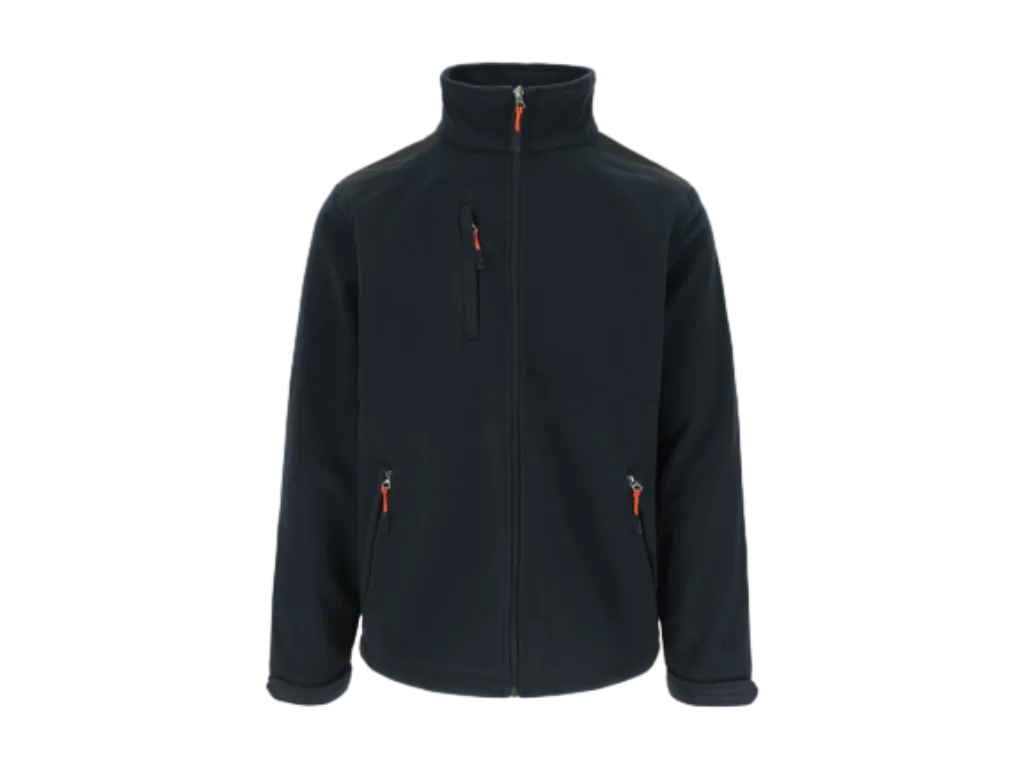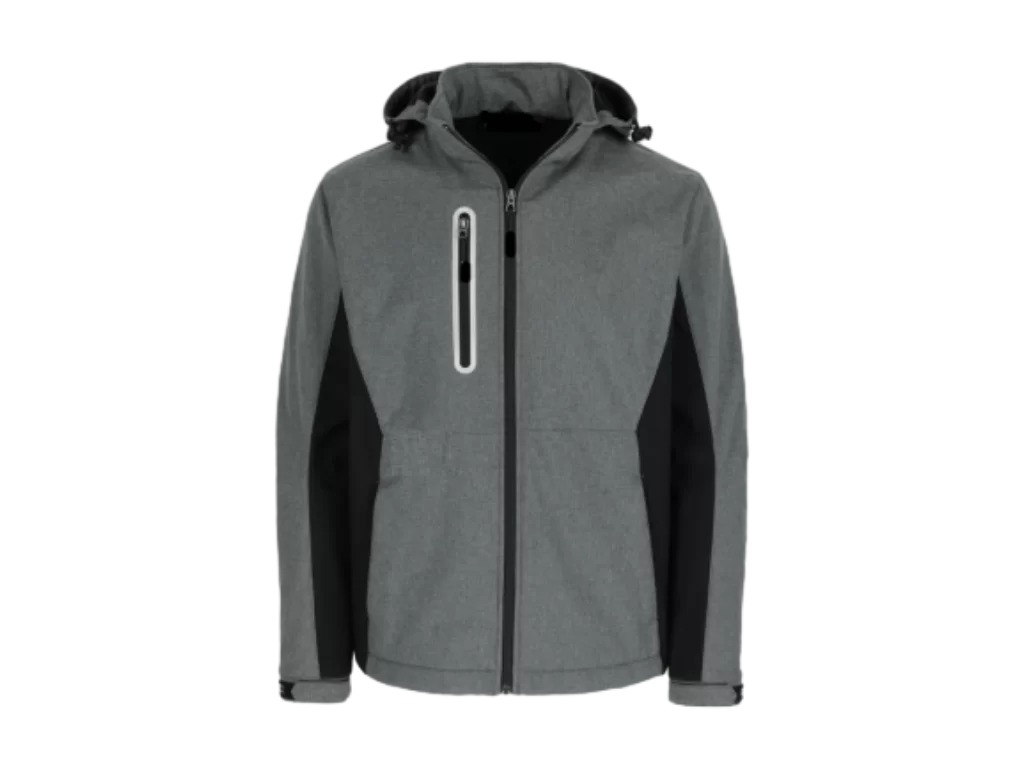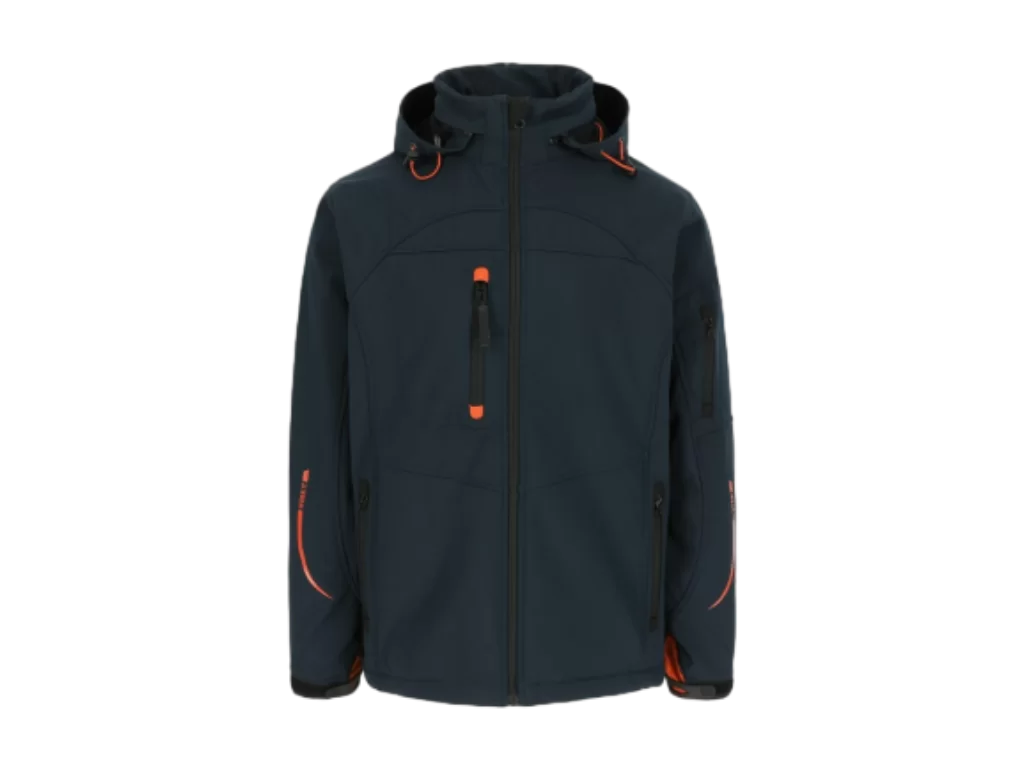
Waterproof soft shell fabric — it’s one of those technical terms you might scoop past on outdoor gear tags or supplier specs, but it’s actually a bit of a game changer in materials technology. Think about it this way: the stuff we wear or use for protection should shield us from rain, wind, and the elements, yet remain comfortable and flexible. That’s the promise waterproof soft shell fabrics hold globally — they blend weather protection with mobility, crucial in industries ranging from outdoor adventure to humanitarian relief.
Why does this even matter? Well, as climate unpredictability spikes (the UN reports that over 2 billion people suffered some kind of disaster event in the last decade), reliable protective fabrics become more than just gear — they become lifelines. Understanding the benefits and use cases of these fabrics helps manufacturers, designers, and aid organizations make smarter choices that affect millions.
The rise of urbanization and outdoor recreation worldwide means a bigger market and greater demand for materials that are as tough as they are comfortable. According to ISO's recent textile standards, waterproof breathable fabrics have grown in popularity by nearly 15% annually, with outdoor and workwear sectors leading. But it's not just leisure driving this — consider the harsh landscapes where humanitarian and industrial operations take place.
For example, remote mining camps or disaster zones require clothing and shelters that resist moisture without suffocating the wearer. Plain old raincoats just won’t cut it in these situations; they’re either too stuffy or fail when weather gets rough. So waterproof soft shell fabrics fill a critical gap, improving worker safety and operational effectiveness worldwide.
In simple terms, waterproof soft shell fabric refers to a layered textile composed of tightly woven, water-repellent outer fibers combined with stretchable, breathable inner materials. Unlike traditional hard shell fabrics that rely mostly on plastic membranes like Gore-Tex, soft shells incorporate engineered knit or woven substrates with durable water-repellent (DWR) coatings. This combo creates a flexible, water-resistant barrier that allows moisture vapor from sweat to escape.
The outcome? You stay dry both from rain outside and from accumulated sweat inside, which is crucial during prolonged exertion. These fabrics suit outdoor apparel, gear covers, medical textiles, and even some military applications, where comfort under dynamic conditions can be a matter of performance or survival.
For anything meant to perform in unpredictable environments, toughness is a must. Waterproof soft shell fabrics typically resist tearing and fabric wear better than traditional rainwear, thanks to high-denier yarns and compression-knit weaves. This means longer product life and less frequent replacement.
The ability to “breathe” — or let water vapor escape — differentiates a good soft shell fabric from a plastic rain poncho. Breathability ratings often range from 5,000 to 15,000 g/m²/24hr, balancing protection with comfort. This is why hikers prefer soft shells during all-day treks.
Waterproofing is usually achieved with a Durable Water Repellent (DWR) finish, which causes rain to bead and roll off. Some advanced fabrics also include windproof membranes for extra defense. This layer often needs reapplication or renewal after extended use.
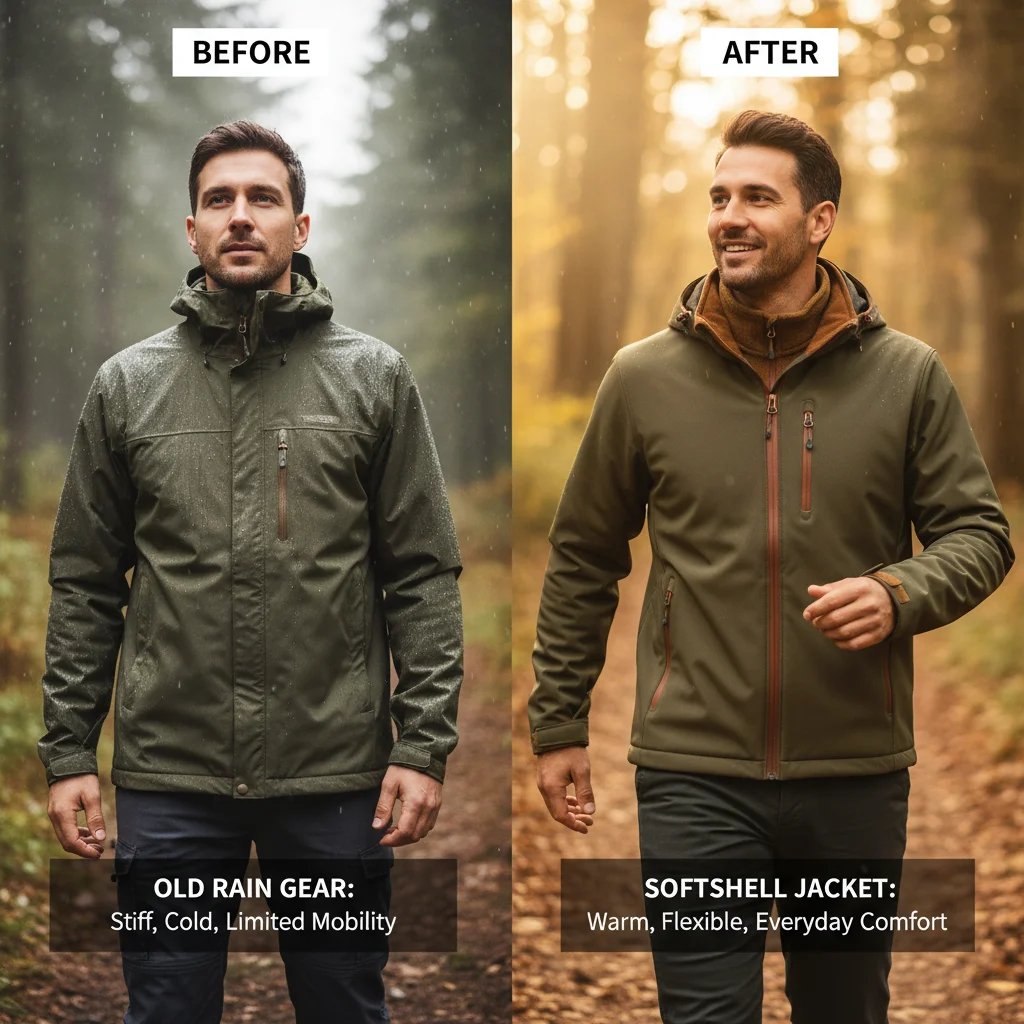
Unlike stiff hardshells, these fabrics bend and flex—making them ideal where movement is vital. Many incorporate elastane or spandex blends to facilitate freedom of motion without sacrificing weather protection.
Soft shell materials tend to be lighter and compressible, perfect for gear that travels with you. This plays into user preferences for convenience on expeditions or emergency kits.
Mini takeaway: Waterproof soft shell fabrics aren’t just “waterproof” — they’re an intelligent combination of layered tech, delivering durability, breathability, and flexibility in one package. This makes them a go-to for many demanding industries.
| Specification | Typical Values | Notes |
|---|---|---|
| Waterproof Rating | 5,000 – 20,000 mm H2O | Higher = more water pressure resisted |
| Breathability | 7,000 – 15,000 g/m²/24hr | Moisture vapor transfer rate |
| Weight | 200 – 350 g/m² | Lightweight but robust |
| Stretch | 10% – 20% elastane blend | Improves mobility |
| Wind Resistance | Variable (membrane dependent) | Often combined with DWR coatings |
The use cases are surprisingly broad. For starters, outdoor enthusiasts in Europe, North America, and Asia rely heavily on waterproof soft shell for hiking, skiing, and climbing apparel. The fabric’s comfort under exertion is unmatched. On the industrial side, workers in cold, wet climates—like Scandinavian forestry crews or Canadian oil field workers—suit up in these materials to stay safe and agile.
Humanitarian agencies like the Red Cross use gear and tents made with waterproof soft shell fabric in disaster zones from Southeast Asia to Africa. The balance of waterproofing and breathability can literally mean the difference between disease and health in high-stress temporary shelters.
Even the military taps into this tech for uniforms that must perform across climates and terrains — from damp jungles to dry mountainous zones.
Mini takeaway: Thanks to its versatile nature, this fabric crosses industries — from leisure to life-saving operations — proving its global relevance beyond just “outdoor fashion.”
Sustainability will drive the next big leaps — bio-based DWR coatings made from fluorine-free chemistries are already replacing older, less eco-friendly options. Manufacturers are also exploring graphene-infused fabrics to boost waterproofing without weight gain. Meanwhile, digital textile printing and 3D knitting open new doors for customization and airflow regulation.
Policy-wise, stricter international textile standards (ISO, OEKO-TEX®) are shaping production with tighter limits on harmful chemicals — so expect cleaner, safer fabrics hitting the market soon.
Honestly, waterproof soft shell fabrics aren’t perfect. After heavy use, the DWR coating often needs reapplying, or else the fabric loses efficiency. Dirt and oil contamination can also degrade breathability.
But companies now offer easy-to-use reproof sprays, and washing instructions emphasize care techniques to prolong life. Innovations like spray-free coatings and nanotechnology finishes are being tested to reduce maintenance hassles. Some pioneers are even integrating sensors within fabrics to signal when protection drops off — neat, if a bit sci-fi!
| Vendor | Waterproof Rating (mm) | Breathability (g/m²/24hr) | Sustainability | Notes |
|---|---|---|---|---|
| NorthTex SoftShell Pro | 12,000 | 10,000 | Fair Trade certified, 40% recycled content | Popular in outdoor gear lines |
| EcoShield Hybrid | 8,000 | 12,000 | Bio-based DWR; chlorine-free processing | Leading green textile innovation |
| FlexGuard XT | 15,000 | 7,500 | No recycled materials (yet) | High waterproofing & stretch combo |
If water stops beading on the surface and instead soaks in slowly, or if your jacket feels less water-resistant after washing, it’s time to reapply a Durable Water Repellent (DWR) treatment. Many products recommend yearly upkeep depending on use.
Generally, yes. Soft shells with waterproof ratings above 10,000 mm resist most rain conditions. For extended torrential downpours, hardshell garments might offer better protection because of fully sealed seams, but soft shells still provide excellent comfort for moderate to heavy rain.
This depends on the brand and manufacturing process. Look for fluorine-free DWR finishes and recycled or bio-based material content. The industry is moving toward greener fabrics, but always verify certifications or ask suppliers directly.
Yes, but preferably with specific technical washes designed for waterproof gear. Avoid fabric softeners and harsh detergents as they degrade the waterproof coatings.
To wrap up, waterproof soft shell fabric represents a smart balance between protection, comfort, and sustainability. Whether you’re a designer picking materials for a new adventure jacket, or an aid worker scouting better shelter coverings, the hybrid attributes of these fabrics offer undeniable long-term value. They tell a story of evolving textile innovation meeting real-world challenges.
Curious to explore top-tier waterproof soft shell fabric options? Visit our site at https://www.outdoor-apparels.com to browse our latest collections and technical resources.


If you are interested in our products, you can choose to leave your information here, and we will be in touch with you shortly.