At first glance, a windproof softshell jacket might seem like just another piece of outdoor gear. But if you stop and think about it, why has this type of fabric become such a staple globally? For starters, millions of people—from mountain climbers in the Alps to aid workers braving harsh winds in remote regions—depend on it to stay comfortable and protected. It’s not just about style or a casual outdoor hike; the technology behind windproof softshells addresses real challenges in rapidly changing climates and environments. And frankly, understanding what makes windproof softshell material tick can open the door to smarter, safer, and more sustainable apparel choices worldwide.
Globally, weather unpredictability is on the rise. According to the United Nations climate reports, extreme wind events are increasing in frequency and intensity. For outdoor workers, emergency responders, and adventurers, inadequate protection against wind chill can lead to hypothermia or decreased productivity.
Industry data from the International Organization for Standardization (ISO) highlights how manufacturers are racing to improve fabric technologies to balance breathability with windproofing. Yet, a recurring problem arises: How to design clothes that repel the wind yet remain comfortable for long periods? This is where windproof softshell garments shine.
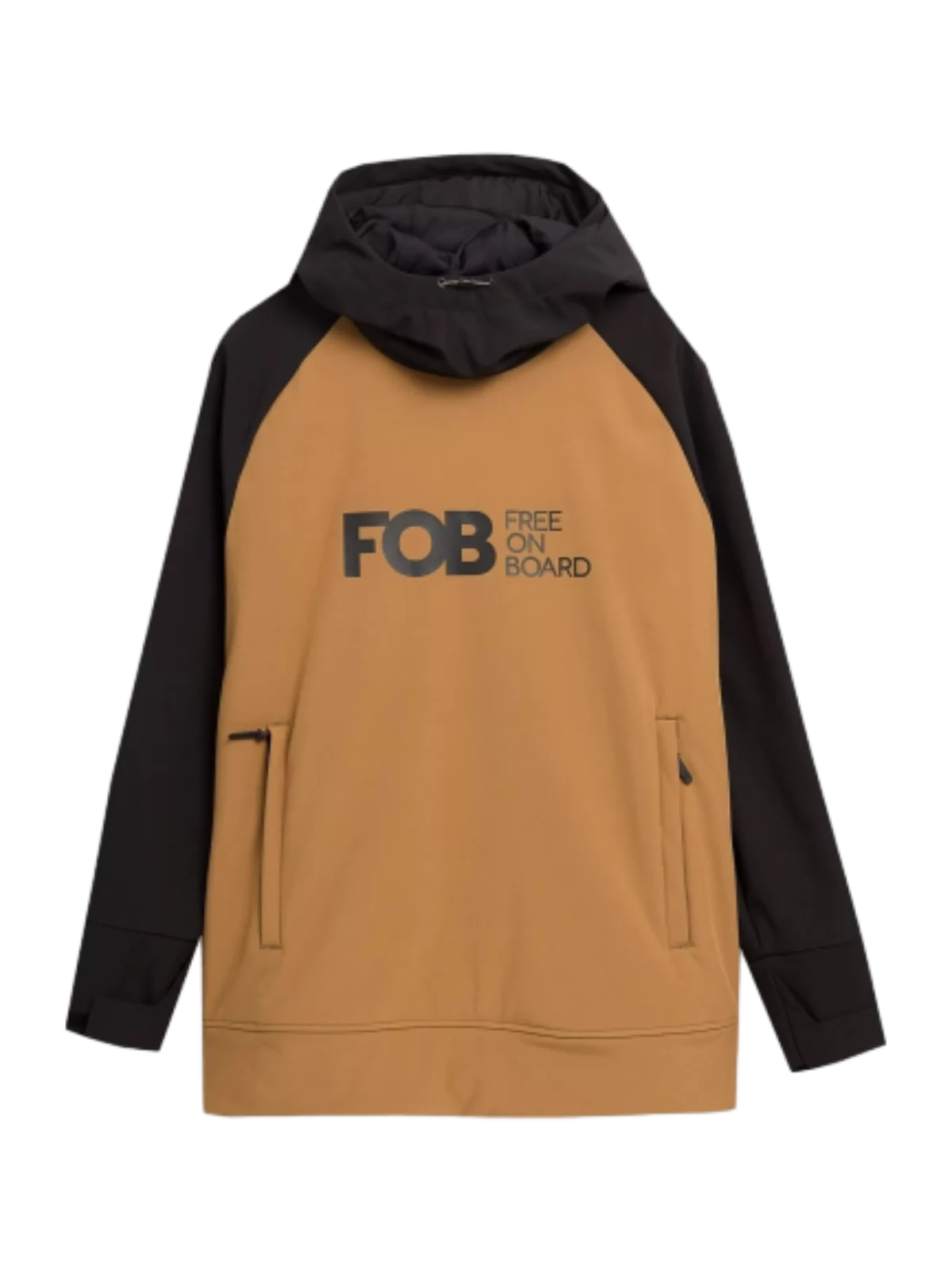
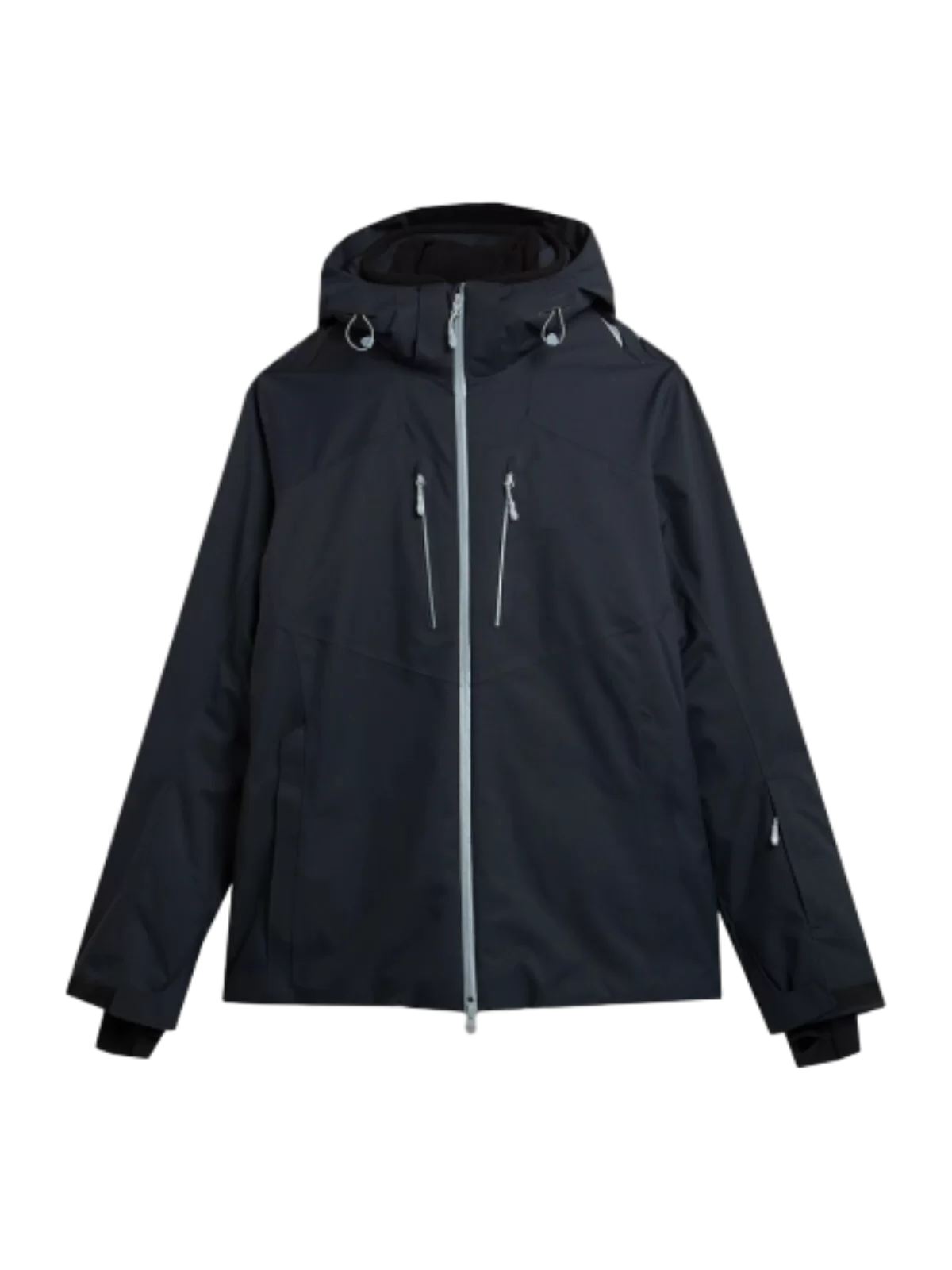
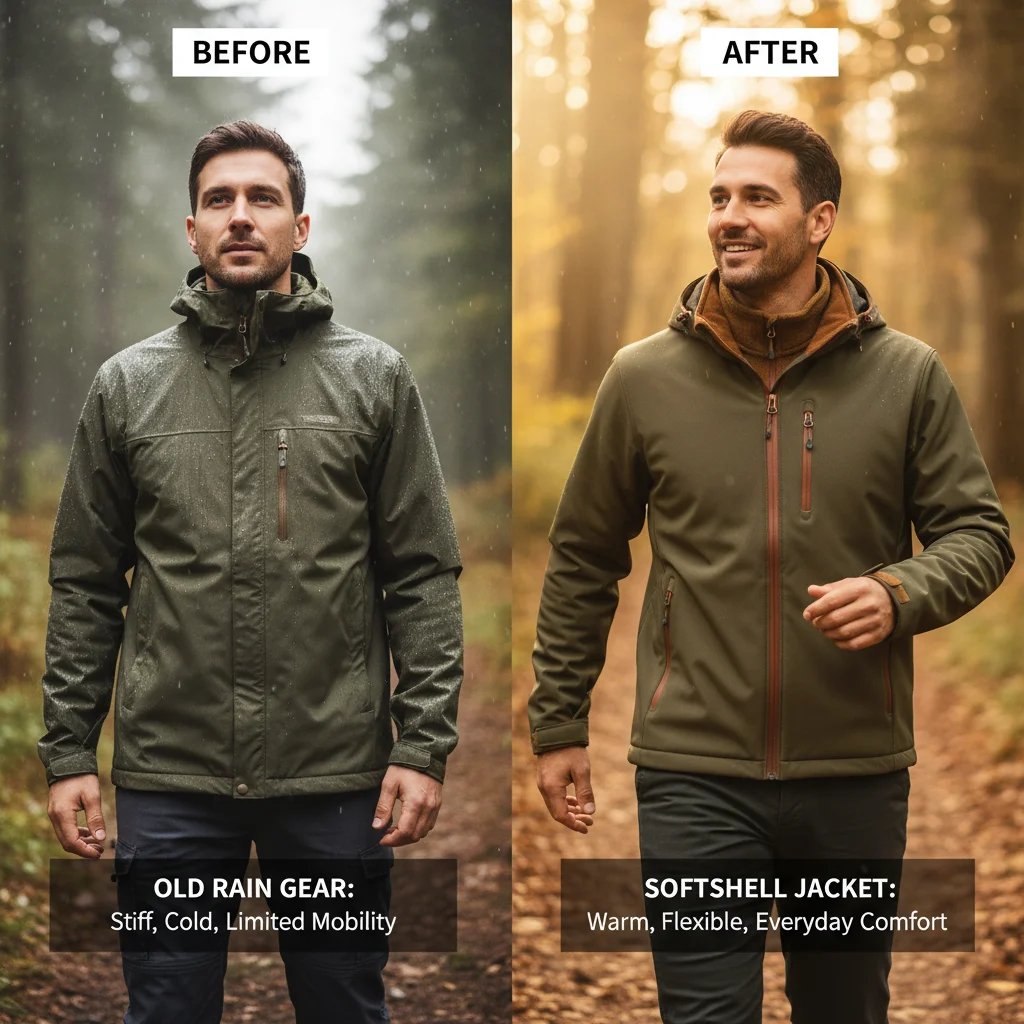
Simply put, a windproof softshell is a type of fabric constructed to block incoming wind while maintaining flexibility and breathability. Unlike traditional hardshell jackets that sacrifice comfort for protection, softshells blend woven materials with membranes or coatings that stop wind without trapping sweat. Think of it as clothing engineered with micro-barriers, merging weather resistance and mobility.
In practical terms, these softshells are making waves far beyond weekend hikers. They're essential in fields that demand quick adaptability—whether for humanitarian missions in icy conditions or industrial workers on exposed sites.
Windproof softshells often combine nylon or polyester with a specialized polyurethane (PU) membrane or a DWR (Durable Water Repellent) finish. This combo creates a tight yet stretchy layer against wind penetration.
One of the core technical challenges is letting moisture escape while blocking wind. High breathability ratings (measured in grams per square meter per day) ensure you don’t feel clammy during activity.
The weave and fabric weight impact abrasion resistance. For example, a softshell designed for forestry workers might have reinforced panels, whereas one for urban commuters focuses on flexibility.
While softshells aren’t fully waterproof, many come with a DWR coating that repels light rain, adding versatility in mixed weather.
Elasticity and ergonomic cuts allow greater freedom of movement, crucial for tasks requiring agility.
Lightweight softshells pack down easily, making them favorites for travelers and field workers alike.
Mini takeaway: The magic of windproof softshells lies in balancing protection, comfort, and durability—making them a smart all-rounder for many outdoor scenarios.
It’s not just outdoor enthusiasts enjoying these garments. In Scandinavia, for instance, forestry workers use windproof softshells to stay safe in freezing winds without overheating. In the humanitarian sector, NGOs rely on windproof softshell jackets during winter relief operations in Eastern Europe and Central Asia. These garments support mobility and protection when every minute counts.
Even some industrial sectors—think wind turbine maintenance teams or offshore oil rigs—choose softshell garments to guard against relentless gusts. Oddly enough, in urban spaces, courier and delivery workers favor these jackets for their adaptability to changing street-level winds.
Emotionally, wearing something that shields you effectively from biting winds — while letting your body breathe — enhances confidence. It’s about dignity as much as protection.
On the horizon, expect to see windproof softshell fabrics integrating nanotechnology for even lighter and smarter membrane layers. Biodegradable coatings and more efficient recycling processes will answer environmental calls made louder by global agreements like the Paris Accord.
Digital textile printing allows for customized designs on-demand, reducing waste. Meanwhile, automation in manufacturing improves consistency and lowers costs, expanding access globally.
Despite advancements, some limitations linger. True waterproof performance can be inconsistent; softshells are often less protective in heavy rain. Also, balancing breathability with windproof ratings remains tricky.
Innovators are exploring hybrid garments that combine softshells with hard shells or adding adjustable venting systems. Expert recommendations stress testing garments in real-world conditions before market release—because lab results don’t always translate.
| Specification | Typical Range | Example Feature |
|---|---|---|
| Fabric Composition | 80-95% Nylon/Polyester | 85% Polyester + 15% Spandex |
| Windproof Membrane | Yes, PU or similar | Polyurethane Membrane |
| Breathability | 5,000-10,000 g/m²/24hr | 7,000 g/m²/24hr |
| Water Resistance | DWR coating | Durable Water Repellent Finish |
| Weight | 300-500 grams | 450 grams (Men’s Medium) |
| Stretch | Moderate (10-20%) | 15% Four-way Stretch |
| Vendor | Primary Focus | Eco-Friendly | Customization Options | Price Range |
|---|---|---|---|---|
| Atlas Gear | Industrial & Outdoor Workwear | Yes, recycled fabrics | Logo & Fits | $$$ |
| Summit Sports | High-Performance Trekking Apparel | Limited | Color & Design | $$ |
| EcoCloth | Sustainable Urban Wear | Strong (100% recycled) | Custom prints, patches | $$$ |
Windproof softshells aren’t just about blocking the wind — they embody a fusion of comfort, technology, and adaptability that resonates across industries and lifestyles. As environmental unpredictability increases, this kind of versatile protection becomes all the more critical. Plus, with ongoing innovation in sustainable materials and smart fabric engineering, the future looks promising.
For those in the market to upgrade or outfit teams, diving deeper into the options—and maybe trying out a few vendors—is a good move. You can’t go wrong checking out the latest from windproof softshell experts online.
Mini takeaway: Choosing the right windproof softshell merges safety, economy, and a bit of style — a trio that rarely goes out of fashion.


If you are interested in our products, you can choose to leave your information here, and we will be in touch with you shortly.