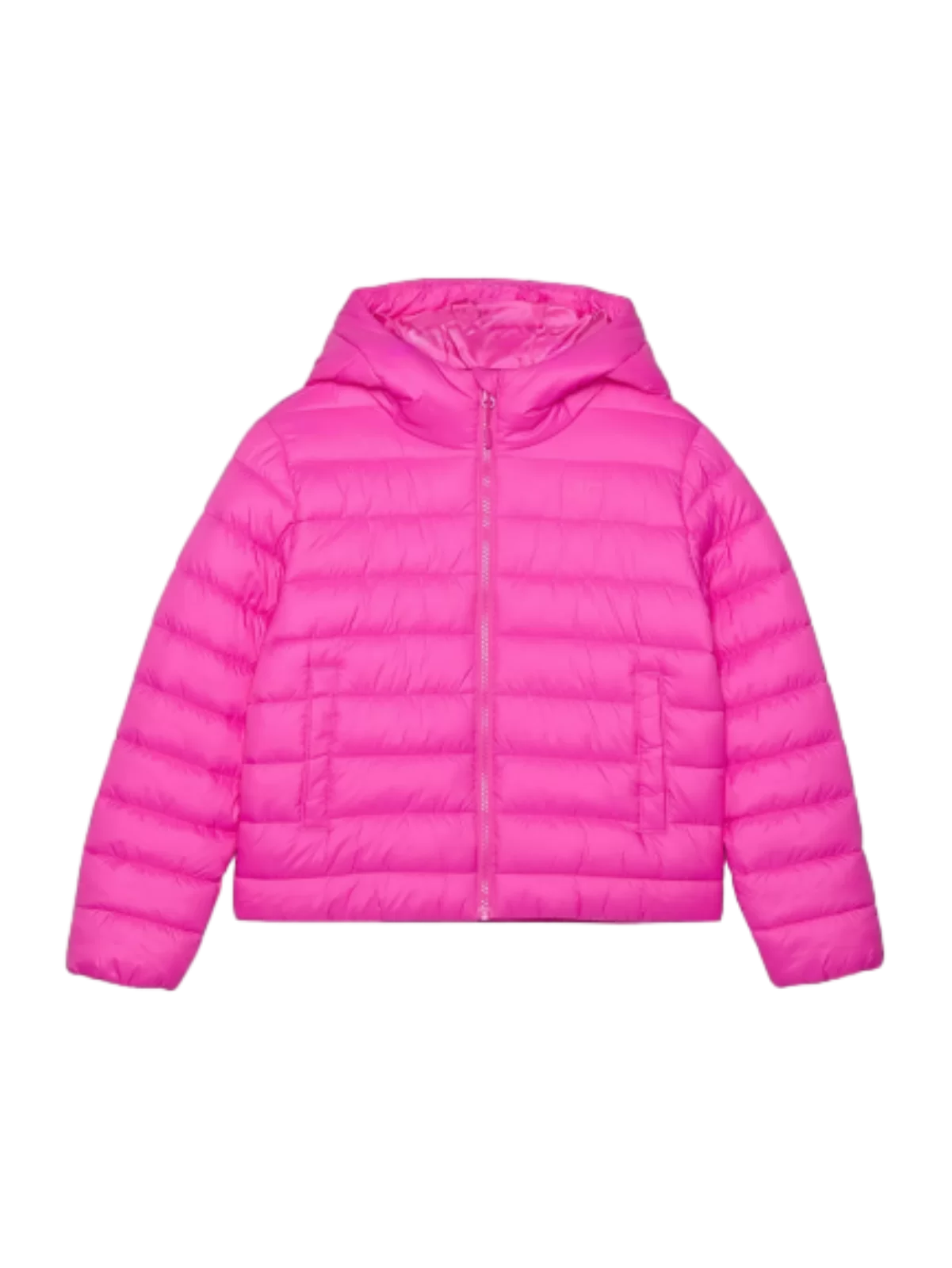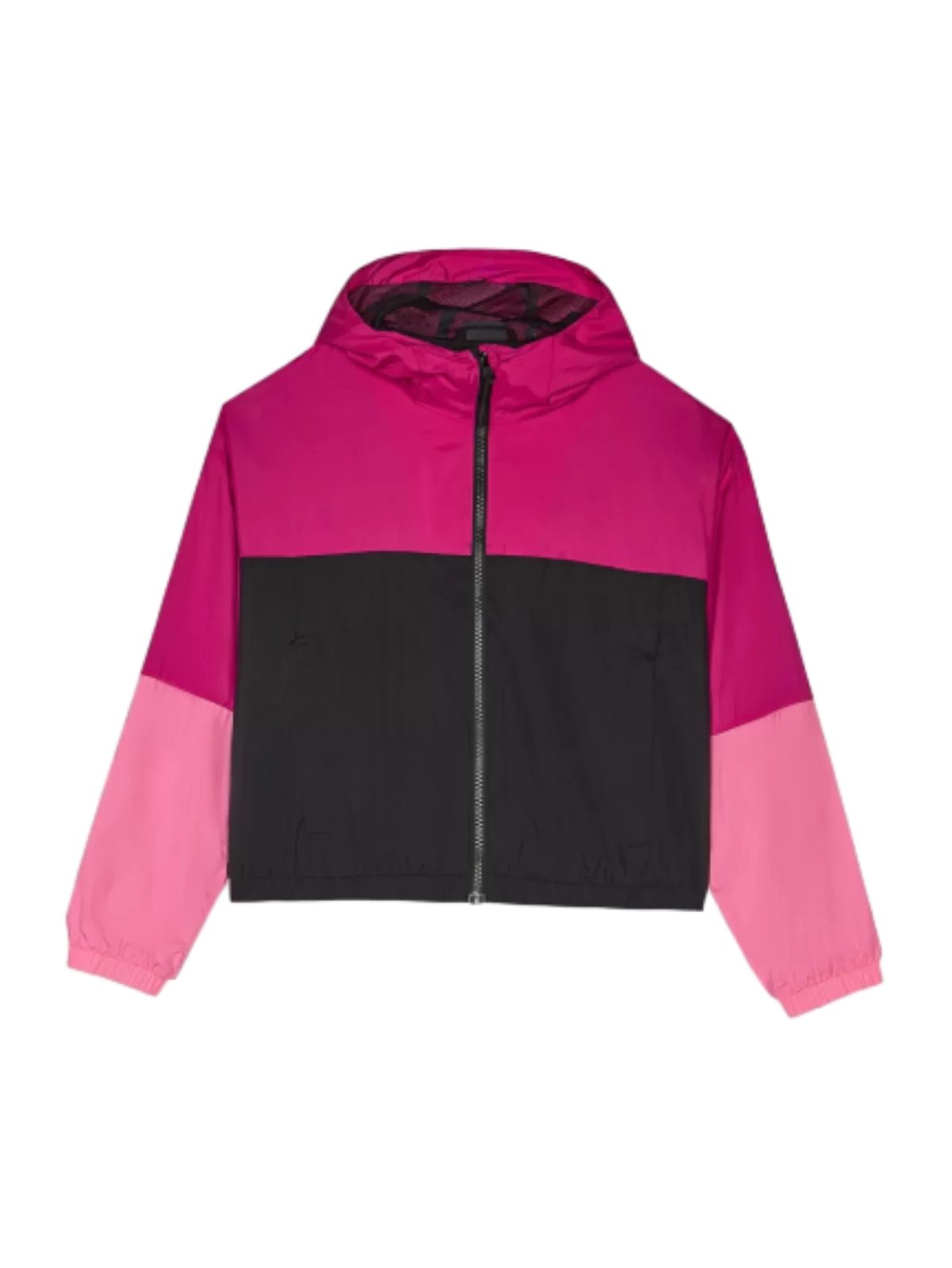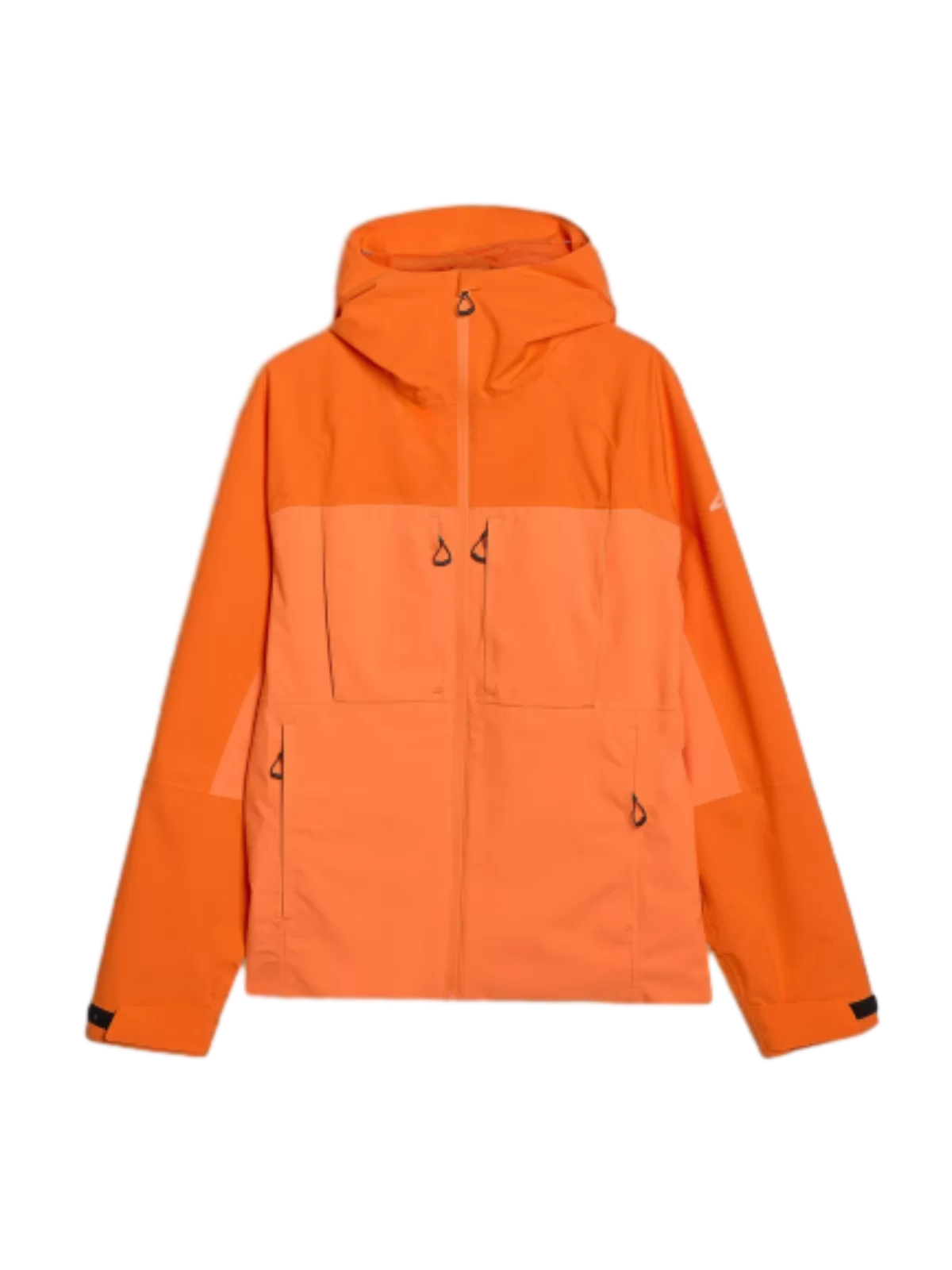
So, you might be wondering: what’s all the fuss about a water repellent softshell jacket these days? It’s not just another technical buzzword floating in outdoor gear circles. Globally, water repellent clothing has become key in tackling unpredictable weather and environmental challenges — and the softshell jacket is at the heart of that movement.
Compact, breathable, and built to shrug off light to moderate rain, these jackets are not only for weekend hikers. In fields like disaster relief, industrial work, and everyday urban commuting, they provide flexible protection without the bulk or discomfort of traditional rainwear. As the world leans heavily on adaptable, sustainable, and multifunctional apparel, understanding the water repellent softshell jacket’s ins and outs is worth your time.
Here’s an eye-opener: according to the UN World Meteorological Organization, extreme weather events have nearly doubled in the last 40 years. That means people in all sorts of regions — from temperate cities to mountainous rural zones — face unexpected squalls that can really mess up plans or even safety.
Enter the water repellent softshell jacket. It’s optimized for moisture resistance while still maintaining breathability and comfort. In sectors like forestry, renewable energy production, and humanitarian aid, workers often confront wet, windy, challenging environments that demand gear capable of handling a bit of everything.
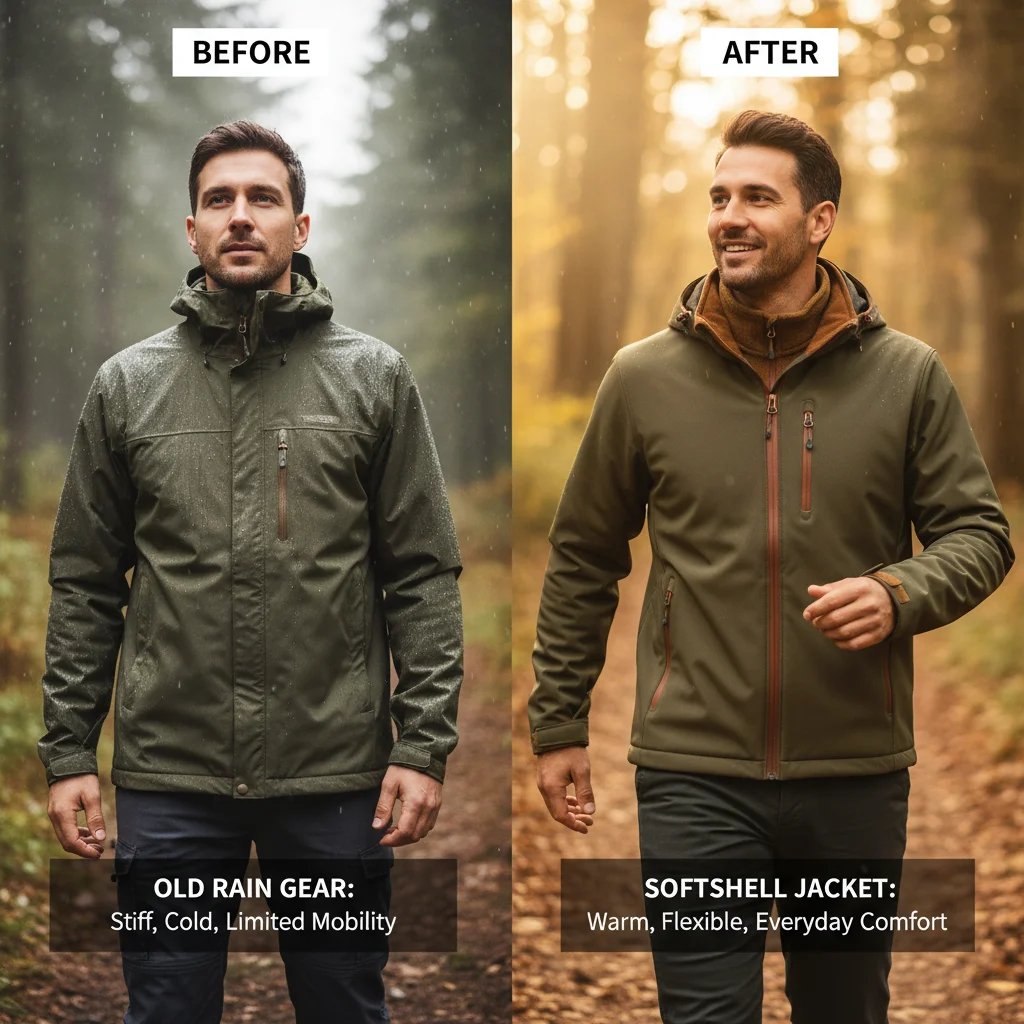
However, traditional waterproof gear isn’t always a perfect solution — those heavy-duty coatings tend to trap heat and sweat, making them uncomfortable for prolonged wear. Softshell jackets strike a balance by repelling water naturally and through treatment while remaining highly flexible and lightweight.
Simply put, a water repellent softshell jacket is a mid-layer garment constructed from woven synthetic fabrics, usually polyester or nylon blends, treated with durable water-repellent (DWR) finishes. It lets light rain beads roll off, but it’s not fully waterproof like hardshell jackets.
Think of it as your favorite jacket that breathes when you're hiking but also keeps you dry enough to avoid the annoying drip. The “softshell” part means the fabric has a soft, flexible texture — unlike stiff, crinkly waterproof gear. That makes it better suited for active use where mobility and comfort matter.
Industrially, these jackets are invaluable because they meet a sweet spot: enough protection to stay dry during sudden drizzles, and enough ventilation so that wearers don’t overheat during physically demanding tasks.
This chemical treatment sits on the fabric surface, making water bead up and roll off instead of seeping in. Many manufacturers are moving toward eco-friendly, PFC-free DWR coatings to reduce environmental damage.
Unlike plasticized raincoats that trap heat, softshell jackets use woven textiles allowing moisture vapor to escape. This is crucial in active scenarios—imagine sweating while climbing in a soggy jacket. Not pleasant.
Elastane blends or kite-woven panels enhance mobility. For climbers and field technicians, this means more freedom to bend and reach without the jacket restricting movement.
Softshells typically serve as a shell layer but pair well with base layers or fleeces for warmth. Their moderate weather protection means you can adapt layering strategies depending on how chill or wet it gets.
When you need to stash it quickly during sunny spells or toss it in a bag, softshell jackets aren’t cumbersome. This portability is a key feature in urban or expedition settings.
A water repellent softshell jacket balances weather defense, breathability, and flexibility in a neat package. These core aspects make it indispensable for multitasking in unpredictable outdoor and industrial environments.
If you think it’s just about hiking, think again. Across Asia’s burgeoning manufacturing hubs or Europe’s ever-changing climates, these jackets are becoming standard uniforms for workers stepping outside in constantly shifting conditions.
An interesting note — some South American mountaineering groups now require softshells treated with the latest eco-friendly DWR coatings as part of their standard safety kit.
| Feature | Specification |
|---|---|
| Material | Polyester/Elastane blend |
| DWR Treatment | PFC-free Durable Water Repellent |
| Weight | ~350 grams (Medium size) |
| Breathability | 10,000 g/m²/24h MVTR rating |
| Wind Resistance | Moderate |
| Packability | Fits into small pouch (20x15cm) |
From an economic standpoint, these jackets save money by reducing the need for multiple gear types. You don’t have to carry a bulky raincoat, warm fleece, and windbreaker separately. Durability plays a role here too—high-quality water repellent finishes extend garment life, which means fewer replacements.
Psychologically speaking, these jackets offer peace of mind. Whether you’re working beyond the factory floor or trekking to a far-off aid camp, knowing you're shielded from dampness without suffocating heat feels freeing. And in a climate-conscious market, using PFC-free DWR confirms ethical consumerism, appealing to brands and users alike.
| Brand | Water Repellency | Breathability | Eco-friendliness | Price Range |
|---|---|---|---|---|
| OutdoorFlex | High (PFC-free DWR) | Excellent (15,000 g/m²/24h) | 100% recycled fabrics | $150 - $190 |
| TrailGuard | Moderate | Good (10,000 g/m²/24h) | Partially recycled materials | $120 - $160 |
| UrbanShield | High | Moderate (8,000 g/m²/24h) | Chemical-free DWR | $140 - $180 |
The future of water repellent softshell jackets is kind of exciting. Manufacturers are increasingly adopting bio-based DWR treatments derived from plant sources — reducing environmental footprints even further. Some are experimenting with nanotechnology-infused coatings offering superhydrophobicity without sacrificing breathability.
Digitally connected gear is also coming into play — imagine your jacket subtly adjusting its venting or warmth based on GPS location and local weather feeds. Sounds like sci-fi? Not anymore.
With rising awareness around sustainability, jumper brands that integrate recycled and biodegradable fabrics will increasingly capture market share. Plus, we’re seeing more modular designs so users can adapt jackets to their unique needs — adding insulation or turning off water repellency when not needed.
Of course, there are hurdles. True waterproofing often beats water repellency in heavy downpours, and softshell jackets sometimes fall short there. It’s a trade-off: softshell comfort versus hard shell protection. Plus, the durability of DWR can diminish with wear and washing, requiring maintenance or re-treatment.
Innovators are tackling this with tougher coatings, machine-washable treatments, and user-friendly care kits. A few manufacturers are educating buyers on garment care, which makes a surprising difference in lifespan—and that’s often overlooked.
In a world where weather unpredictability and environmental concerns are ever-present, the water repellent softshell jacket stands out as a versatile, sustainable, and comfortable solution. Whether you’re trekking remote trails, working in industrial zones, or just navigating city rain, this tech-savvy apparel keeps you dry, mobile, and confident.
If you’re curious to explore the latest and greatest in water repellent technology, feel free to take a look at our curated selection — including the water repellent softshell jacket models designed for all kinds of adventures.

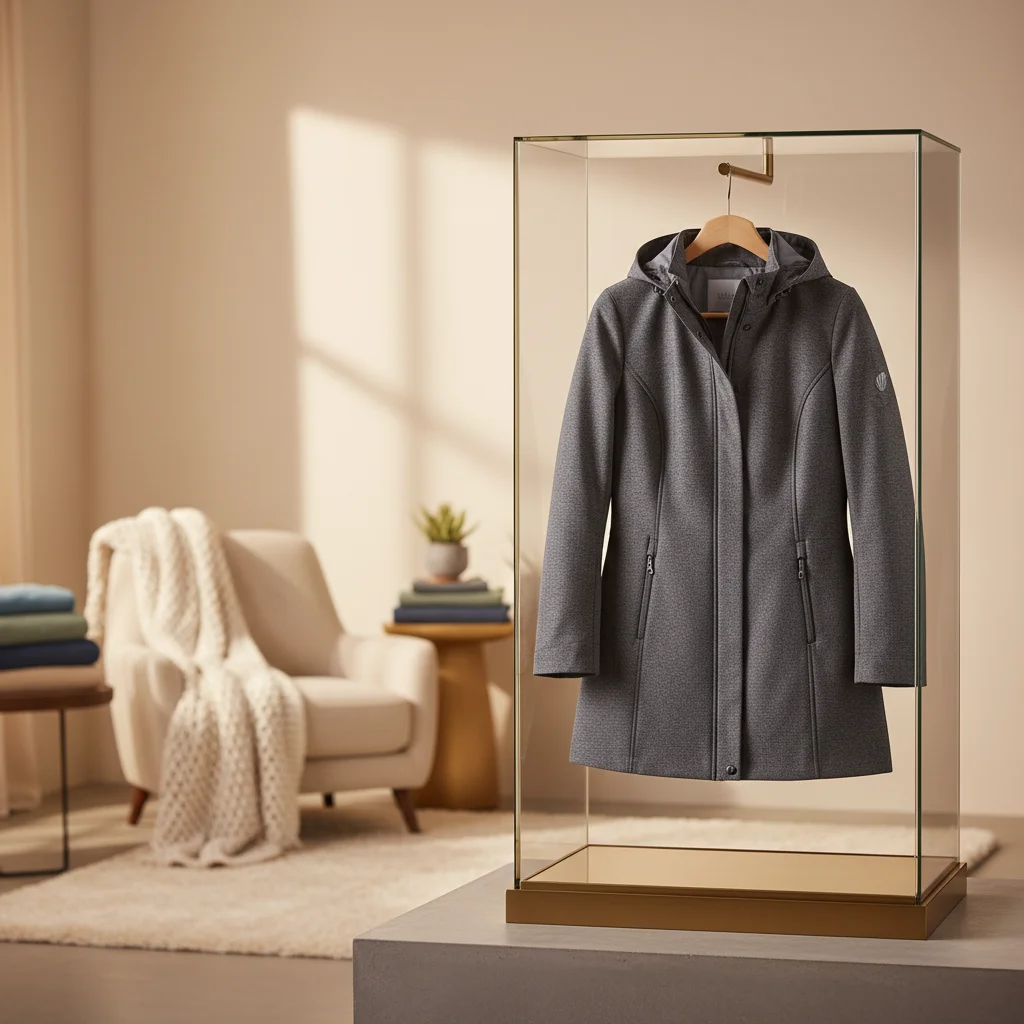

If you are interested in our products, you can choose to leave your information here, and we will be in touch with you shortly.