When you hear “orange softshell jacket,” you might picture a bright, sporty outer layer catching your eye on a hiking trail or construction site. But this seemingly simple garment actually carries quite the global significance. It’s geared towards safety, comfort, and performance, especially in environments where visibility and weather resistance matter — from emergency responders to outdoor enthusiasts worldwide.
Understanding this product isn't just about fashion or gear though; it’s about how materials, design, and practical use intersect to solve real problems. Think: better protection from harsh elements during extreme situations, enhanced visibility to save lives, and a lasting piece of gear that’s a bit of a workhorse.
Why does the orange softshell jacket matter globally? Well, safety standards in industries worldwide — construction, forestry, emergency services — often require high-visibility clothing, and the International Organization for Standardization (ISO 20471) sets strict guidelines on that. According to labor health studies from the International Labour Organization (ILO), workplace accidents drop notably when workers wear appropriate high-vis gear.
And with extreme weather events becoming more frequent due to climate change (see UNEP reports), reliable outerwear like softshell jackets that can withstand windy, wet, and cold environments without bulk are increasingly needed. A bright orange hue adds a safety layer that’s hard to beat in low-visibility settings.
Yet, many jackets miss the mark balancing comfort, durability, and visibility, especially in the field. That’s precisely where the orange softshell jacket comes into play.
So what exactly is an orange softshell jacket? Simply put: it’s a flexible, breathable, and wind-resistant outer layer made from woven polyester or nylon blended with elastane for stretch. Unlike heavy hard-shells or bulky insulated parkas, softshells offer a smart mid-layer or outer shell option that’s water-resistant (not waterproof), meaning storm-like downpours might overwhelm it but it handles mist and drizzle well.
The bright orange color is usually deliberate — for high visibility compliance and a safety boost. Industries rely on them as essential gear, but nowadays hikers and adventurers prefer them for their lightweight protection and easy packability too. You could almost say they’ve become a versatile icon bridging workwear demands and casual outdoor needs.
These jackets withstand abrasion, tears, and repeated washes without losing function. Manufacturers often reinforce stress areas like elbows and shoulders with denser fabrics.
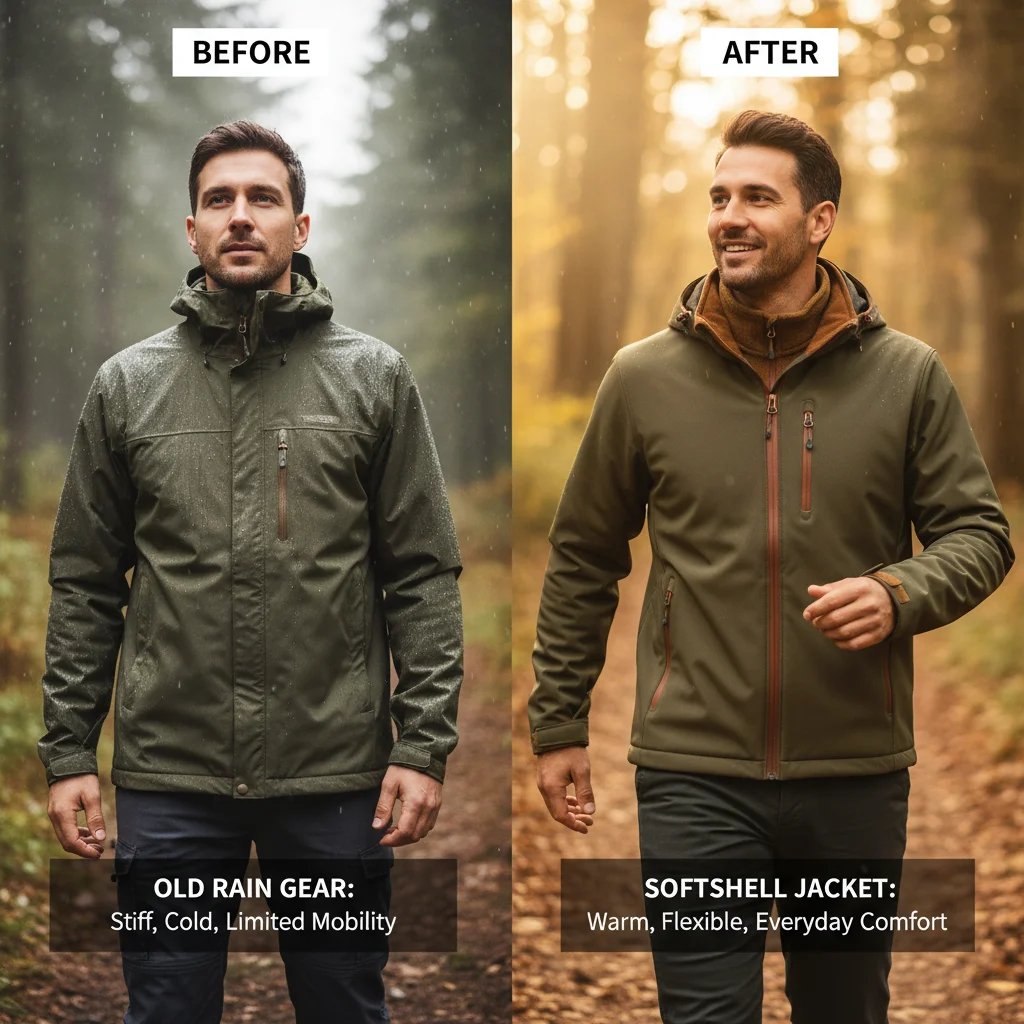
Thanks to softshell’s technical weave, moisture vapor escapes while wind and light rain stay out — key for all-day wear during hard physical activity.
Usually coated with durable water repellent (DWR), these jackets resist wetting but aren’t suited for prolonged heavy rain. Still, many users prefer softshell to heavy waterproof jackets to avoid overheating.
The bright orange color, often combined with reflective strips, dramatically improves visibility in fog, dusk, or emergency situations — potentially life-saving in hazardous zones.
Lightweight with adjustable cuffs, multiple pockets, and sometimes a hood, these jackets suit varying environments and allow layering.
For example, during recent flood relief operations in Southeast Asia, teams outfitted with orange softshell jackets reported better mobility and higher visibility in slippery, wet environments than when using bulkier rain jackets.
Economically, investing in quality orange softshell jackets reduces replacement frequency and improves worker attendance and safety. Emotionally, it gives users confidence in tough conditions — a quiet trust that their gear won’t let them down when it counts. Socially, it signals professionalism and care from employers or organizations.
Sustainability-wise, many brands now use recycled fabrics or environmentally friendly DWR coatings, matching growing global standards for responsible manufacturing (ISO 14001). So it’s not just about immediate protection but also thinking ahead beyond the jacket’s lifespan.
Look forward and you’ll see advances like integrating photovoltaic threads to power small devices, smart textiles adjusting breathability automatically, and recycled ocean plastics forming the base materials. Digital transformation is nudging manufacturers towards personalized sizing via 3D scanning, reducing wastage.
Policies on worker health and environmental compliance continue pushing improvements, making the orange softshell jacket a small but important component of modern protective gear.
Not all softshells are created equal. Some users complain about insufficient rain protection or breathability under intense exertion. Addressing this requires careful layering strategies and material innovation — for example, introducing nano-coatings or tri-layer composites.
Moreover, balancing cost with eco-friendly materials remains tricky for vendors, causing variable market quality. But industry experts suggest economies of scale paired with partnerships to improve accessibility.
| Feature | Spec | Details |
|---|---|---|
| Material | Polyester/Spandex blend | Stretch fabric with DWR coating |
| Water Resistance | DWR treated (not waterproof) | Repels light rain and moisture |
| Visibility | Fluorescent Orange | ISO 20471 compliance with reflective trims |
| Breathability | 8,000 g/m²/24h (approx) | Allows moisture vapor escape |
| Weight | 500 g (medium size) | Lightweight for layering |
| Additional Features | Adjustable cuffs, zippered pockets | Practical design for field use |
| Brand | Price Range | Material Quality | Eco Credentials | Key Features |
|---|---|---|---|---|
| Alpine Gear Co. | $120 - $160 | High-density softshell with DWR | Partial recycled polyester | Reflective stripes, adjustable cuffs |
| Foresta Pro | $150 - $190 | Lightweight stretch blend | Fully bluesign® certified | Hooded design, water-resistant |
| UrbanSafety™ | $95 - $130 | Durable poly/spandex mix | Limited recycled content | Heavy reflective tape, lightweight |
So, whether you’re gearing up for a tough workday or an adventurous trek, an orange softshell jacket can be your trusted companion. It strikes a balance between comfort, safety, and practicality in an increasingly demanding world.
The humble orange softshell jacket is more than just bright color and soft fabric. It's a synthesis of science, safety standards, and smart design. No doubt, it plays a vital role in industries and recreations around the world, protecting users while adapting to various conditions with surprising finesse.
Want to experience this perfect blend of durability and style yourself? Take a look at our selection and gear up for whatever comes your way. Visit our website today!

If you are interested in our products, you can choose to leave your information here, and we will be in touch with you shortly.