The insulated softshell jacket: a bit of gear that’s quietly transforming how we stay warm, dry, and comfortable outdoors — whether hiking in Alaska, working in remote industrial sites, or gearing up for a chilly commute downtown. Why should this lightweight, weather-resistant apparel catch your eye? Globally, as outdoor activities and cold-weather work grow, having reliable, adaptable clothing like an insulated softshell jacket isn’t just a convenience but often a safety matter.
With climate extremes becoming more common worldwide, and industries pushing into harsher environments, understanding the benefits and design of insulated softshell jackets helps both consumers and businesses make smarter choices. Frankly, these jackets bridge performance, comfort, and sustainability in ways many haven’t yet appreciated fully — which we’ll explore here.
Did you know the global outdoor apparel market is expected to surpass $18 billion by 2028 with a compound annual growth rate near 7%? (Source: Statista) That’s a crowded marketplace where innovation truly counts. Insulated softshell jackets, thanks to advances in fabric tech and thermal design, stand out by offering versatile insulation without the bulk of traditional coats.
Industries from forestry in Canada to construction in Scandinavia rely on these jackets not only for warmth but for durability and breathability in extreme conditions. Plus, humanitarian operations—whether refugees in cold zones or disaster relief workers—use insulated softshell jackets as cost-effective gear that balances protection and mobility.
Mini takeaway: The insulated softshell jacket is taking on new importance amid climate challenges, economic shifts, and rising outdoor activity worldwide.
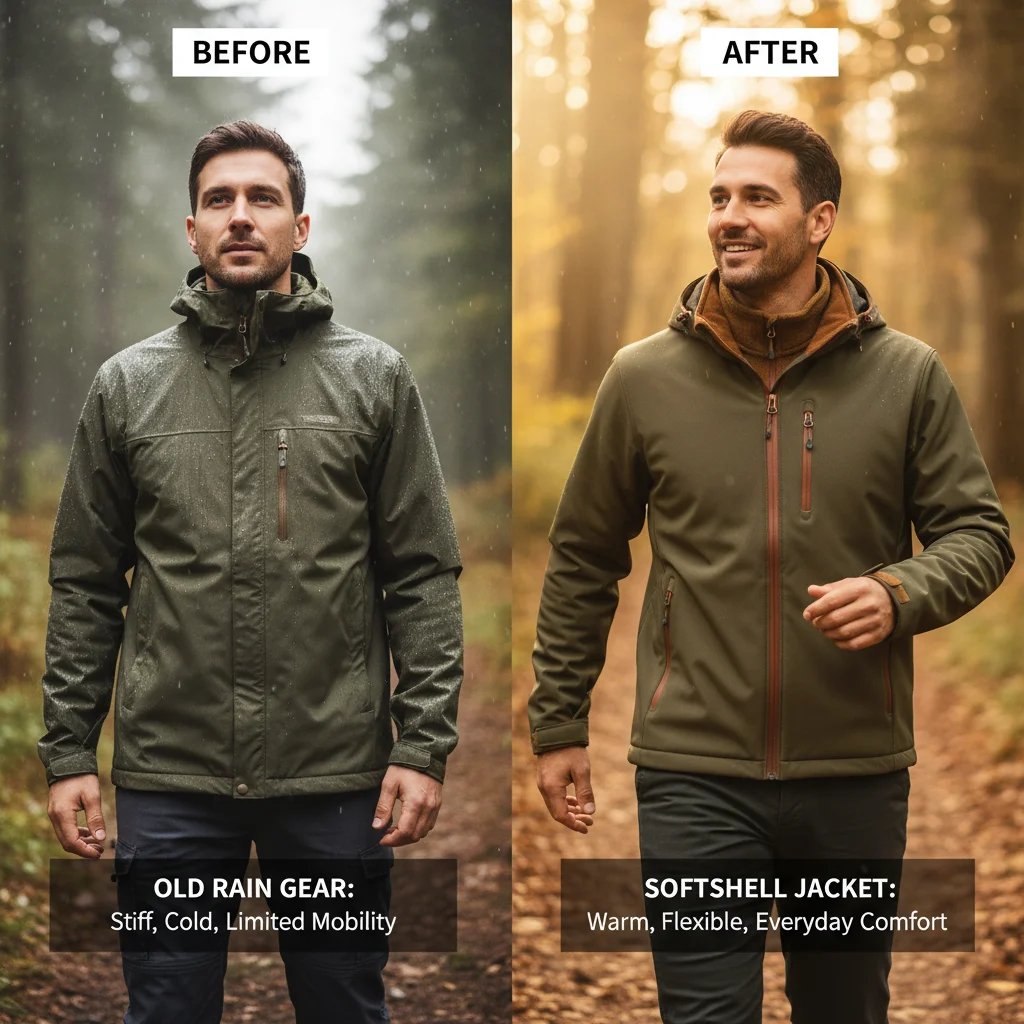
In the simplest terms, an insulated softshell jacket is a layered garment designed to offer soft, stretchy, and breathable protection from wind and light rain, while an internal insulation layer retains heat. Unlike hard-shell jackets with a rigid outer layer, softshells flex with your movement and aren’t just weather shields — they adapt to your activity level.
Essentially, the insulation component can range from synthetic fibers like polyester fleece to eco-friendly down replacements, combining warmth with moisture management. This makes the jacket indispensable not only for outdoor enthusiasts but increasingly for urban workers needing dependable weather protection without the weight.
Softshell fabrics are often woven with durable nylon or polyester blends that resist abrasions and snags. This means your jacket can handle brushy trails or job sites without losing integrity. Many manufacturers enhance this by adding water-repellent coatings that maintain breathability.
Unlike bulky winter coats, insulated softshell jackets keep moisture and sweat moving out, preventing the clammy feeling that ruins outdoor fun. This is thanks to materials engineered for air permeability while keeping the wind at bay.
You’ll find everything from PrimaLoft® synthetic fills to Polartec® fleeces inside these jackets. The idea is warmth-to-weight efficiency, so you stay warm but don’t overheat or lug around unnecessary bulk.
Softshells aren’t fully waterproof but repel light rain and snow, making them perfect for variable climates where you want quick-dry gear that won’t weigh you down.
Because these jackets often use materials with stretch properties, they provide full range of motion, essential for climbing, working with tools, or just walking briskly downtown.
| Feature | Description |
|---|---|
| Outer fabric | Stretch nylon/polyester with DWR finish |
| Insulation | Synthetic PrimaLoft® Gold insulation |
| Water resistance | Repels light rain & snow |
| Breathability | High MVTR (Moisture Vapor Transmission Rate) |
| Weight | Approx. 400 grams (size M) |
| Fit | Athletic, articulated sleeves |
The humble insulated softshell jacket finds its place everywhere cold weather and outdoor activity collide. In the Alps, alpine guides depend on them to balance warmth with breathable flexibility on windy mountain slopes. Over in the Pacific Northwest forests, loggers and rangers rely on these jackets’ durability combined with water repellency.
Post-disaster relief efforts in northern Europe and Canada often supply these jackets to volunteers working in harsh winters, because they work well layered and dry fast. Industrial workers in cold storages or energy fields use them daily to stay operational over long shifts — comfort isn’t just convenience; it’s safety.
Mini takeaway: The insulated softshell jacket isn’t just gear; it’s a tool bridging safety, comfort, and practicality across diverse global contexts.
Looking ahead, the future of insulated softshell jackets is tightly linked to innovations in smart textiles and sustainability. For instance, some brands are experimenting with phase-change materials that adjust insulation based on your body temp — sorta like a thermostat in your jacket.
Meanwhile, digital integration—think embedded sensors monitoring climate or health—could soon be standard. On the sustainability front, advances in bio-based insulation and fully recyclable softshell fabrics are underway, potentially reshaping the entire apparel lifecycle.
Challenges remain. For example, softshell jackets sometimes don’t provide enough protection in heavy rain or freezing conditions without layering. Plus, finding the right balance between breathability and water repellency is tricky. But thanks to iterative testing and materials science breakthroughs, companies continually innovate solutions.
Some brands now offer hybrid jackets that integrate waterproof membranes strategically or use modular insulation layers you can add or remove for different weather. Plus, growing user feedback loops help refine fits and fabrics with real-world data, making next-gen jackets smarter and more versatile.
| Vendor | Price Range | Insulation Type | Water Resistance | Sustainability Features |
|---|---|---|---|---|
| Arctic Trail | $150-$220 | Synthetic Fiberfill (PrimaLoft) | DWR Coating | Recycled Polyester Fabric |
| Summit Pro | $180-$250 | Polartec® Fleece | Water-Resistant Softshell | Bluesign® Certified Materials |
| GreenLeaf Outfitters | $140-$210 | Plant-Based Insulation | DWR Finish | 100% Recyclable Components |
So, what’s the bottom line? The insulated softshell jacket is more than just a piece of clothing. It’s a carefully engineered solution addressing real-world challenges of warmth, moisture management, and mobility for both outdoor lovers and workers in demanding environments.
Whether you seek a insulated softshell jacket for weekend trekking or need reliable gear for professional outdoor duties, investing in this versatile apparel can genuinely improve your experience and safety.
Ready to explore your options? Visit our website: https://www.outdoor-apparels.com for top-rated insulated softshell jackets tailored to your needs — because comfort in the cold shouldn’t be complicated.
References:
1. Wikipedia: Softshell Jacket
2. ISO standards for outdoor textiles
3. UN Environment Programme: Sustainability in Textiles


If you are interested in our products, you can choose to leave your information here, and we will be in touch with you shortly.