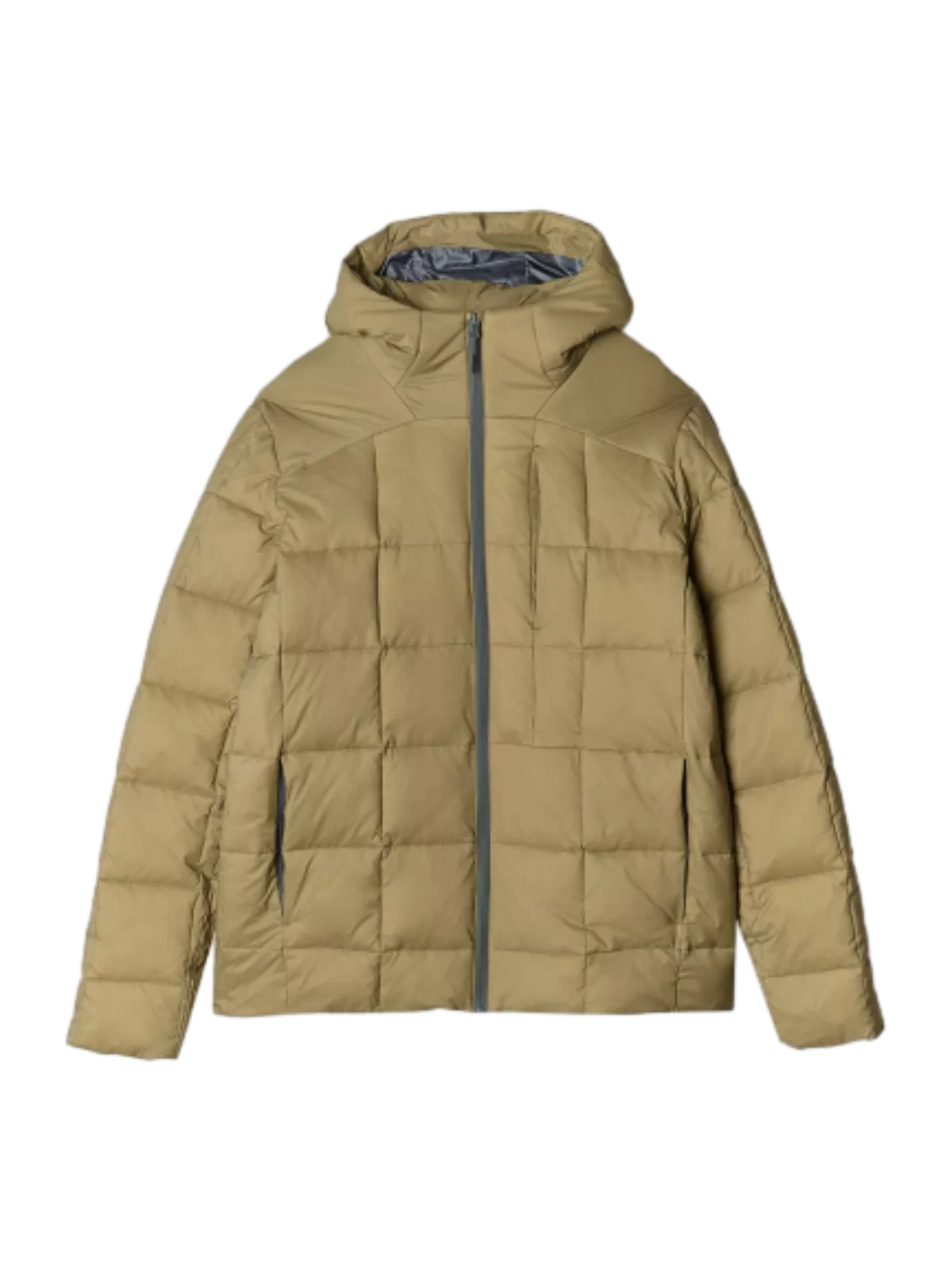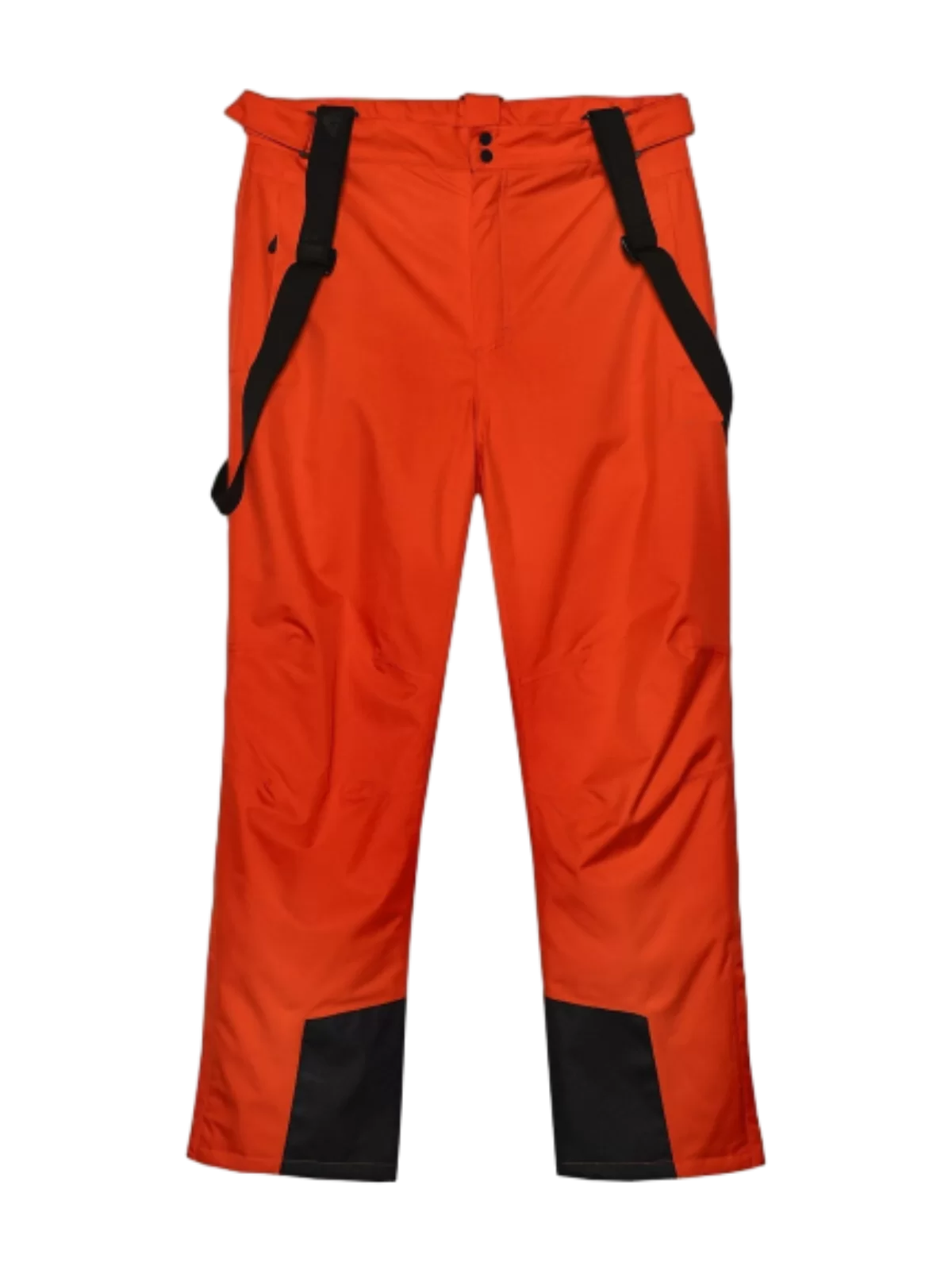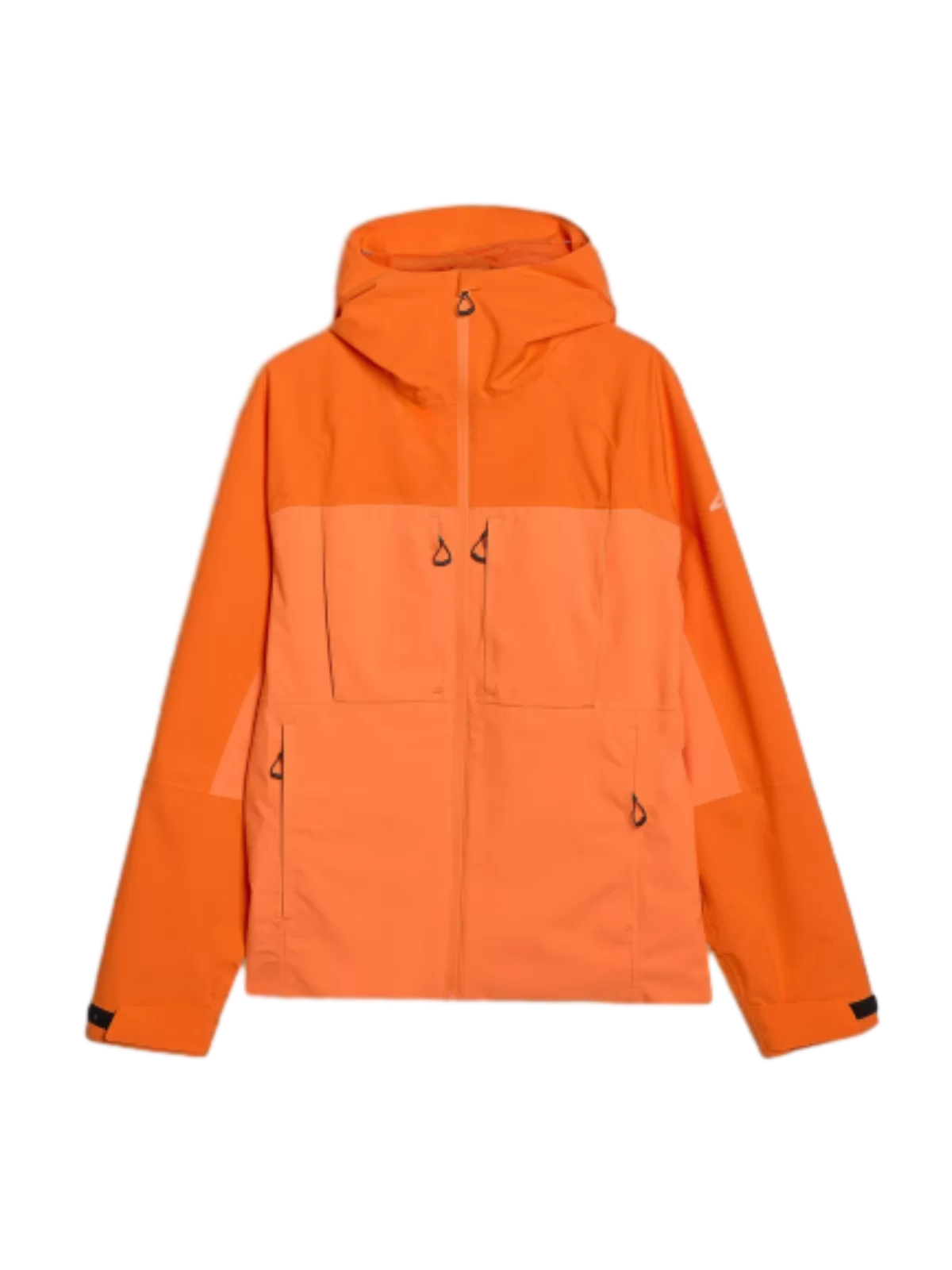
If you've ever zipped up a softshell jacket on a crisp day, you might not have given much thought to the folks behind the scenes crafting that piece — the softshell jacket manufacturers. Yet, these specialists hold a vital place not only in the outdoor apparel industry but in global markets facing ever-changing climate challenges. Why? Because the demand for versatile, durable, and weather-adapted clothing has soared as outdoor activities expand, work environments toughen, and humanitarian relief zones require reliable gear.
In practical terms, knowing who the major players are and what drives the manufacturing process helps consumers, retailers, and NGOs make smarter, sustainable choices. It's not just fashion — it’s a convergence of innovation, environmental awareness, and economic impact on a worldwide scale.
Let's take a step back. According to the World Bank, outdoor clothing markets have grown by nearly 10% annually in many regions since 2018 — that’s partly due to the hike in outdoor recreational activities globally and harsher working conditions in industrial zones. On top of that, the United Nations highlights climate uncertainty pushing emergency responders and relief workers toward dependable outerwear solutions.
Softshell jacket manufacturers face a unique conundrum: how to scale production without compromising quality or sustainability. Environmental regulations under ISO 14001 standards and increasing consumer demands for eco-friendly products are reshaping how these companies operate worldwide. So, it’s not just churning out jackets; it’s about innovation in materials, production processes, and supply chains.
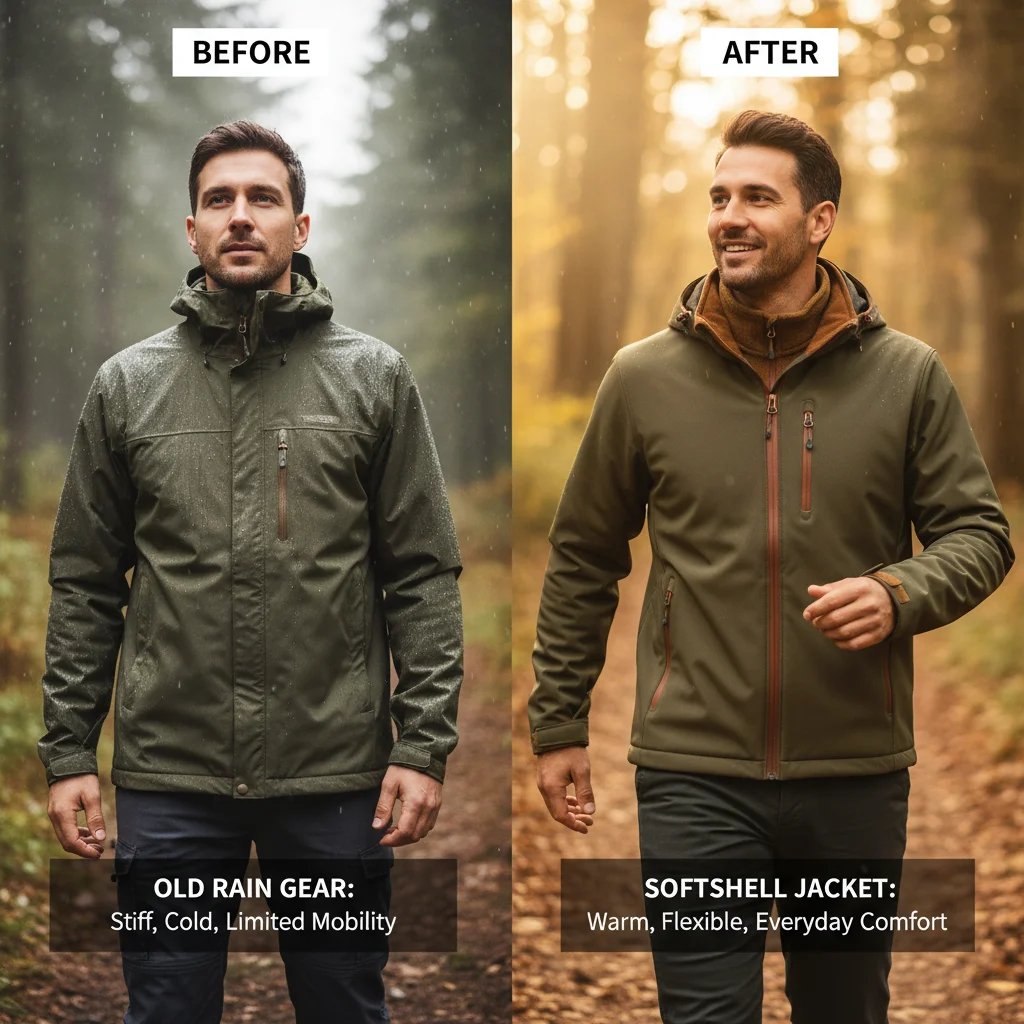
In essence, softshell jacket manufacturers are companies or workshops specializing in designing, sourcing materials, and fabricating softshell jackets — a hybrid between fleece and hardshell jackets optimized for flexibility, breathability, and weather resistance. Unlike traditional heavy winter gear, these jackets strike a balance suitable for high-movement activities, seasonal workwear, and even humanitarian aid missions.
Many manufacturers partner closely with textile innovators to enhance the performance attributes of their jackets. For humanitarian needs, this might mean rapid-production models suited to urgent deployments, while sports-oriented producers stress lightweight, water-repellent designs.
Any seasoned hiker or field worker knows a jacket that wears out after a season is a no-go. This is why manufacturers prioritize abrasion resistance and the softshell’s innate ability to repel water without stiffening under cold conditions. Fabrics often include nylon blends with polyurethane coatings, tested vigorously under ISO 105 standards for colorfastness and wear.
It feels like every year there’s a new ‘green’ material touted as revolutionary. Some brands embrace recycled polyester or blends reducing water and energy use. Leading softshell jacket manufacturers invest heavily in sourcing eco-friendly textiles without sacrificing quality — a tough balancing act but one that pays off in brand trust and longevity.
From large global producers who pump out thousands of units monthly to niche manufacturers crafting bespoke jackets with tailored fits and features, scalability is crucial. In real terms, it means meeting wide-ranging customer demands, whether military, industrial, or retail. Flexibility in design adaptations for different climates or operational needs often sets one manufacturer apart from another.
“Cheap and cheerful” won’t make the cut here — most manufacturers maintain stringent quality controls, employing automated sewing lines alongside human inspectors. Balancing affordable pricing with durability and safety compliance (often under ISO 9001 quality systems) keeps brands competitive.
Many manufacturers now incorporate digital tools in prototyping and supply chain management. CAD software for jacket design and RFID tagging for inventory are just the start. Some even experiment with wearable tech integration — a trend to watch.
From the peaks of the Alps to emergency shelters in disaster zones, these jackets find homes in surprisingly varied contexts. In colder climates like Canada and Northern Europe, softshell jackets are a staple for outdoor workers facing fluctuating weather. Similarly, humanitarian organizations operating in ever-shifting conditions — say, post-flood rescue teams in Southeast Asia — rely on garments that offer both mobility and protection.
Industrial zones in places like Russia and parts of South America also demand rugged outerwear. Even the military has upped its interest, commissioning specialized versions with stealth properties or enhanced thermal regulation.
And of course, the adventure tourism boom has softened the boundary between utility and leisure — many brands design dual-purpose jackets that appeal equally to climbers and city commuters.
Emotionally, a good softshell jacket offers more than just warmth; it’s a promise of safety, independence, and dignity in challenging environments.
| Feature | Specification | Benefit |
|---|---|---|
| Fabric | Nylon-Polyurethane blend | Water-resistant, flexible |
| Weight | 400-600 g (men's medium) | Light enough for active movement |
| Breathability | 8,000–10,000 g/m²/24hrs | Comfortable in varying climates |
| Water Repellency | DWR (Durable Water Repellent) finish | Holds off light rain & snow |
| Thermal Rating | Up to -5°C (with layering) | Suitable for mild to cold weather |
| Manufacturer | Headquarters | Product Range | Sustainability Efforts | Average Lead Time (weeks) |
|---|---|---|---|---|
| AlpineWear Ltd. | Austria | Outdoor, Workwear | Recycled fabrics, Carbon neutral factory | 6-8 |
| SureFlex Apparel | Canada | Industrial, Tactical | Water-saving dye processes | 4-6 |
| TerraShield Garments | USA | Outdoor, Emergency Response | OEKO-TEX certified, Recyclable packaging | 5-7 |
Eco-conscious manufacturing is no longer optional — it’s demanded across the board. Many companies are investing in bio-based polymers and closed-loop fabric recycling. Think about the environmental cost of decades-old fast fashion; this feels like a deliberate, welcome pivot.
Digitization also enters here. Virtual sampling and AI-driven quality inspections reduce waste and speed up design cycles. Plus, automated factories in emerging economies promise cost-cutting but raise questions about labor impact — a tricky balance.
Wearable tech integration is getting buzz too. Imagine a softshell with embedded heating elements or health sensors — not sci-fi anymore, but near future.
Let’s be real. No manufacturing process is perfect. Scaling high-quality softshell jackets without spiking costs is a tightrope walk. Raw material price fluctuations and supply chain disruptions (think pandemics or geopolitics) add a layer of risk.
One solution we’ve seen is a hybrid model: softshell jacket manufacturers partnering with local fabric producers to reduce carbon footprints and support communities simultaneously. Others invest in modular production lines that pivot quickly based on demand.
In sum, the world of softshell jacket manufacturers is rich and evolving. Their work resonates far beyond just making clothes: it’s about offering reliable protection, fostering sustainability, and supporting economies worldwide. If you’re a retailer, an organization, or simply someone gearing up for the next season, keep an eye on the manufacturers who blend innovation with responsibility.
Curious to explore more or find trusted partners? Visit us at https://www.outdoor-apparels.com — your gateway to industry insights and quality apparel.


If you are interested in our products, you can choose to leave your information here, and we will be in touch with you shortly.