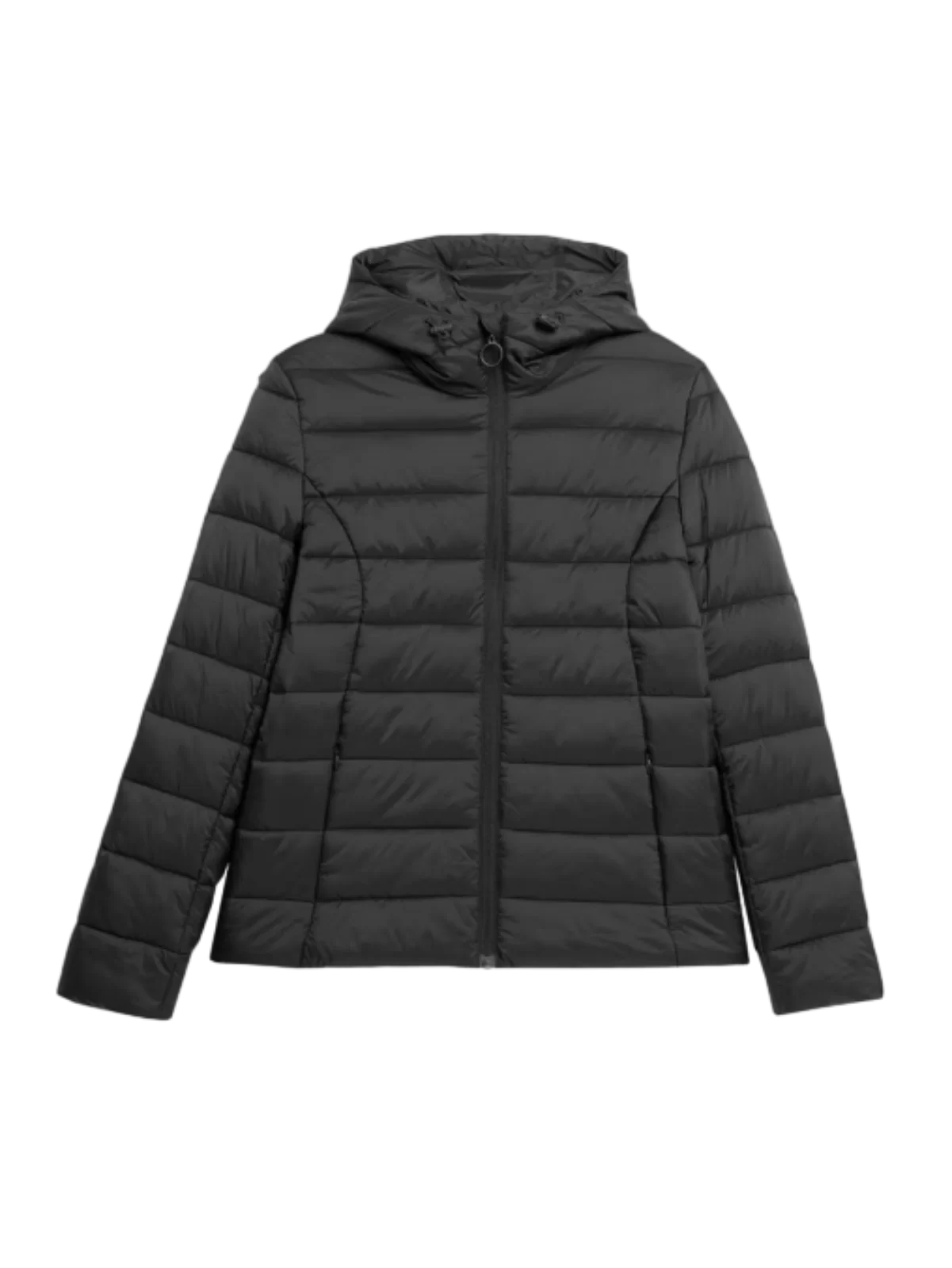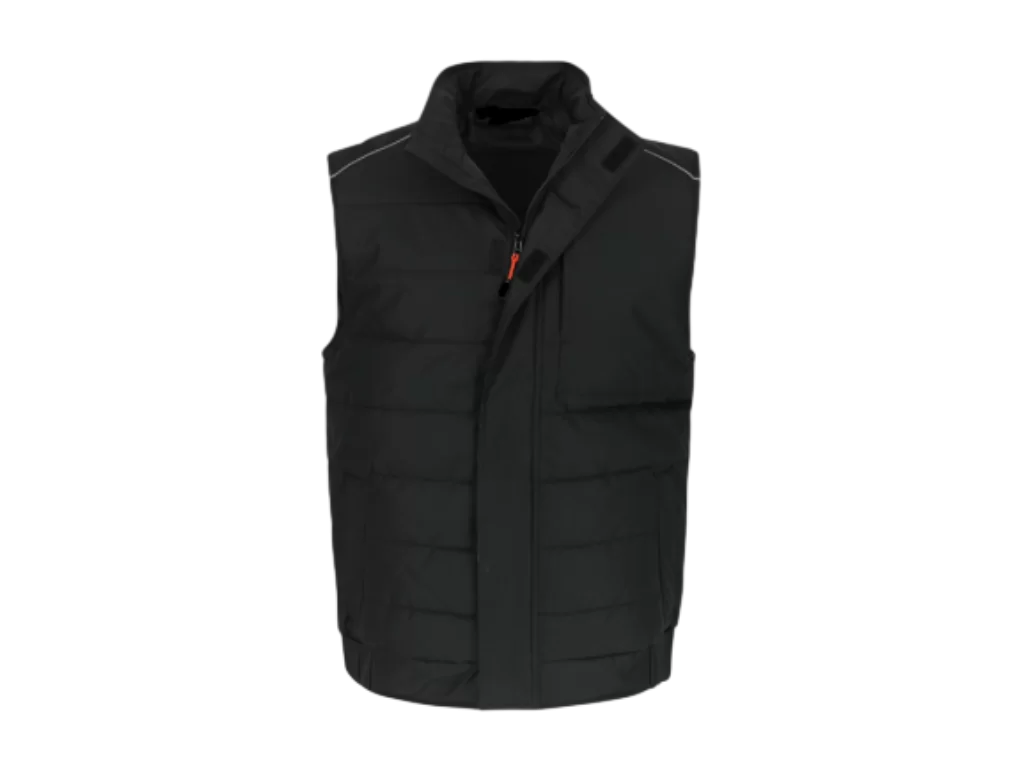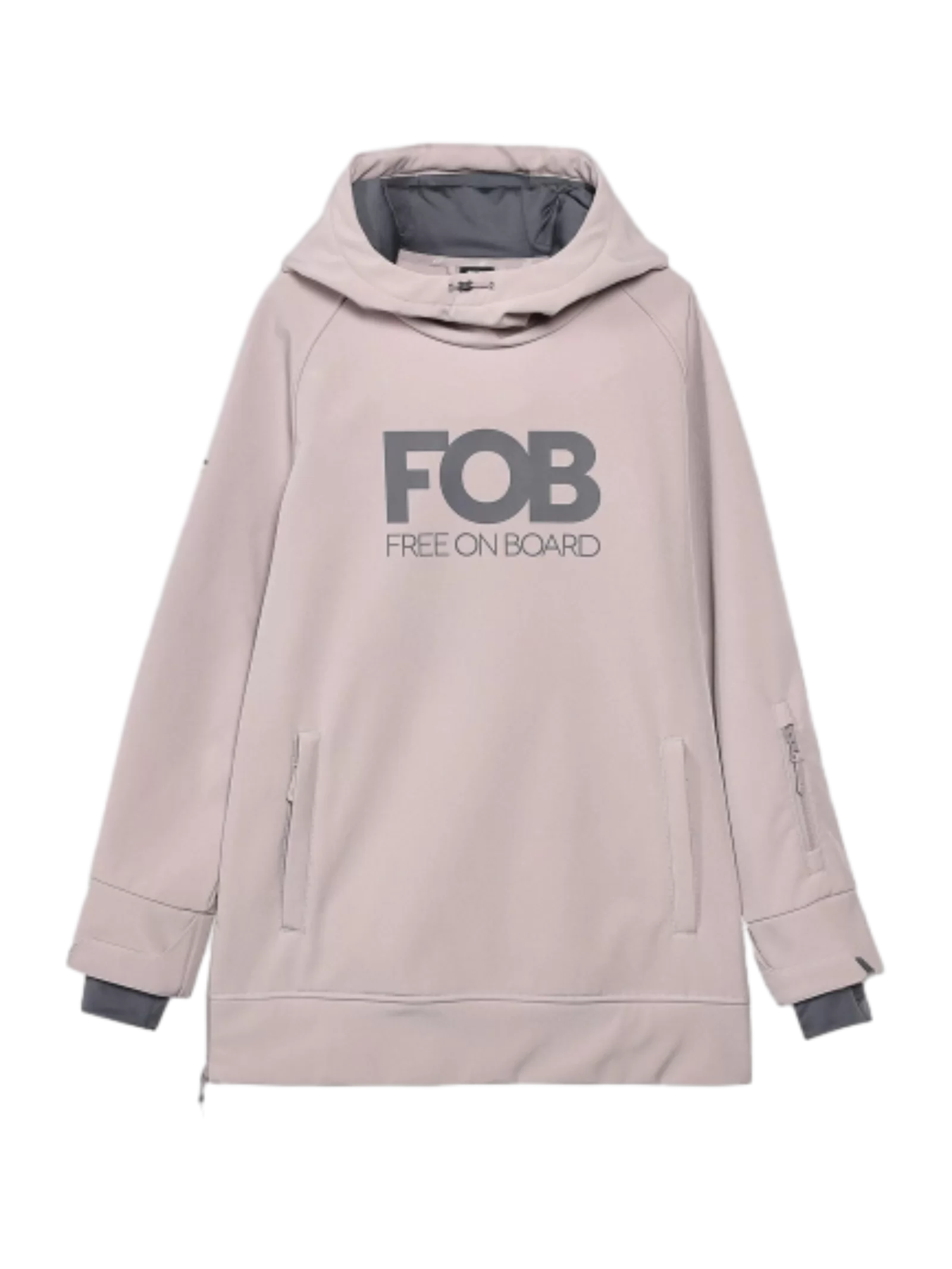
If you’ve ever wondered why your favorite hiking jacket feels just right amid gusts or light rain, you’ve brushed up against the magic of softshell jacket design. Beyond comfort, this niche of textile engineering plays a crucial role in global outdoor industries, extreme work environments, and even humanitarian relief efforts. At its core, softshell gear bridges the gap between hard, bulky gear and flimsy raincoats—a balance of protection and flexibility that, frankly, the world needs more than we often realize.
Understanding softshell jacket design unlocks insights into how clothing workmanship can adapt to a warming climate, increasingly active lifestyles, and the constant human need for resilience.
Globally, the outdoor apparel market, valued at over $10 billion (Statista, 2023), increasingly prioritizes smart, adaptable fabrics. Organizations such as the International Organization for Standardization (ISO) have begun defining rigorous standards for materials' breathability, water resistance, and durability—key parameters in softshell jacket design.
Climate change's unpredictability means that even professionals working in remote industrial zones — say, Arctic oil rigs or sub-Saharan mining sites — face rapidly shifting weather challenges. Traditional layers are no longer enough. Here, softshell designs directly address the need for reliable, breathable weather shields that don’t stifle movement or comfort.
But the problem goes beyond just recreation or commerce: humanitarian groups deploying aid in post-disaster tropical storms need durable gear that balances protection and portability. Knowing what makes a softshell jacket design effective is practically a survival guide in these contexts.
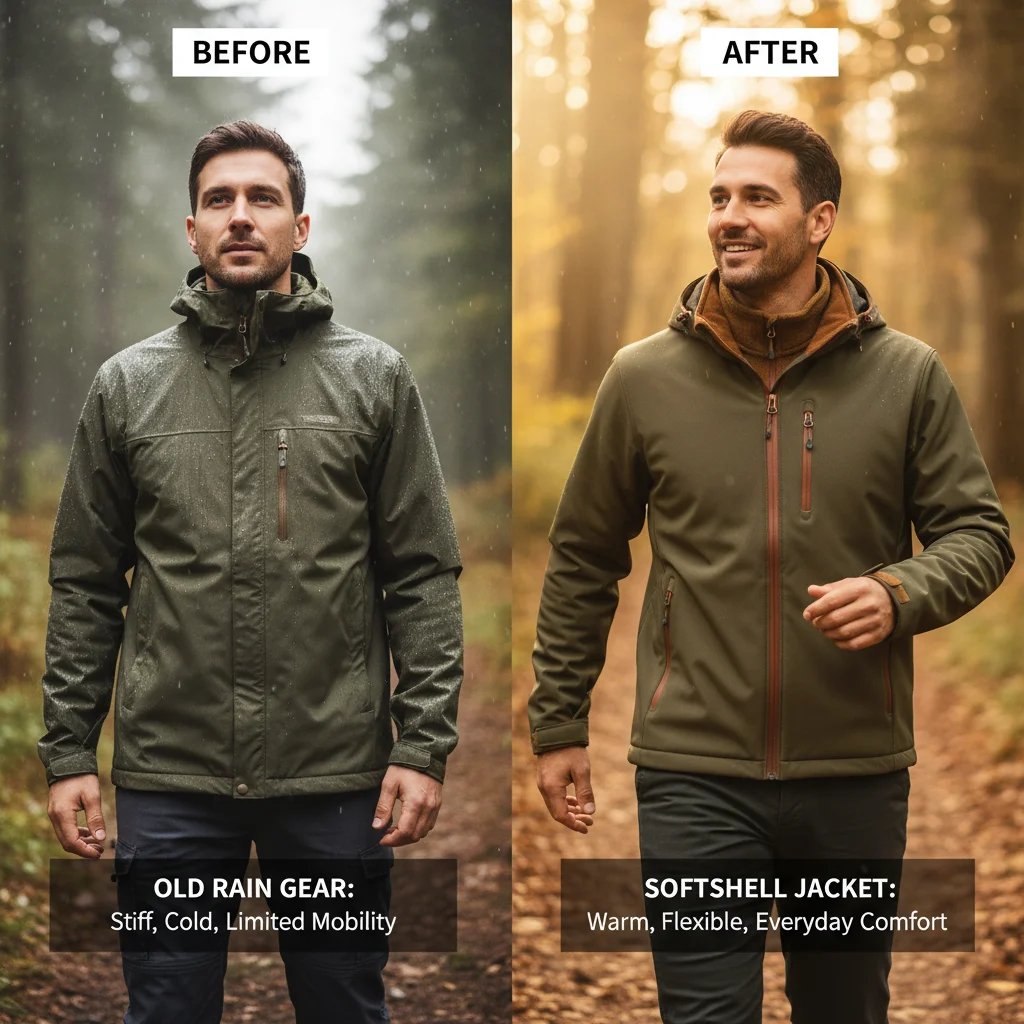
Simply put, a softshell jacket is a “middle ground” piece of outerwear engineered to offer a harmonious blend of resistance to wind and water while maintaining breathability and stretch. Unlike hard shells—which use rigid, waterproof membranes—softshells utilize woven fabrics with water-repellent coatings, plus flexible fibers that move with you.
Industrial designers incorporate features like articulated elbows, adjustable cuffs, and breathable linings that make these jackets versatile for both casual hikes and strenuous outdoor labor.
The base fabric must balance weave density and stretch. Polyester blended with spandex or nylon is common, optimized for durability and lightness. Add a durable water repellent (DWR) finish—this is what lets raindrops bead and roll off rather than soaking in.
No one wants to feel like they’re trapped in a sauna. The breathability factor, often measured by MVTR (Moisture Vapor Transmission Rate), is crucial. Engineers improve this by using finely woven membranes or fabric laminations that allow sweat to escape while blocking rain.
Outdoor jackets face abrasions from branches and rocks, not to mention repeated wash cycles. Abrasion-resistant yarns and reinforced panels help sustain longevity without sacrificing flexibility.
Seems minor but move around in a stiff jacket for a minute — you’ll swear by tailored cuts, gussets, and articulated joints. These don't just feel nicer; they extend the wearable lifespan by reducing stress on fabric.
Recent trends push designers to use recycled fibers and eco-friendly dyes. Given textile manufacturing’s carbon footprint (nearly 10% of the global total per UN Environment Programme), this aspect is more than trendy; it’s urgent.
Softshell jackets are everywhere from the rocky paths of Patagonia to the chilly wind tunnels atop European wind farms. Emergency responders during wildfires—like those battling California’s recent fire seasons—rely on these jackets to stay protected and agile. Meanwhile, NGOs operating in post-flood Bangladesh distribute softshell gear to provide lightweight protection for locals rebuilding homes.
In industrial sectors, oil and gas workers in Canada’s frigid north benefit from softshells' wind resistance and breathability, reducing heat loss and moisture build-up during long shifts.
Softshell jacket design is also growing in popularity for casual urban wear, where variable weather demands a layer that’s practical yet stylish.
From a cost perspective, investing in softshell jackets means footwear, gloves, or even hard shells see less wear and tear—saving money. Sustainability-wise, moving towards recycled materials and water-efficient treatments is reducing ecological footprints.
Socially, reliable gear enhances safety and dignity during critical work or rescue missions. There's a sort of peace of mind knowing your jacket won’t betray you halfway through a climb or emergency scenario.
| Feature | Typical Value | Remarks |
|---|---|---|
| Material | Polyester/Spandex Blend | Provides stretch & durability |
| Water Resistance | DWR coating (5000mm PU rating approx.) | Repels light rain & snow |
| Breathability (MVTR) | 10,000+ g/m²/24h | Allows sweat to escape easily |
| Weight | ~350 grams (medium size) | Lightweight for all-day use |
| Sustainability | Recycled polyester content (30%+) | Reduced environmental footprint |
| Vendor | Price Range | Material Innovation | Customization Options | Sustainability Practices |
|---|---|---|---|---|
| Alpine Outdoor Gear | $$$ | Uses proprietary stretch fabrics | Full custom logo & color options | Carbon-neutral manufacturing |
| EcoShell Apparel | $$ | Recycled polyester blends | Limited customization | Uses only water-based dyes |
| Mountain Peak Supplies | $ | Standard polyester blends | No customization options | Limited eco initiatives |
Looking ahead, the push towards even smarter textiles will shape softshell designs. Imagine fabrics that dynamically adjust breathability depending on temperature, or integrate solar-powered fiber optics for nighttime visibility. The textile industry increasingly integrates AI-driven design tools to tailor fabric weaves with microscopic precision—for breathability, stretch, and longevity.
Sustainability remains key. Brands are experimenting with bio-based water repellents and circular design principles, making jackets easier to recycle or repair at end-of-life. Obviously, these innovations will redefine what “softshell jacket design” means in just a few years.
But it’s not all smooth sailing. Even the best softshell jackets struggle with heavy prolonged rain—they repel light moisture but aren’t fully waterproof. Balancing waterproofing with breathability is the holy grail that designers still chase. The solution? Hybrid designs that integrate softshell fabrics with pit zips, insulated liners, or modular shells for variable conditions.
Another challenge is cost. Advanced materials often command a premium, which can exclude budget-conscious consumers or aid organizations. Manufacturers are exploring scalable, lower-cost fabrication methods to broaden access without losing quality.
Softshell jacket design is more than just fashion or sportswear—it's a thoughtfully engineered solution meeting global climate challenges, worker safety, and human wellbeing. Its blend of versatility, protective qualities, and growing sustainability credentials promises to keep it relevant across industries and cultures.
Curious to explore the full range of softshell innovations? Visit our website for the latest in softshell jacket design and gear up for whatever nature throws your way.
Understanding these design nuances reveals how much thought goes into what most folks see as "just a jacket." Softshells represent a fascinating intersection of material science, environmental awareness, and practical living—reminding us that sometimes, clothes really do make the person.


If you are interested in our products, you can choose to leave your information here, and we will be in touch with you shortly.