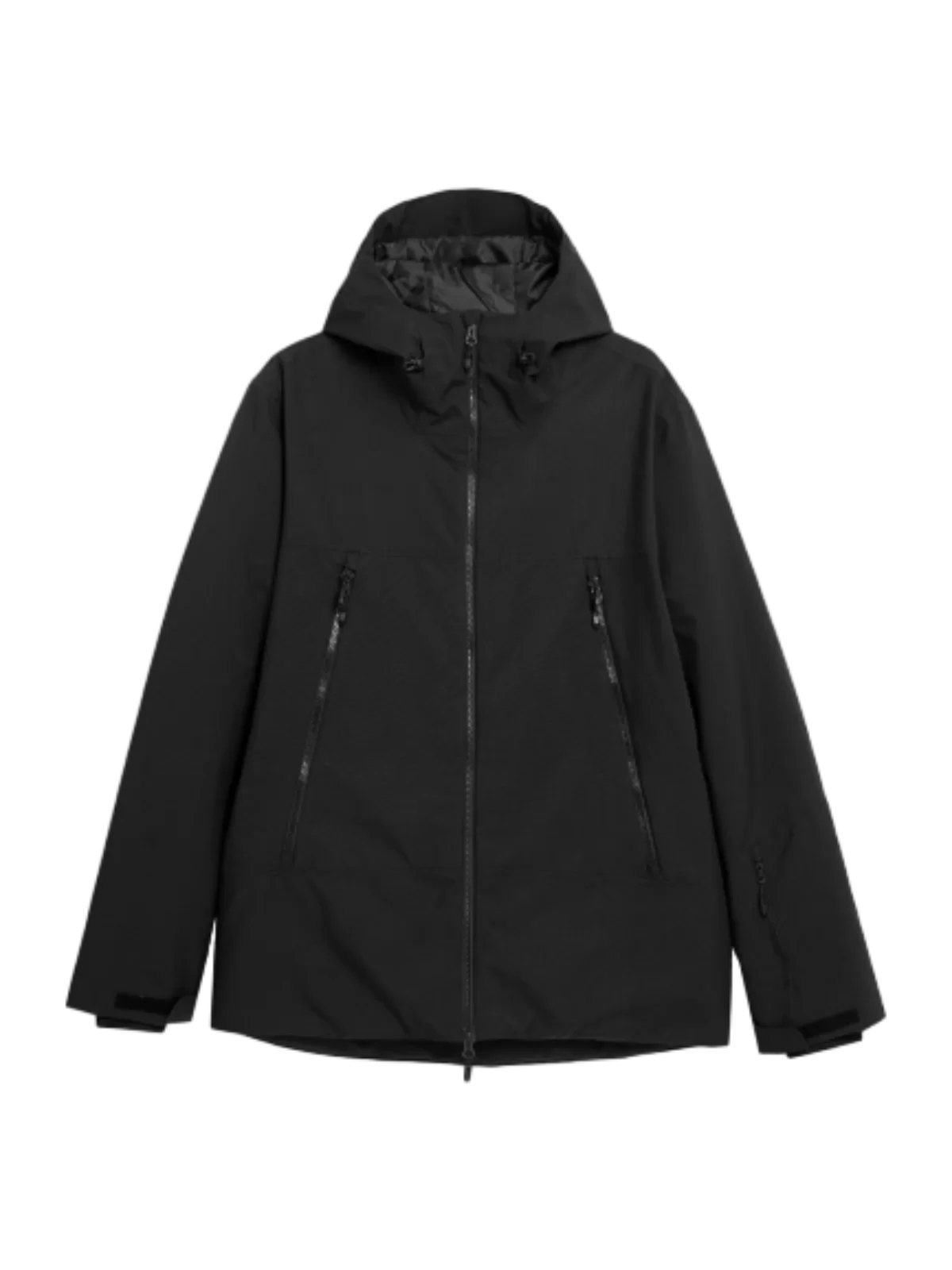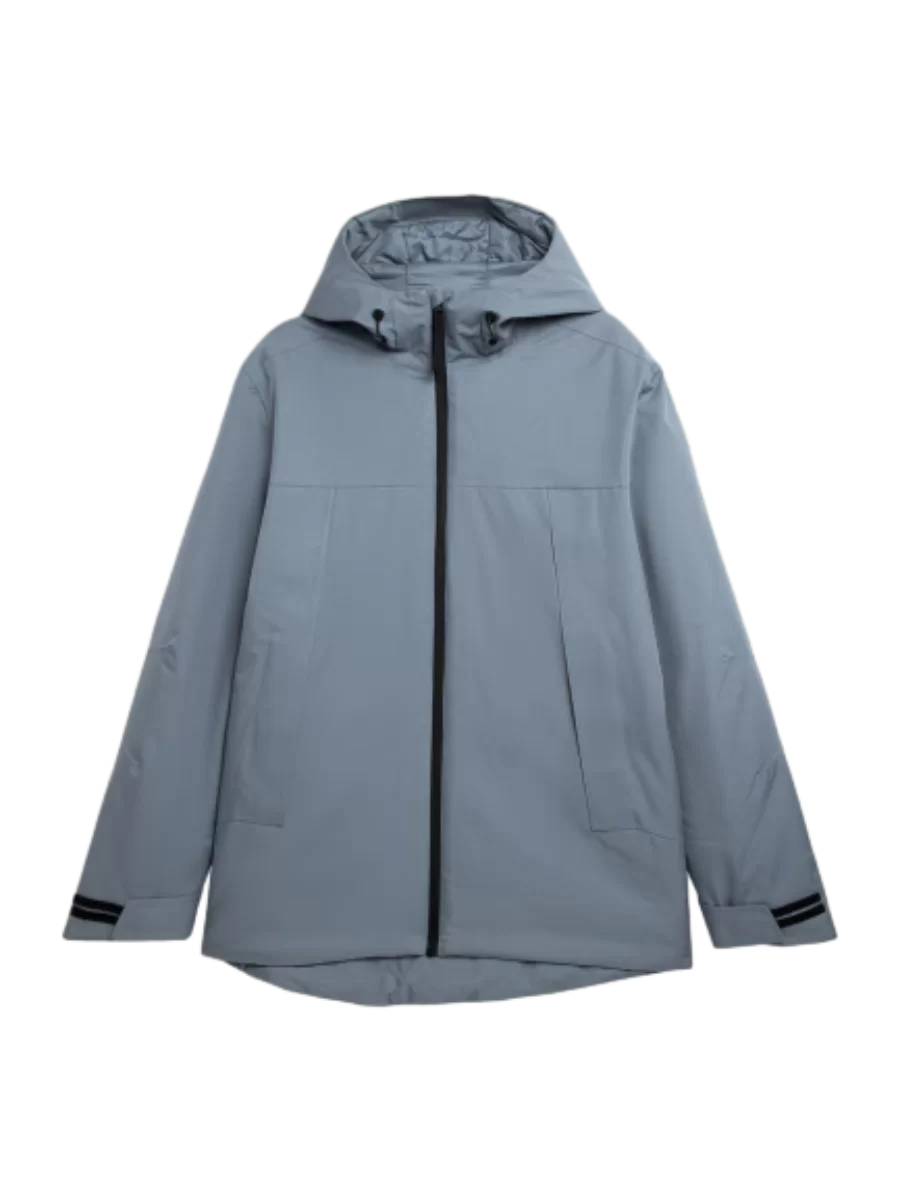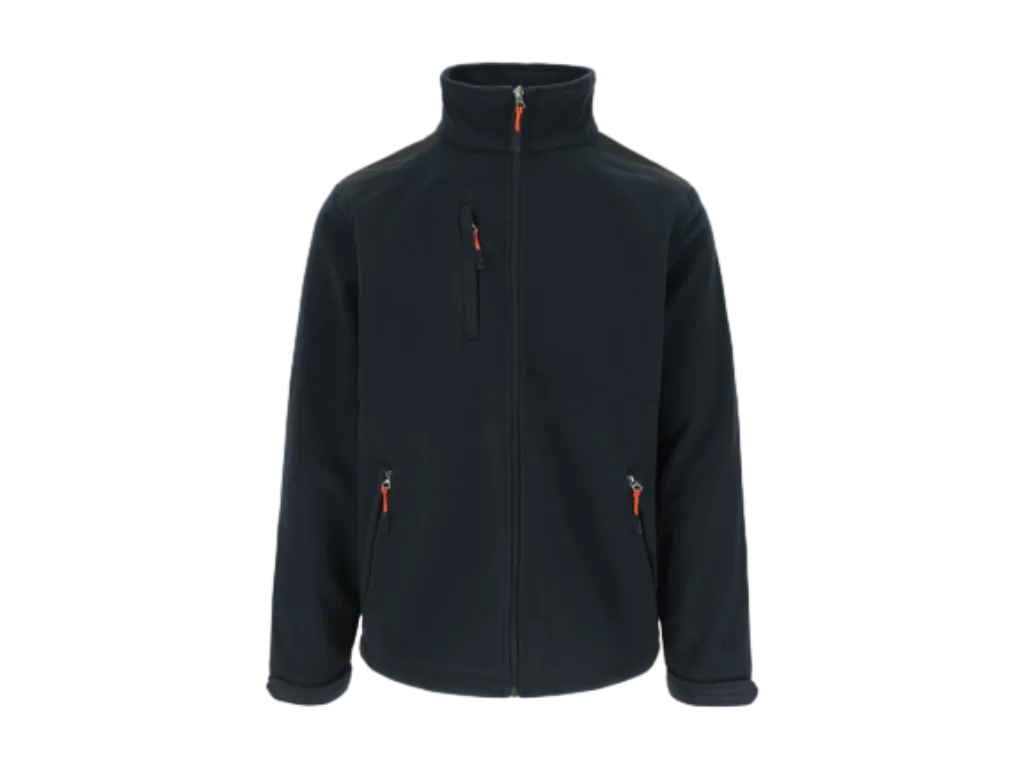
Softshell jacket material might sound niche, but it's quietly shaping outdoor gear and workwear industries around the globe. From the icy peaks of the Himalayas to disaster zones where quick adaptation is key, this fabric type delivers a blend of durability, breathability, and weather resistance that hard shell jackets just can't match. At its core, understanding this material means better protection, comfort, and adaptability in unpredictable environments — whether for humanitarian workers or weekend hikers.
Outdoor apparel sales have soared in the past decade, with research from the World Bank showing a 6% annual increase in global demand for technical clothing driven by rising outdoor recreation and industrial needs. Meanwhile, humanitarian crises and extreme weather patterns (UN reports predict a 40% rise in displaced populations by 2050) highlight a growing need for flexible, reliable outerwear that can hold up in tough conditions. Softshell jacket material responds poignantly to these challenges — providing layered protection that balances warmth, water resistance, and mobility.
The problem? Traditional waterproof fabrics often trap moisture and restrict movement, a challenge when you're exposed outdoors for hours or engaged in physically demanding tasks. Softshell fabrics offer a smarter solution, marrying the best of textile science with real-world usability.
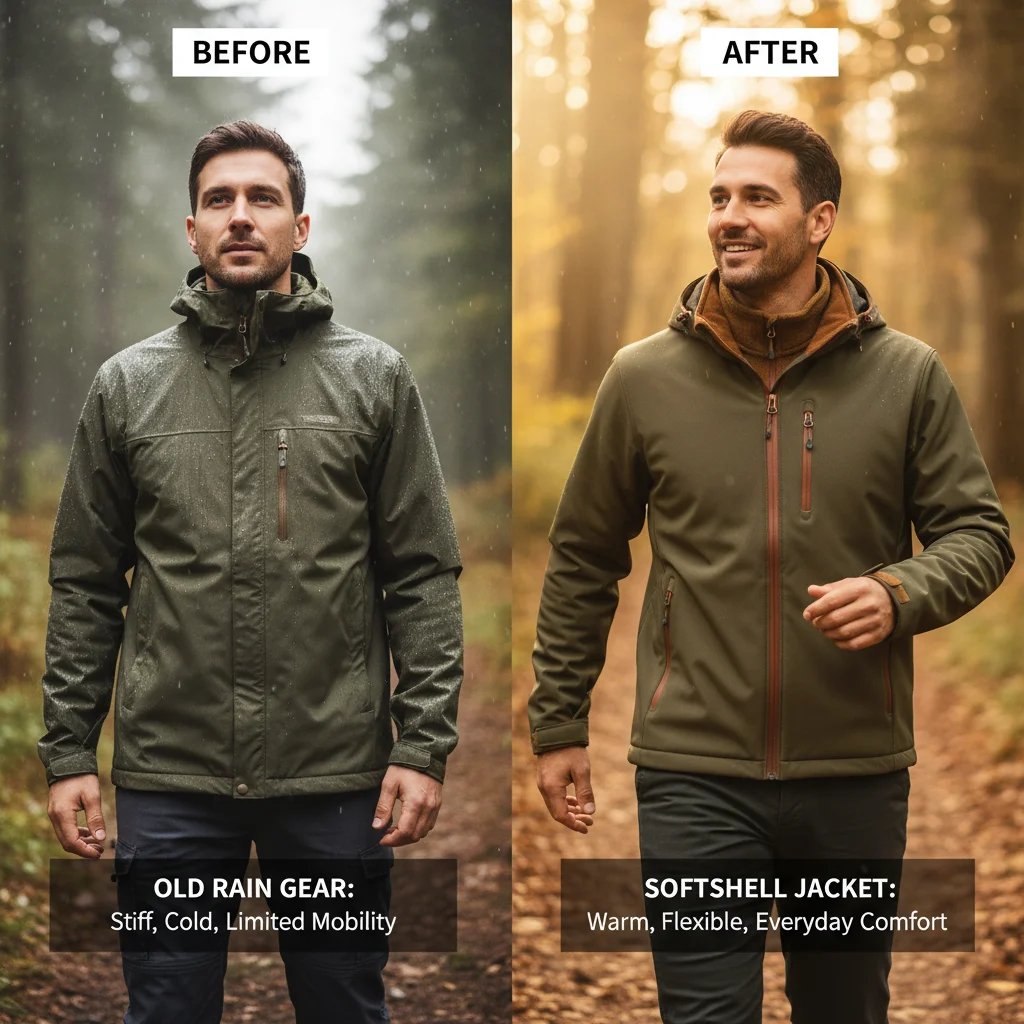
Put simply: softshell jacket material is a category of fabric designed for flexibility, moderate water resistance, and breathability. Unlike rigid, fully waterproof hardshells, softshells use woven or knitted composites that repel light rain and wind while allowing moisture vapor to escape. They're typically composed of polyester, nylon, or blends with elastane for stretch. The result? A garment that's less bulky, quicker drying, and more agile.
In industry terms, this material bridges performance needs with comfort – think of frontline responders needing warmth without sweat buildup in fast-paced scenarios, or remote workers in mountainous regions relying on durable yet adaptable clothing.
Softshell fabrics use tight weaves and sometimes reinforced face layers to withstand abrasion and repeated use—crucial for workers and adventurers alike. Many softshells are treated with DWR (Durable Water Repellent) coatings to enhance water resistance without compromising breathability.
This is where softshells shine compared to typical rainproof shells. The fabric allows perspiration to escape efficiently, preventing clammy discomfort during active use.
While not fully waterproof, softshell material handles light to moderate rain and blocks wind effectively. This balance is perfect for unpredictable weather without the weight and noise of harsher fabrics.
Thanks to elastane blends and knit constructions, softshells offer stretch and ease of movement. This attribute makes them first picks for tasks requiring agility and prolonged wear.
Softshell fabrics insulate by trapping a thin air layer, keeping the wearer warm without causing overheating during activity.
Softshell jacket materials are a balancing act—engineered to meet durability, comfort, and weather needs without excess bulk.
Industries worldwide tap into softshell fabrics wherever weather meets performance demands. Here are some practical examples:
Softshell materials transcend borders and sectors, proving their worth in lethally challenging environments and everyday active lifestyles.
| Property | Typical Range / Feature | Industrial Impact |
|---|---|---|
| Fabric Composition | Polyester/Nylon blend with Elastane | Stretch and durability balance |
| Water Resistance | Up to 5,000 mm hydrostatic head | Protection against light to moderate rain |
| Breathability | 5,000-10,000 g/m²/24hr moisture vapor transmission | Effective moisture management |
| Weight | 250-350 g/m² | Light enough for mobility, heavy enough for warmth |
| Stretch | 10-20% elastane content | Enhanced comfort and fit |
Hydrostatic head measures water resistance by pressure—higher means better waterproofing.
| Vendor | Material Type | Water Resistance | Breathability | Sustainability Focus |
|---|---|---|---|---|
| OutdoorTex | Polyester/Elastane softshell | 4,500 mm | 7,000 g/m²/24hr | Recycled fibers included |
| FlexWeave | Nylon/Spandex softshell | 5,200 mm | 9,000 g/m²/24hr | Bluesign® certified |
| EcoShell Fabric Co. | Recycled polyester with elastane | 4,800 mm | 6,500 g/m²/24hr | 100% renewable energy use |
Softshell jackets offer a rare blend of reliability and comfort that logically boosts productivity and safety outdoors. Costs are often lower than high-end waterproof shells, and their multi-season usability extends garment lifespans, reducing waste.
There’s also the emotional angle: wearing something that moves with you and breathes feels better — it's confidence you don’t sweat through your shirt or freeze when the wind picks up. Whether you're on a rescue mission or a weekend trek, knowing your jacket can keep up with you is priceless.
Socially, many manufacturers now source responsible materials reducing chemicals and microplastics, aligning softshell apparel with sustainability goals increasingly emphasized by ISO standards. The impact ripples far beyond the jacket’s surface.
Exciting developments include bio-based fibers reducing petrochemical dependence and smart fabrics that adapt insulation based on temperature changes automatically. Digital printing technologies are enabling bespoke patterns for branding or camouflage without extra weight.
Another innovation is integrating recycled ocean plastics with performance textiles, a win-win for apparel and environmental impact. Plus, automated sewing and laser cutting improve precision and reduce waste during manufacture.
Softshell materials aren’t perfect — water resistance can’t fully match hard shells, and prolonged wet exposure risks saturation. To combat this, manufacturers boost DWR coatings’ durability or combine softshell layers with detachable liners for versatility.
Another issue is the ecological footprint of synthetic fibers. Here, vendors are answering with recycled yarns and greener dyeing processes, slowly reducing environmental burdens.
A: Softshell jackets excel in light to moderate rain and windy conditions, but during prolonged heavy rainfall, a dedicated waterproof hardshell is better. Consider layering a softshell under a waterproof shell for versatility.
A: Softshells provide superior breathability compared to waterproof shells because of their woven/knit construction and lesser coating layers, making them ideal for high-exertion activities.
A: Increasingly, yes. Many brands use recycled materials and eco-friendly treatments. Always check product labels for certifications like Bluesign® or recycled content percentages.
A: Regular washing with mild detergents helps maintain breathability and DWR performance. Reapply water repellent treatments as needed to keep water resistance effective.
In real terms, softshell jacket material has emerged as a near-perfect compromise between comfort and protection, perfectly tailored for our unpredictable, active world. Its global relevance spans industries and climates, melding human-centered performance with growing sustainability practices. If you're searching for that sweet spot in outdoor wear technology, softshells are worth a hard look.
Curious to explore more about softshell jacket material options and gear? Visit our website and dive into the future of outdoor apparel today.


If you are interested in our products, you can choose to leave your information here, and we will be in touch with you shortly.