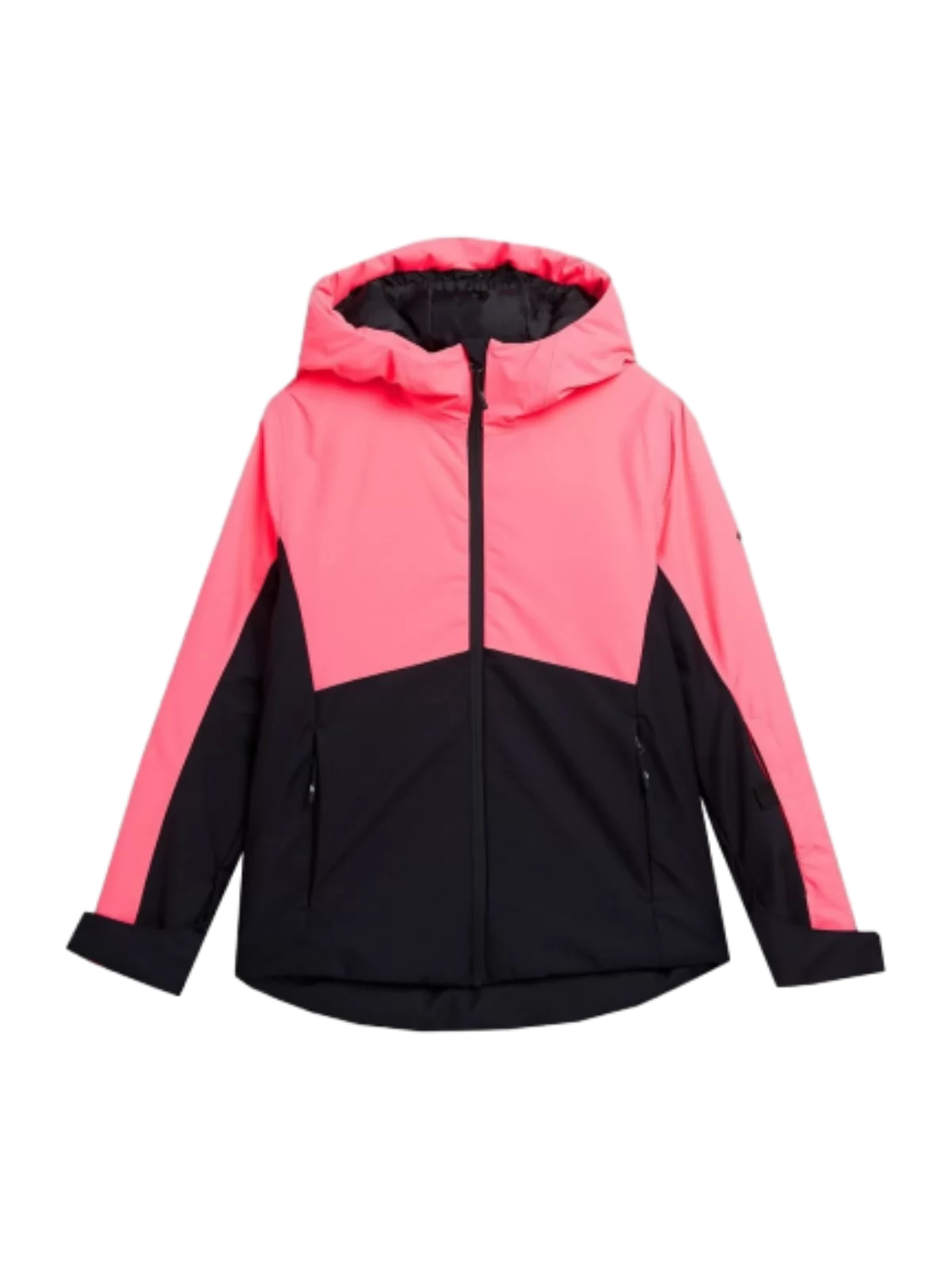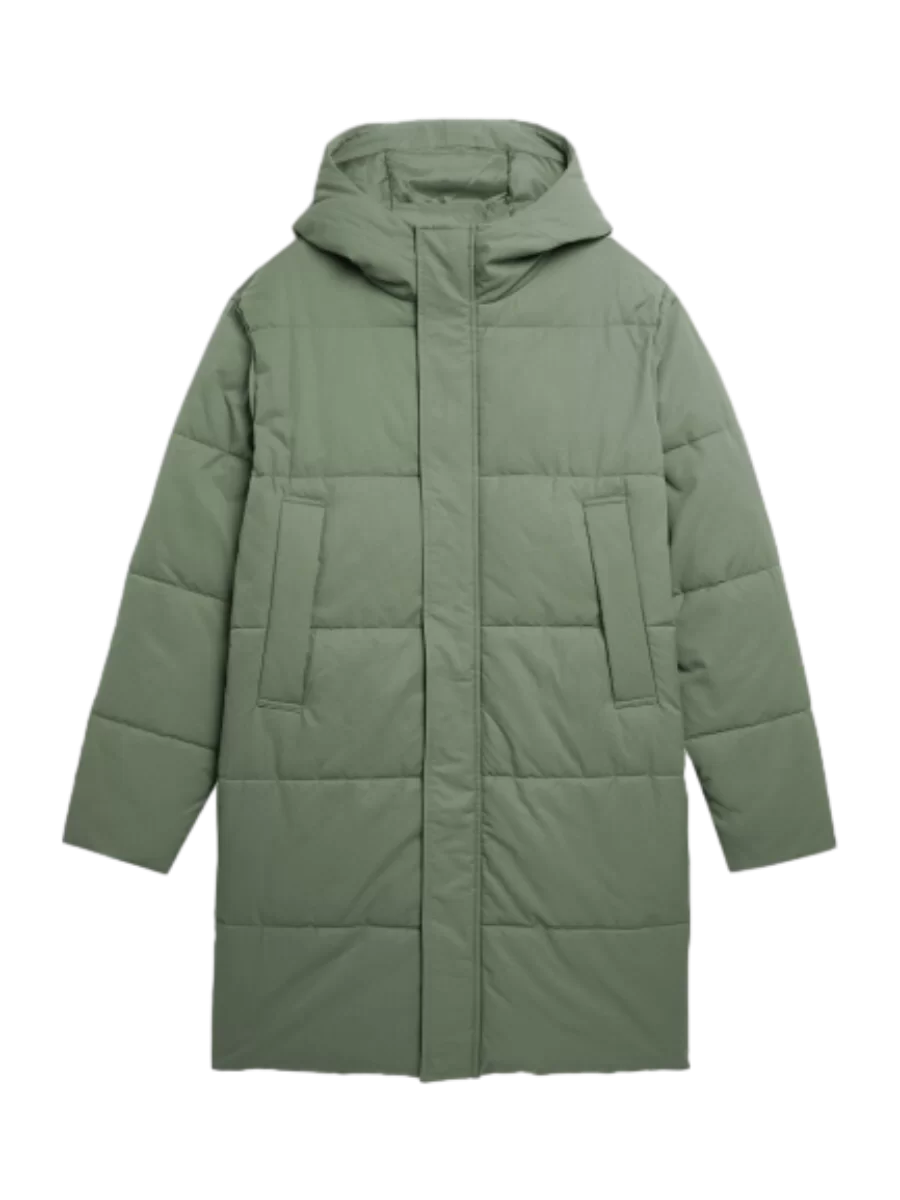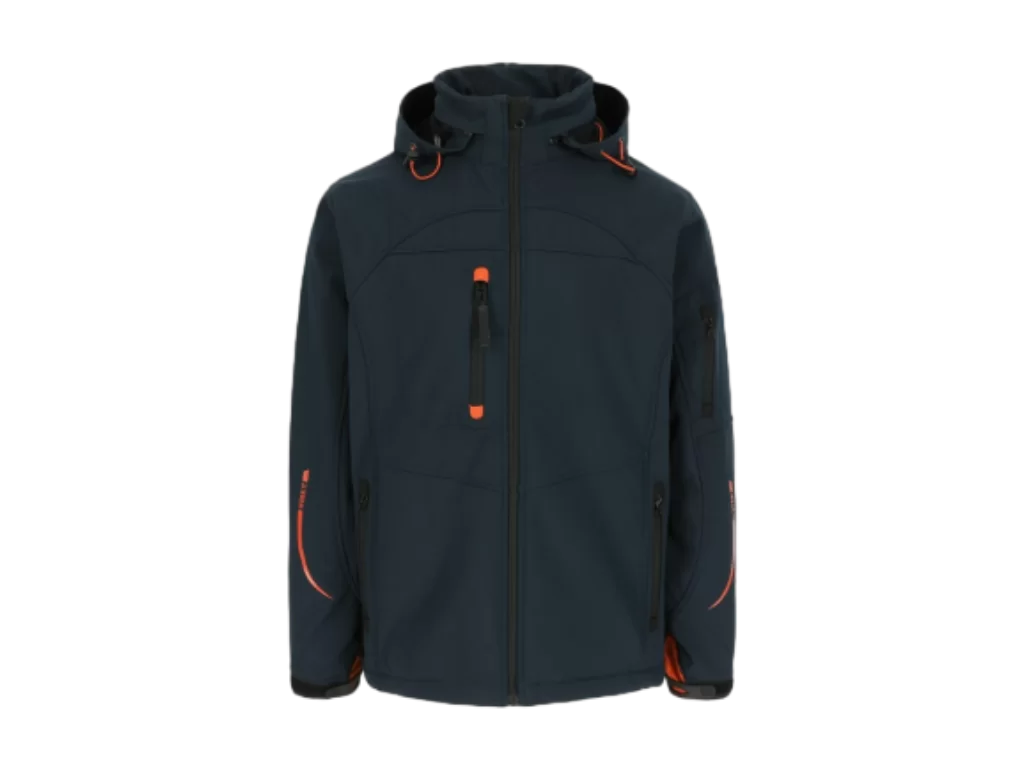
You might not have thought much about jackets beyond the usual winter wear, but the softshell padded jacket has quietly become something of a must-have in multiple industries and regions worldwide. With changing global climates, expanding outdoor activities, and the rise of humanitarian efforts in harsh environments, understanding what a softshell padded jacket offers is no small matter—it’s practical, vital, and surprisingly innovative.
In short, these jackets combine weather resistance, comfort, and thermal protection in one, making them highly relevant for workers, adventurers, and relief teams alike. Learning about them means understanding a piece of gear that’s kept people warm and safe across cold mountain trails, windy urban sites, and emergency zones around the globe.
The World Meteorological Organization has noted an increase in unpredictable weather extremes over recent decades, requiring apparel that can keep pace. Outdoor apparel market reports forecast steady growth at over 5% annually worldwide by 2027, driven partly by increasing demand for adaptable outerwear—softshell padded jackets are right at the heart of this demand.
Beyond weather, consider workers in construction, forestry, or cold-storage warehouses—issues like mobility and insulation are daily challenges. Plus, aid agencies deploying to colder regions need clothing that's lightweight but highly protective. Frankly, a softshell padded jacket answers an urgent need: protection without bulk, comfort without compromise.
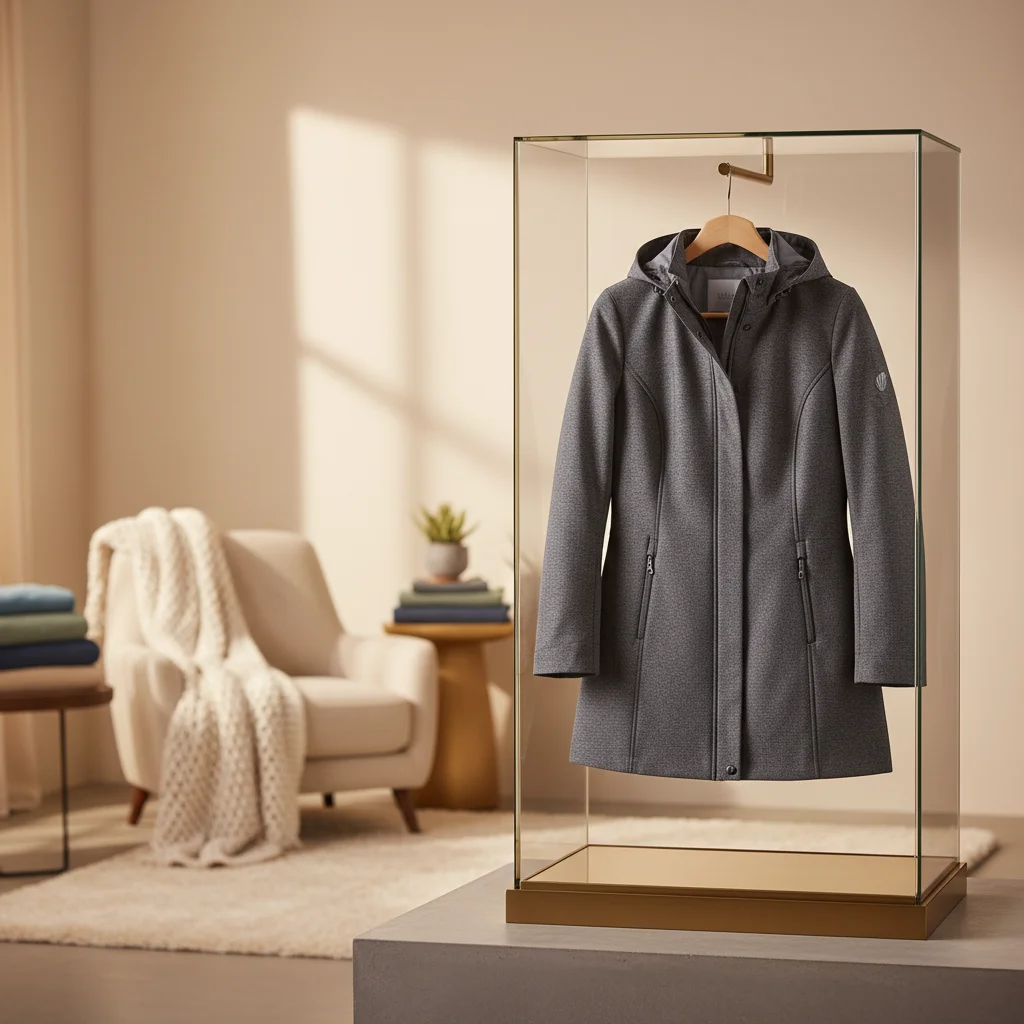
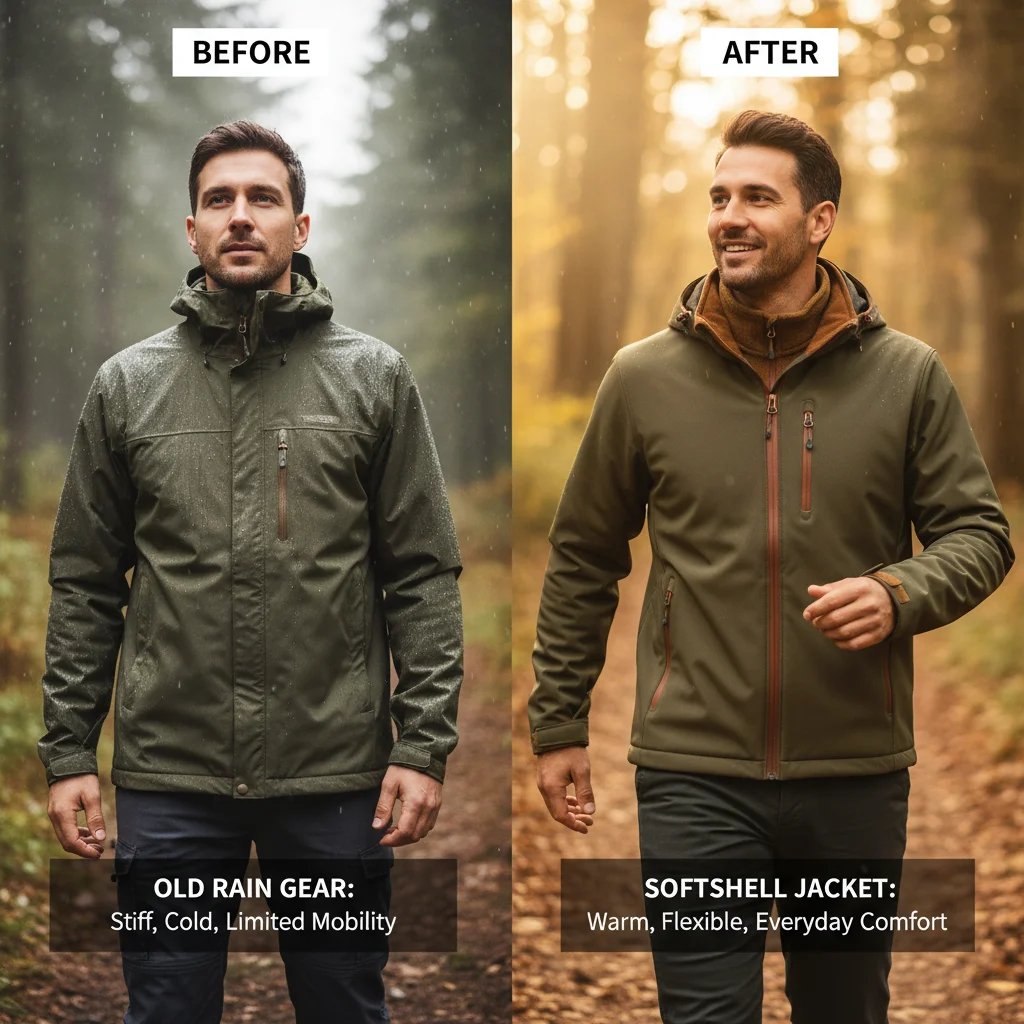
In the simplest terms, a softshell padded jacket is a hybrid outerwear piece designed from layered, flexible fabrics that resist wind and water while providing warmth through synthetic or natural insulation. Unlike traditional hard-shell jackets, softshells emphasize stretch, breathability, and freedom of movement. The "padded" aspect refers to the inner insulation—think quilted layers or foam inserts—that trap heat without adding too much weight.
This makes them incredibly useful not just for casual wear but for specialized roles in industries like emergency services or even high-altitude scientific research, where standardized gear can’t be overly cumbersome or restrictive.
The outer shell is often made from woven polyester or nylon blends with durable water-repellent (DWR) coatings. This repels rain, sleet, and snow just enough to keep users dry during light to moderate precipitation.
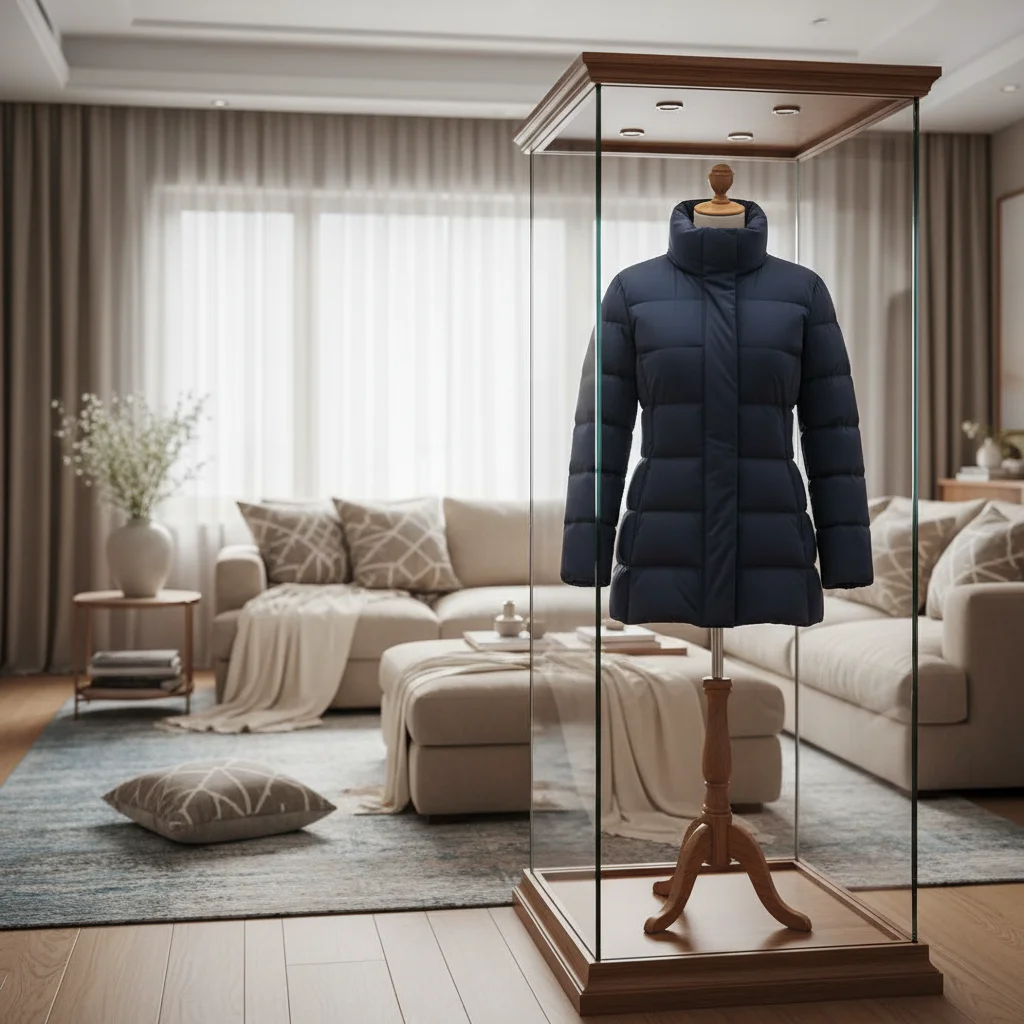
Inside, padding materials vary—from synthetic, quick-drying fibers like PrimaLoft® to natural down feathers. These trap warmth efficiently while avoiding the bulkiness of older insulation styles.
A softshell's fabric breathes, meaning sweat and moisture escape rather than building up inside, which is vital during physical exertion. Stretch panels or articulated seams improve movement especially in active roles.
An often underrated factor: many softshell padded jackets pack down relatively small, allowing easy storage in backpacks or emergency kits without sacrificing protection.
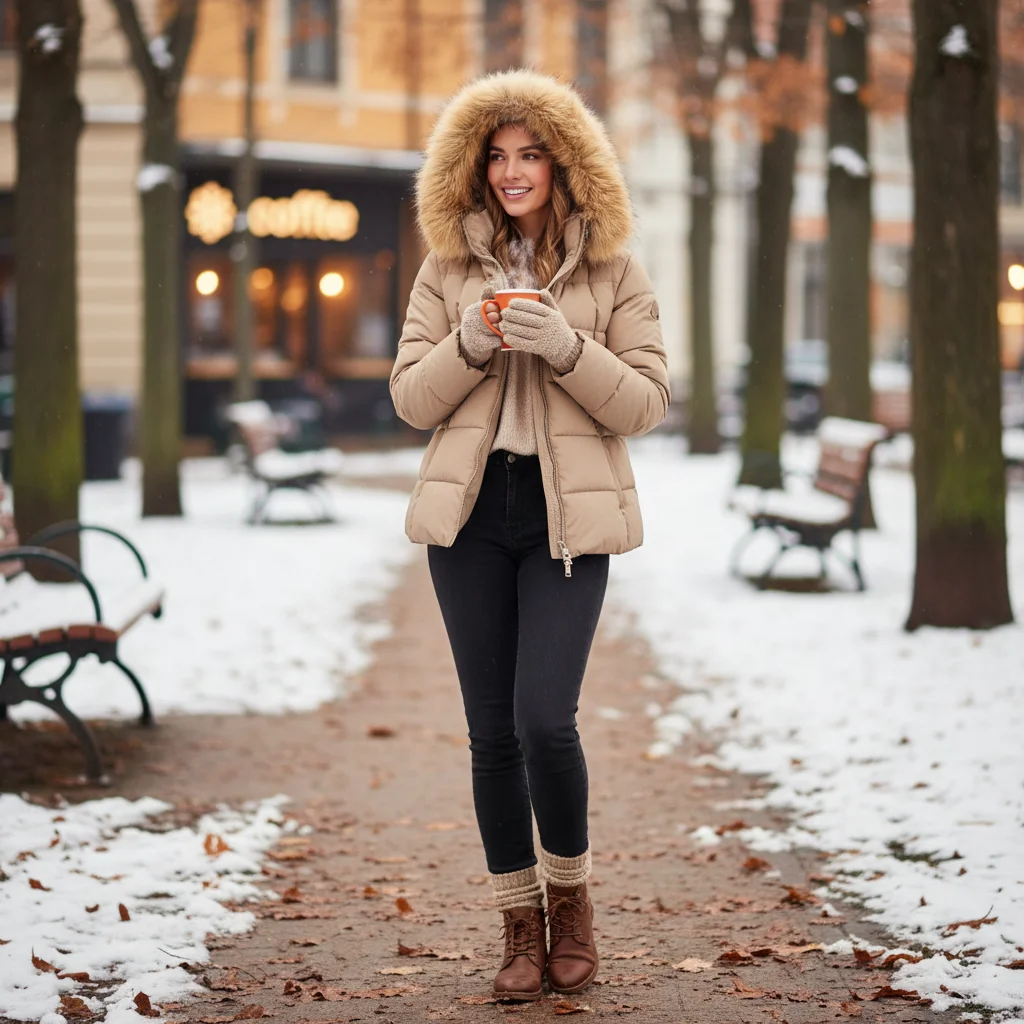
Designs include zippered vents, adjustable cuffs, and hoods—adjustments tailored to real-world outdoor challenges. Plus, the fabric's soft feel makes it comfortable enough for daily city wear.
| Feature | Detail |
|---|---|
| Outer Shell Material | Nylon with DWR coating |
| Insulation | PrimaLoft® synthetic fibers, 60g/m² |
| Breathability | 10,000 g/m²/24hrs |
| Wind Resistance | High |
| Water Resistance | Light rain protection |
| Weight | ~450 grams (size M) |
Think of the Swiss Alps—and professional mountain guides braving winds that chill to the bone but constantly in motion. Or the remote forestry teams in Canada who face intermittent rains and cold snaps that can turn deadly without proper gear.
Even urban emergency responders in colder cities rely on these jackets as they provide lightweight warmth with enough weatherproofing and flexibility to carry out their duties swiftly and safely.
On a humanitarian note, NGOs working in post-disaster colder zones—like the Tibetan plateau or parts of Eastern Europe in winter—have adopted softshell padded jackets for their field teams, reducing hypothermia risks and improving morale.
| Brand | Insulation Type | Weight (Size M) | Water Resistance | Price Range |
|---|---|---|---|---|
| AlphaGear | Synthetic PrimaLoft® | 450g | DWR coating, light rain | $180–220 |
| EcoTherm | Recycled polyester fill | 480g | Water-resistant membrane | $200–250 |
| MountainEdge | Goose down (80/20) | 520g | DWR coating (moderate rain) | $220–280 |
Emotionally, people wearing these jackets often remark on the quiet confidence of being prepared—it’s rather the difference between worrying about the cold or simply getting on with the day.
The future of softshell padded jackets is bright, or should I say, warm and breathable. Advances in nanotechnology promise fabrics that adapt their insulation based on body temperature or external conditions—sort of your jacket becoming smarter by the hour.
We’re also seeing developments in bio-based and biodegradable insulation materials, aiming to reduce landfill waste. Digital customization will allow wearers to tweak fit and thermal settings remotely, a bit like software updates but for clothing. Oh, and green energy-powered factories are slowly turning these jackets into truly sustainable products from start to finish.
A big issue with softshell padded jackets: balancing water resistance with breathability. Too waterproof, and you start sweating inside; too breathable, and you risk dampness. The solution? Layered membranes that selectively open and close pores, already showing success in independent lab tests (ISO standards 11092).
Another frequent concern is insulation longevity after repeated washings. New fiber treatments are improving this considerably, and brands often advise customers on washing tips to lengthen jacket life—a small ask for years of warmth.
In closing, the softshell padded jacket has evolved from a niche outdoor garment into a versatile, globally relevant piece of essential gear. Its adaptable design suits a variety of weather challenges, work scenarios, and adventurous pursuits. For those needing reliable warmth without sacrificing movement or style, it’s a true modern classic.
If you’re curious or ready to upgrade your outerwear, take a look at the latest models—especially if you want to combine innovation with comfort and sustainable choices. Visit our website at https://www.outdoor-apparels.com to explore a curated selection that’s as practical as it is stylish.
References:
If you are interested in our products, you can choose to leave your information here, and we will be in touch with you shortly.