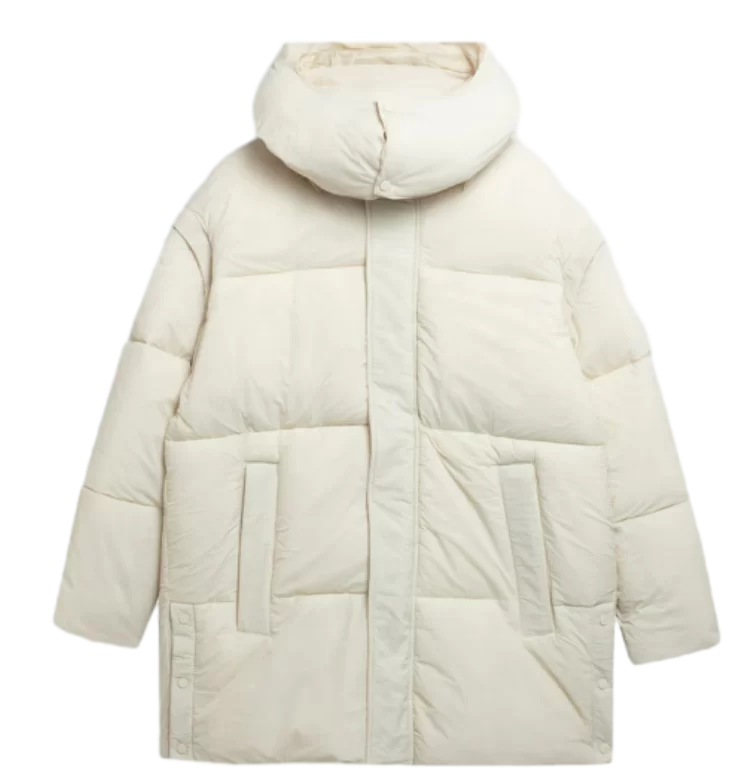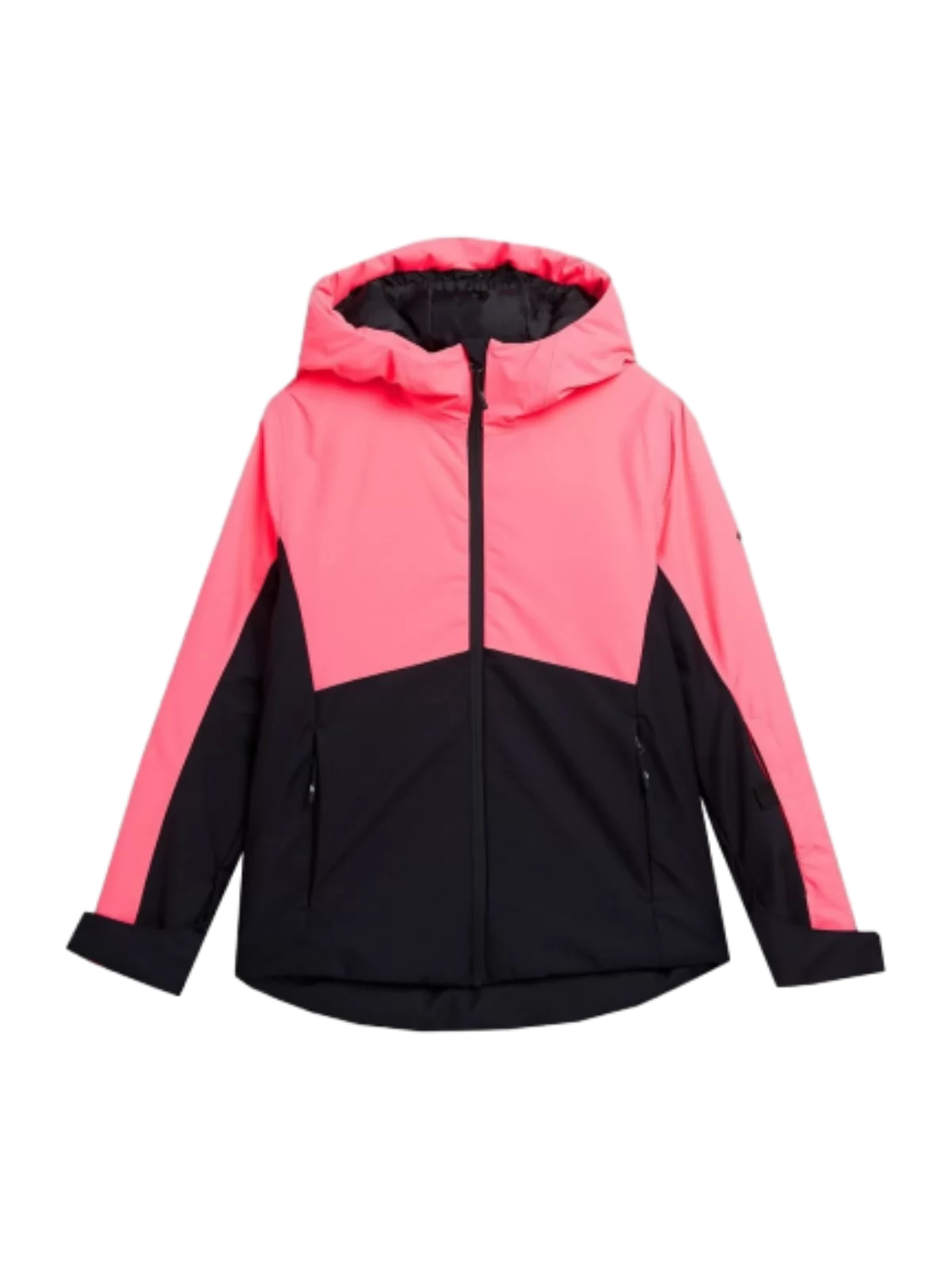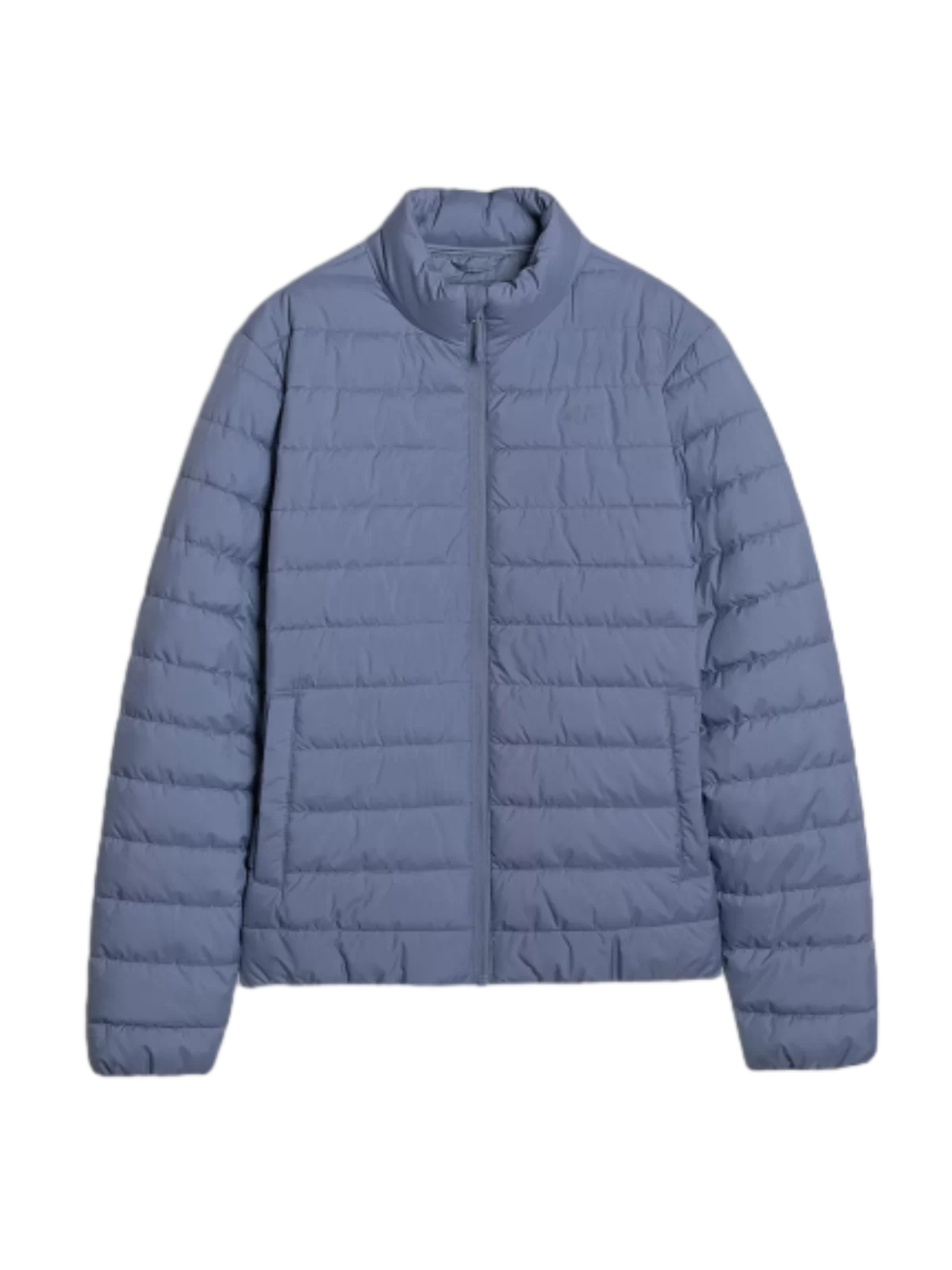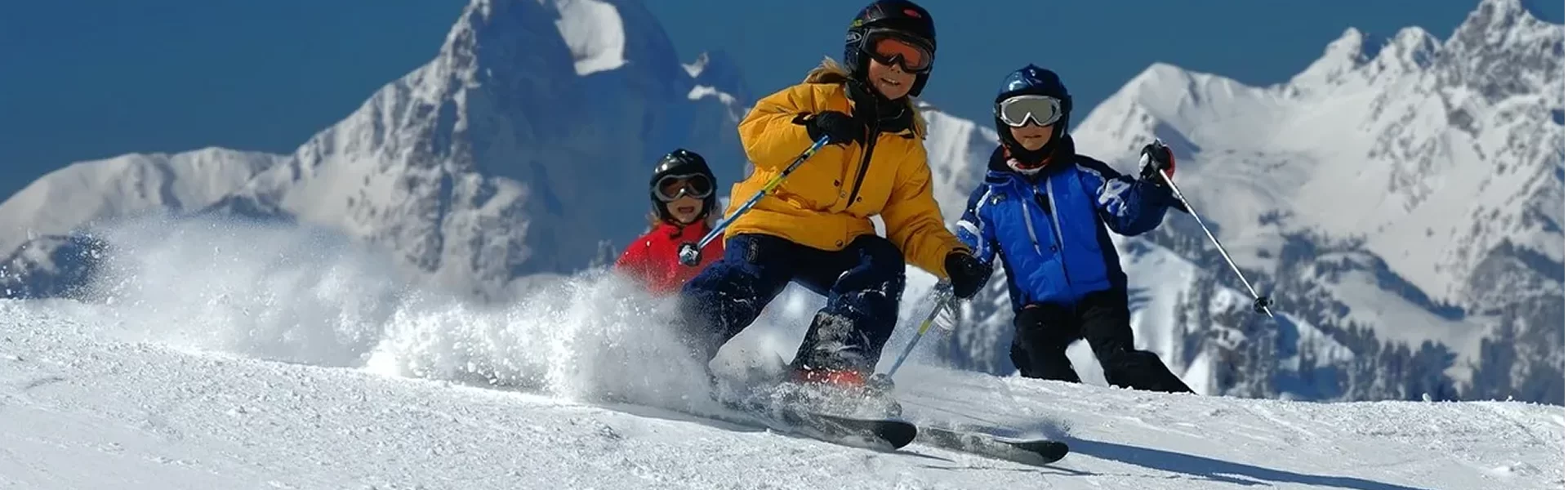
When you think of a “kids ski jacket,” you probably imagine a brightly colored, puffy jacket designed to keep a child warm on snowy mountains. But beyond the obvious, this little piece of apparel plays a surprisingly significant role globally. It’s not just about style or basic warmth; it’s about ensuring safety, comfort, and freedom for children in cold environments — a true necessity as outdoor winter sports grow in popularity worldwide.
With millions of children involved in skiing and snow-related activities annually (the World Tourism Organization estimates more than 400 million ski visits per year worldwide, many by families), understanding what makes a good kids ski jacket isn’t trivial. It also touches on broader aspects like material innovation, sustainability, and even international trade in children’s outdoor gear.
Why has the kids ski jacket become such a critical product globally? According to the International Organization for Standardization (ISO), safety and functional performance in children’s outerwear have very strict guidelines to prevent hazards like hypothermia and frostbite during winter sports. Countries with large mountainous regions, such as Canada, Switzerland, Japan, and the US, have thousands of kids sporting these jackets daily.
But there’s an accessibility challenge. Not every family worldwide has easy access to high-quality winter gear, and this disparity affects children's participation in winter activities. That’s where the kids ski jacket addresses a clear problem: it makes cold-weather sports safer and more accessible by protecting young users effectively.
Simply put, a kids ski jacket is a specially designed outerwear jacket made for children to wear in snowy and cold conditions — primarily for skiing, snowboarding, or winter hiking. The jacket's job goes beyond warmth; it shelters kids from wind, snow, moisture, and abrasion while allowing freedom of movement for active play.
From an industry perspective, these jackets integrate elements of textile innovation, ergonomic design tailored to kids’ sizes and activity patterns, and strict safety parameters. It's a blend of comfort meets technology, all wrapped in a splash of colorful aesthetics to appeal to youngsters.
The core function is warmth. Insulation materials vary from natural down to synthetic fills like Primaloft. While down is lighter and warmer, synthetic insulation performs better when wet — which you can imagine is quite common during a snowy day out. Many parents prefer synthetic for its resilience and easier care.
A kids ski jacket needs to stop snow or water from seeping in but also prevent overheating and sweat buildup. This balance is achieved through breathable membranes like Gore-Tex or similar proprietary fabrics. Even something called a Durable Water Repellent (DWR) coating enhances performance by making water bead off rather than soak in.
Kids can be rough. Jackets often feature reinforced patches on elbows and shoulders — key wear areas. The choice of outer fabric like ripstop nylon means the jacket lasts season after season despite the occasional tumble.
The design must accommodate active movement yet fit snugly enough not to let cold in. Adjustable hoods, cuffs, and hems help seal warmth and adapt to growing kids. Lightweight zippers and easy-to-use fastenings matter when you’re dressing a wriggly child in the cold.
Bright colors, reflective trims, and even built-in whistle loops to signal for help reflect a subtle but important focus on safety.
A great kids ski jacket isn’t just warm or cute. It’s a carefully engineered piece of gear that safeguards children's health and joy in winter sports.
These jackets see use everywhere: from family ski holidays in the Alps to school skiing lessons in Scandinavia. Emergency relief organizations even distribute insulated jackets to children in cold climates during humanitarian missions — think of the Red Cross warming displaced families in harsh winters.
In industrial zones like Arctic mining camps where families live on-site, kids ski jackets make those long winters manageable. Ski schools and children’s winter clubs also depend heavily on durable, reliable outerwear.
Emotionally, parents feel peace of mind knowing their kids are protected, while kids themselves can just focus on fun and learning.
The future looks exciting. We’re seeing the rise of smart textiles that adjust insulation based on temperature, or jackets with embedded sensors tracking location or vital signs — safety and tech finally intertwined. Sustainability remains a key driver, with brands launching 100% recycled or biodegradable garments.
Additionally, digital customization platforms now let parents select colors, add name tags, or even tweak insulation levels before ordering, ensuring every jacket is a perfect fit both physically and stylistically.
One consistent challenge involves balancing durability and breathability — making a jacket tough without it becoming heavy or clammy inside. Innovations like laser-cut ventilation zones or hybrid materials help break this trade-off.
Pricing is another hurdle: high-performance gear can be pricey. Manufacturers are tackling this by introducing tiered product lines, offering basics for casual users and pro-level jackets for avid skiers.
A1: Look for adjustable features — wrist cuffs, hem cinches, and hoods help the jacket grow with your child. It's best to check size charts and perhaps choose one size up to allow layering under the jacket.
A2: Synthetic insulation often outperforms down when wet, making it a popular choice for kids who may play in snowy, damp conditions. It’s also easier to clean and hypoallergenic.
A3: Most can, but always follow manufacturer instructions carefully to maintain waterproofing and insulation quality. Use mild detergents designed for technical outerwear.
A4: As soon as children are exposed to cold, wet, and snowy conditions — even toddlers going for winter walks can benefit from specialized jackets.
| Feature | Description |
|---|---|
| Insulation | Primaloft synthetic, 100 g/m² |
| Outer Fabric | Ripstop nylon with DWR coating |
| Waterproof Rating | 10,000 mm hydrostatic head |
| Breathability | 5,000 g/m²/24h moisture vapor transfer rate |
| Weight | Approx. 450 grams (size 8) |
| Safety Features | Reflective trims, adjustable hood, whistle zipper pull |
| Brand | Price Range | Materials | Key Features | Eco Credentials |
|---|---|---|---|---|
| AlpineKids | $90–130 | Synthetic insulation, nylon | Waterproof, adjustable sizing | Recycled fabric use |
| SnowTots | $130–180 | Down fill, Gore-Tex shell | High waterproof rating, reflective trims | Partially biodegradable components |
| FrostyKids | $75–110 | Synthetic insulation, polyurethane coating | Budget-friendly, lightweight | Limited eco features |
All things considered, investing in a quality kids ski jacket is more than just a shopping choice. It’s about enabling children to explore winter landscapes safely, comfortably, and with style. From parents to outdoor educators and humanitarian aid workers, everyone benefits when children are protected from the elements with thoughtfully engineered jackets.
Looking for that perfect jacket? Visit our website at Outdoor Apparels for the newest in kids ski wear, trusted by thousands of families worldwide.
Kids ski jackets encapsulate a blend of technology, safety, and fun that’s vital in today’s winter recreation and beyond. As materials and tech evolve, these jackets will only get better at keeping young adventurers happy and healthy.


If you are interested in our products, you can choose to leave your information here, and we will be in touch with you shortly.