At first glance, softshell jacket fabric might sound niche, just a technical textile tucked away in outdoor gear aisles. But dig a little deeper, and you discover it's actually a key player across industries, from humanitarian aid to industrial safety — quite globally relevant in a world hurtling toward climate uncertainty and ever-changing conditions.
Think about it: we all need reliable, flexible protection against the elements, no matter if we're scaling a misty peak in the Alps or working off-grid in remote regions. Understanding what makes softshell jacket fabric special — and why its performance characteristics matter — can make a huge difference for manufacturers, end users, and even policy makers.
Outdoor apparel sales surpassed $20 billion globally in recent years, and the technical fabric segment, especially softshell materials, contributes a significant slice of that market (source: ISO textile industry reports). The UN’s Sustainable Development Goals emphasize resilient infrastructure and innovation, tying directly into how durable, adaptable fabrics like these might protect workers and responders worldwide.
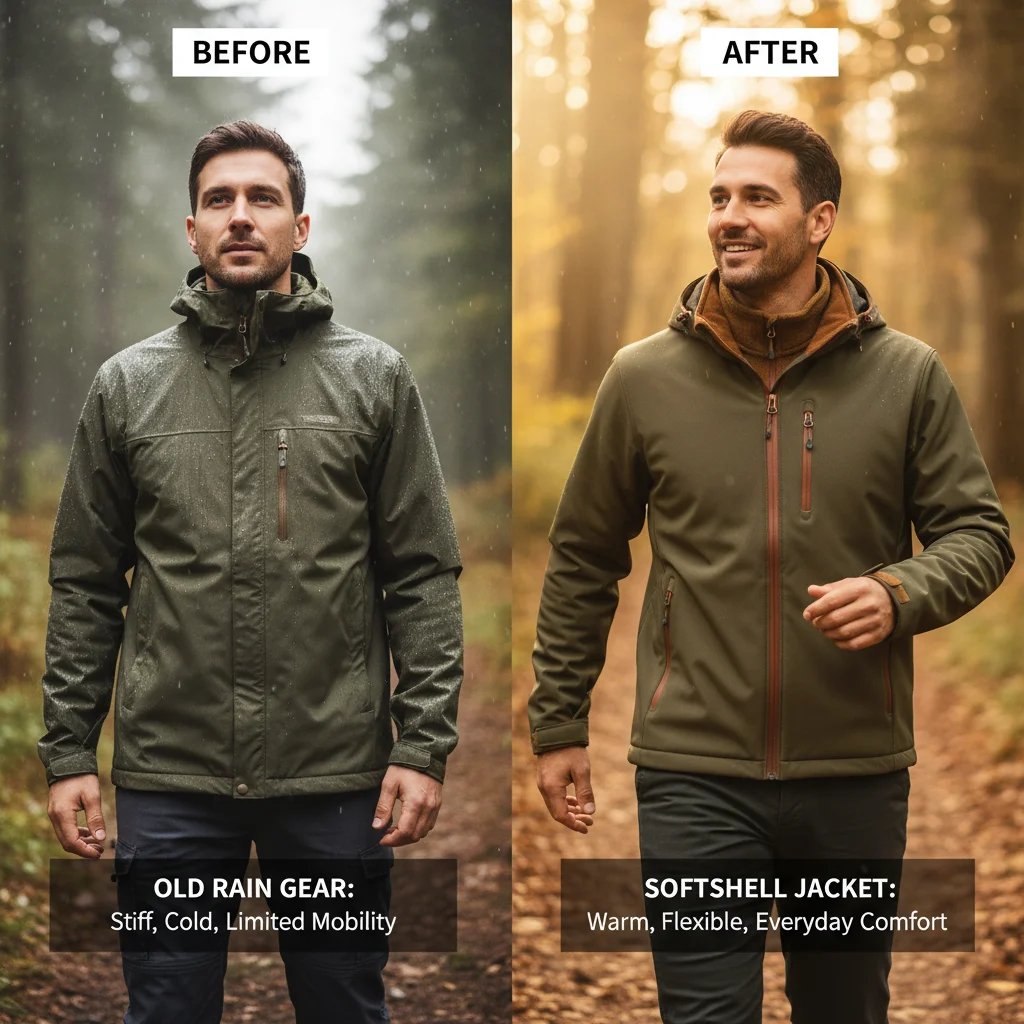
But the problem is real: traditional hard shells can be stiff, noisy, and less breathable — limiting mobility and comfort. Meanwhile, as extreme weather patterns grow more erratic worldwide, from flooding in Southeast Asia to cold snaps in North America, flexible, weather-resistant softshell fabric steps in as a versatile solution.
In simple terms, softshell jacket fabric is a high-performance textile designed to be breathable, stretchy, and water-resistant — but without the rigidity of traditional hardshell materials. It usually features a knit outer layer combined with a tightly woven or laminated membrane inside, balancing comfort and protection.
Unlike classic waterproof membranes, softshell fabrics trade off some water impermeability for increased breathability and stretch. That makes them ideal for active users who need to stay dry from light rain or snow but don’t want to overheat.
Interestingly, these fabrics aren’t just for hikers or skiers anymore; they're employed in logistics, emergency relief, even military uniforms where quick mobility and protection merge.
This is probably the fabric’s biggest selling point. Softshell materials allow moisture vapor to escape while keeping external moisture at bay — meaning you won’t sweat yourself into discomfort during vigorous activity.
Though not fully waterproof, softshell fabrics often feature DWR (durable water repellent) coatings and membranes that keep out light rain and mitigate wind chill. That layered effect is crucial in unpredictable weather.
The knit structures offer significant stretch, typically incorporating elastane or spandex blends. This flexibility offers freedom of movement for technical sports or physically demanding tasks.
With abrasion-resistant outer weaves, these fabrics hold up well against rough use — scratches, brush, and general wear occur daily in industrial and outdoor environments. It’s not just fancy hiking gear — it's a workhorse.
While lighter than heavy fleece, many softshells include insulating layers or air-trapping weaves to retain warmth without bulk — a clever balance especially useful in mild to cold transitional weather.
Makes the fabric easy to carry, stash, or layer without ruining your backpack space.
Mini takeaway: What sets softshell jacket fabrics apart is this blend of breathability, stretch, and weather resistance — a hybrid textile built for comfort and performance in varied settings.
| Feature | Typical Range | Comments |
|---|---|---|
| Water Resistance | 5000-10,000 mm (Hydrostatic Head) | Light to moderate rain protection |
| Breathability | 5000-20,000 g/m²/24h | Moisture vapor transmission rate (MVTR) |
| Stretch | +30% elastane/spandex blend | Ensures flexibility |
| Weight | 200-350 g/m² | Light to midweight fabric |
| Vendor | Fabric Type | Water Resistance | Price Range (per meter) | Special Features |
|---|---|---|---|---|
| AlphaTex | 4-way stretch woven knit | 8000 mm | $15-$20 | Eco-friendly DWR |
| StormGuard | Soft brushed finish | 10,000 mm | $18-$25 | High breathability |
| EcoFlex | Recycled polyester blend | 7000 mm | $12-$18 | Sustainably sourced |
Softshell jacket fabric isn’t just for weekend warriors and outdoor addicts. I’ve noticed NGOs and humanitarian outfits increasingly adopt gear made with these fabrics — especially in massive post-disaster relief operations, where clothes must be durable, lightweight, reliable, and comfortable over long shifts.
In remote industrial zones, like mining sites in Canada’s far north or offshore oil rigs, workers rely on softshells to protect against biting cold and wind, while allowing enough breathability for sweat management. \
Even in military applications, the blend of protection and flexibility suits rapid-response teams who face shifting climates and rough terrains. The fabric’s scalability and cost efficiency make it attractive for mass outfitting without sacrificing quality.
Mini takeaway: From alpine rescue teams to urban responders, softshell jacket fabric finds use wherever the weather can't be fully tamed — but human performance still can.
Manufacturers are experimenting with bio-based membranes and water-repellent coatings that ditch harmful fluorocarbons. The rise of digital textile printing means more customizable patterns and functional zones within a single fabric.
Smart textiles, embedded sensors, and UV-responsive materials could transform softshells into not only protective gear but active monitors for wearer wellness. Plus, automated weaving and bonding techniques might soon scale production faster while lowering costs.
Softshell fabrics do have their limitations — they’re not fully waterproof and can struggle in torrential downpours over extended periods. Also, balancing stretch with durability often means a trade-off.
Experts recommend layered systems—softshell jackets paired with lightweight hardshell shells, depending on the mission. New membrane tech and hybrid fabric blends aim to push those boundaries, gradually minimizing performance compromises. Careful fabric testing per ISO 11092 (breathability measurement) and ISO 4920 (spray test for water repellency) ensures product claims hold water.
Softshell fabrics excel in light to moderate rain but are not fully waterproof. For heavy, sustained downpours, pairing with a waterproof hardshell is advisable. Softshells prioritize breathability and comfort over full waterproofing.
Regularly clean your softshell according to the manufacturer's instructions, usually a gentle wash without fabric softeners. Reapply DWR treatment periodically to maintain the water-repellent layer's effectiveness.
Absolutely. Many industries requiring worker mobility and weather protection—like forestry, mining, and rescue services—use softshell fabrics for their balance between protection and comfort.
Increasingly yes. Advances in recycled fibers and eco-friendly coatings ensure sustainability without sacrificing durability, supporting long-term use and waste reduction.
Several vendors specialize in technical softshell textiles. It’s best to request samples, review specs (like MVTR, DWR rating), and assess sustainability certifications. Industry trade fairs and online platforms like ours can be excellent starting points.
Softshell jacket fabric is more than just a material staple for outdoor enthusiasts—it’s a growing solution bridging comfort, protection, and sustainability. Its global impact touches industries and communities facing unpredictable climates and challenging environments.
If you’re exploring fabrics for your next gear line or upgrading your production, it pays to understand these fabrics’ nuances. After all, better materials can mean safer workers, happier customers, and yes — a softer touch against the wind and rain.
Curious to see more options and technical data? Visit our website: softshell jacket fabric to explore premium selections and expert advice.
Mini takeaway: The future’s probably soft, flexible, breathable... and it’s coming with a little science and a lot of sweat equity behind it.
References:
1. ISO textile standards on breathability and water resistance, ISO 11092
2. United Nations Sustainable Development Goals, https://sdgs.un.org/goals
3. Outdoor Industry Association Market Reports, outdoorindustry.org


If you are interested in our products, you can choose to leave your information here, and we will be in touch with you shortly.