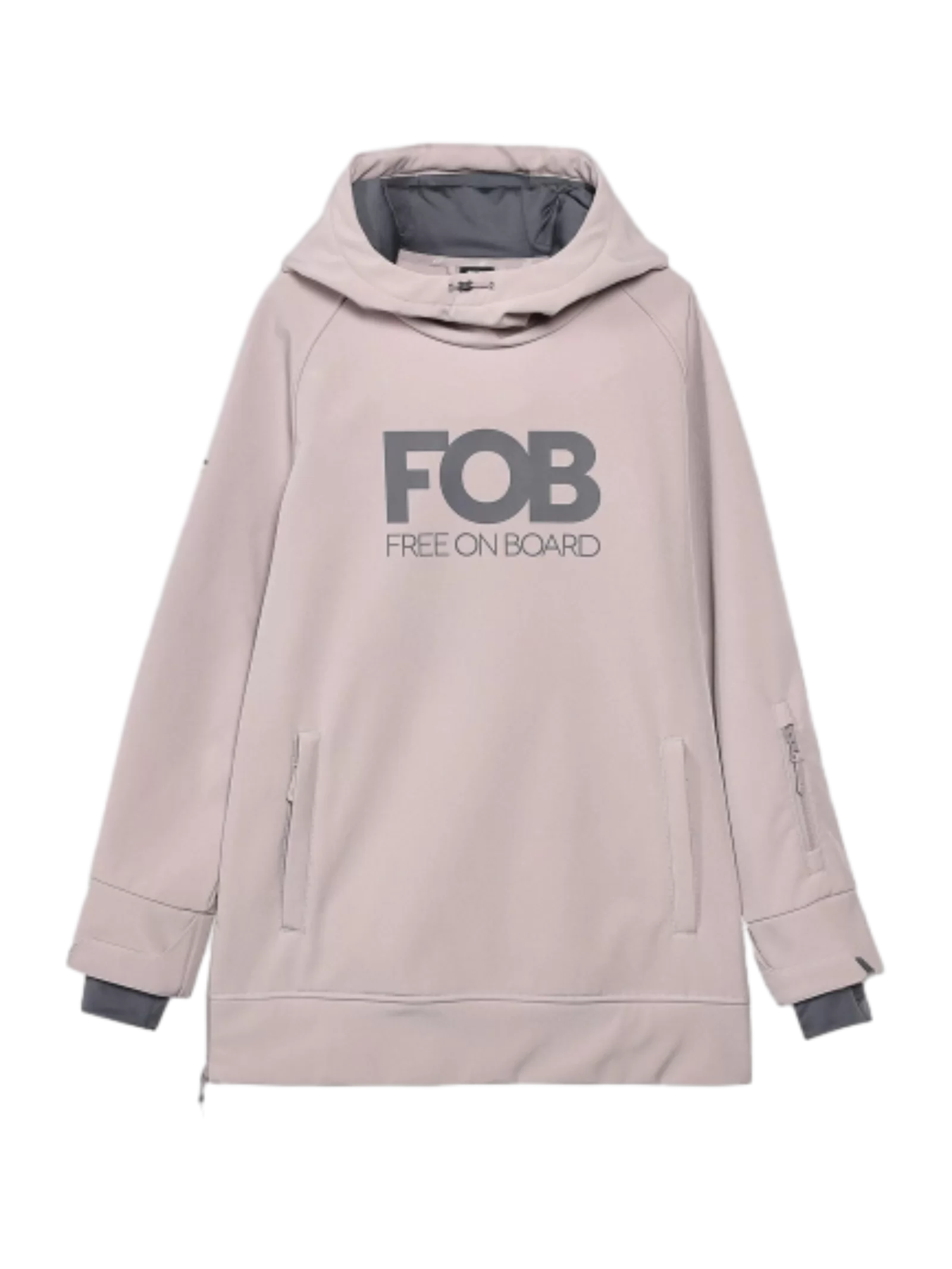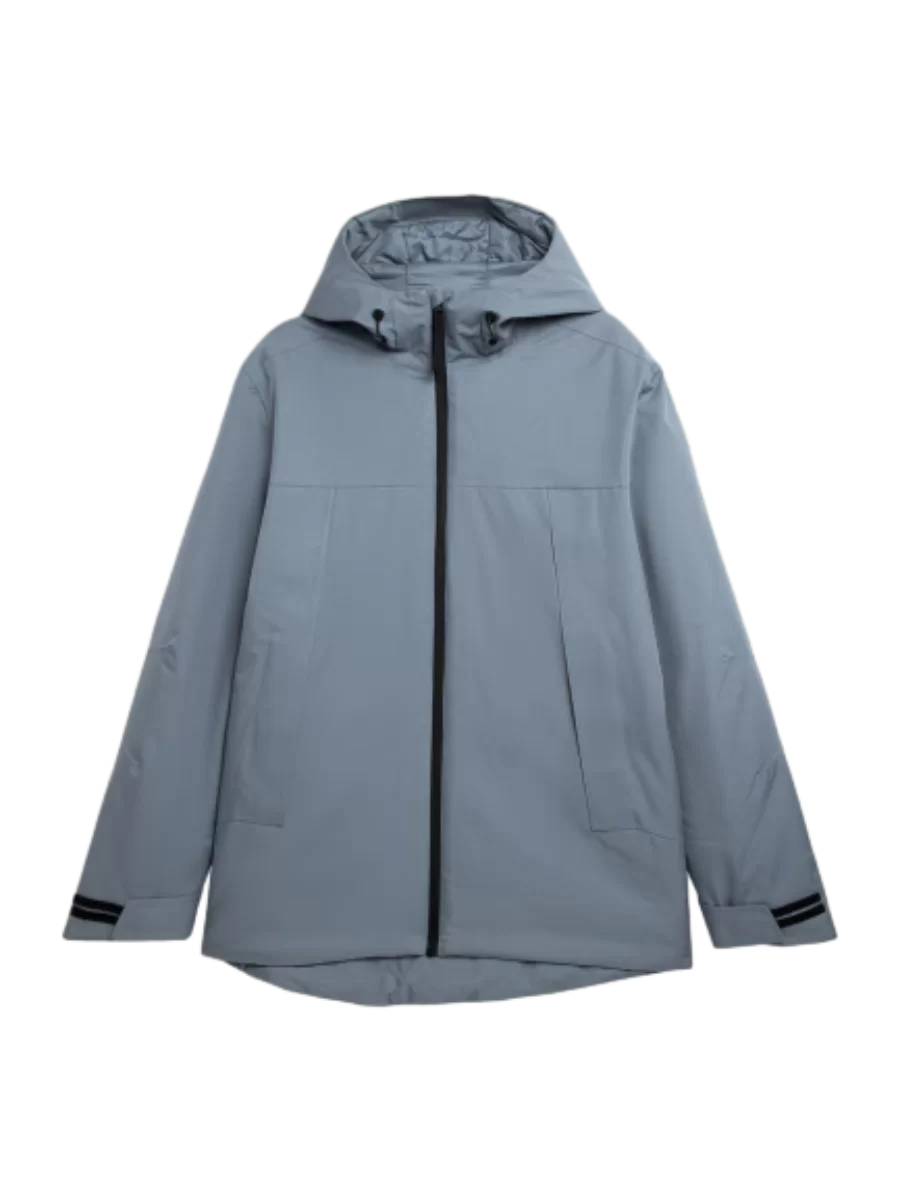
Winter’s chill is no joke, especially if you spend time outdoors. Enter warm puffer jackets — those insulated, quilted coats that look like they’re stuffed with marshmallows. But beyond the trendy look, they serve a vital global function.
Why does understanding warm puffer jackets matter? Well, they’re not just fashion statements; they’re fundamental to staying safe, comfortable, and mobile in harsh climates worldwide. From Arctic researchers to city dwellers battling unexpected frost, their design advances impact lives in cold places ranging from Siberia to northern Canada.
We’ll walk through what warm puffer jackets really are, their key features, global uses, and why investing in quality outerwear is not just a choice—it’s a necessity.
According to the World Meteorological Organization, average global temperatures fluctuate significantly with harsh winters becoming increasingly unpredictable. In many northern latitudes, sub-zero temperatures can persist for weeks or months. For the roughly 10% of the world’s population living in cold zones (source: UN), staying warm isn’t just comfort—it’s survival.
Yet climate change paradoxically increases extreme weather variability, making insulated clothing even more critical than before. Warm puffer jackets, with their combination of thermal insulation and weather resistance, present a reliable solution for coping with these challenges.
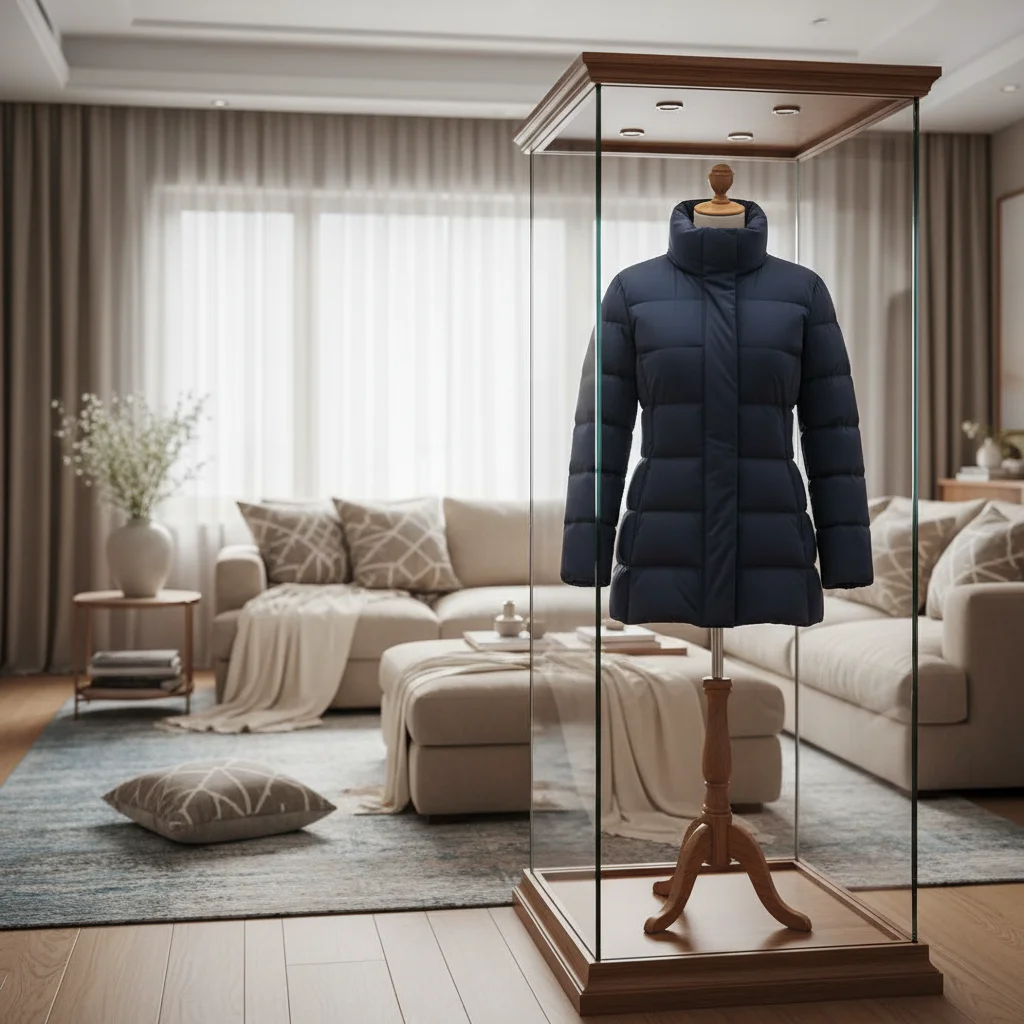
In simple terms, warm puffer jackets are outerwear garments filled with insulating materials—typically down feathers or synthetic fibers—that trap body heat effectively. Their signature quilted, “puffy” look comes from the stitching that keeps filling evenly distributed, preventing cold spots.
This apparel’s role spans beyond casual wear; it’s a mainstay in sectors like outdoor sports, humanitarian relief, and industrial work where temperature regulation can’t be compromised.
There’s a classic debate between natural down (duck or goose feathers) vs. synthetics like PrimaLoft. Down offers excellent warmth-to-weight ratio but loses loft when wet. Synthetic insulation keeps warmth even in damp conditions, making it practical for unpredictable weather.
Durability and weather resistance come from the outer shell — typically nylon or polyester blended with a DWR (durable water repellent) finish. It keeps moisture out and withstands wear and tear in rugged environments.
Many wearers appreciate how easily puffer jackets can compress for travel or layering. Lightweight yet warm jackets allow for mobility without bulk, a critical factor in extreme sports or field research.
Adjustable cuffs, hoods, and hemlines improve heat retention while zippers and pockets enhance function. These details often mean the difference between comfort and frostbite during long outdoor activities.
Increasingly, brands are moving toward recycled fabrics and ethically sourced down—important given textile industry's environmental footprint (ISO 14000 standards provide useful guidelines here).
| Feature | Down Jacket X | Synthetic Jacket Y |
|---|---|---|
| Insulation Type | 800 Fill Goose Down | PrimaLoft Gold Synthetic |
| Water Resistance | Water-Resistant DWR Coating | Highly Water-Resistant Shell |
| Weight | Approx. 350g (Medium) | Approx. 390g (Medium) |
| Packability | Highly Compressible | Moderate Compressibility |
| Sustainability | Responsible Down Standard (RDS) Certified | Made with 50% Recycled Fibers |
Mini takeaway: The versatility of warm puffer jackets means they’re more than just fashion—they’re a cornerstone in diverse cold-weather challenges worldwide.
Beyond immediate warmth, these jackets provide long-term value too. Durability means fewer replacements, supporting environmental sustainability principles. There’s also the emotional comfort of feeling protected in extreme conditions—a subtle but real form of psychological reassurance.
On the logical side, investing in quality insulated jackets reduces health risks related to cold exposure, such as hypothermia and frostbite, which, frankly, can be life-threatening. In communities where outdoor exposure is unavoidable, warm puffer jackets literally save lives.
Innovations are reshaping the industry. Bio-based synthetic insulation materials are emerging, combining biodegradability with performance. Smart textiles embedded with sensors to monitor body temperature and adjust insulation may soon be commonplace, helping users regulate their warmth dynamically.
Sustainability remains top of mind—brands increasingly employ closed-loop manufacturing and circular economy principles, reducing textile waste and environmental footprint.
Despite advances, water resistance often remains a weak point for down jackets without additional treatments. Meanwhile, synthetic alternatives sometimes sacrifice compressibility or feel heavier. Balancing these trade-offs is an ongoing design challenge.
Experts suggest layering strategies to complement jackets, plus improved manufacturing transparency so consumers understand exactly what they’re buying. Plus, more education about jacket care—proper washing, storage—can prolong product lifespan dramatically.
| Brand | Insulation Type | Sustainability Efforts | Price Range |
|---|---|---|---|
| FrostPeak | Responsible Down Standard Certified Goose Down | Uses recycled nylons and RDS down | $250 - $400 |
| SnowStride | High-loft synthetic insulation | 50% recycled fibers, waterless dyeing process | $180 - $300 |
| ArcticWay | Premium Goose Down with water-resistant shell | Limited sustainability focus currently | $300 - $500 |
Stay warm and keep exploring…


If you are interested in our products, you can choose to leave your information here, and we will be in touch with you shortly.