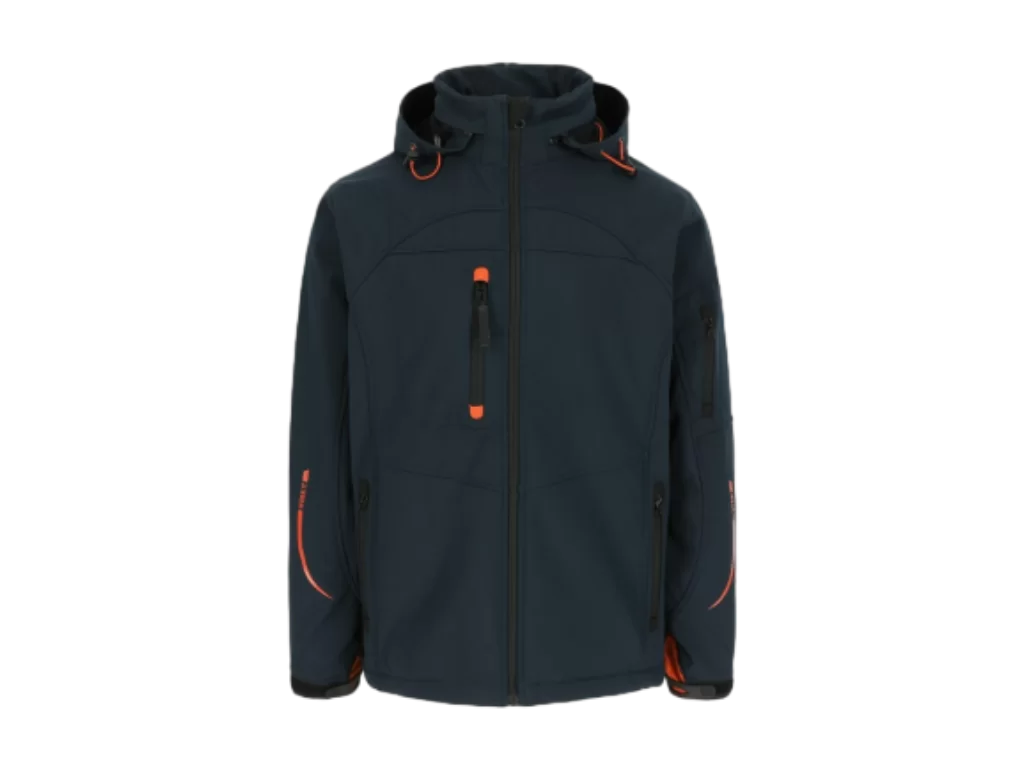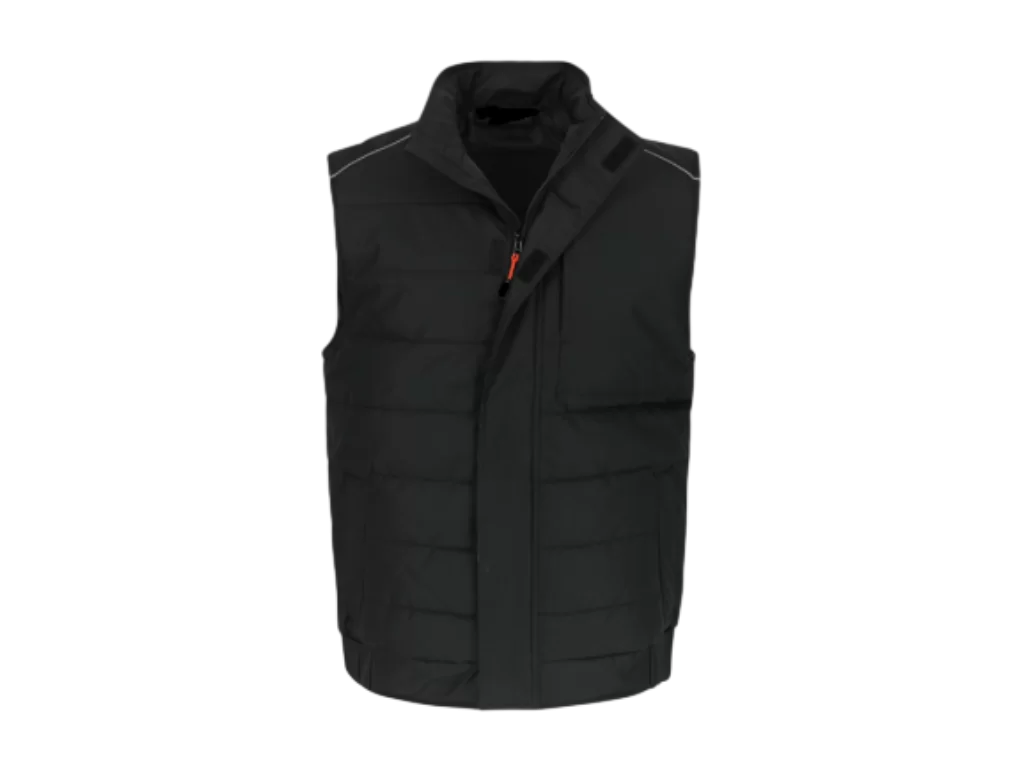

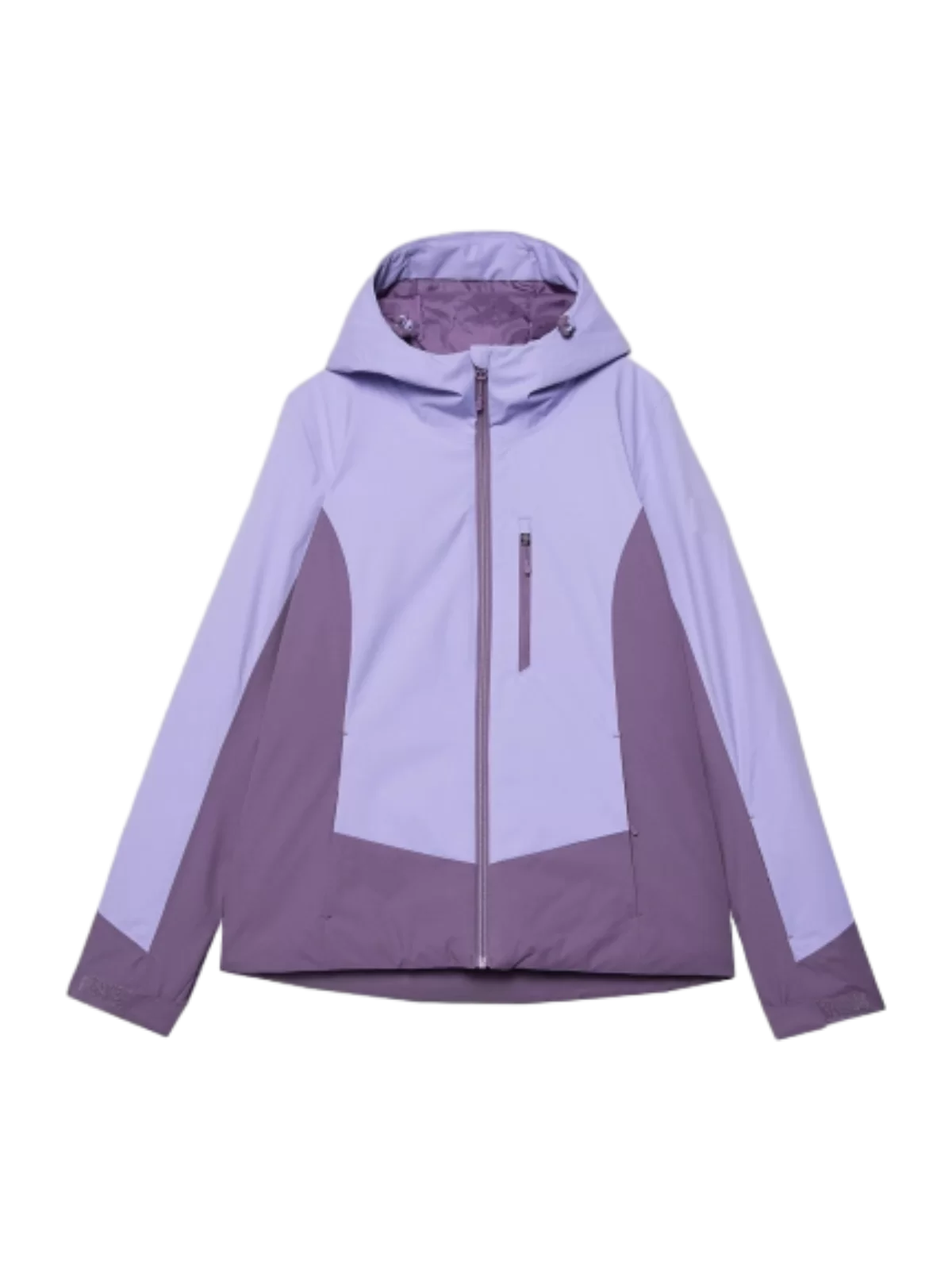
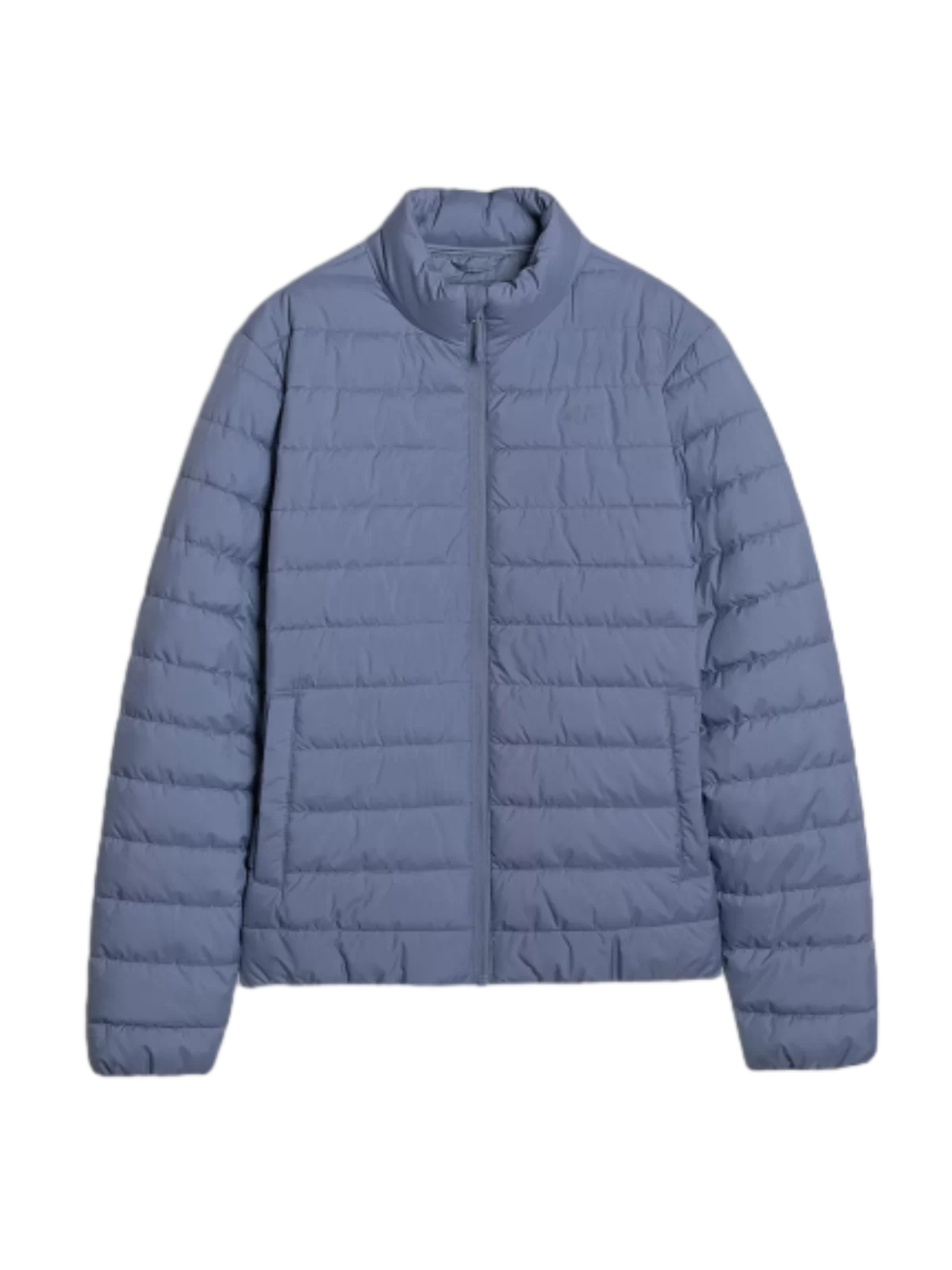
Indonesia's textile landscape is currently transitioning from mass-market garment assembly to specialized technical weaving. The humid tropical climate of the archipelago creates a unique demand for quality outdoor wear that balances extreme breathability with water-repellent properties, forcing local manufacturers to upgrade their loom precision.
Economically, the region is seeing a surge in domestic adventure tourism, which has shifted the focus toward high quality outdoor clothing. This shift requires a move away from traditional heavy cottons toward synthetic polymer blends and recycled nylon that can withstand the volcanic terrains and rainforest humidity of Java and Sumatra.
However, the industry faces a critical gap in high-end finishing processes. While the weaving capacity is robust, the integration of PFC-free DWR (Durable Water Repellent) coatings remains a challenge, creating a significant opportunity for manufacturers who can implement sustainable, high-performance chemical treatments.