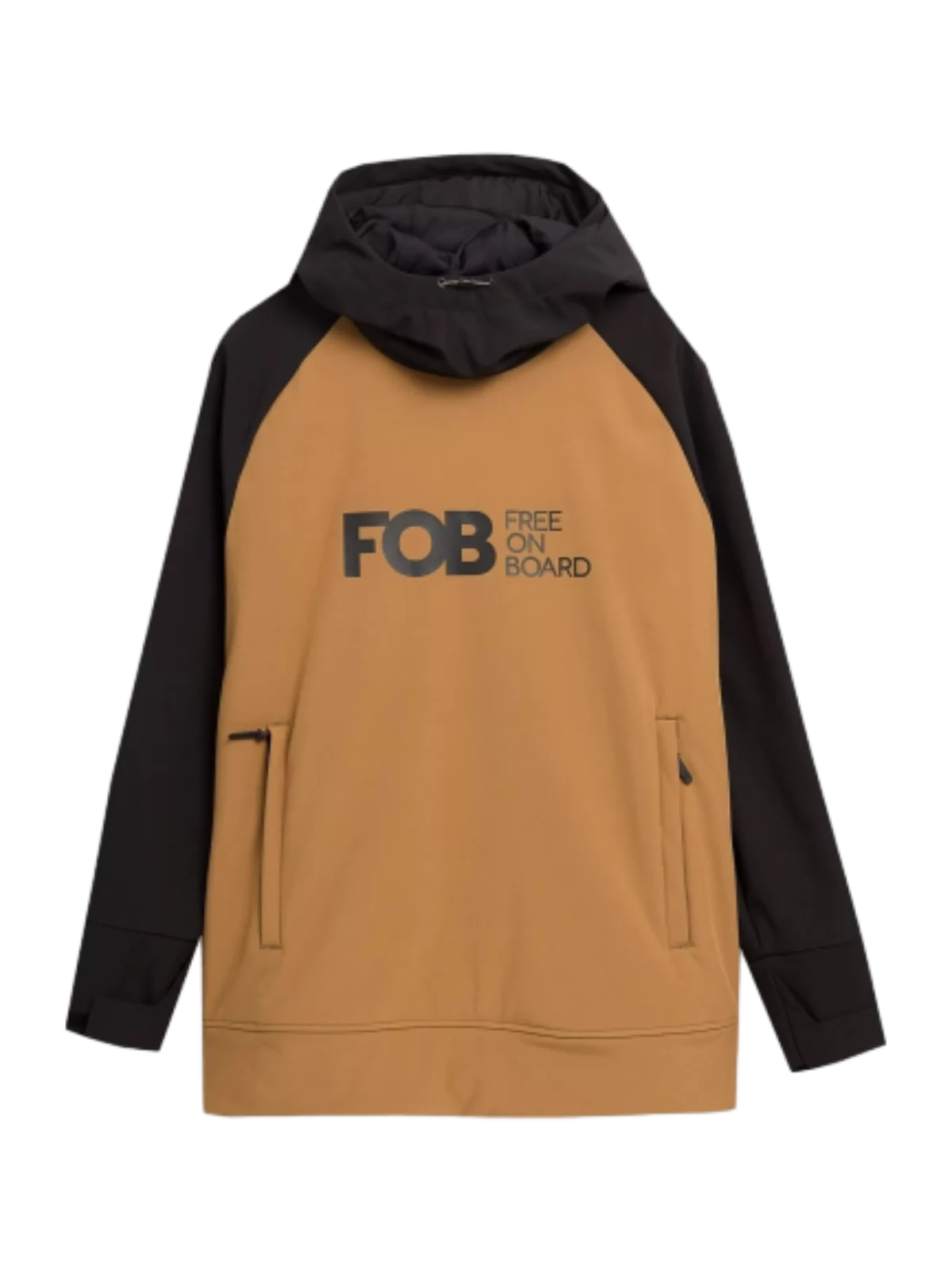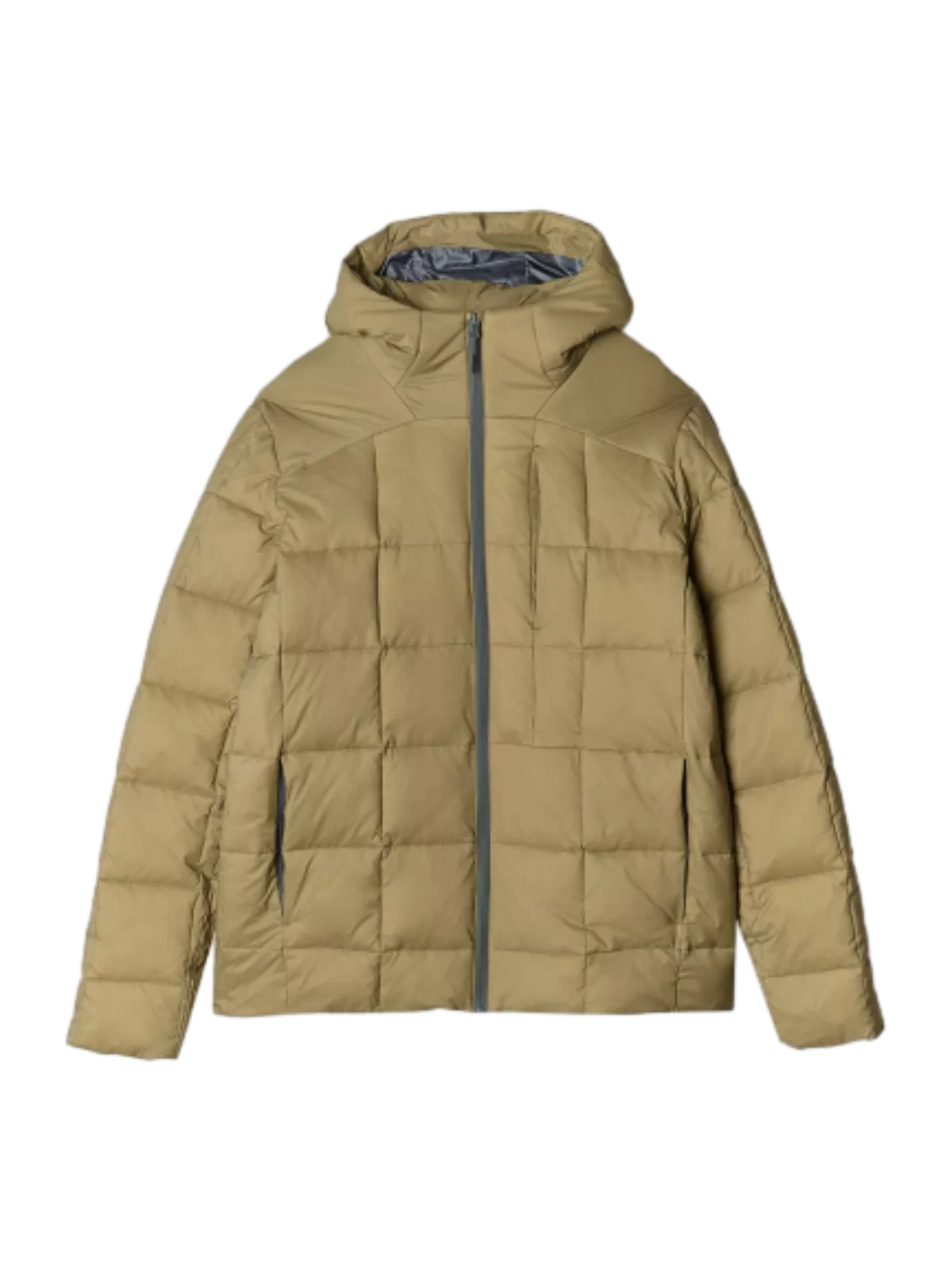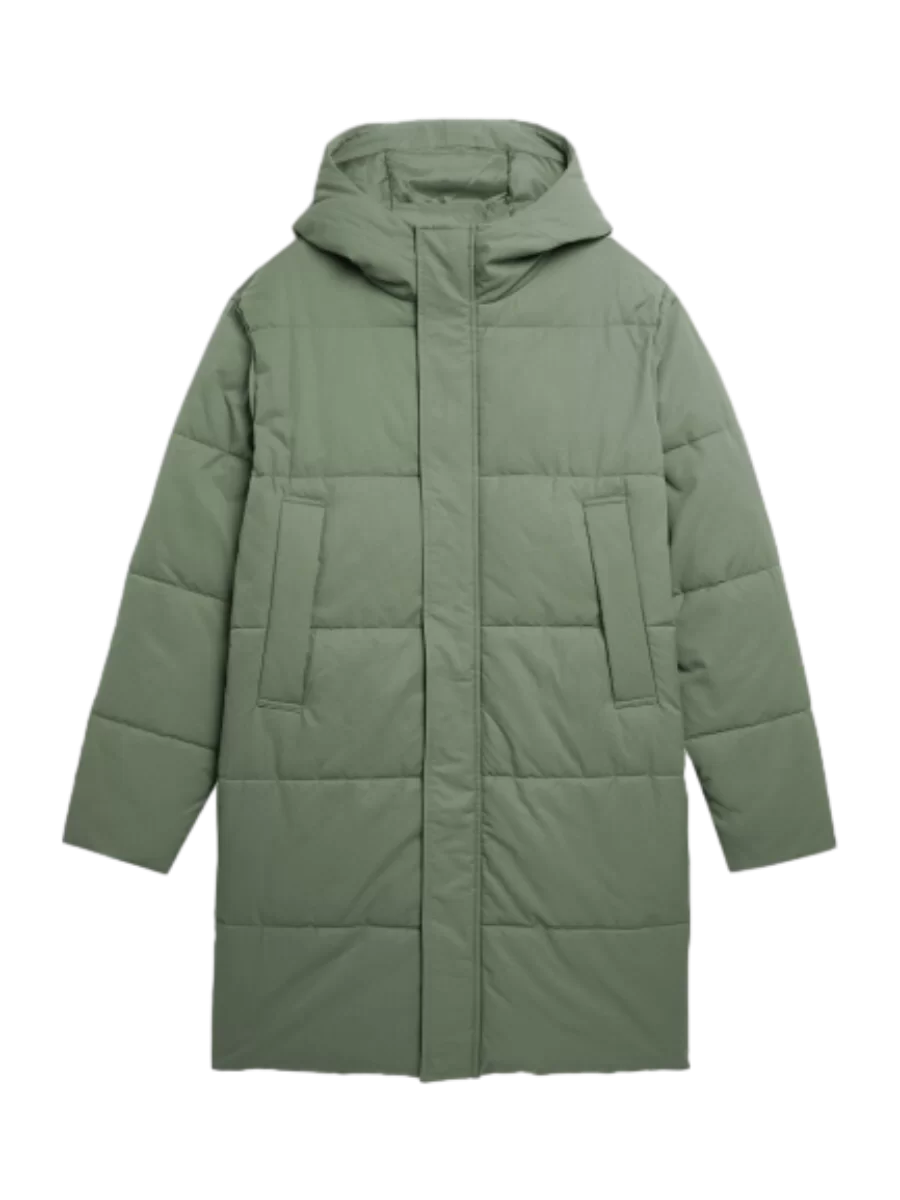
As winter approaches, staying warm and stylish becomes a top priority. A down puffer jacket is a staple in many wardrobes, offering exceptional insulation and versatility. This comprehensive guide will explore everything you need to know about down puffer jackets, from their benefits and features to choosing the right one for your needs. Whether you're braving a blizzard or simply navigating a chilly commute, a quality down jacket will keep you comfortably warm. We’ll delve into fill power, materials, and styles to help you make the best choice.
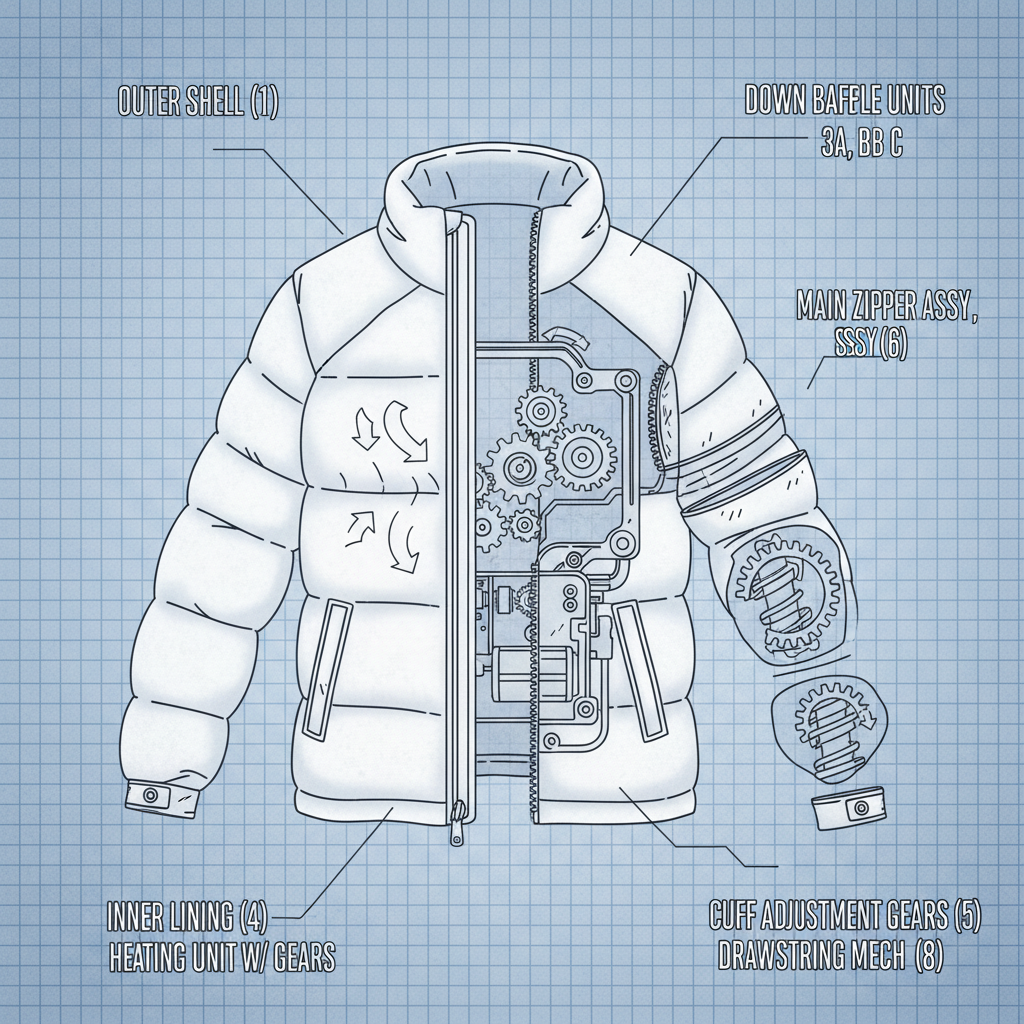
Down puffer jackets owe their incredible warmth to the natural insulation provided by duck or goose down. This fluffy material traps air, creating a barrier against the cold. The quality of down is measured by 'fill power,' which indicates the loft or volume of the down. Higher fill power means more air can be trapped, resulting in greater warmth for the same weight. These jackets also feature a baffle construction, which creates chambers to keep the down evenly distributed, preventing cold spots. The outer shell material plays a role too, as it provides wind resistance and water repellency.
Key Highlights: Down’s loft creates air pockets for superior insulation. Fill power dictates warmth and weight, while baffle construction ensures even heat distribution.
Fill power is a crucial factor when choosing a down puffer jacket. It ranges from 300 to 900+, with higher numbers indicating superior quality and warmth. A fill power of 550-650 is considered good for everyday use, while 700-800 provides excellent warmth for colder conditions. Jackets with fill power of 800+ are typically reserved for extreme cold weather activities. Keep in mind that higher fill power often comes with a higher price tag.
Fill Power Guide:
• 300-400: Suitable for mild winters.
• 550-650: Good for everyday wear in moderate climates.
• 700-800: Excellent warmth for cold conditions.
• 800+: Ideal for extreme cold and demanding activities.
While down offers exceptional warmth-to-weight ratio, synthetic insulation is a viable alternative. Synthetic insulation performs better in wet conditions, retaining some warmth even when damp. Down loses its insulating properties when wet, and takes time to dry. Synthetic insulation is often more affordable and hypoallergenic. However, it generally doesn’t offer the same level of warmth for the same weight as high-quality down. Choosing between down and synthetic depends on your priorities and typical weather conditions.
Down puffer jackets come in various styles to suit different needs. Classic puffer jackets offer full-length warmth. Shorter, cropped styles are fashionable and provide core warmth. Hooded jackets provide additional protection from the elements. Many jackets are also packable, making them ideal for travel. Consider your activity level and the climate you’ll be wearing the jacket in when choosing a style. Explore the wide range of styles available at Outdoor Apparels to find the perfect fit for your lifestyle.
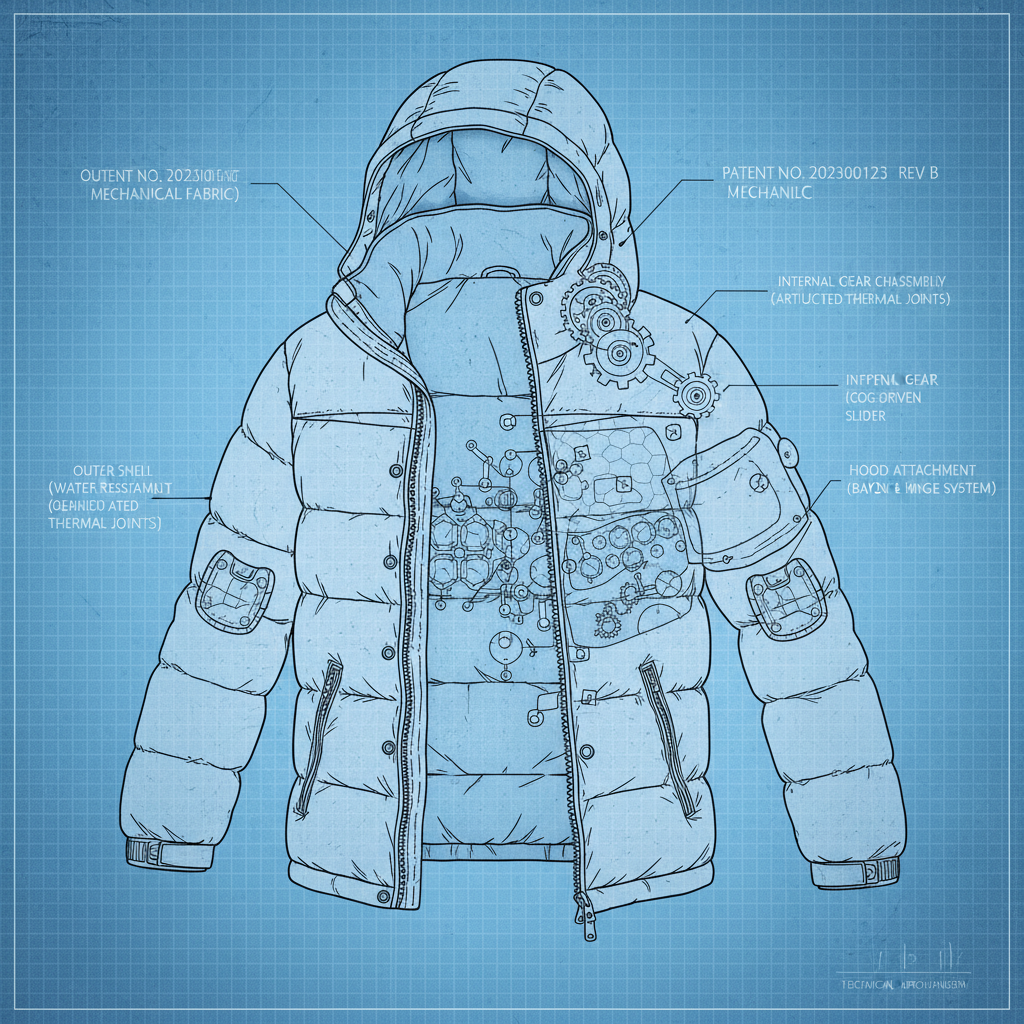
Proper care will extend the life of your down puffer jacket. Follow the manufacturer's instructions for washing and drying. Generally, machine wash on a gentle cycle with a down-specific detergent. Tumble dry on low heat with dryer balls to help restore the down's loft. Avoid harsh chemicals and excessive heat, as these can damage the down. Proper storage is also crucial; store the jacket in a breathable bag to prevent compression and maintain its loft.
Investing in a quality down puffer jacket is a smart choice for anyone seeking warmth, comfort, and style. By understanding the key features, considering your needs, and providing proper care, you can enjoy years of cozy warmth. Browse the extensive collection at Outdoor Apparels today and find the perfect down jacket to conquer the cold!
The Responsible Down Standard (RDS) is an independent, third-party certification that ensures down and feathers come from ducks and geese that have been treated humanely. It prohibits practices like force-feeding and live-plucking. When purchasing a down puffer jacket, looking for the RDS logo guarantees that the down used has been sourced ethically. This is an important consideration for consumers who prioritize animal welfare. Outdoor Apparels is committed to sourcing down from RDS-certified suppliers.
A good rule of thumb is to wash your down jacket when it starts to lose its loft or becomes visibly dirty. Down loses its insulating properties when it's compressed with dirt and oils. You should also wash it if it develops an odor. Avoid washing it too frequently, as this can shorten its lifespan. Spot clean minor stains whenever possible.
Down itself is not waterproof. However, most down puffer jackets have a water-resistant or waterproof outer shell. This shell helps to repel light rain and snow. For heavy rain or prolonged exposure to wet conditions, you may need to pair your down jacket with a waterproof outer layer. Look for jackets with a Durable Water Repellent (DWR) finish for enhanced water resistance.
Store your down jacket in a breathable storage sack, rather than a plastic bag. This allows air to circulate and prevents the down from becoming compressed. Avoid storing it in a damp or humid environment. Hang it in a closet or store it in a cool, dry place. Proper storage will help maintain the down's loft and ensure your jacket is ready to keep you warm when you need it.


If you are interested in our products, you can choose to leave your information here, and we will be in touch with you shortly.