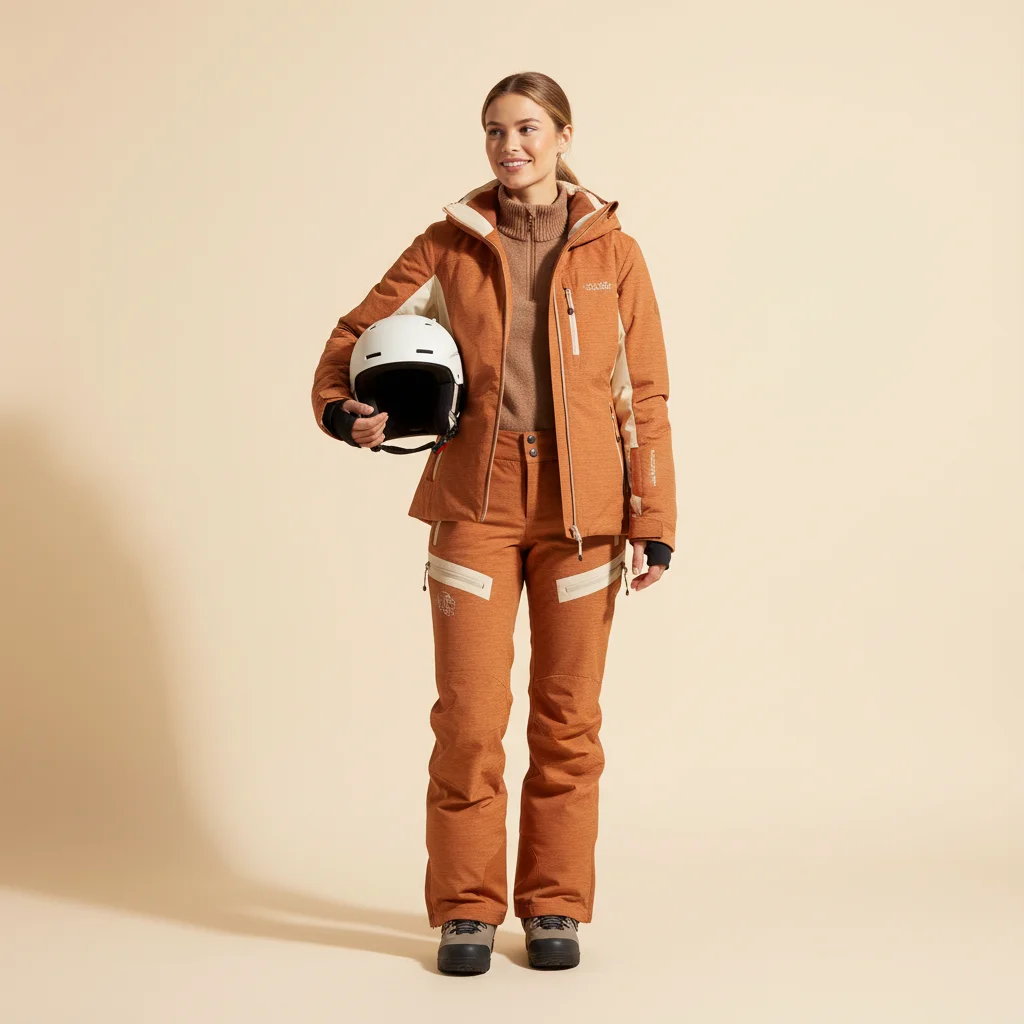
Finding the perfect balance between technical performance and everyday versatility is the primary goal for outdoor enthusiasts searching for a quality hiking clothes sale. In the modern apparel market, the demand for transitional gear that can handle unpredictable weather while remaining stylish for urban environments has seen a significant surge. Understanding the intersection of material science and ergonomic design is key to selecting gear that ensures safety and comfort on the trail.
Globally, the outdoor recreation industry has evolved from niche sporting gear to a mainstream lifestyle choice, driven by a growing emphasis on wellness and environmental connection. However, many consumers struggle with the "performance gap"—where clothes are either too technical for daily wear or too casual for rigorous activities. This challenge is why specialized transitional jackets have become a cornerstone of the modern outdoor wardrobe.
Whether you are preparing for a weekend trek or seeking durable daily wear, keeping an eye out for a hiking clothes sale can provide access to professional-grade synthetic materials that offer windproofing and water resistance without the premium price tag. By focusing on functional specifications like hydrophobic coatings and taped seams, hikers can ensure they remain dry and warm in transitional seasons.

Technical Foundations of Transitional Gear
The core of high-performance transitional gear lies in the use of 100% polyester synthetic materials. This choice of fabric ensures that the garment is not only durable and wear-resistant but also easy to maintain, making it an ideal candidate for those browsing a hiking clothes sale for gear that survives repeated exposure to rough terrains.
Unlike traditional heavy coats, transitional jackets are engineered for thermal comfort during warmer days while providing a barrier against wind and light rain. This versatility allows the user to move seamlessly from a casual city stroll to a moderately challenging sports activity without needing a wardrobe change.
Weather Protection and Material Science
Effective weather protection begins with a hydrophobic impregnation coating. This critical layer prevents the fabric from absorbing water, causing moisture to bead up and run off the surface. For users seeking a hiking clothes sale, this feature is essential for maintaining core temperature and preventing the garment from becoming heavy and sodden during light showers.
To enhance this protection, targeted engineering is applied to the most vulnerable areas. Taped critical seams on the hood and shoulders act as a secondary defense, preventing water from penetrating the interior through needle holes. This hybrid approach ensures that the jacket remains breathable while offering focused waterproof capabilities where they are needed most.
Furthermore, the integration of a high collar and a one-way main zipper with an internal wind flap minimizes cold air infiltration. This structural design prevents wind-chill from compromising the wearer's thermal comfort, proving that professional-grade gear is about more than just the fabric—it is about the strategic architectural layout of the garment.
Ergonomic Design for Active Motion
Ergonomics play a pivotal role in how a jacket performs during physical exertion. A regular fit is designed to adapt comfortably to the human silhouette, ensuring that the wearer has a full range of motion. When searching for a hiking clothes sale, checking for a "regular fit" ensures that you can layer a fleece underneath without restricting your arms or torso.
The inclusion of adjustable elements—such as a volume-adjustable integrated hood, velcro cuffs, and a tunnel drawstring at the waist—allows the wearer to customize the fit in real-time. This adaptability is crucial during a hiking clothes sale purchase, as it ensures the jacket can be sealed tight against a sudden storm or loosened for better ventilation during a steep climb.
Storage is another critical ergonomic factor. By incorporating two zippered side pockets and a secure internal pocket with velcro, the jacket provides safe storage for essential items like smartphones and keys. This ensures that valuables are protected from both the elements and the risk of falling out during active movement.
Performance Metrics for Outdoor Apparel
Evaluating the quality of outdoor gear requires looking beyond aesthetics to specific functional metrics. Factors such as breathability, wind resistance, and water-repellency are the primary indicators of a garment's utility. For those sourcing from a hiking clothes sale, comparing these metrics allows for a rational decision based on the intended environment rather than brand name alone.
The balance between waterproofness and breathability is often the hardest to achieve. A jacket that is too waterproof may trap sweat, while one that is too breathable may let in rain. The transitional jacket solves this by using synthetic polyester that supports air exchange while the hydrophobic coating sheds external moisture.
Outdoor Apparel Performance Analysis
Global Applications of Synthetic Outerwear
The application of transitional synthetic jackets extends far beyond recreational hiking. In remote industrial zones, where workers face fluctuating temperatures and light precipitation, the durability of 100% polyester makes these garments a preferred choice for lightweight protective wear. The ability to scale production—with MOQs of 1000pcs—allows corporate entities to standardize their outdoor uniforms for safety and brand consistency.
Furthermore, these garments are increasingly used in urban commuting across Europe and North America, where the "gorpcore" trend has merged high-function outdoor gear with street fashion. By offering a standard length reaching the hip line and a professional solid color palette, the transitional jacket serves both the mountain trail and the city sidewalk, maximizing the utility of every purchase made during a hiking clothes sale.
Long-term Value of Durable Hiking Apparel
Investing in high-quality synthetic outerwear provides tangible long-term value through reduced replacement cycles. Because polyester is naturally wear-resistant and easy to care for, it maintains its structural integrity longer than natural fibers when exposed to the abrasion of backpacks and rocky terrain. This durability ensures that a find from a hiking clothes sale remains a functional asset for several seasons.
From a logical perspective, the cost-efficiency of such gear is found in its versatility. A single jacket that functions as a windbreaker, a light raincoat, and a casual everyday outer layer eliminates the need for three separate garments. This reduction in consumption aligns with a more sustainable approach to wardrobe management.
Beyond the financial aspect, there is an emotional value in reliability. Knowing that your gear will not fail during a sudden weather shift provides the psychological security needed to explore deeper into nature. The trust built through consistent performance—such as the reliability of taped seams and hydrophobic coatings—is what defines a professional-grade product.
Future Innovations in Textile Engineering
The future of outdoor apparel is moving toward "smart" textiles that can adapt their breathability based on the wearer's body temperature. While current transitional jackets rely on fixed hydrophobic coatings, upcoming innovations include biomimetic materials that open and close pores in response to humidity. This will further enhance the value found in any future hiking clothes sale by offering truly adaptive climate control.
Sustainability is also driving a shift toward recycled polyesters. The industry is transitioning from virgin petroleum-based synthetics to rPET (recycled polyethylene terephthalate), which reduces the carbon footprint of manufacturing without sacrificing the waterproof and windproof properties that hikers rely on. This ensures that the gear we use to enjoy nature does not contribute to its destruction.
Digital transformation in manufacturing, such as 3D knitting and automated seam taping, is reducing waste and increasing the precision of ergonomic fits. As these technologies mature, we can expect gear that is tailored more closely to the individual, reducing bulk and increasing the efficiency of thermal regulation.
Comparison of Technical Specifications for Transitional Outdoor Gear
| Feature Component | Technical Function | User Benefit | Durability Score (1-10) |
|---|
| Hydrophobic Coating | Surface water beading | Stays dry in light rain | 8 |
| Taped Critical Seams | Moisture penetration block | Prevents leaks at shoulders | 9 |
| 100% Polyester | Synthetic fiber structure | High wear-resistance | 10 |
| Internal Wind Flap | Airflow restriction | Increased thermal comfort | 7 |
| Velcro Adjustments | Customizable seal | Prevents wind entry at cuffs | 8 |
| Tunnel Drawstring | Waist circumference control | Better fit and heat retention | 7 |
FAQS
A waterproof jacket typically has a membrane that completely blocks water from entering. A hydrophobic jacket, like those often found in a hiking clothes sale, uses a chemical coating (DWR) that causes water to bead and roll off the surface. Hydrophobic gear is generally more breathable and better for transitional weather, while fully waterproof gear is for heavy rain.
Yes, absolutely. Polyester is hydrophobic, meaning it doesn't absorb water, whereas cotton absorbs moisture and stays wet, which can lead to hypothermia in cold conditions. Synthetic fabrics also dry much faster and are more resistant to abrasion, making them the gold standard for outdoor performance gear.
When fabric is sewn, the needle creates tiny holes along the seam. Taped critical seams involve applying a waterproof tape over these seams in high-exposure areas like the hood and shoulders. This prevents rain from leaking through the stitching, significantly increasing the jacket's protective capabilities during a hike.
Since these jackets are designed for versatility, look for a "regular fit." This provides enough room to wear a light sweater or fleece underneath without restricting your movement. Use the available size range (XS to 3XL) and prioritize the chest and sleeve length to ensure the cuffs sit correctly on your wrists for a proper wind seal.
A transitional jacket is ideal for "shoulder seasons" (spring and autumn) or mild winter days. While it provides windproofing and water resistance, it lacks the heavy insulation of a dedicated ski jacket. However, it can be used as an outer shell over a heavy padding wear jacket for added protection during sports activities.
To maintain the water-repellent finish, avoid using harsh detergents that can strip the coating. Wash the garment according to the care label and occasionally use a spray-on DWR (Durable Water Repellent) treatment if you notice water beginning to soak into the fabric instead of beading off.
Conclusion
Selecting the right gear from a hiking clothes sale is about more than just finding a discount; it is about identifying the technical specifications that match your environment. By prioritizing synthetic materials like 100% polyester, ensuring the presence of hydrophobic coatings and taped seams, and opting for an ergonomic regular fit, you can secure a garment that offers both professional-grade protection and everyday versatility.
As textile technology continues to evolve toward greater sustainability and adaptive functionality, the importance of choosing durable, multi-purpose gear becomes even more evident. We encourage outdoor enthusiasts to invest in quality transitional pieces that bridge the gap between technical performance and urban style, ensuring you are prepared for any adventure the weather may bring. Visit our website: www.outdoor-apparels.com