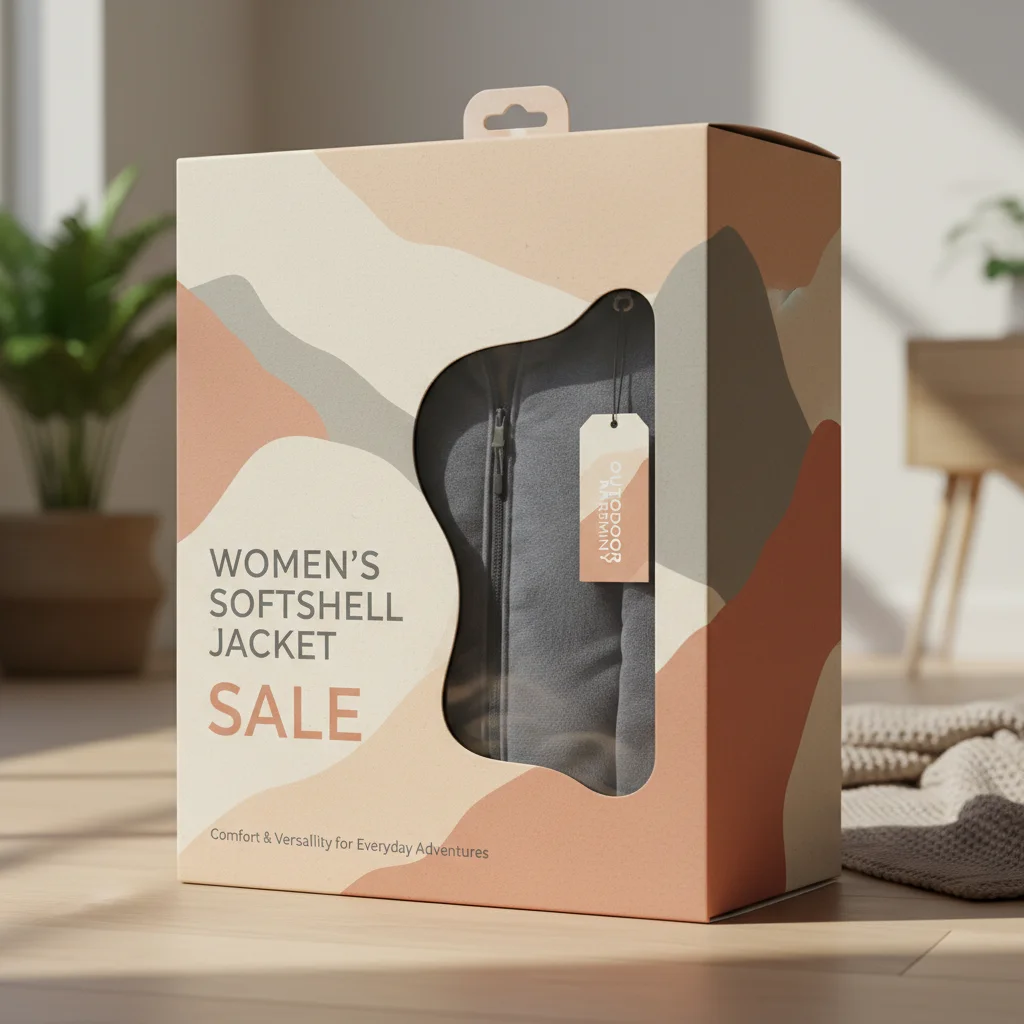
Snowboarding wear represents more than just clothing; it’s a critical component for safety, performance, and enjoyment on the slopes. From insulated jackets and waterproof pants to specialized gloves and helmets, the right gear can make the difference between a fantastic day and a miserable one. The global snowboarding industry is experiencing consistent growth, driven by increasing participation and a rising demand for innovative and comfortable snowboarding wear. This demand creates a significant market for manufacturers and retailers alike.
Understanding the nuances of snowboarding wear is crucial not only for individual riders but also for the broader industry. It impacts everything from material science and design to sustainability practices and consumer choices. Advancements in fabric technology, such as Gore-Tex and PrimaLoft, are constantly pushing the boundaries of what’s possible, offering improved weather protection, breathability, and warmth. This ongoing innovation necessitates continuous learning and adaptation.
The importance of choosing appropriate snowboarding wear cannot be overstated, affecting safety, comfort, and overall experience. As the sport evolves, so too must the gear designed to support it, creating a dynamic and ever-changing landscape.
The Evolution of Snowboarding wear
Initially, snowboarding wear was largely adapted from existing ski wear – bulky and often ill-fitting for the demands of the sport. Early snowboarders often utilized oversized ski jackets and pants, resulting in restricted movement and discomfort. This sparked a need for gear specifically designed for the dynamic movements of snowboarding. Snowboarding wear has undergone a significant transformation over the decades.
The 1990s saw the emergence of brands focused solely on snowboarding, introducing more relaxed fits, waterproof materials, and bolder designs. As the sport gained mainstream popularity, so did the demand for more functional and stylish gear, driving innovation in fabric technology and construction techniques. Today's snowboarding wear prioritizes both performance and aesthetics, offering a wide range of options for riders of all levels.
Defining Snowboarding wear
Snowboarding wear encompasses a specialized category of outdoor apparel designed specifically for the demands of snowboarding. It differs from general winter clothing through its emphasis on waterproofness, breathability, insulation, and freedom of movement. Key components include jackets, pants, gloves, base layers, and often, specialized accessories like beanies and neck gaiters.
The primary function of snowboarding wear is to protect riders from harsh winter conditions – snow, wind, and cold – while allowing for a full range of motion necessary for executing tricks and navigating the terrain. Modern snowboarding wear leverages advanced materials and construction techniques to achieve this balance.
In the modern industry, defining quality snowboarding wear includes assessment of water column ratings, breathability indexes, and seam sealing standards. These metrics help consumers understand the level of protection offered by a particular garment.
Key Components of High-Performance Snowboarding wear
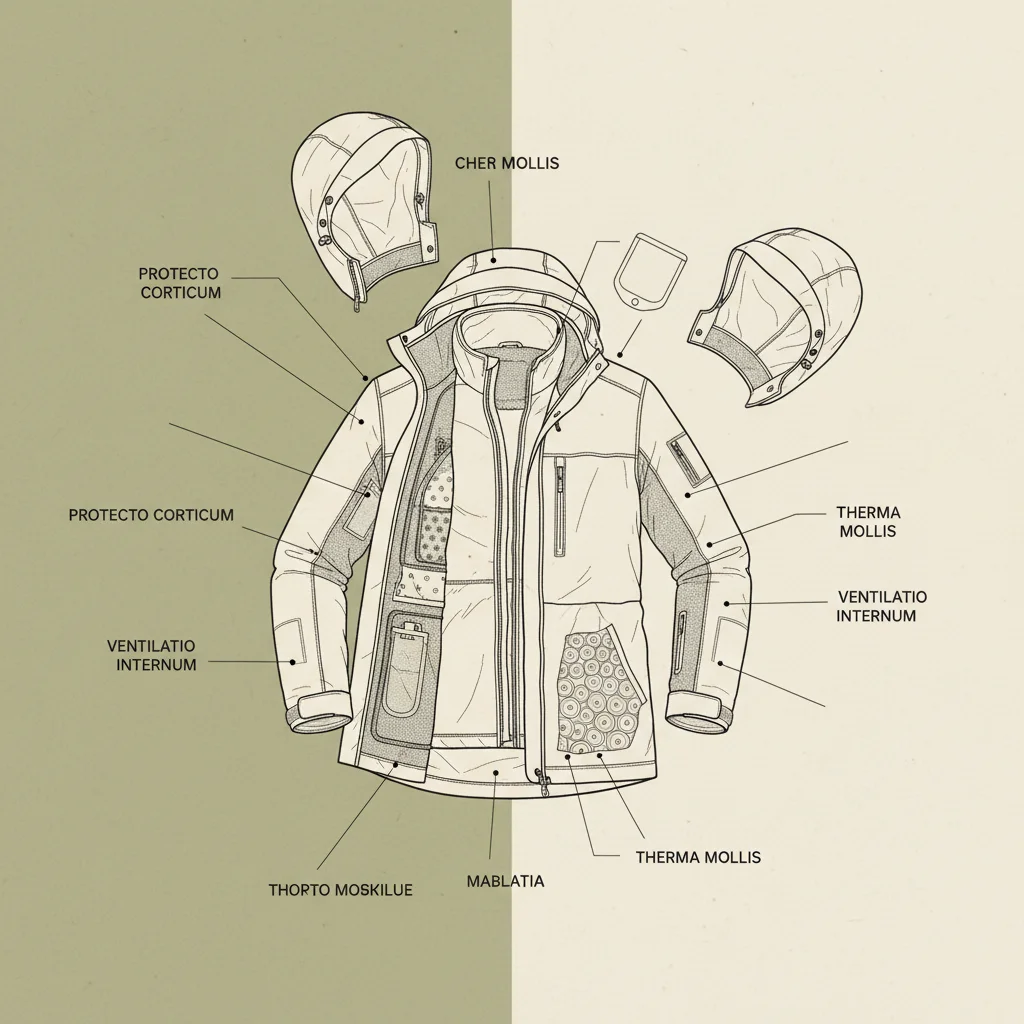
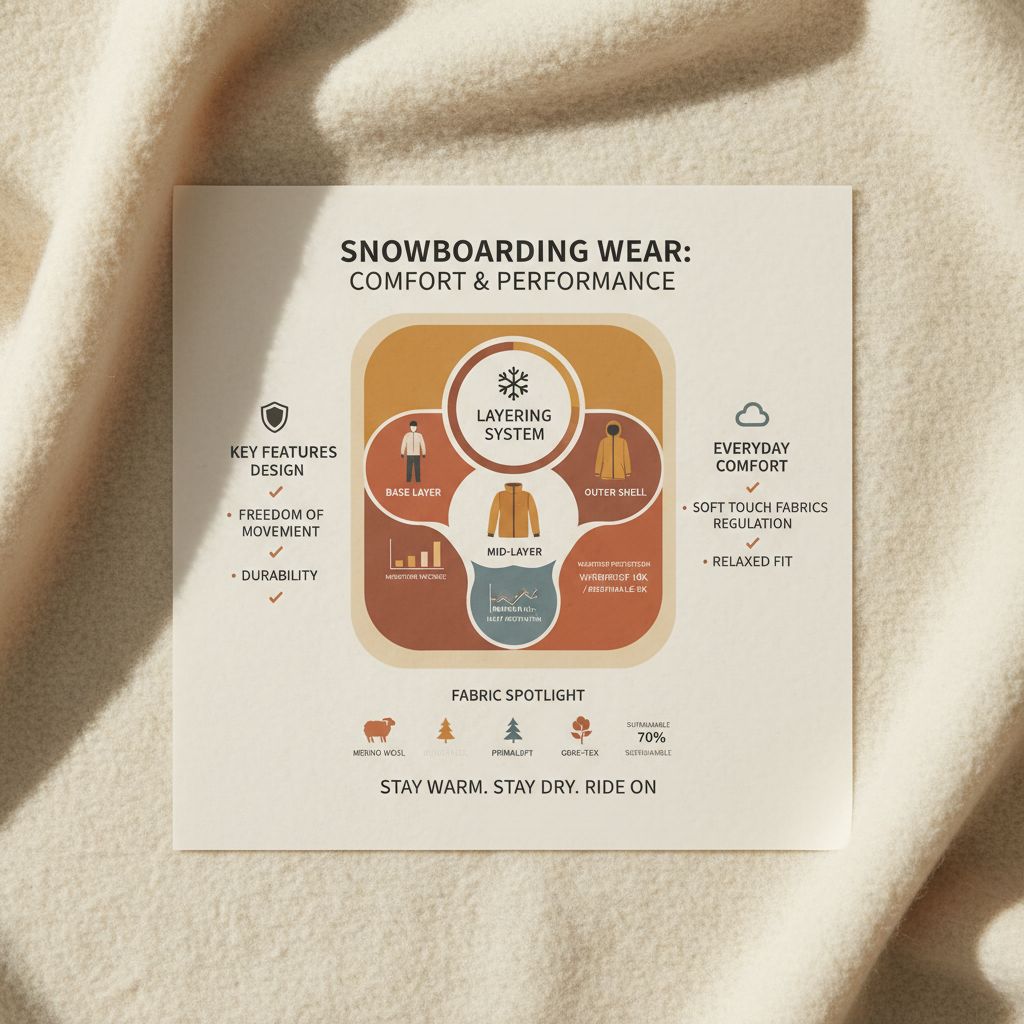
Durability is paramount in snowboarding wear. Riders frequently encounter abrasive snow, tree branches, and hard impacts, so gear must be constructed from robust materials that can withstand these conditions. Reinforced knees and elbows, abrasion-resistant fabrics, and strong stitching are crucial features.
Waterproofing is another essential component. Snowboarding involves inevitable exposure to moisture, so garments must prevent water from penetrating the fabric. Waterproof/breathable membranes, such as Gore-Tex, are commonly used to achieve this balance. Water column ratings indicate the level of waterproof protection.
Breathability is crucial to prevent overheating and moisture buildup from sweat. Breathable fabrics allow water vapor to escape, keeping the rider comfortable and dry. Breathability ratings indicate the fabric’s ability to allow moisture vapor to pass through. Insulation, the final key component, provides warmth in cold conditions, with options ranging from synthetic fills to down alternatives.
Global Applications of Snowboarding wear
Snowboarding wear isn't limited to recreational snowboarding. Its core technologies – waterproofness, insulation, and durability – find application in a wide range of cold-weather activities, including ski mountaineering, ice climbing, and even professional search and rescue operations. Demand is highest in regions with significant snowfall and a thriving snowboarding culture, such as North America, Europe, and Japan.
The industry benefits significantly from regions with robust manufacturing capabilities, like China and Vietnam, where much of the snowboarding wear production takes place. Retailers and brands globally source materials and finished products from these locations.
In remote mountain communities, snowboarding wear serves as essential protection for individuals working and living in harsh winter environments. Furthermore, professional athletes rely heavily on the newest snowboarding wear technology for peak performance in competitions worldwide.
Snowboarding wear Performance Metrics
Advantages & Long-Term Value of Quality Snowboarding wear
Investing in high-quality snowboarding wear translates to enhanced safety on the slopes. Properly insulated and waterproof gear reduces the risk of hypothermia and frostbite, allowing riders to focus on their performance and enjoyment. This reduces potential healthcare costs and associated risks.
From a sustainability perspective, durable snowboarding wear reduces the need for frequent replacements, minimizing textile waste. Furthermore, brands increasingly prioritize eco-friendly materials and production processes, contributing to a more sustainable industry.
Future Trends in Snowboarding wear
The future of snowboarding wear is poised to be shaped by several key trends. These include the integration of smart textiles with embedded sensors for monitoring body temperature and performance metrics, offering personalized feedback to riders.
Biodegradable and recycled materials are gaining traction, reflecting a growing demand for environmentally responsible products. 3D printing and customized apparel offer the potential for tailored fits and reduced waste. The continued development of advanced waterproof/breathable membranes promises even greater comfort and protection.
Sustainability will continue to drive innovation, focusing on minimizing the environmental impact of both material sourcing and manufacturing processes. Expect to see increased use of recycled materials, waterless dyeing techniques, and closed-loop production systems.
Challenges and Sustainable Solutions in Snowboarding wear Production
A significant challenge in the snowboarding wear industry is the reliance on fluorocarbon-based Durable Water Repellent (DWR) treatments, which pose environmental concerns due to their persistence and potential health effects. Developing effective, fluorine-free DWR alternatives is a key priority.
Another challenge is the complexity of recycling textile blends. Most snowboarding wear is made from multiple materials, making it difficult to disassemble and recycle efficiently. Investing in innovative recycling technologies and designing for recyclability are essential solutions.
Addressing labor practices in manufacturing hubs is also crucial. Ensuring fair wages and safe working conditions throughout the supply chain is a fundamental aspect of sustainability. Transparent sourcing and ethical certifications can help consumers make informed choices.
Summary of Challenges and Solutions in Snowboarding Wear Production
| Challenge |
Impact |
Proposed Solution |
Implementation Timeline |
| Fluorocarbon DWR treatments |
Environmental contamination, health risks |
Develop fluorine-free DWR alternatives |
Short-term (1-3 years) |
| Textile Blend Recycling |
Difficulty in material recovery, landfill waste |
Invest in advanced recycling technologies |
Medium-term (3-5 years) |
| Complex Supply Chains |
Lack of transparency, ethical concerns |
Implement transparent sourcing practices |
Ongoing |
| Water Consumption in Production |
Resource depletion, environmental impact |
Utilize waterless dyeing techniques |
Medium-term (3-5 years) |
| Microplastic Shedding |
Ocean pollution, ecosystem damage |
Develop fabrics with reduced microplastic shedding |
Short-term (1-3 years) |
| Waste Generation |
Landfill burden, resource inefficiency |
Design for circularity and minimize waste |
Ongoing |
FAQS
Waterproof snowboarding wear, typically utilizing membranes like Gore-Tex, prevents all water penetration, ideal for severe conditions. Water-resistant wear repels water but can become saturated in heavy precipitation. Water column ratings indicate waterproof levels—higher numbers signify better protection. Consider your typical riding conditions when choosing.
Proper care significantly extends the life of snowboarding wear. Always follow the manufacturer's instructions on the care label. Generally, wash garments separately in cold water with a mild detergent specifically designed for technical fabrics. Avoid fabric softeners and bleach. Tumble dry on low heat or hang to dry.
Breathability refers to a fabric's ability to allow moisture vapor (sweat) to escape, preventing overheating and keeping you dry. It’s crucial because strenuous activity like snowboarding generates significant heat and moisture. Higher breathability ratings indicate better moisture management. Look for fabrics with a breathability rating of at least 10,000 g/m²/24h.
Insulation levels depend on your climate and activity level. For colder climates and less intense riding, heavier insulation (e.g., 800-fill power down) is ideal. For milder conditions or high-energy snowboarding, lighter insulation or no insulation (shell jacket/pants) may be sufficient. Layering is key for adaptability.
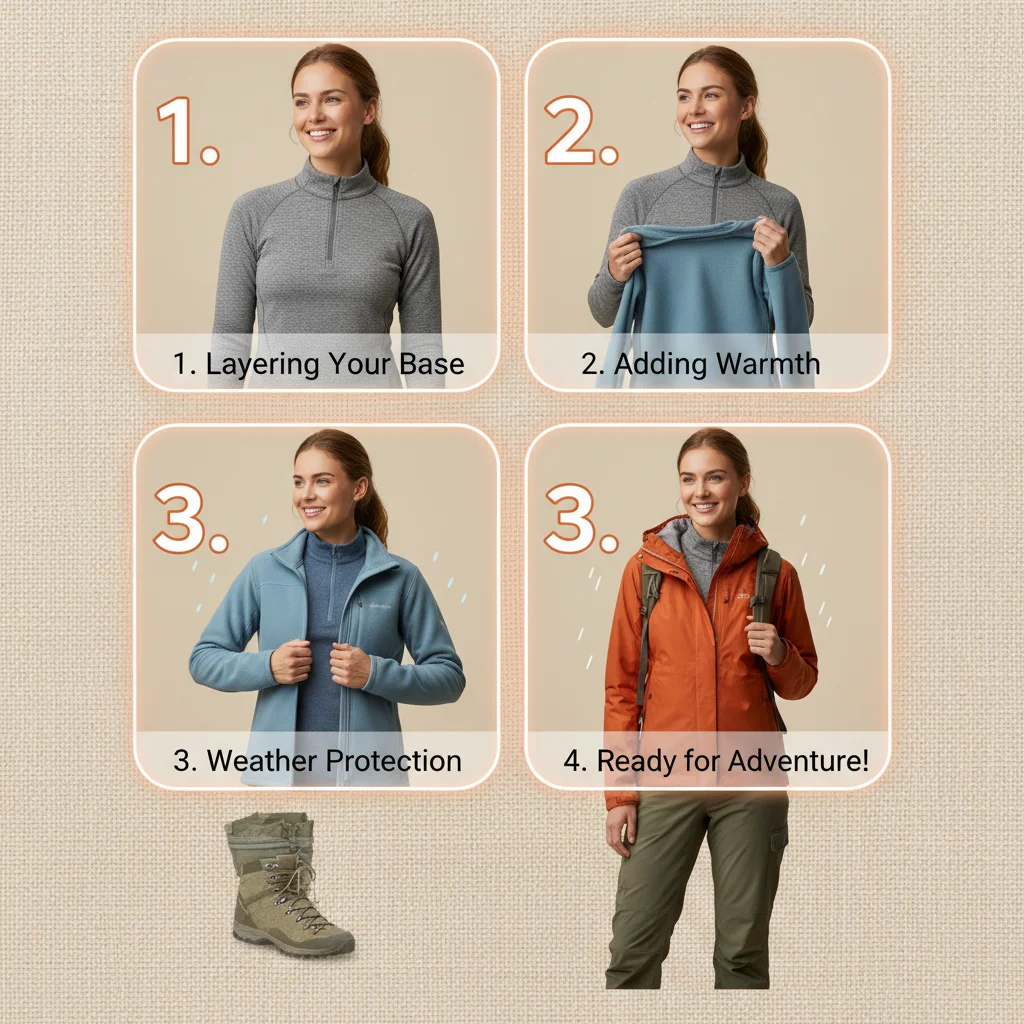
Layering provides versatility and allows you to adjust to changing conditions. A base layer wicks away moisture, a mid-layer provides insulation, and an outer layer offers protection from the elements. This system allows for optimal temperature regulation and comfort. The right layers are crucial components of effective snowboarding wear.
When selecting gloves or mittens, prioritize waterproofness, insulation, and dexterity. Look for features like reinforced palms, adjustable cuffs, and wrist leashes. Mittens generally offer more warmth than gloves, but gloves provide better dexterity. Ensure a comfortable fit that allows for unrestricted movement.
Conclusion
In conclusion, snowboarding wear is a continually evolving field driven by innovation, sustainability, and a commitment to enhancing the rider experience. From the early days of adapted ski wear to today's high-performance technical garments, the industry has consistently pushed the boundaries of what’s possible, creating gear that protects, performs, and empowers snowboarders of all levels. Understanding the key components, emerging trends, and challenges facing the industry is essential for both consumers and professionals alike.
Looking ahead, the future of snowboarding wear will be shaped by a growing emphasis on sustainability, personalization, and technological integration. By embracing these advancements and prioritizing responsible production practices, the industry can continue to provide riders with the gear they need to enjoy the slopes while minimizing their environmental impact. Visit our website at www.outdoor-apparels.com to explore our latest collection!