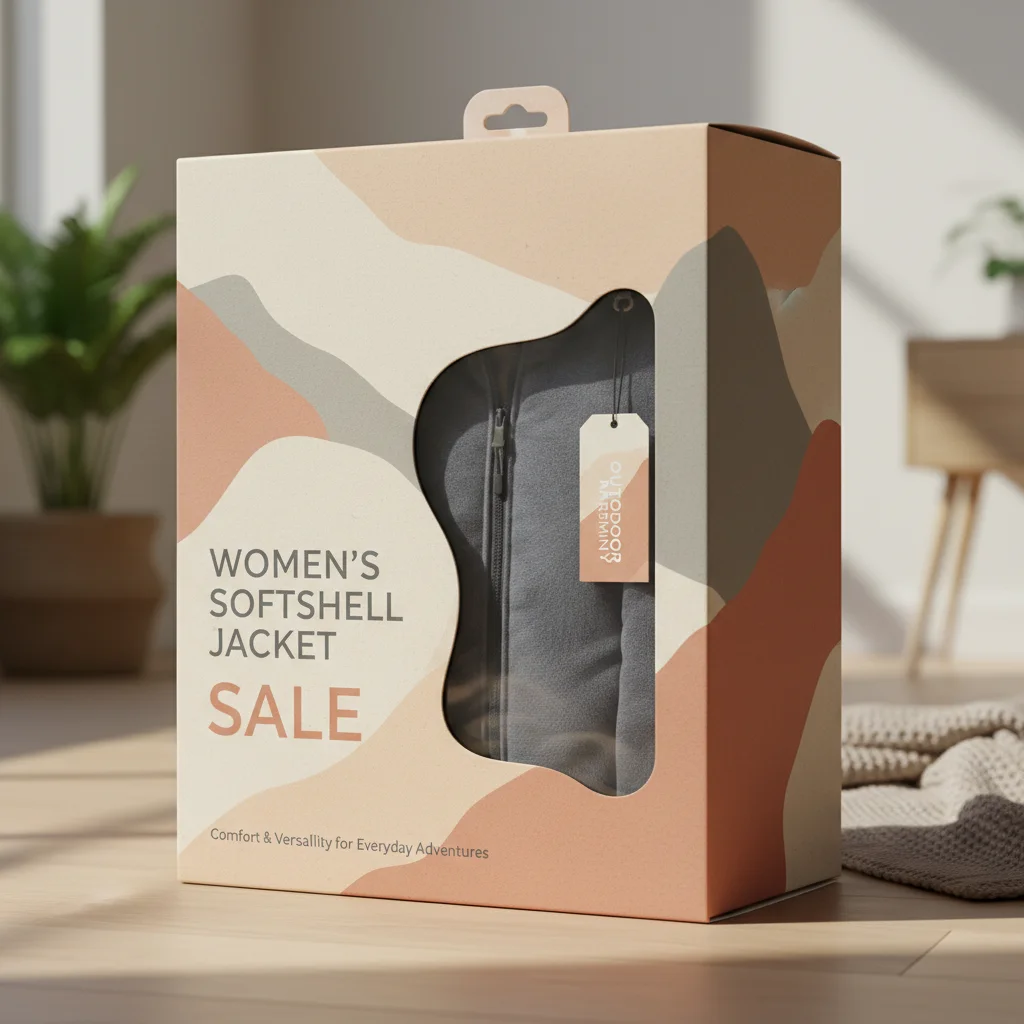
In the demanding world of outdoor industrial wear, the integration of high-performance materials and corporate identity has become a benchmark for professional excellence. A soft shell work jacket with logo serves as more than just a piece of protective clothing; it is a strategic tool for brand visibility and employee safety in unpredictable environments. By blending technical textile innovation with customized branding, companies can ensure their workforce remains protected while projecting an image of reliability and cohesion.
From a global manufacturing perspective, the shift toward hybrid fabrics—combining the wind-blocking capabilities of hard shells with the flexibility of fleece—has revolutionized how workwear is designed. The modern professional requires apparel that can transition seamlessly from a high-activity job site to a corporate meeting. This versatility is why the demand for specialized outerwear that balances breathability, waterproofing, and aesthetic professionalism continues to rise across the manufacturing and construction sectors.
For businesses looking to upgrade their corporate gear, investing in a soft shell work jacket with logo ensures that technical specifications, such as moisture management and tear resistance, are not sacrificed for style. By prioritizing E-E-A-T principles in garment selection, procurement managers can secure long-term value, reducing replacement costs and enhancing the overall wellbeing of their technical teams.

Global Industry Context of Technical Workwear
The global demand for technical outerwear has surged as industrial sectors move toward stricter safety and health regulations. According to international textile standards, the requirement for garments that offer both thermal regulation and weatherproofing is no longer optional but a necessity for workforce productivity. The rise of the soft shell work jacket with logo reflects a broader trend where corporate apparel must meet the same rigorous standards as specialized alpine gear.
In regions with extreme climatic volatility, the challenge lies in providing clothing that prevents hypothermia without restricting the movement required for manual labor. Many traditional jackets are either too heavy, limiting mobility, or too thin, failing to provide adequate protection. This gap has created a critical need for engineered solutions that utilize membrane technology to block wind and rain while allowing internal moisture to escape.
Defining the Modern Soft Shell Standard
A soft shell work jacket with logo is a specialized piece of outerwear designed to provide a balance of wind resistance, water repellency, and breathability. Unlike hard shells, which are completely waterproof but often stiff and non-breathable, soft shells utilize a woven stretch fabric, often reinforced with a fleece lining or a lightweight membrane. This makes them ideal for "active" work where the wearer is moving constantly and needs a garment that adapts to their body's heat output.
In the context of modern industry, these jackets serve as a bridge between heavy-duty protective gear and professional corporate attire. The addition of a corporate logo transforms the garment into a tool for brand identity, ensuring that employees are easily identifiable on-site, which is a key safety requirement in high-traffic industrial zones or remote field operations.
The humanitarian and industrial connection is evident in how these garments are deployed in disaster relief and remote infrastructure projects. In such environments, a garment that provides immediate protection against the elements while remaining lightweight enough for rapid deployment is invaluable. The soft shell standard ensures that the wearer maintains core warmth without the bulk of traditional winter coats.
Core Components of High-Performance Jackets
Durability is the cornerstone of any professional soft shell work jacket with logo. To withstand the rigors of a job site, these garments often incorporate ripstop polyester or high-density nylon shells. These materials are engineered to prevent small punctures from turning into large tears, ensuring that the garment remains functional even after exposure to rough terrain or sharp equipment.
Thermal regulation is achieved through advanced membrane technology. A high-quality soft shell work jacket with logo typically features a breathable membrane that allows water vapor to escape from the inside while blocking liquid water from entering. This bidirectional airflow is critical for preventing the "greenhouse effect," where sweat builds up inside the jacket, leading to chills during periods of inactivity.
Ergonomic design, including articulated joints and adjustable closures, ensures that the soft shell work jacket with logo does not hinder performance. Features such as storm flaps over zippers and elasticized cuffs prevent cold air infiltration, while strategic pocket placement allows workers to keep essential tools and communication devices secure and accessible.
Performance Metrics and Comparative Value
When evaluating the efficacy of a soft shell work jacket with logo, industry professionals look at specific technical ratings. Waterproofing is measured in millimeters (mm), where a higher rating indicates the fabric can withstand more pressure before leaking. Similarly, breathability is measured in grams per square meter over 24 hours (g/m²/24h), indicating how efficiently the garment releases moisture.
Comparing a standard corporate jacket to a professional-grade soft shell reveals a significant gap in long-term value. While basic jackets may offer a lower initial cost, they often fail in wet conditions and wear out quickly. In contrast, a technical jacket with taped seams and ripstop fabric offers superior longevity and protection, reducing the frequency of replacements.
Performance Comparison of Workwear Types
Real-World Applications Across Industries
In the field of logistics and warehouse management, where temperatures can fluctuate wildly between loading docks and internal storage, the soft shell work jacket with logo provides the perfect mid-layer. Its ability to block drafts while remaining lightweight allows workers to maintain a consistent body temperature without the fatigue associated with heavy coats.
For engineering firms and site supervisors, these jackets serve a dual purpose. During site inspections, the technical properties protect against rain and wind, while the professional silhouette and corporate branding ensure they are recognized as authority figures on the job site. This blend of utility and professional image is critical for maintaining operational order in complex construction environments.
Long-Term Value and Sustainability
Investing in high-quality workwear is a move toward sustainability. A soft shell work jacket with logo made from premium polyester and ripstop fabrics lasts significantly longer than budget alternatives. By extending the lifecycle of the garment, companies reduce textile waste and lower their overall environmental footprint, aligning with global ESG (Environmental, Social, and Governance) goals.
Beyond the financial savings, there is a psychological impact on the workforce. When employees are provided with gear that is genuinely protective and professionally branded, it fosters a sense of dignity and belonging. The feeling of being "equipped for success" increases morale and trust in the organization's commitment to worker safety.
Reliability in the field translates to reliability in business. A team that is not distracted by discomfort or wet clothing is a team that can focus entirely on the task at hand. This operational efficiency is the hidden return on investment when choosing a high-specification soft shell over a generic option.
Future Innovations in Smart Textiles
The future of the soft shell work jacket with logo lies in the integration of smart textiles. We are seeing the emergence of phase-change materials (PCMs) that can absorb, store, and release heat based on the wearer's activity level. This will eliminate the need for manual ventilation, as the fabric itself will adapt to the body's temperature in real-time.
Digital transformation is also touching the garment industry through the use of recycled ocean plastics and bio-based membranes. These innovations ensure that the next generation of workwear is not only high-performing but also carbon-neutral. The integration of conductive threads may even allow for integrated health monitoring or communication systems directly within the jacket's fabric.
Automation in manufacturing is enabling more precise customization. Companies can now order garments with customized fit profiles and branding placements that are perfectly aligned with the wearer's body type, further enhancing the ergonomic benefits of the soft shell design.
Comparative Analysis of Soft Shell Material Specifications
| Material Grade | Waterproof Rating | Durability Score | Breathability |
|---|
| Standard Polyester | 3,000mm | 5/10 | Medium |
| Premium Ripstop | 10,000mm | 9/10 | High |
| Hybrid Nylon-Spandex | 5,000mm | 7/10 | Very High |
| Reinforced Cordura | 8,000mm | 10/10 | Medium |
| Eco-Recycled Shell | 7,000mm | 8/10 | High |
| Ultra-Light Membrane | 4,000mm | 6/10 | Extreme |
FAQS
A soft shell work jacket with logo is designed for breathability and flexibility, making it ideal for active movement in moderate weather. A hard shell is typically 100% waterproof and windproof but less breathable and stiffer, intended for extreme rain or snow where moisture protection is the absolute priority over mobility.
For light rain and wind, 3,000mm to 5,000mm is sufficient. For professional industrial use involving heavy rain or snow, a rating of 10,000mm or higher is recommended. This ensures the fabric remains impenetrable even under pressure, keeping your employees dry and productive throughout the shift.
Yes, for B2B orders meeting the minimum order quantity (MOQ), you can specify the exact placement of your branding. Common locations include the left chest, upper back, or sleeve. We recommend finalizing these details during the PP sample stage to ensure the logo is perfectly aligned with the garment's seams.
To preserve the DWR (Durable Water Repellent) finish, avoid using harsh detergents or fabric softeners. We recommend washing in cold water with a specialized technical wash and occasionally tumble drying on low heat to reactivate the water-repellent properties of the membrane.
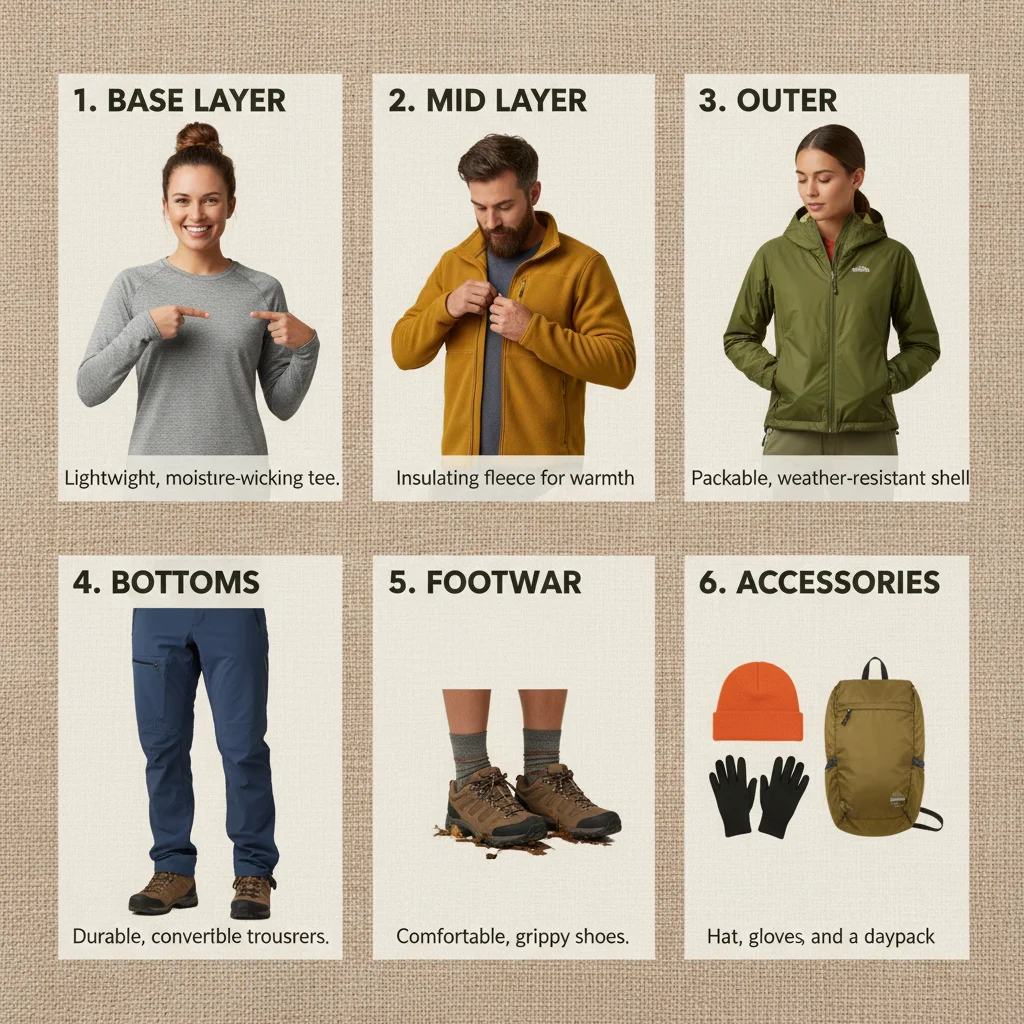
A soft shell is primarily a protective outer layer. For extreme cold, it should be used as part of a layering system. Pairing a soft shell work jacket with logo over a thermal base layer and a fleece mid-layer provides the optimal balance of insulation and weather protection.
Ripstop is woven with a reinforced grid pattern that physically stops tears from spreading. In an industrial setting where garments often snag on edges or equipment, ripstop polyester significantly extends the life of the jacket compared to standard weaves, which tear easily once a puncture occurs.
Conclusion
The implementation of a high-performance soft shell work jacket with logo represents a strategic intersection of safety, brand identity, and employee wellbeing. By prioritizing technical specifications—such as a 10,000mm waterproof rating and ripstop durability—companies can move beyond basic uniforms to provide genuine protective equipment. This approach not only enhances the professional image of the workforce but also ensures that operational efficiency is maintained regardless of the weather.
Looking forward, the evolution of smart textiles and sustainable manufacturing will continue to refine the standards of professional outerwear. We encourage procurement managers and business owners to view workwear as a long-term investment in their human capital. By choosing gear that balances ergonomic design with cutting-edge material science, you are investing in a safer, more motivated, and more professional team. Visit our website: www.outdoor-apparels.com